Hunting the Late-November Muzzleloader Units
When the regular gun season wraps up in North Dakota, many hunters pack away their gear, but a dedicated few know that some of the most challenging and rewarding deer hunting is just beginning. Tackling the late-November muzzleloader units means facing dropping temperatures, often significant snow, and deer that have already been pressured, making success a true test of skill and perseverance. This guide is here to unravel the complexities of this specific hunting period, offering deep insights into navigating the unique conditions and outsmarting those late-season whitetails.
Understanding North Dakota's Muzzleloader Season Structure
North Dakota's hunting landscape is diverse, offering various seasons and weapon types, but the muzzleloader season, particularly in late November, stands out. It's not just an extension of the gun season; it's a distinct challenge with its own set of rules, unit availability, and environmental factors that require a specialized approach.
The Allure of Late-November Muzzleloader Units
After the hustle and bustle of the main gun season, when deer are often scattered and wary from constant pressure, the late-November muzzleloader season offers a quieter, more primal hunting experience. Many units that were open for rifle hunting earlier in the month often transition to muzzleloader-only periods, or specific muzzleloader units come into play. This timing typically coincides with colder weather, which can be both a blessing and a curse. On one hand, deer are driven to consistent food sources, making them more predictable. On the other, the brutal prairie cold demands meticulous preparation, durable gear, and an iron will. The deer have also had a few weeks to settle down from the initial gun season chaos, often returning to more natural patterns, though with an elevated sense of caution. For those who relish the challenge of a single-shot opportunity and the satisfaction of earning a hard-won deer in tough conditions, this season is truly special. It’s a chance to connect with the landscape in a profound way, far from the crowds.
Key Dates and Unit Specifics
The North Dakota Game and Fish Department (NDGFD) outlines specific units for muzzleloader hunting, and it's absolutely crucial to know if your chosen area is even an option for this late-season pursuit. While the general deer gun season usually runs for about 17 days, typically from early to mid-November, the muzzleloader season often picks up right after, extending into late November and even into the first week or two of December in some areas. For precise dates and locations, always consult the current year's North Dakota Muzzleloader Unit Availability regulations. These units are often designed to manage local deer populations, and some might even target antlerless deer to help control herd numbers in specific regions. It’s not uncommon for hunters to find that their familiar gun unit might have a late-season muzzleloader component, or they might need to research a completely different unit that allows for it. The application process for these tags usually happens earlier in the year, alongside the main gun deer lottery, so planning well in advance is paramount. Don't wait until November to check; by then, it's typically too late to secure a tag for these sought-after periods.
Muzzleloader Equipment Restrictions
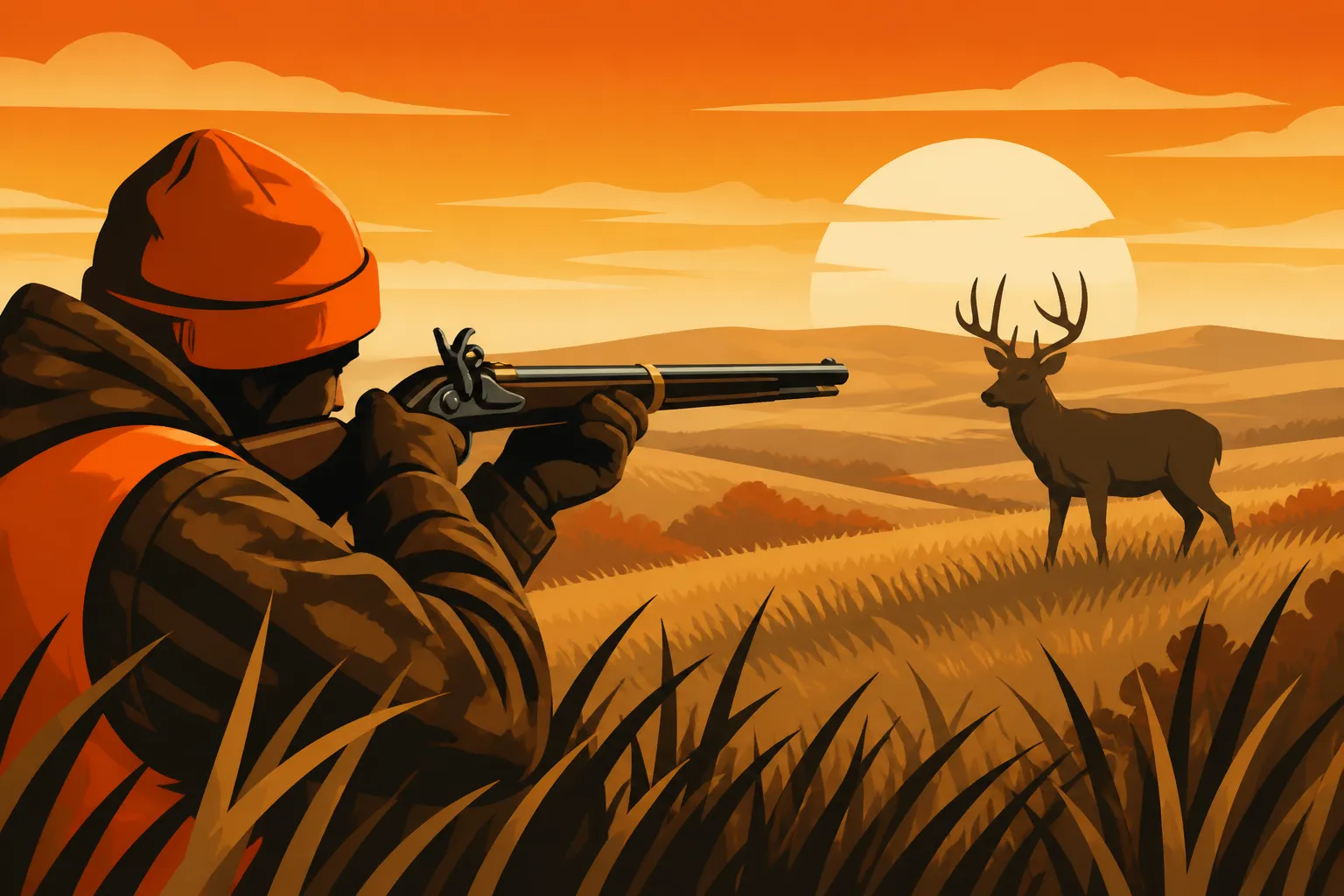
Hunting with a muzzleloader in North Dakota comes with specific legal requirements that are different from modern firearms. You can't just grab any black powder rifle and head out. The regulations typically specify traditional muzzleloading firearms, meaning they must be loaded from the muzzle. This usually includes both percussion cap and flintlock rifles. Many hunters gravitate towards in-line muzzleloaders for their modern conveniences, like better ignition in adverse weather and easier cleaning, but it's vital to ensure yours complies with all state regulations regarding Legal Weapons During North Dakota Gun Season, especially the sections pertaining to muzzleloaders.
A common point of confusion revolves around optics and projectiles. While open sights are always permitted, magnified scopes are often allowed during the muzzleloader season, unlike during some historical muzzleloader-only periods in other states. However, specifics can change, so a quick check of the current regulations is always a good idea. As for ammunition, saboted bullets, which encase a smaller projectile, are generally legal and popular for their accuracy and ballistic performance. However, some traditionalists still prefer patched round balls or conical bullets. Regardless of your choice, ensure your projectile and powder load meet the minimum energy and diameter requirements for deer hunting in North Dakota. For example, solid lead or lead alloy bullets must typically be at least .45 caliber, and saboted bullets must be at least .40 caliber. Missing these details could result in a citation and a ruined hunt.
Scouting and Preparation for Cold Weather Hunting
Late-November in North Dakota means serious cold. The days are short, the ground can be frozen solid, and snow is often on the landscape. This dramatically changes deer behavior and the type of preparation a hunter needs to undertake. Gone are the mild mornings of early archery; this is a game of endurance, strategy, and staying warm.
Pre-Season Digital Scouting with Tools like GoHunt
Digital scouting is a hunter's best friend, especially when preparing for harsh, late-season conditions, and platforms like GoHunt really shine here. Before you even set foot in the field, you can virtually explore your chosen muzzleloader unit. Start by pulling up high-resolution satellite imagery to identify key terrain features. Look for areas with dense thermal cover, such as thick stands of cattails, shelterbelts, or heavy timber in river bottoms. These are crucial because deer will seek refuge from the biting prairie winds and plummeting temperatures. Pinpoint potential food sources that will still be viable in late November, like standing corn, residual sunflower fields, or pockets of unharvested beans. GoHunt’s mapping features allow you to mark these points, measure distances, and plan potential entry and exit routes that minimize disturbance. Pay close attention to transition areas where different types of cover meet, or where cover meets food – these are natural travel corridors. Identify natural funnels, pinch points, and creek crossings. By overlaying public land boundaries, you can ensure you’re targeting accessible areas. This digital reconnaissance saves immense time and effort in the cold, allowing you to prioritize the most promising spots for on-the-ground investigation.
On-the-Ground Scouting in Late Fall
Once you've done your digital homework, it's time to hit the field, ideally before the muzzleloader season opens, to verify your findings. This late-fall scouting is critical for understanding current deer movement. With crops often harvested, the landscape changes dramatically, revealing new travel patterns. Look for fresh deer tracks in the snow, if available, or even just in the muddy edges of fields. Pay attention to their direction of travel between bedding and feeding areas. Find recent rubs and scrapes, though scrape activity will be winding down from the rut. Focus heavily on identifying Late-Season Food Sources for North Dakota Whitetails. Deer will be prioritizing calories to survive the cold, so understanding what they’re currently eating and where is paramount.
When you're out there, also scout for viable stand or blind locations. For a muzzleloader hunt, you’ll typically be taking shots at shorter ranges than with a modern rifle, so a good setup for a 75-150 yard shot is ideal. Look for natural cover that can conceal a ground blind or a sturdy tree for a treestand. Consider the prevailing winds and sun angles for morning and evening hunts. Remember, deer will be more wary after weeks of hunting pressure, so finding subtle travel routes and undisturbed pockets of cover is key. This on-the-ground verification is indispensable, confirming your GoHunt observations and giving you current intel on deer activity.
Essential Gear for Muzzleloader Success
Hunting in North Dakota in late November is no walk in the park; it demands the right gear. First and foremost, a reliable muzzleloader is a must. Ensure it's sighted in accurately for your chosen projectile and powder charge, ideally at the maximum range you’re comfortable shooting. A few practice shots in cold weather conditions can reveal how your rifle performs in the elements. Beyond the rifle, your personal clothing system is paramount for survival and comfort. Layering is king: start with moisture-wicking base layers, add insulating mid-layers like fleece or down, and top it with a waterproof, windproof outer shell. A good quality hunting bib or insulated pants are invaluable for sitting for extended periods.
Don't forget accessories: insulated, waterproof boots rated for extreme cold are critical, as are chemical hand warmers and foot warmers. A sturdy backpack to carry extra layers, snacks, water, and emergency supplies is essential. Binoculars for scanning distant cover, a rangefinder to confirm shot distances, and a reliable headlamp for those early morning walks and late-night recoveries are also vital. Since you'll be handling black powder, consider a small, dry, airtight container for your powder, primers/caps, and spare projectiles to protect them from moisture. A small cleaning kit for a quick field swab can also be a lifesaver if you need a follow-up shot. Lastly, ensure you have your North Dakota hunting license, any required tags, and proof of Hunter Education Requirements readily accessible.
Strategies for Locating Late-Season Whitetails
By late November, deer have shifted their patterns significantly from the early season and the peak rut. Survival becomes their primary focus, which means food and thermal cover are the two biggest drivers of their movement. Understanding this shift is the cornerstone of success during the muzzleloader season.
Focusing on Food Sources
As winter approaches and temperatures drop, deer become calorie-obsessed. Their primary objective is to find and consume as much high-energy food as possible to build fat reserves for the harsh months ahead. This makes prime food sources absolute magnets for deer activity, especially during the low-light hours of dawn and dusk. In North Dakota's agricultural landscape, this often means focusing on unharvested or recently harvested fields of corn, soybeans, or sunflowers. While many fields will be picked clean by late November, finding a standing corn field after a snow or a sunflower patch that was left standing for wildlife can be a goldmine. Deer will gravitate to these areas with remarkable consistency.
Beyond cultivated fields, look for natural food sources that might still be available. Acorn crops in river bottom timber, if present, can draw deer, although North Dakota doesn't have the extensive oak forests found elsewhere. Browse, such as dogwood, sumac, or willow shoots, becomes increasingly important as other options diminish. The key is to scout these areas for fresh tracks, droppings, and feeding sign. Setting up on a field edge, where deer transition from bedding cover to feeding areas, can be incredibly effective. Remember, deer often stage in nearby cover before entering an open field, so finding that transition zone is crucial for a shot opportunity within muzzleloader range.
Identifying Thermal Cover and Bedding Areas
Just as critical as food are bedding areas that offer protection from the brutal North Dakota winds and cold. Deer need thermal cover – dense vegetation that insulates them from the elements and provides a windbreak. This can be thick cattails in a slough, a dense shelterbelt edge, deep coulees in the Badlands, or thick river bottom timber. These spots allow deer to conserve energy and stay warm. In areas with significant snowfall, south-facing slopes or riverbanks that catch more sun will be preferred bedding sites, as the snow might melt slightly, making travel easier, or the sun's warmth provides a small relief from the cold.
Deer will often bed down in these protective havens during the day and move towards food sources in the late afternoon and early morning. Your strategy should involve identifying these sanctuaries and understanding the travel corridors that connect them to feeding grounds. Often, deer will use the path of least resistance, following natural contours of the land, fencelines, or edges of thickets. Hunting a Shelterbelt Edge for Deer, especially one that offers both cover and a travel lane, can be highly productive. Avoid busting deer out of their bedding areas during midday, as this can make them nocturnal or push them to neighboring properties. Instead, focus on intercepting them as they move during those precious low-light periods.
Reading Sign in Snow and Cold Conditions
Snow can be a hunter’s greatest ally in late-season muzzleloader units. Fresh snowfall acts as a giant chalkboard, recording every deer movement, making it easier to read the landscape. You'll be able to see exactly where deer are traveling, how recently they've been there, and even their size and gait. Look for fresh tracks that haven't been filled in by new snow or wind. Deep tracks with visible dewclaws often indicate a heavy, mature deer. Pay attention to the direction and purpose of the tracks: are they meandering, indicating feeding, or are they a direct line, suggesting travel between bedding and food?
Beyond tracks, look for other signs like fresh droppings, which will often be dark and firm in cold weather. Rubs and scrapes, though less active post-rut, might still be visited, especially by older bucks. Browsing sign on woody vegetation can tell you what deer are currently eating. In cold, snowy conditions, deer movement might be compressed into shorter, more intense periods around dawn and dusk, so understanding these patterns from the sign is paramount. If you find a heavily used trail in the snow leading from thick cover to a food source, you've likely found a key ambush point for your muzzleloader. Utilizing tools like the ND Hunt App can also help you identify potential PLOTS land and other public access areas where deer might be leaving these tell-tale signs.
Muzzleloader Hunting Tactics in Challenging Conditions
Hunting in late-November North Dakota is a true test of a hunter's mettle. The conditions are tough, and the deer are wary. Success hinges on smart tactics, patience, and adapting to what the environment throws at you.
Still-Hunting Timber and River Bottoms
When temperatures plummet and a fresh blanket of snow covers the ground, still-hunting through dense timber pockets or along river bottomland can be a highly effective tactic for muzzleloader hunters. This method involves moving slowly, deliberately, and quietly through cover, stopping frequently to observe and listen. The snow can muffle your footsteps, making a silent approach possible, but also makes it easier for deer to spot your dark silhouette against the white background. Therefore, wearing appropriate camouflage or white outer layers, if safe and legal, can be beneficial.
Focus your efforts on areas with heavy cover, such as the Missouri River bottomland, where deer will be seeking shelter from the wind. These areas provide both thermal cover and residual browse. When still-hunting, move at a snail's pace, taking only a few steps before pausing for several minutes to scan ahead, behind, and to the sides. Use your binoculars to pick apart tangles of brush, looking for horizontal lines, patches of brown fur, or the flick of an ear. The key is to spot the deer before it spots you. If you jump a deer, try to anticipate where it might stop, even if just for a second, to assess the threat. With a muzzleloader, that brief pause might be your only shot opportunity. This method is physically demanding, but it allows you to cover ground and search for deer that might be hunkered down, minimizing their movement in the cold.
Utilizing Ground Blinds and Natural Cover
Given the often-open nature of the North Dakota prairie and the challenges of hanging a stand in frozen trees, ground blinds are an excellent option for late-season muzzleloader hunting. They provide concealment, a stable shooting rest, and most importantly, protection from the brutal winds and cold. Whether it's a commercially made pop-up blind or a natural blind brushed into a fenceline or a clump of cattails, the goal is to break up your outline and blend into the environment. When brushing in a blind on a field edge, ensure it's done well in advance if possible, so deer become accustomed to its presence.
Consider setting up your blind overlooking a promising food source, such as a standing corn field, or along a known travel corridor between bedding and feeding areas. If you're Hunting a Prairie Pothole Slough Edge, dense cattails can offer fantastic natural cover for a ground blind, allowing you to intercept deer as they move along the slough's perimeter or cross through it. Position your blind to take advantage of prevailing winds, so your scent is carried away from approaching deer. Internal links like using a Ground Blind on PLOTS Land or Brushing In a Blind on a Field Edge offer detailed guidance on setup. Staying warm and comfortable in a blind is key to extended sits, which are often necessary to catch wary, late-season deer. A portable heater (with proper ventilation), a comfortable chair, and a thermos of hot coffee or soup can make a significant difference.
Dealing with Wind and Thermals
North Dakota is synonymous with wind, and in late November, that wind can be absolutely brutal, magnifying the cold and impacting deer behavior. Understanding and playing the wind is arguably the most critical factor in late-season muzzleloader hunting. Deer rely heavily on their sense of smell, and a swirling or unfavorable wind will quickly alert them to your presence, even if you're well-hidden. Always hunt with the wind in your favor, carrying your scent away from where you expect deer to approach. This often means being flexible with your stand or blind locations, having multiple options for different wind directions.
Thermals, which are rising and falling air currents, also play a significant role, especially in more varied terrain like the Badlands or along river valleys. In the morning, as the sun warms the earth, thermals tend to rise, carrying your scent upwards. In the evening, as the air cools, thermals drop, carrying your scent downhill. If you're hunting a coulee rim at last light, for example, your scent might drop into the coulee, alerting any deer below. Conversely, in the morning, your scent might rise, allowing you to approach a bedding area from below. Using mapping tools like GoHunt, which can sometimes provide topographic overlays, can help predict thermal currents. Paying attention to Wind and Thermals in Badlands Terrain is crucial, as the undulating landscape can create unpredictable air currents. Always test the wind with a powder bottle or a milkweed stem before and during your hunt, and adjust your position if necessary.
Post-Shot Procedures and Game Recovery
Getting a shot with a muzzleloader in late November is a triumph in itself, but the work doesn't stop there. Cold weather and often snowy conditions add extra layers of complexity to tracking and processing your deer.
Tracking a Deer in Fresh Prairie Snow
A fresh snowfall can be a double-edged sword: it offers excellent tracking conditions but also means cold temperatures for both you and the downed animal. When you take a shot with a muzzleloader, listen intently for the sound of the bullet striking the deer and watch its reaction. Mark the exact spot where the deer was standing, and where you last saw it, with a visible marker like a hat or flagging tape. With a muzzleloader, especially if using a slower projectile, a good rule of thumb is to give the deer ample time – at least 30-60 minutes for a suspected good hit, or several hours for a questionable shot, before beginning the track. The cold will help preserve the meat if the deer expires quickly, but you don't want to bump a marginally hit animal.
Once you begin Tracking a Deer in Fresh Prairie Snow, look for more than just footprints. Follow the blood trail meticulously. Even small drops can lead you to your prize. Note the color and consistency of the blood: bright red, frothy blood indicates a lung shot; darker, thicker blood suggests a liver or muscle hit; and greenish fluid indicates a gut shot. Pay attention to how the deer is moving. If it's walking calmly with an even stride, it might be a superficial hit. If it's running erratically or leaving deep drag marks from its legs, it's likely severely injured. Use any available cover or terrain features to your advantage, moving slowly and scanning ahead frequently. Don't be afraid to back out and return with more help or after more time if the trail becomes sparse or disappears.
Blood Trailing After Dark in North Dakota
Inevitably, some tracking efforts extend past sunset, especially with the short daylight hours of late November. Blood Trailing After Dark in North Dakota presents its own unique set of challenges and demands careful consideration. Your headlamp and a powerful handheld spotlight become your most important tools. The light reflects off blood, often making it easier to spot on snow or vegetation than during daylight. However, the cold makes the blood congeal and darken faster, potentially making it harder to distinguish from shadows or mud.
If you find yourself tracking after dark, bring at least one or two trusted companions. More eyes are always better, and having someone else to confirm the trail can prevent you from getting off course. Move slowly and deliberately. If you lose the trail, spread out and make concentric circles around the last confirmed blood sign. It's often easier to find the next drop by looking for reflections of your light rather than just staring at the ground. Be mindful of property lines and ensure you have permission to pursue game onto private land if necessary. If the trail becomes too difficult, or you're unsure of the deer's condition, sometimes the best decision is to mark the last blood and return at first light with fresh eyes and renewed energy. The cold temperatures will generally help preserve the meat overnight.
Field Dressing and Care in Freezing Temperatures
Once you've recovered your deer, the next critical step is Field Dressing a Deer in Cold Weather. The good news is that freezing temperatures work in your favor, slowing down bacterial growth and helping to preserve the meat. However, working in the cold requires its own considerations. Bring sharp knives, a game bag (or two), and sturdy gloves – both thin surgical gloves for cleanliness and heavier insulated gloves to protect your hands from the cold while working.
Field dress the deer as quickly and efficiently as possible. Remove all internal organs, taking care to avoid puncturing the stomach or intestines. This allows the carcass to cool down rapidly. If you're in a CWD Hunting Unit, be aware of any specific regulations regarding carcass movement or mandatory testing requirements. Once gutted, consider splitting the brisket and propping the cavity open with a stick or two to maximize airflow and ensure thorough cooling. This is especially important if the temperatures aren't quite below freezing or if the deer is still radiating internal heat. You can also wipe the cavity clean with snow or paper towels. If you need to transport the deer a significant distance, protect the cavity from dirt and debris with game bags. Properly cooling the meat immediately and thoroughly is the most crucial step for ensuring high-quality venison from your late-season success.
Final Thoughts on Late-November Muzzleloader Hunting
Hunting North Dakota's late-November muzzleloader units is a unique and deeply satisfying challenge. It's a season that tests your patience, your preparation, and your ability to adapt to some of the toughest conditions the prairie can throw at you. But for those who embrace the cold, understand the deer's shifted priorities for survival, and meticulously plan their hunt, the rewards are immense. The landscape takes on a stark, beautiful quality, and the satisfaction of harvesting a deer with a muzzleloader in these conditions is something truly special. So, layer up, hone your scouting skills with tools like GoHunt, understand the nuances of late-season deer behavior, and prepare for an unforgettable North Dakota hunting experience.
Disclaimer
The information provided in this guide is for general informational purposes only and does not constitute legal advice. Hunting regulations in North Dakota are subject to change. Always consult the official North Dakota Game and Fish Department regulations for the current hunting season before planning or undertaking any hunting activity. Failure to comply with regulations can result in penalties.