Hunting North Dakota’s November 6 Gun Opener
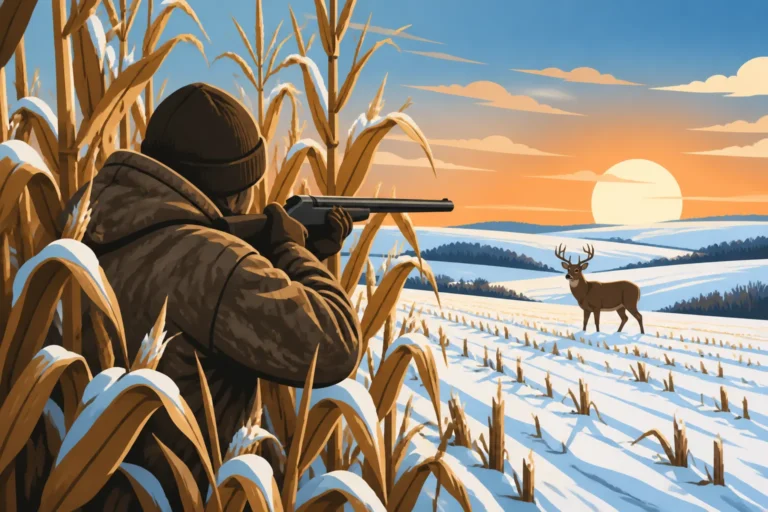
That first Saturday in November in North Dakota isn't just another weekend; for many of us, it marks the highly anticipated opening of the general deer gun season. The air is crisp, anticipation hangs thick, and the hope of filling a tag after months of waiting is palpable. But let's be real, opening day can also be a chaotic mix of heavy hunter pressure, unpredictable deer movement, and the sheer challenge of being in the right place at the right time. This guide is here to walk you through everything you need to know to navigate the excitement and challenges of Hunting North Dakota's November 6 Gun Opener, helping you plan for a successful and safe experience.
The Significance of North Dakota's November 6 Gun Opener
The November 6 gun opener holds a special place in the hearts of North Dakota hunters, almost a sacred tradition. It’s the culmination of months of scouting, anticipation, and for many, the primary opportunity to put venison in the freezer. But it's not just about the hunt itself; it’s about understanding the unique dynamics this specific date brings, from deer behavior to hunter crowds.
Why This Date Matters to Hunters
For countless North Dakotans and non-residents lucky enough to draw a tag, the general deer gun season opener is the day. It's often the first chance many hunters have with a rifle in hand after the archery season, and it coincides with a crucial period in the deer’s annual cycle. The early-to-mid November timeframe often brushes up against, or falls squarely within, the primary whitetail rut. This means deer, particularly bucks, are more active and less predictable, potentially making them more vulnerable but also adding another layer of complexity to the hunt.
The excitement is electric. Camps are set up, often with generations of family and friends gathered. The sound of distant shots ringing out at first light is a symphony to our ears, signaling that the season is officially underway. However, this popularity also means increased hunter density, especially on public lands. Understanding the "why" behind this date helps us prepare not just for the deer, but for the human element of the hunt as well. It's a window of opportunity that's both exhilarating and demanding, and being mentally prepared for the hustle and bustle is just as important as having your rifle sighted in.
What Species Are in Play
While many states have complex regulations for various big game species during their gun seasons, North Dakota's general deer gun opener primarily focuses on white-tailed deer and mule deer. Your specific tag will dictate what you can legally harvest. Most hunters are pursuing white-tailed deer, which are far more abundant across the state, from the eastern farmlands to the river bottoms and even into parts of the Badlands. Mule deer are concentrated almost exclusively in the rugged western Badlands units, and tags for them are highly coveted and difficult to draw.
When you apply for a license through North Dakota's Lottery-Based Deer Gun Season, you'll typically be applying for a specific unit and a specific class of deer – whether it's an "any deer" tag, an "any antlered deer" tag, or an "antlerless whitetail" tag. It's absolutely critical to understand the specifics of your tag. Harvesting the wrong species or sex of deer is a serious violation and can lead to hefty fines and license revocation. Always double-check your license details before you head into the field, and be absolutely certain of your target before you pull the trigger. There's no room for "I thought it was" when a deer's life and your hunting privileges are on the line.
General Season Structure and Duration
North Dakota's general deer gun season is notoriously short compared to many other states. It typically runs for about two and a half weeks, or seventeen days, closing in late November. The opening date is usually set for the second Friday in November, making the November 6th opener a very early one if it falls on that date. This short window means there's a premium on making the most of every hunting day, especially opening weekend. Unlike some states with longer seasons that allow for a more relaxed approach, North Dakota's brevity adds an urgency to the pursuit.
The season dates are set by the North Dakota Game and Fish Department (NDGFD) well in advance, usually available by late spring or early summer. You can always find the definitive dates in the annual hunting proclamation, but a quick check of resources like North Dakota Gun Season Dates will give you the precise information you need. Understanding this compressed timeline impacts everything from your application strategy to your hunt planning. If you miss the opener, you don't have many more days to make up for it, making opening weekend a high-stakes, high-reward endeavor.
Preparing for the Opening Day Rush
Opening day of deer season in North Dakota is often a mad dash. Thousands of hunters descend upon the landscape, transforming quiet rural areas into bustling hubs of activity. Success isn't just about deer; it's about preparation, managing expectations, and prioritizing safety. Without a solid plan for gear, scouting, and understanding the human element, you might find yourself frustrated rather than fulfilled.
Essential Gear and Clothing for November Conditions
North Dakota in November can throw anything at you, often all in the same day. One morning you might wake up to freezing rain and biting winds, and by afternoon, the sun could be shining, making for deceptively warm conditions in a sheltered draw. The key is layering, and having clothing that can handle extreme temperature swings and sudden shifts in weather.
Start with a good moisture-wicking base layer to manage sweat, even when it’s cold. Over that, build with insulating layers like fleece or wool, and top it all off with a windproof and waterproof outer shell. Blaze orange is not just a recommendation; it's a legal requirement in North Dakota during the gun season, and it's absolutely crucial for safety. Make sure you have enough visible blaze orange, often requiring a hat and an outer garment, to meet the legal How Much Blaze Orange North Dakota Requires. Don’t skimp on quality footwear either – waterproof, insulated boots are a must, especially if you're slogging through wet fields or newly fallen snow. A quality backpack to carry extra layers, water, snacks, a first-aid kit, and game processing tools is indispensable. And, of course, your rifle. Ensure it's sighted in, clean, and you have appropriate ammunition for the species you're pursuing, considering the Legal Weapons During North Dakota Gun Season. Services like GoHunt often offer gear reviews and packing lists specifically tailored for demanding Western hunts, which can be a valuable resource for North Dakota hunters.
Scouting and Pre-Season Intel
You've heard it a thousand times, but it bears repeating: scouting is the cornerstone of success, especially on a high-pressure opening day. If you're showing up blind, you're already at a disadvantage. Pre-season scouting, whether it's physical boots-on-the-ground recon or extensive map study, gives you a significant edge.
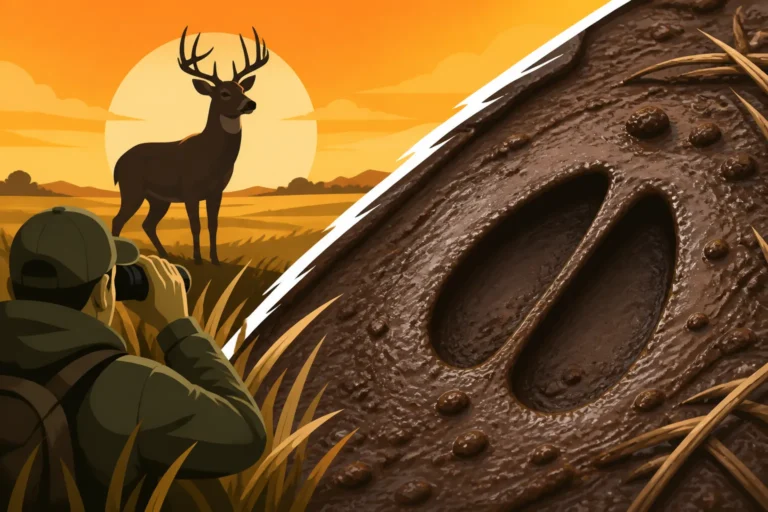
Look for fresh sign: rubs, scrapes, active deer trails, and feeding areas. Pay attention to water sources and bedding cover. In North Dakota, bedding areas can be anything from dense cattail sloughs and river bottom timber to rugged Badlands coulees. During November, especially if the rut is on, scrape lines are excellent indicators of buck activity, often found along field edges or timber breaks. Deer will be focused on food, cover, and breeding. Map apps like GoHunt or the NDGFD's own Hunt App are invaluable tools for identifying potential hunting spots, property lines, and terrain features. Use these to scout Scouting PLOTS Land Before Season or even private land from afar.
Think about how hunter pressure might affect deer movement. Deer will gravitate towards thicker cover and less accessible areas once the shooting starts. Identifying these escape routes and sanctuary zones before opening day can put you in a prime ambush position when the deer are on the move. Don't forget to check late-season food sources like standing corn or sunflower fields, as deer will often be hitting these hard before the heavy snows arrive.
Understanding Hunter Pressure and Safety
Opening day hunter pressure is a reality in North Dakota. Public lands, especially easily accessible ones, will see significant traffic. This means you'll likely encounter other hunters, whether they're in adjacent fields, walking a fenceline, or setting up nearby. This isn't necessarily a bad thing; sometimes, other hunters moving deer can push them towards you. However, it absolutely necessitates a heightened awareness of safety.
Always identify your target beyond a shadow of a doubt, and know what's beyond it. Never shoot at sound or movement. Wearing plenty of blaze orange, as discussed, is non-negotiable. Communicate with other hunters if you encounter them, establishing clear intentions and directions of travel. Having a plan for communication with your own hunting party, whether it’s through radios or cell phones (where service permits), is also crucial. Be mindful of hunting hours; shooting is generally allowed from one-half hour before sunrise to sunset. Be aware of your surroundings, understand North Dakota Firearms Discharge Setback Distance rules, and respect private property boundaries. A responsible hunter understands that safety isn't just about their own well-being, but the safety of everyone else in the field.
Effective Hunting Strategies for the Gun Opener
Once you’ve got your gear sorted and your scouting done, it’s time to think about tactics. Opening day in North Dakota, especially with the rut potentially in full swing, demands a dynamic approach. Deer behavior will be influenced by both biological drives and intense hunter pressure, making adaptability your greatest asset.
Morning Stand Hunting and Ambush Points
The pre-dawn hours of opening day are charged with excitement. This is often your best bet for catching deer moving from nocturnal feeding areas back to bedding cover, or for bucks cruising for does. Setting up a stand or ground blind in a key ambush point before first light is a classic and often effective strategy.
Think about pinch points, funnels, and natural travel corridors that connect food sources (like grain fields or CRP edges) to bedding areas (thick draws, cattail sloughs, river bottom timber). Deer will often use the path of least resistance. With the rut active, mature bucks might be actively scent-checking these same trails for fresh doe sign. Choose a stand location that offers good visibility but also conceals your silhouette and scent. Wind direction is paramount. A morning setup should allow you to approach your stand without spooking deer and have the wind in your favor as deer move past. Consider placing stands or blinds on the downwind side of known travel routes or scrapes to catch bucks approaching from afar. Remember to be patient; the first hour of daylight can be incredibly productive, but deer might move intermittently throughout the morning as hunter pressure starts to build.
Midday Still-Hunting or Small Drives
Unlike some hunting philosophies that advocate for sitting all day, North Dakota's opening day can benefit from a more active midday approach, particularly if you're on public land or have permission for specific private parcels. Many hunters retreat to camp for lunch, leaving the woods quieter in the mid-morning to early afternoon. This lull can be an opportune time for still-hunting or carefully planned small deer drives.
Still-hunting involves moving slowly and deliberately through cover, pausing frequently to observe and listen. Focus on thick bedding areas, timber edges, or dense brush that deer might use as sanctuaries from morning pressure. Move into the wind, taking advantage of terrain features for cover. This strategy works well in areas like Still-Hunting North Dakota's Missouri River Bottomland or the thick coulees of the Badlands. For small drives, involving two to four hunters, coordinate carefully. One or two hunters act as "pushers," slowly walking through cover, while others position themselves as "posters" along anticipated escape routes. This can be highly effective for moving deer out of thickets they've hunkered down in. Always prioritize safety, knowing exactly where every hunter in your party is located, and communicating constantly. Remember, a deer drive isn't about running deer; it's about gently nudging them towards prepared positions.
Afternoon Stands and Evening Movements
As the afternoon progresses, deer patterns often shift again. They may begin to filter out of bedding areas towards food sources, particularly if they haven't been heavily pressured or if the rut is still driving their activity. Setting up an afternoon stand or blind along the edge of a feeding field or a travel corridor leading to one can be a highly productive strategy.
Focus on fields that still have standing crops or crop residue, like corn or sunflowers, which provide both food and cover. Deer often feel more secure emerging into these areas under the cover of dusk. Consider a stand along a Hunting a Shelterbelt Edge for Deer or a brushy draw that leads into a field. With the rut, bucks might also be cruising these edges looking for does already feeding. The last hour of daylight can be especially intense, so be prepared for quick action and fading light. Have a good pair of binoculars to identify deer clearly before shooting. Remember that post-shot logistics, like tracking and field dressing, become much more challenging in the dark, so be mindful of when shooting light ends.
Navigating Land Access on Opening Day
North Dakota offers a patchwork of public and private lands, and understanding how to legally access them is paramount for a successful and ethical hunt. Opening day sees an influx of hunters, making land access a critical part of your strategy, especially if you haven't secured private land permission.
Utilizing North Dakota's PLOTS Program
North Dakota's Private Land Open To Sportsmen (PLOTS) program is a fantastic resource for public hunting access on private land. These are tracts of private land enrolled by landowners with the NDGFD, opening them up for hunting, fishing, and trapping. On opening day, PLOTS land can be a blessing, providing numerous options, but it also attracts a crowd.
To effectively use PLOTS, you absolutely need the current PLOTS Guide and map, or even better, the NDGFD's Hunt App or a mapping service like GoHunt that incorporates PLOTS data. You can find out more about The PLOTS Program Explained in detail. These maps show you precisely where PLOTS tracts are located, their boundaries, and often what type of habitat they offer. When hunting PLOTS, always look for the yellow triangular signs indicating public access. The rules are generally common sense: no littering, no driving off established trails unless specifically marked, and respect for the landowner’s property.
On opening day, popular PLOTS areas will likely see heavy pressure. To increase your chances, look for less accessible tracts, those requiring a longer walk-in, or parcels with thicker, nastier cover that other hunters might avoid. Finding PLOTS Ground Others Walk Past is often the key to success. Don't be afraid to put in the miles; deer will often retreat to these deeper, quieter areas once the initial wave of hunters pushes them.
The Importance of Private Land Permission
While PLOTS is a great tool, nothing beats solid private land access. North Dakota is predominantly private land, and securing permission from landowners can open up incredible hunting opportunities, often with less pressure than public areas. However, this isn't something you can typically do on opening morning.
Building relationships with landowners takes time and effort. If you haven't already, start Knocking on Doors in North Dakota Farm Country well in advance of the season, ideally months out. Be polite, respectful, and willing to offer help, whether it's with chores or checking fences. Understand that landowners are often inundated with requests, especially for deer season. Many may already have family or friends hunting their property. If you do secure permission, treat it like gold. Always confirm exactly where you can hunt, what dates you'll be there, and any specific rules the landowner has. Leave gates as you found them, pick up any trash (even if it's not yours), and offer to share some venison if you're successful. A good relationship with a landowner is priceless and often leads to long-term hunting opportunities. Respecting the land and the landowner is the most important factor in keeping private access open for all.
Hunting National Grasslands and WMAs
Beyond PLOTS, North Dakota also offers vast tracts of federal and state-managed public lands, which can be excellent options for the gun opener. The Hunting North Dakota's Little Missouri National Grassland in the western part of the state offers millions of acres of rugged, diverse terrain that can hold both whitetails and mule deer (if you have the correct tag). These areas are often less pressured in their deep recesses due to their expansive nature and challenging topography, requiring more effort to access.
State Wildlife Management Areas (WMAs) are another valuable resource. These areas are managed by the NDGFD specifically for wildlife and public recreation, including hunting. WMAs often consist of a mix of habitat types, including grasslands, wetlands, and timber, providing excellent cover and food for deer. Like PLOTS, these areas will likely see hunter pressure, but their management often provides good habitat. When hunting national grasslands or WMAs, always double-check specific regulations, as some areas may have unique rules regarding vehicle access, camping, or hunting methods. Websites like GoHunt provide valuable mapping overlays that show these public land boundaries, helping you plan your approach and identify areas that might see less immediate pressure from casual hunters. Remember, the deeper you’re willing to walk, the better your chances of finding undisturbed deer, even on public land.
Post-Harvest Protocols and What Comes Next
Taking an animal ethically is only part of the hunt. What you do immediately after, and the steps you take to properly care for and report your harvest, are equally important. Especially in North Dakota’s November conditions, knowing these protocols can make all the difference in the quality of your venison and your compliance with regulations.
Field Dressing and Game Care in Cold Weather
Once you’ve successfully harvested a deer, the clock starts ticking, especially if temperatures are mild. However, North Dakota in November often brings cold weather, which can be a blessing for game care, slowing bacterial growth. Still, immediate field dressing is crucial. This involves removing the internal organs to cool the carcass quickly and prevent spoilage.
Lay the deer on its back or side, and make a careful incision from the sternum to the pelvis. Be careful not to puncture the intestines. Once opened, sever the esophagus and windpipe from the diaphragm and carefully cut around the anus to free the rectum. Roll the deer onto its side to allow the entrails to spill out, ensuring everything is removed. Prop the cavity open with a stick or hanger to facilitate airflow and cooling. If you have a long drag ahead, the deer will be significantly lighter without its internal organs. Learn how to perform Field Dressing a Deer in Cold Weather efficiently and cleanly. If you're on public land, properly dispose of the entrails away from trails and water sources, preferably scattered in thick cover where scavengers can access them.
Tagging, Registration, and CWD Testing
North Dakota has strict rules for tagging and reporting your deer harvest, and failing to comply can result in fines and loss of privileges. As soon as you recover your deer, you must immediately attach your valid deer tag to the carcass, physically placing it on the antler or leg, as specified on your license. This tag must remain with the deer until it reaches its final destination for processing.
After tagging, all harvested deer must be reported to the NDGFD. This can usually be done quickly and easily online through their website or using the ND Outdoors mobile app. You can find detailed instructions on Registering a North Dakota Deer Online. This step is vital for game management, providing the state with crucial data on harvest numbers and locations. Depending on your hunting unit, you may also be in a North Dakota's Expanding CWD Hunting Units, which means mandatory or voluntary Chronic Wasting Disease (CWD) testing. If you’re hunting in a mandatory CWD unit, you must submit the head for testing at a designated sampling station. Even in voluntary units, testing is highly encouraged. Understand the specific CWD Testing for North Dakota Hunters requirements for your unit before you hunt.
Handling and Transporting Your Harvest
Transporting your deer properly ensures the meat remains in good condition and complies with regulations. After field dressing, allow the carcass to cool as much as possible before transport. If you're transporting it in the bed of a truck, keep it out of direct sunlight and consider covering it with a breathable tarp to keep it clean and deter scavengers. Avoid sealing it in plastic, which can trap heat and lead to spoilage.
If you're hunting in a CWD-mandated unit, there are often restrictions on transporting certain parts of the carcass out of that unit until CWD test results are back. Typically, you can transport boned-out meat, capes (without skull attached), and cleaned skulls (without brain material) outside a CWD zone. The spinal column and brain material are the primary concerns for CWD transmission. Always check the current regulations for Handling Venison From a CWD Hunting Unit to ensure you're compliant. Whether you're taking your deer to a commercial processor or butchering it yourself at home, proper care from field to freezer is the final, essential step in a successful hunting season.
| Strategy | Time of Day | Description | Best Conditions / Deer Behavior | Considerations |
|---|---|---|---|---|
| Morning Stand | Dawn – Mid-morning | Position yourself in a tree stand or ground blind near known travel corridors, pinch points, or food-to-bedding routes before first light. Wait patiently for deer to move through. | Deer moving from night feeding to bedding; active rut (bucks cruising); quietest period before major hunter pressure. | Requires early arrival, silent entry; wind direction is critical; patience is key; anticipate initial rush of hunter activity. |
| Midday Still-Hunt | Late Morning – Early Afternoon | Slowly and deliberately move through thick cover (sloughs, timber, draws), pausing frequently to scan and listen. Focus on areas deer might use as sanctuaries from morning pressure. | Deer bedded in dense cover after morning activity; less hunter pressure during lunch break; moderate wind for scent control and noise reduction. | Demands stealth, keen observation skills; challenging in open terrain; can accidentally bump deer if not careful; slower pace required. |
| Small Drive | Midday | Coordinated effort with 2-4 hunters: "pushers" walk slowly through cover towards "posters" positioned along anticipated escape routes. | Deer hunkered down in thickets; effective for clearing small, dense patches of cover; good when hunter numbers are limited. | Safety is paramount: clear communication, knowing everyone's location, proper blaze orange; requires pre-planning and trust among hunters; ethical consideration for safe shot opportunities. |
| Afternoon Stand | Late Afternoon – Dusk | Set up in a stand or blind overlooking food sources (crop fields, food plots) or trails leading to them, as deer prepare to feed during evening hours. | Deer moving from bedding to evening feeding; rut activity picking up again; lower light conditions make deer feel more secure. | Requires good knowledge of evening feeding patterns; often high traffic areas for deer; consider exit strategy for tracking after dark; wind direction still important. |
Disclaimer
Please remember that hunting regulations can change. Always consult the most current North Dakota Game and Fish Department (NDGFD) hunting proclamation for the specific season dates, bag limits, and rules pertaining to your hunting unit and chosen species before heading into the field. This guide is for informational purposes only and should not be considered a substitute for official regulations.