North Dakota Fall Turkey License Numbers
Figuring out the exact number of fall turkey licenses available in North Dakota can feel like trying to hit a moving target sometimes. Between fluctuating bird populations, changing unit allocations, and application deadlines that sneak up on you, it’s enough to make any hunter scratch their head. This comprehensive guide is here to demystify the process, helping you understand how these numbers are determined, where to find the most up-to-date information, and how to maximize your chances of securing a tag for a memorable autumn pursuit.
Understanding North Dakota's Fall Turkey Landscape
Fall turkey hunting offers a completely different, yet equally rewarding, experience compared to the well-known spring gobbler season. Instead of focused breeding activity, fall hunting is all about finding flocks, disrupting them, and calling birds back. The number of available licenses is directly tied to the health and distribution of these flocks across the state, making it crucial to understand the underlying factors.
The General Fall Turkey Season Overview
Unlike the high-energy gobbling and strutting of spring, the fall turkey season in North Dakota is typically focused on harvesting any turkey, often with a preference for hens or younger birds in areas where populations can sustain it. The North Dakota Game and Fish Department (NDGFD) generally sets a statewide season framework, but the actual hunting opportunities are broken down into specific units. These units, which you'll become very familiar with as you explore North Dakota Fall Turkey Season Rules, each have their own allocated number of licenses. This unit-specific approach allows for precise management, ensuring that local populations aren't over-harvested while still providing ample opportunity where birds are abundant. It's not uncommon to find units with a good number of birds, offering a fantastic chance to fill your freezer with delicious wild turkey.
Factors Influencing License Numbers
The NDGFD doesn't just pull license numbers out of a hat. Their decisions are based on solid biological data, primarily derived from brood surveys conducted throughout the summer. These surveys involve wildlife biologists and even citizen scientists observing turkey hens and their poults (young turkeys) to get an estimate of reproductive success. A strong hatch means more young birds entering the population, which can lead to an increase in available licenses for the fall. Conversely, a poor hatch or a tough winter, like the kind that can significantly impact North Dakota Turkey Population Trends, might lead to reduced tag numbers in certain areas to ensure the long-term health of the flock.
Beyond brood surveys, the department also considers hunter harvest data from previous seasons – essentially, how many birds were taken, where they were taken, and the success rates. Habitat conditions play a huge role too; areas with excellent food sources and cover tend to support higher turkey densities and, therefore, more tags. So, when you see the license numbers for a particular unit, understand that it's a reflection of nature's bounty and careful management working hand-in-hand.
Navigating North Dakota Fall Turkey License Numbers
Once you have a handle on the general season and the factors at play, the next step is understanding the practicalities of how licenses are allocated and where to find the most current data. This is where the rubber meets the road for any hunter planning a fall turkey trip.
How Licenses Are Allocated and Distributed
North Dakota's fall turkey licenses are typically allocated through a lottery system, similar in concept to the state's deer draw, though often with much higher draw odds for turkeys. Hunters apply for a specific unit, indicating their preference, and then licenses are drawn. Historically, depending on the unit and overall turkey populations, there might even be additional licenses available after the initial lottery through a first-come, first-served sale. This staggered approach ensures that initial demand is met through a fair draw, and any remaining opportunities are then opened up to hunters who might have missed the initial deadline or are looking for an additional tag.
It's crucial to stay on top of the application periods and deadlines, which are usually announced well in advance by the NDGFD. Missing a deadline for a North Dakota Fall Turkey License Availability can mean missing out on an opportunity entirely, so mark your calendar as soon as the dates are released. Each unit will have a specific quota, and understanding those quotas is key to making an informed application choice.
Accessing Current and Historical License Data
The best place to find the most accurate and up-to-date information on North Dakota fall turkey license numbers is directly from the North Dakota Game and Fish Department's official website. They publish detailed harvest reports, population estimates, and, most importantly, the specific unit allocations for each season. These resources are invaluable.
However, if you're looking for an edge, platforms like GoHunt can be incredibly helpful. While GoHunt is often associated with Western big game draws, its comprehensive data analysis tools can also track trends in permit numbers and draw odds for various species, including turkeys, in states that use a lottery system. By looking at historical data, you can get a better sense of which units consistently offer more tags, which ones are highly sought after, and what your realistic chances might be. For instance, if you see a unit consistently has a high number of leftover tags, it might be a good unit to target if your primary goal is simply to get a tag, even if it means sacrificing some of the "prime" areas. Leveraging such tools allows you to go beyond just the current year's numbers and understand the broader picture.
Here’s a simplified example of how fall turkey license numbers might look across a few hypothetical units over a couple of years, illustrating how they can fluctuate:
| Management Unit | 2022 Initial Licenses | 2022 Leftover Sales | 2023 Initial Licenses | 2023 Leftover Sales |
|---|---|---|---|---|
| Unit 01 | 350 | 75 | 300 | 100 |
| Unit 02 | 200 | 0 | 225 | 0 |
| Unit 03 | 150 | 50 | 150 | 25 |
| Unit 04 | 100 | 0 | 75 | 0 |
| Statewide Total | 800 | 125 | 750 | 125 |
This table illustrates that numbers can shift based on population health, and leftover tags are not guaranteed, but they can provide additional opportunities.
Special Considerations for Fall Turkey Hunters
Beyond the raw numbers, there are nuances to fall turkey hunting in North Dakota that every hunter should understand. These considerations can significantly impact your hunting experience and success, from where you apply to how you approach your hunt once you have a tag in hand.
Resident Versus Nonresident Opportunities
North Dakota prioritizes its residents, and this is certainly true for many hunting opportunities, including turkeys. While residents generally have better odds and more direct access to licenses, nonresidents still have opportunities for fall turkey tags. However, nonresidents often face certain restrictions or different application windows. For example, some initial lottery rounds might be resident-only, with nonresidents only able to apply for leftover tags, or perhaps only after a certain date. It's crucial for nonresidents to thoroughly review the North Dakota Nonresident License Options and the specific fall turkey regulations each year to understand their eligibility and application process.
An important alternative for nonresidents is exploring options with tribal nations. For instance, The Standing Rock Nation's Separate Turkey Tags can offer a unique hunting experience on tribal lands, often with different licensing procedures and availability. These opportunities are separate from the state’s licensing system and can provide additional avenues for a nonresident hunter to pursue a fall gobbler or hen. Always make sure to check the specific rules and regulations for tribal lands directly with the respective tribal wildlife offices.
Understanding Management Units and Their Impact
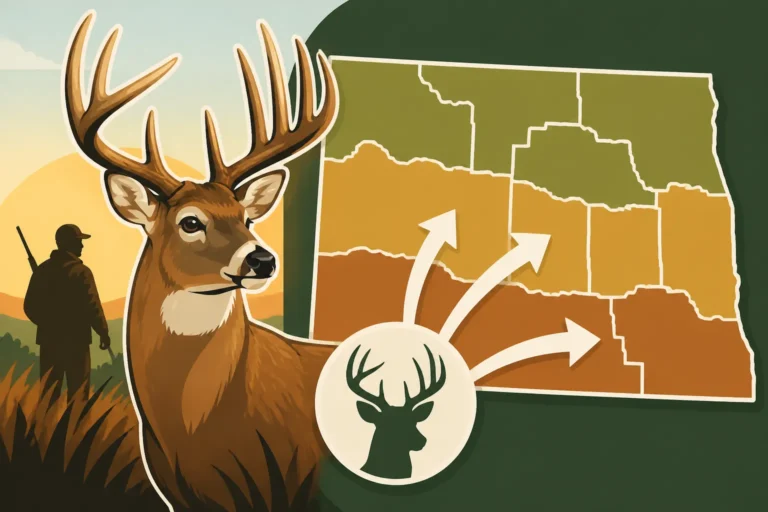
North Dakota is carved into distinct turkey management units, and the license numbers for each unit reflect local turkey populations and habitat quality. Some units, particularly those with a mix of timber, river bottoms, and agricultural fields, consistently have higher turkey densities and, consequently, more available tags. Areas like the Missouri River corridor or the Turtle Mountains, with their extensive hardwood forests, can be prime spots. Other units might be more sparsely populated, leading to fewer tags, but potentially less hunter pressure if you do draw.
When considering where to apply, it's not just about the number of tags; it's about the quality of the hunting experience you're seeking. A unit with fewer tags might be harder to draw, but it could offer a more secluded hunt. Conversely, units with many tags, while easier to acquire, might see more hunters, especially on public lands. Tools like GoHunt can sometimes overlay public land data with unit boundaries, giving you a clearer picture of available access within a unit. This insight can be invaluable for planning your hunt and maximizing your success, especially when you start thinking about strategies like Calling a Fall Gobbler Flock or Roosting a Fall Gobbler the Night Before.
Strategy Beyond Just the Numbers
Securing a fall turkey tag is a great first step, but the real work begins when you hit the field. The number of licenses in a unit doesn't guarantee success; it simply grants the opportunity. Fall turkey hunting often involves scouting vast areas to locate flocks, which can be widely dispersed after the spring breeding season. Understanding prime fall turkey habitat, such as grain fields, timbered creek bottoms, and shelterbelts, is key. Even in units with high license numbers and strong North Dakota Fall Turkey Harvest Numbers, locating birds can be a challenge.
The weather can also play a significant role. Early fall hunts might be warm, requiring different tactics than late-season hunts after a snow. Hunter pressure, especially on popular North Dakota Wildlife Management Areas, can also influence bird behavior, making them warier. So, while knowing the license numbers helps you get your foot in the door, a successful fall turkey hunt in North Dakota ultimately comes down to diligent scouting, adaptable calling techniques, and a good understanding of turkey behavior in the autumn months.
Maximizing Your Chances for a North Dakota Fall Turkey Tag
With all this information, you're probably wondering how to best position yourself to get one of those coveted fall turkey tags. It boils down to being prepared, being proactive, and understanding all the avenues available to you.
Application Tips and Best Practices
The most important tip for applying for any North Dakota lottery-based license, including fall turkey, is to mark your calendar with the application deadlines. Seriously, set multiple reminders! These dates are firm, and late applications are rarely, if ever, accepted. The NDGFD website is your go-to source for the exact dates each year. While GoHunt can help you track these deadlines and provide insights into draw odds, it's always best to cross-reference with the official state sources.
When you apply, consider your preferred hunting unit carefully. Look at the historical success rates and license availability in that unit, not just the overall state numbers. If you're willing to hunt less popular units, your odds of drawing a tag generally increase. Always double-check all your information before submitting your application to avoid any errors that could lead to disqualification. Think of it like applying for the North Dakota's Lottery-Based Deer Gun Season; precision and attention to detail are paramount.
Alternative Opportunities and Second Chances
Even if you miss the initial lottery or don't draw a tag in your preferred unit, don't despair! North Dakota often has provisions for "leftover" or "bonus" tags, especially for fall turkey. These tags are typically sold on a first-come, first-served basis after the initial lottery results are announced. This can be a fantastic second chance for hunters, including nonresidents, to get a tag. Keep an eye on NDGFD announcements for when and how these surplus tags will be made available.
Additionally, as mentioned earlier, exploring opportunities outside the state's main lottery can be very fruitful. Hunting the Standing Rock Fall Turkey Option is a prime example of an independent tribal hunting opportunity that operates under its own rules and might have different availability, often providing an excellent fall turkey hunting experience. Remember, securing a fall turkey tag in North Dakota is achievable with a bit of research and strategic planning, making for a fantastic addition to your autumn hunting calendar.
Disclaimer
The information provided in this guide is for general informational purposes only and is subject to change. Hunting regulations, license numbers, and season dates are set by the North Dakota Game and Fish Department and tribal wildlife authorities and can vary year to year. Always consult the official North Dakota Game and Fish Department website and relevant tribal resources for the most current and accurate regulations before planning any hunting trip.