North Dakota Fox Squirrel Range Limits
Trying to figure out where North Dakota's wily fox squirrels hang out can feel like a real puzzle. While they're certainly found across parts of the state, they aren't everywhere, and knowing their preferred range is key to a successful outing. This guide is all about pinpointing those specific areas where you're most likely to find robust populations of fox squirrels, offering insights into their habitat preferences and how these translate into real-world hunting opportunities.
Understanding North Dakota's Fox Squirrel Habitat Needs
Before we even talk about specific locations, it’s crucial to understand what makes a place appealing to a fox squirrel. These aren't just random critters; they have specific needs that dictate their presence, and if you know what to look for, you're already halfway to finding them.
Ideal Habitat Components
Fox squirrels thrive in environments that offer a mix of mature hardwood forests, particularly those found along river bottoms and creek drainages. Unlike their smaller gray squirrel cousins, fox squirrels generally prefer more open, mature timber with less dense undergrowth, allowing them to spot predators and move more freely. Think of those beautiful, established shelterbelts and woodlots that line old farmsteads or larger river systems. These areas provide the perfect blend of tall trees for climbing and foraging, along with the ground cover they need for quick dashes and burrows.
Agricultural edges are also huge draws. Fields of corn, soybeans, and sunflowers provide an abundant and readily accessible food source, especially as crops mature in late summer and fall. You'll often see them scampering along the edges, making quick forays into the fields for a meal before retreating to the safety of the nearest tree line. A mature tree in a productive agricultural landscape is often a fox squirrel magnet.
The Role of Food and Water
It might seem obvious, but food and water are absolute necessities, and their presence directly impacts fox squirrel populations. These omnivores have a varied diet, but they are particularly fond of hard mast crops like acorns and walnuts. While North Dakota isn't exactly famous for expansive oak forests, the trees we do have, particularly along the eastern river systems, are vital. Maple, ash, and elm seeds, as well as buds and even insects, supplement their diet.
The proximity to water, especially during drier periods, also plays a significant role. River and creek bottoms naturally offer more consistent moisture and often support a richer diversity of vegetation, including those critical mast-producing trees. This is why you'll find them concentrated in riparian zones. When you're scouting, look for those natural food plots – groves of mature trees capable of producing nuts and seeds, especially those bordering croplands. And don't forget, a good hunting app like GoHunt can help you identify these specific habitat types by overlaying different map layers, showing tree cover and water sources.
Shelter and Den Sites
Fox squirrels rely heavily on mature trees not just for food, but for shelter and denning. They create two main types of homes: leaf nests and den cavities. Leaf nests are exactly what they sound like – large, messy balls of leaves and twigs built high in tree branches. These are often used for temporary resting spots, especially during warmer months, or as secondary homes. However, for true protection from harsh North Dakota winters and predators, den cavities are paramount. These are typically natural hollows in tree trunks or limbs, often created by old wounds, broken branches, or woodpecker activity.
The availability of these den trees is a limiting factor in many areas. Younger, less mature forests or those dominated by certain species that don't readily form cavities will support fewer squirrels. When you're assessing a potential hunting spot, look for older, gnarly trees with visible holes or large, bushy leaf nests, indicating active squirrel use. Their reliance on these structures also means that areas with a history of logging or extensive land clearing might have fewer suitable homes, pushing populations to more protected or overlooked areas.
Geographic Distribution Across North Dakota
North Dakota isn't a uniform landscape, and neither is its fox squirrel distribution. Knowing which regions are squirrel strongholds and which are more sparse can save you a lot of time and legwork.
River Corridors and Eastern Woodlots
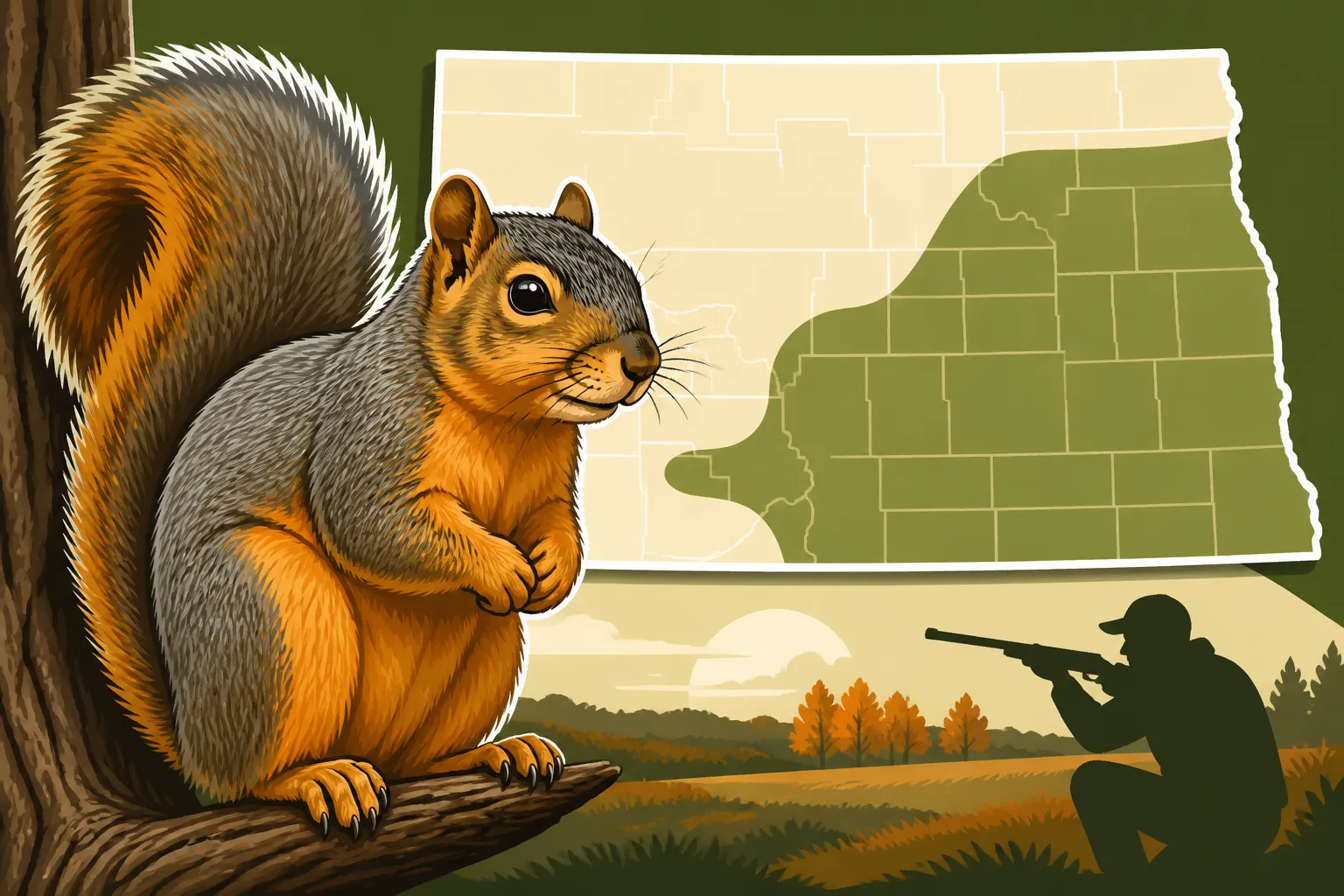
Without a doubt, the most reliable places to find fox squirrels in North Dakota are along the major river corridors and within the more wooded eastern regions. The Red River Valley, stretching along the eastern border, might be known for its flat agricultural fields, but its river bottom and associated tributaries boast some of the oldest and densest stands of hardwood timber in the state. These areas are veritable fox squirrel paradises, offering everything from mature oak and maple to abundant agricultural food sources on the surrounding plains.
Similarly, the Missouri River Corridor, particularly downstream from the Garrison Dam through Bismarck and Mandan, and further south towards the South Dakota border, is another prime location. Here, you'll find expansive timbered bottoms and bluffs, especially where the river meanders, creating oxbows and islands with mature trees. The James River Basin in the east-central part of the state, while perhaps less dramatic than the Missouri, also provides critical riparian habitat with established woodlots that support healthy squirrel numbers. These river systems, with their consistent water and older timber, act as natural highways and homes for generations of fox squirrels. When you're looking at maps, these green ribbons of trees along blue lines are your best bets.
Western and Central North Dakota Pockets
As you move further west and into the central part of North Dakota, the landscape generally becomes more open prairie, and expansive forests give way to more fragmented pockets of trees. However, fox squirrels are adaptable, and you can still find them in these areas, albeit in more isolated populations. Look for them in:
- Shelterbelts and Tree Rows: These man-made plantings, often found around farmsteads and field edges, provide crucial cover, den sites, and food. While they might not be as vast as river bottom timber, they are incredibly important refuges. Hunting a Shelterbelt Edge for Deer can also apply to finding squirrel activity.
- Creek and Coulee Bottoms: Even small, intermittent creek beds or draws that hold enough moisture to support a string of mature trees can be home to fox squirrels. These often go overlooked, but they can be surprisingly productive.
- Small Towns and Urban Areas: Believe it or not, well-treed neighborhoods, city parks, and even cemeteries can harbor healthy populations of fox squirrels. While hunting regulations will almost certainly prohibit discharge of firearms in such areas, it's a testament to their adaptability and presence outside purely wild environments.
These pockets require more specific scouting and knowledge of local terrain, but they can offer excellent opportunities, especially if you're willing to explore beyond the obvious. Utilizing a good mapping system like GoHunt to identify treed areas, even small ones, can be incredibly helpful.
Badlands and Prairie Limitations
The vast, rugged landscapes of the North Dakota Badlands and the expansive open prairie generally represent the extreme western and more arid limits of the fox squirrel's range. While you might find a lone squirrel or two near a very specific, isolated spring-fed timber patch in a deep coulee, or around an old ranch house with mature trees, these sightings are much rarer.
The primary reason for this limited presence is the scarcity of their preferred habitat: large, mature hardwood trees. The Badlands are dominated by juniper, ponderosa pine, and scattered deciduous species like cottonwood, which tend to be more sparse and less consistently mast-producing. The open prairie, by definition, lacks the extensive tree cover fox squirrels require for foraging, nesting, and escape from predators. While they are present, their numbers are significantly lower, and finding them becomes a game of extreme patience and specific local knowledge, often revolving around the few isolated water sources and associated timber. For more traditional squirrel hunting, it's generally best to stick to the river systems and eastern woodlots.
To help visualize this, here's a general overview of fox squirrel prevalence by region:
| North Dakota Region | Fox Squirrel Prevalence | Key Habitat Types | Hunting Opportunity |
|---|---|---|---|
| Red River Valley | High | Mature hardwood river bottoms, agricultural edges | Excellent |
| Missouri River Corridor | High | Extensive river bottom timber, bluffs, oxbows | Excellent |
| James River Basin | Moderate to High | Riparian timber, established woodlots, agricultural interfaces | Good |
| Central Prairie | Moderate | Shelterbelts, creek bottoms, farmstead woodlots | Fair to Good |
| Western Prairie | Low to Moderate | Sparse shelterbelts, isolated creek drainages | Limited |
| Badlands | Very Low | Extremely isolated timber patches near water sources | Very Limited |
| Turtle Mountains | Moderate to High | Hardwood forests, mixed woodlands, small lakes | Good |
Identifying Prime Fox Squirrel Hunting Spots
So, you've got a general idea of where to look. Now, how do you zoom in on the specific spots that are actually holding squirrels? This is where good scouting and smart use of resources come into play.
Scouting for Sign
Finding fox squirrels isn't just about seeing them; it's about seeing the evidence they leave behind. Think like a detective. Look for their "kitchen scraps." Piles of chewed nut shells (acorns, walnuts, corn cobs) at the base of trees are clear indicators that squirrels are actively feeding in the area. The size and freshness of the chew marks can even tell you if it's recent activity.
Another key sign is the presence of leaf nests. While not every leaf nest is active, multiple nests in a single tree or cluster of trees, especially if they look relatively fresh (not totally weathered and falling apart), suggest a resident population. Early in the morning, or late in the afternoon, pay attention to any rustling in the leaves or sounds of claws on bark. Squirrels are often most active during these cooler periods. If you hear a "barking" sound, you're definitely close! For a deeper dive into scouting techniques, consider resources like Scouting PLOTS Land Before Season which, while focused on deer, offers transferable skills for observing game activity.
Utilizing Maps and Aerial Imagery
In today's hunting world, digital maps are invaluable. Services like GoHunt or other mapping apps allow you to zoom in on satellite imagery to identify treed areas that might not be obvious from a road. Look for fingers of timber extending into fields, isolated groves, or dense stands along water features. Pay attention to the types of trees you can discern from the aerial view – mature, deciduous trees are always a plus.
You can use these maps to identify potential access points, property lines, and terrain features that funnel game. For example, a narrow strip of timber connecting two larger woodlots could be a natural travel corridor for squirrels. Cross-referencing these visual cues with public land boundaries, such as those found on onX Layers for North Dakota Land Status, can help you plan your approach and ensure you're hunting legally. These tools are incredibly powerful for shrinking down large areas into manageable, promising sections.
Best Times and Conditions
Timing is everything when it comes to squirrel hunting. While they're active year-round, certain conditions make them more visible and predictable. Early fall, after the leaves have started to drop but before heavy snow, is often prime time. The squirrels are actively foraging and stashing food for winter, making them highly visible. Cooler, crisp mornings after a night of light rain can be particularly good, as the damp leaves make for quieter stalking.
Avoid hunting on extremely windy days, as squirrels tend to stay hunkered down, and the rustling leaves make it hard to hear their movements. Similarly, mid-day during hot summer months often sees them less active, preferring to rest in their dens. Understanding Hunting Into a December Cold Snap strategies for deer can also provide insights into how all small game, including squirrels, adjust their movements during colder periods, focusing on food sources and protection from the elements.
Hunting Fox Squirrels in North Dakota
Once you've found a promising spot, it's time to talk tactics. Fox squirrels offer a fun, challenging hunt that doesn't require a ton of specialized gear, making it a great entry point for new hunters or a relaxed outing for veterans.
Common Hunting Methods
There are a few classic ways to hunt fox squirrels, each with its own appeal:
- Still-Hunting: This is perhaps the most popular and effective method. It involves moving slowly and deliberately through squirrel habitat, stopping frequently (often for 5-10 minutes at a time) to scan the trees and ground for movement. Patience is key here. After a few minutes of stillness, squirrels that had frozen at your approach might start to move again. This method works well in almost any wooded area.
- Stalking: Similar to still-hunting but often more focused on actively pursuing a squirrel you've spotted. Once you see one, try to get into a position for a clean shot using cover and stealth. If the squirrel sees you and bolts, sometimes sitting still for a while will allow it to reappear, thinking the danger has passed.
- Ambush/Sit-and-Wait: Find a good vantage point overlooking an area with abundant squirrel activity, like a cluster of nut-producing trees or a field edge. Settle in quietly and wait for the squirrels to come to you. This is a great strategy if you've done your scouting and know where they're feeding.
- Hunting with Dogs: For those who enjoy working with a canine companion, a well-trained squirrel dog can be incredibly effective. These dogs locate squirrels, "tree" them, and then bark to alert the hunter to the squirrel's location. This can be an exciting, fast-paced way to hunt and is particularly good for finding squirrels that are trying to hide.
Essential Gear and Tactics
You don't need an arsenal, but a few key items will make your squirrel hunt more enjoyable and successful:
- Firearm: A .22 rifle is a classic choice, offering precision and quiet operation, perfect for headshots that preserve meat. Shotguns (like a .410 or 20-gauge with small shot, e.g., #6) are also popular, especially if you're targeting squirrels in thick canopy or prefer a slightly larger margin of error. Ensure you understand Which Rifle Calibers North Dakota Allows for Deer for other hunting contexts, but for squirrels, a .22 is hard to beat.
- Optics: Good binoculars (8x or 10x) are invaluable for spotting squirrels high in trees or those trying to hide. A scope on your .22 rifle will also greatly improve accuracy.
- Camouflage/Earth Tones: While not always strictly necessary, blending in with your surroundings helps. A simple hat and jacket in earth tones or camo can make a difference.
- Patience: This cannot be overstated. Squirrel hunting is often a game of waiting and observing.
- Quiet Footwear: Soft-soled boots or shoes help you move silently through the woods.
Tactically, always try to position yourself for an ethical shot. Wait for the squirrel to be still, and ideally, aim for the head or vitals. If a squirrel is circling a tree to avoid you, sometimes sending a partner to the other side of the tree can make it pause or present a shot.
Public vs. Private Land Access
North Dakota offers opportunities on both public and private lands for squirrel hunting. The PLOTS (Private Land Open To Sportsmen) program is a fantastic resource, providing access to private land for various hunting activities. You can often find smaller woodlots and shelterbelts enrolled in PLOTS, which are perfect for squirrels. Check the annual PLOTS guide or use the Scouting PLOTS Land With the ND Hunt App to find available parcels. Remember to always respect the land and follow all PLOTS rules, which are usually posted at the site.
For private land not enrolled in PLOTS, you'll need to obtain permission from the landowner. Don't be shy about Knocking on Doors in North Dakota Farm Country. Many landowners are happy to grant access for squirrel hunting, especially if you're polite, respectful, and ask well in advance. Explain what you're doing, offer to share some of your harvest, and always leave the property better than you found it. Finding Hunting Small Private Tracts in North Dakota can often yield some of the best squirrel hunting, as these areas often see less pressure.
Disclaimer
This article is for general informational purposes only and does not constitute professional advice. Laws, prices and regulations vary by location and change over time. Consult a qualified professional for guidance on your specific situation.