North Dakota Elk Damage to Farm Country
It's incredibly frustrating for North Dakota landowners and farmers when beautiful wildlife, like the majestic elk, turns into a costly nuisance. Dealing with trampled crops, broken fences, and consumed hay bales can feel like a direct hit to your livelihood, especially when you've put so much hard work into your land. This guide aims to shed light on the complex issue of elk damage to agricultural areas in North Dakota, exploring why it happens, where it's most prevalent, and what strategies exist to mitigate these unwelcome impacts.
The Reality of Elk in North Dakota's Farm Country
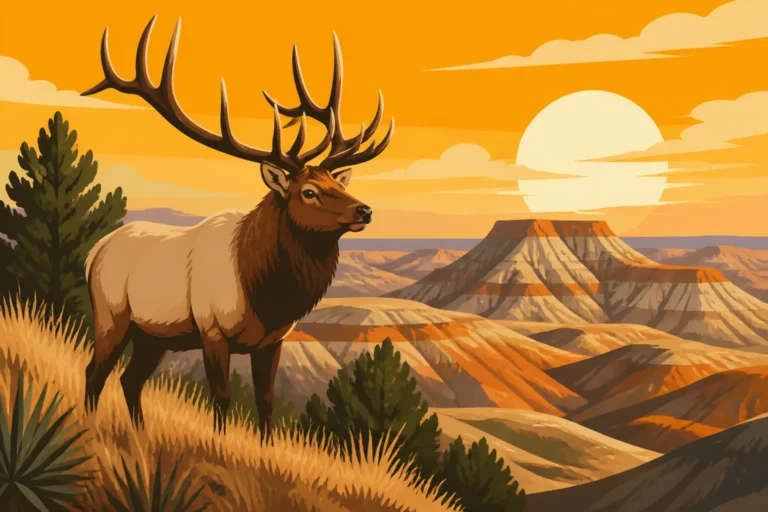
North Dakota might not be the first place that comes to mind when you think of elk, but these magnificent animals have made a remarkable comeback, particularly in the western Badlands. While their presence is a testament to successful conservation efforts and certainly a sight to behold, it also brings unique challenges, especially as their populations expand and overlap with agricultural operations. It's a delicate balance trying to appreciate these animals while protecting your investment and hard work on the land.
Where Elk and Agriculture Collide
The primary elk stronghold in North Dakota lies within the rugged, broken terrain of the Little Missouri Badlands. This area, characterized by its dramatic buttes, deep coulees, and river bottoms, provides excellent habitat for elk. However, as the herds grow and seek out new forage and less pressured areas, they naturally start to move into the adjacent landscape, which often means cultivated fields and hay meadows. The riparian corridors along the Little Missouri River, for instance, act like natural highways, allowing elk to travel considerable distances and often bringing them right to the edge of, or directly into, farm country. It's a slow creep, almost imperceptible year to year, until suddenly, you're seeing more animals than ever before where you used to only see deer.
These movements are often seasonal, with elk using the Badlands for cover and calving, then venturing out into more open country during certain times of the year, especially when food sources are scarce or hard to access in their core range. This expansion means that folks living and farming in counties like McKenzie, Billings, and Golden Valley, which border the Badlands, are increasingly encountering elk in places they historically haven't. It's not just a few stragglers either; sometimes, entire small herds will make their way into prime agricultural real estate, and that’s when the real problems begin.
The Types of Damage Elk Inflict
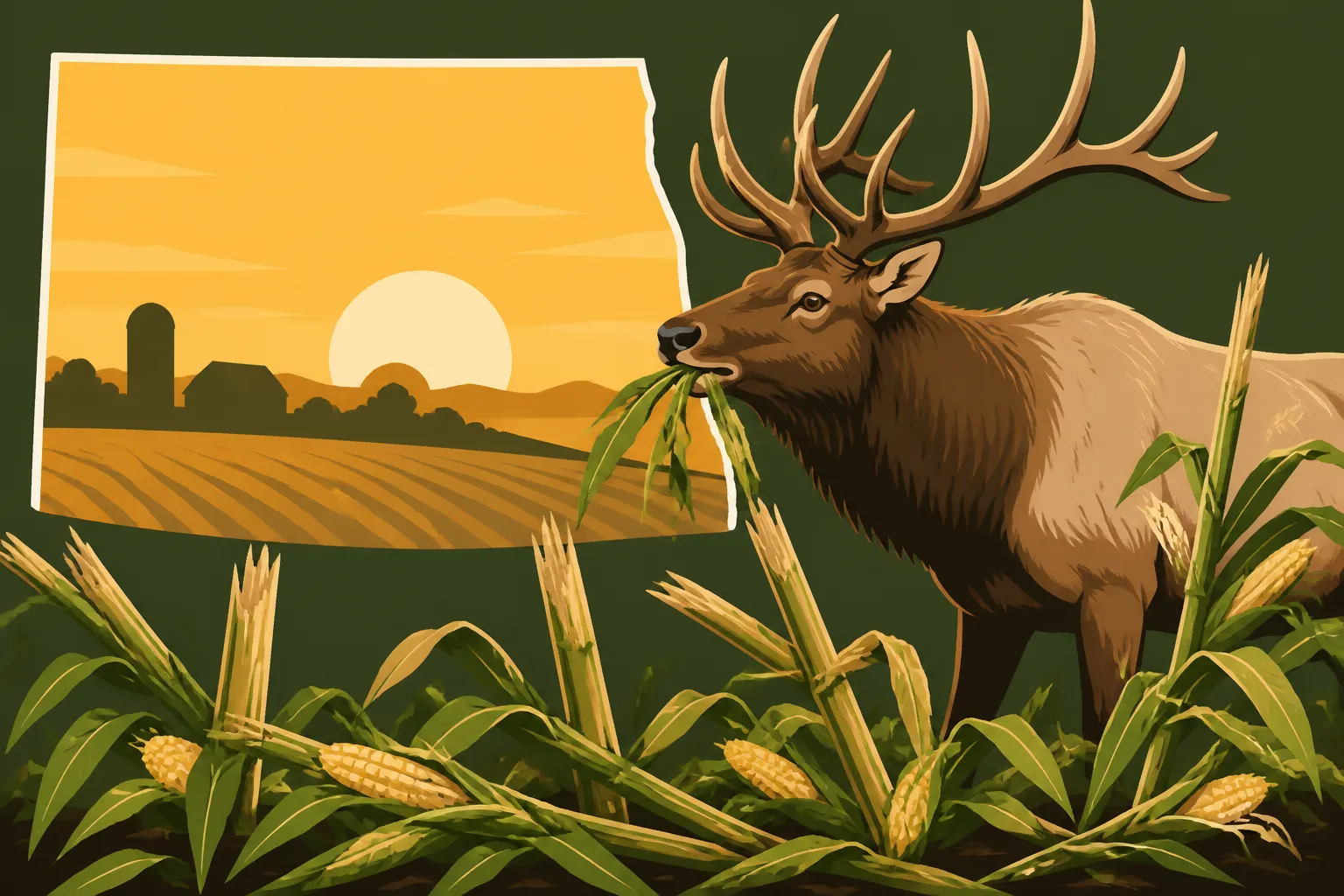
When elk move into agricultural areas, they aren't just passing through; they're looking for food and shelter, and their large size and voracious appetites can lead to significant destruction. One of the most common complaints revolves around crop depredation. Elk are highly attracted to palatable crops like corn, sunflowers, and alfalfa. They'll browse heavily on standing crops, consuming large quantities and trampling even more, rendering substantial portions of a field unsalvageable. Imagine watching a year's worth of effort disappear into the stomachs and under the hooves of a herd of elk – it's soul-crushing.
Beyond crops, fence damage is another huge headache. A 700-pound elk isn't going to be deterred by a simple barbed-wire fence if it's determined to get to the greener grass on the other side. They'll push through, break wires, snap posts, and leave behind a costly repair job. This isn't just an expense; it can also be a safety hazard for livestock or lead to further issues if your own animals get out. Stored hay bales are also prime targets, especially in winter. Elk will tear into haystacks, consuming feed meant for cattle and often scattering much more than they eat, which then gets wasted. It’s a direct financial hit for ranchers trying to get their livestock through the winter.
Why Elk Venture into Farmland
Understanding why elk are increasingly found in farm country is crucial for developing effective management strategies. It’s not necessarily that they prefer human-dominated landscapes, but rather that these areas often offer irresistible resources, especially when natural alternatives are less abundant or harder to reach. The prairie is tough, and elk are opportunists.
Food Sources and Nutritional Needs
Simply put, agricultural crops are often a five-star buffet for elk. Standing corn, for instance, provides not only high-energy kernels but also excellent cover, making it a tempting proposition for a herd looking for both sustenance and security. Alfalfa fields offer lush, nutrient-rich forage, a stark contrast to the drier, sparser native grasses during certain times of the year. During the late summer and fall, when many natural food sources are drying up or have been heavily browsed, a green, irrigated field or a mature cornfield stands out as an incredibly attractive feeding ground.
Elk, especially cows with calves, have high nutritional demands, and agricultural lands can provide that caloric punch much more easily than foraging exclusively in the Badlands. It's an energy-efficiency calculation for them: why expend more energy searching for lower-quality forage when a ready-made meal is just a short trek away? These easily accessible, high-calorie food sources draw them in, and once they discover a reliable spot, they're likely to return again and again.
Habitat Connectivity and Expansion
The North Dakota Game and Fish Department (NDGFD) has done a phenomenal job helping restore Elk in North Dakota's Little Missouri Badlands. As the North Dakota Elk Herd Population Estimate has grown, so too has the need for available habitat. Elk are constantly exploring and expanding their range, especially younger animals looking for new territories. The river bottoms and tree lines that crisscross the prairie act as critical corridors, providing cover and water, allowing elk to move safely between otherwise open areas. These natural pathways often lead directly to or through private agricultural land.
Think of it like a natural funnel. Elk follow a creek bed out of the Badlands, thinking they're still in suitable cover, and suddenly they're staring at a field of corn. Once they've made that journey and found a safe haven, it can become part of their regular circuit. This is particularly true during periods of increased pressure, such as hunting season in their core Badlands habitat, which might push them into adjacent, less-disturbed agricultural parcels. The challenge is that once they learn a path and find consistent resources, it’s hard to un-teach them.
Winter Survival Strategies
North Dakota winters are notoriously brutal, and severe weather can significantly impact elk movements and their reliance on agricultural lands. Deep snow can cover natural forage in the Badlands, making it difficult for elk to dig down to grasses and forbs. When natural food sources become scarce and energy demands are highest, hay bales, silage piles, and crop residues left in fields become life-saving resources. A standing cornfield, even after harvest, will provide gleanings that can sustain elk through tough periods.
This often leads to increased depredation on stored feeds or lingering crop damage during the coldest months. While it's tempting to want to help wildlife survive, the economic burden on landowners can be immense. The NDGFD continually monitors these winter impacts, recognizing that population health and landowner tolerance are intertwined. This pressure on winter food sources is a major driver behind many of the conflicts seen between elk and farmers in the state. You can learn more about how the season is structured to manage populations in articles like North Dakota's 1,062-License Elk Season.
Strategies for Managing Elk Damage
Addressing elk damage effectively requires a multi-faceted approach, often combining hunting, non-lethal deterrents, and collaborative efforts between landowners and wildlife agencies. There's no single magic bullet, but a combination of these tactics can help reduce conflicts and protect agricultural interests.
Hunting as a Management Tool
One of the most direct and effective ways to manage elk populations and reduce damage is through regulated hunting. The North Dakota Game and Fish Department issues a limited number of elk tags each year, often targeting specific units where elk numbers are higher or where significant depredation is occurring. These hunts serve not only to control the population but also to disperse elk, making them warier of agricultural areas. Sometimes, the hunting season includes periods specifically designed to reduce numbers in problem spots, such as Hunting the Early Antlerless Elk Period.
Beyond general season hunts, the NDGFD also has provisions for depredation permits. These special permits are issued directly to landowners experiencing chronic or severe damage, allowing them to remove problem animals outside of the regular season. While nobody wants to kill an animal unnecessarily, these permits are a critical tool when all other deterrents have failed and financial losses are mounting. The goal is always to minimize the impact on both the elk herd and the landowner's livelihood. When planning your hunting strategy, tools like GoHunt can be invaluable for understanding unit boundaries, habitat types, and historical elk movements, which can indirectly help landowners anticipate where elk might be moving from, or where hunters might need to focus.
Non-Lethal Deterrents and Habitat Modification
While hunting is vital, it's not the only answer. Many landowners seek non-lethal methods to protect their crops and property. Fencing, particularly electric fencing, can be an effective deterrent for elk, although the cost and maintenance can be substantial due to the elk's size and determination. Propane cannons, flashing lights, or even guard dogs can be used for hazing, attempting to scare elk away from vulnerable areas. However, elk are intelligent animals and can quickly habituate to these methods if they're not varied or consistently applied.
Habitat modification around agricultural fields can also play a role. This might involve removing dense cover that elk use to approach fields undetected, or planting less palatable crops on the edges of fields to create a buffer zone. Sometimes, it's about understanding and anticipating elk movements. If you know Where the Badlands Elk Herd Came From and where they are likely to travel, you can proactively make your property less inviting. It’s about making your fields less convenient and less safe for them.
Working with Game and Fish and Landowners
The relationship between landowners and the North Dakota Game and Fish Department is paramount when dealing with elk damage. The NDGFD is typically the first point of contact for reporting damage and exploring mitigation options. They have biologists and wardens who can assess the situation, verify damage, and discuss available programs or permits. Open communication is key; the sooner damage is reported, the sooner solutions can be explored.
Furthermore, collaboration among neighboring landowners can be incredibly powerful. If multiple properties are experiencing similar issues, a coordinated effort can be more effective than individual attempts. This might involve pooling resources for fencing, coordinating hazing efforts, or collectively working with the NDGFD to address a regional elk issue. Landowners are often the eyes and ears on the ground, and their observations are invaluable to wildlife managers. You can often find information on programs related to North Dakota Deer Damage Permits for Farmers by contacting your local Game and Fish office.
Compensation and Reporting Elk Damage
When significant elk damage occurs, landowners are often left wondering about their options for financial relief. It's a tough spot to be in, seeing your investment literally walked all over, and it's only natural to seek some form of compensation for the losses incurred. While direct reimbursement programs can sometimes be complex, understanding the process is crucial.
Understanding Damage Reimbursement Programs
The North Dakota Game and Fish Department may have programs in place to assist landowners with wildlife damage, including that caused by elk. These programs are designed to help offset the financial burden of crop loss, fence repair, or other property damage. However, it's important to understand that such programs typically have specific criteria and limitations. They might cover a certain percentage of documented loss, or provide funds for prevention measures like specialized fencing. It’s rarely a full reimbursement, but rather assistance to help alleviate the burden.
These programs are not always static; they can change based on funding availability, the severity of damage reported across the state, and legislative priorities. Therefore, staying in contact with the NDGFD is vital for understanding what assistance is currently available. Remember, the department is trying to balance wildlife conservation with landowner concerns, and these programs are one way they try to achieve that equilibrium.
The Importance of Documentation
If you are experiencing elk damage and considering seeking assistance or compensation, thorough documentation is absolutely critical. This isn't just a suggestion; it's often a requirement for any claim or aid program. Start immediately:
- Photographs and Video: Take clear, timestamped photos and videos of the damage. Capture the elk themselves if possible, but focus on the destruction they've caused—trampled crops, broken fences, scattered hay. Show the scale of the damage.
- Detailed Records: Keep meticulous notes of the dates and times you observe elk on your property, the types of damage observed, and an estimate of the affected acreage or items.
- Witness Accounts: If neighbors or employees witnessed the damage or the elk activity, document their observations as well.
- Estimated Losses: Work with agricultural experts or extension agents if necessary to accurately estimate the financial loss from damaged crops or property. This can involve calculating potential yield loss or repair costs.
Without proper documentation, it becomes incredibly challenging for the NDGFD to verify the damage and process any potential assistance. Think of it like building a case; the more evidence you have, the stronger your position. Don't wait until the end of the season to start documenting; begin as soon as you notice the problem. You might find resources to help you with documentation by contacting the Game and Fish Department directly or consulting online tools like GoHunt, which often compile official information for hunters and landowners alike regarding species management.
| Type of Elk Damage | Common Impact on Farm Country | Potential Mitigation Strategy |
|---|---|---|
| Crop Depredation | Significant loss of yield in corn, alfalfa, sunflower fields | Hunting permits, electric fencing, hazing, buffer crops |
| Fence Destruction | Broken wires, snapped posts, livestock escape risk | Stronger fencing (e.g., woven wire, electric), regular patrols |
| Hay Bale Consumption | Direct loss of winter feed for livestock, scattering of hay | Secure storage, fencing around haystacks, depredation permits |
| Trampled Fields | Reduced crop viability, soil compaction, difficulty with harvest | Hazing, strategic planting, managed access roads |
| Property Damage | Damage to irrigation systems, sheds, equipment | Secure equipment storage, robust fencing around critical assets |
Dealing with elk damage is a persistent challenge for many North Dakota landowners. While the sight of a wild elk is truly spectacular, the reality of its impact on a farm can be devastating. By understanding the reasons behind their movements, implementing various deterrents, and working closely with wildlife agencies and fellow landowners, we can strive for a more balanced coexistence between North Dakota's expanding elk herds and its vital agricultural community.
Disclaimer
This article is for general informational purposes only and does not constitute professional advice. Laws, prices and regulations vary by location and change over time. Consult a qualified professional for guidance on your specific situation.