How Elk Returned to the Badlands
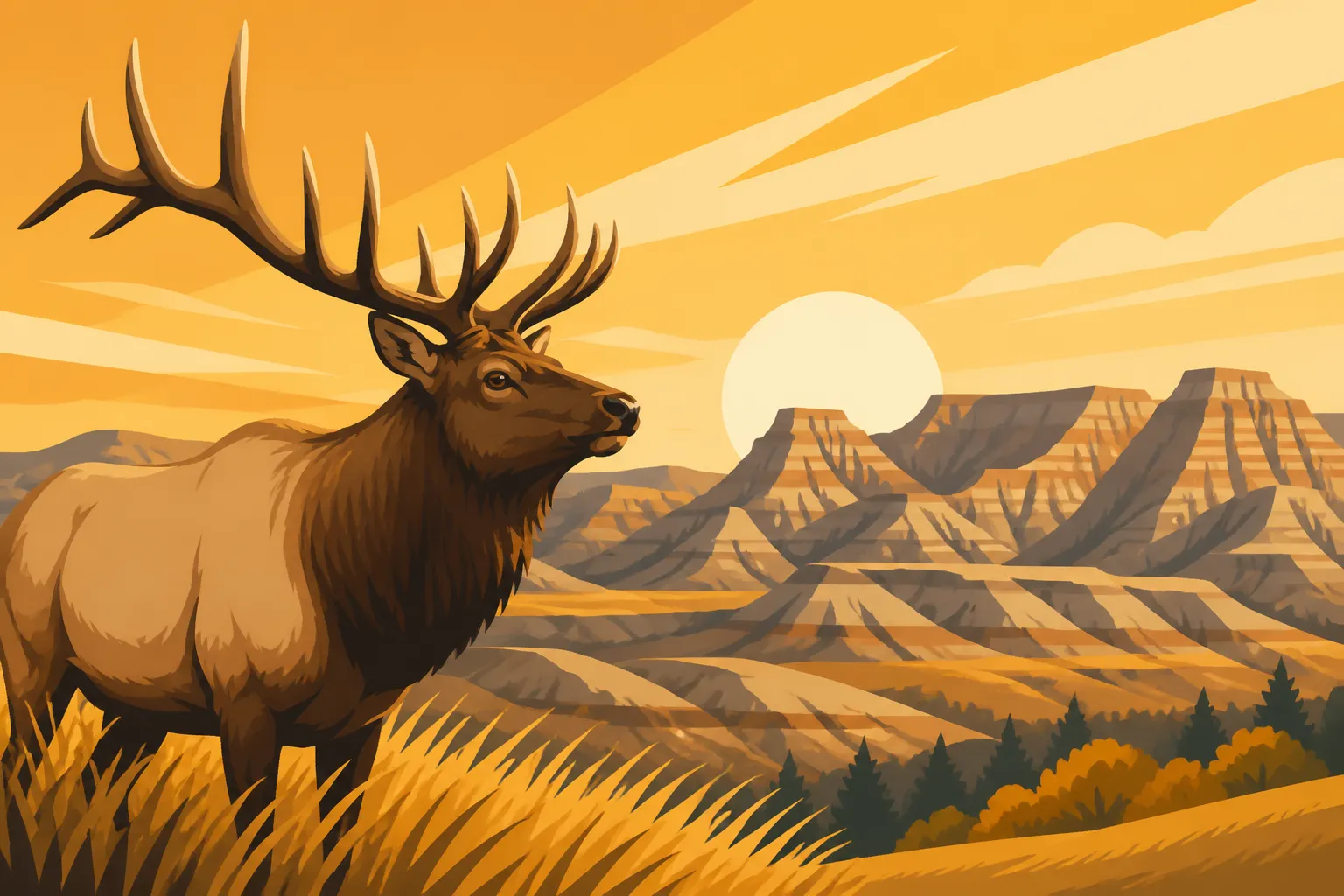
It's hard to imagine North Dakota's rugged Badlands without elk bugling across the coulees, but for a significant period of time, these majestic animals were completely absent from the state. Hunters and wildlife enthusiasts alike often wonder about the journey that brought elk back to their historic ranges here in North Dakota, transforming the landscape and offering unique hunting opportunities. This guide delves deep into the fascinating story of elk extirpation and their triumphant return to the Badlands, exploring the history, the challenges, and the dedicated conservation efforts that made it all possible.
The Echoes of a Vanished Herd: Elk Before Reintroduction
Before European settlement dramatically altered the landscape and wildlife populations, elk were a common sight across much of North Dakota. They roamed the prairies, timbered river bottoms, and the rugged Badlands, playing a vital role in the ecosystem. However, a combination of factors led to their complete disappearance from the state by the early 20th century. Understanding this historical absence is crucial to appreciating the magnitude of their return.
Pre-Settlement Abundance and Range
Imagine a North Dakota teeming with wildlife, much like the Yellowstone of today, but on a grander scale across vast open prairies and broken terrain. Historical accounts and archaeological evidence suggest that elk, primarily the Merriam's elk subspecies, once thrived throughout North Dakota. They weren't confined to just the Badlands; rather, they utilized a diverse array of habitats, from the eastern tallgrass prairies to the western shortgrass plains and the riverine woodlands. These were large, migratory animals, following food sources and seasonal patterns, contributing to the health of grasslands through their grazing and browsing. Their presence was deeply intertwined with the Native American tribes who relied on them for sustenance and cultural practices. The sheer numbers were likely staggering, a true testament to the richness of the North American prairie ecosystem.
The Forces Behind Extirpation
The arrival of European settlers brought profound and rapid changes that the elk populations simply couldn't withstand. The primary culprits for their extirpation in North Dakota were unchecked market hunting and significant habitat destruction. As the frontier moved westward, professional hunters targeted elk for their meat and hides, often killing entire herds without regulation. The completion of the transcontinental railroad facilitated the transport of wild game to distant markets, accelerating the slaughter. Simultaneously, agricultural expansion, fencing, and logging fragmented and eliminated critical elk habitat, breaking up their migratory routes and reducing available forage and cover. With no refuges or protective measures in place, the last known wild elk in North Dakota were reportedly killed around 1890, leaving a void in the state's natural heritage that would persist for decades. The silence where once bugles echoed was a stark reminder of human impact.
The First Steps Back: Early Reintroduction Efforts
The idea of bringing elk back to North Dakota began to gain traction in the mid-20th century, a testament to growing conservation awareness. It wasn't an easy task, but dedicated efforts laid the groundwork for the herds we see today. These early attempts, while sometimes fraught with challenges, provided invaluable lessons.
Initial Stocking and Locations
The North Dakota Game and Fish Department (NDGFD), along with local conservation groups, spearheaded the first modern reintroduction efforts. The earliest significant stocking events occurred in the late 1970s and early 1980s. Elk were sourced from places like Theodore Roosevelt National Park within North Dakota and also from herds in other western states, particularly those with robust, healthy populations. These initial releases weren't just random drops; biologists carefully selected release sites based on available habitat, potential for minimal human conflict, and proximity to areas where elk historically thrived. Key locations for these early releases included the Little Missouri National Grassland and various state wildlife management areas within the Badlands region, offering the rugged, broken terrain and diverse forage that elk require. Each release was a careful calculation, hoping to spark a self-sustaining population.
The Learning Curve and Early Challenges
Reintroducing a large, wild animal like the elk is rarely a smooth process. The early efforts faced a steep learning curve and several significant challenges. Some of the reintroduced animals struggled to adapt to new surroundings, occasionally wandering far from release sites or succumbing to disease or poaching. Finding a balance with agricultural interests was also critical; elk are large grazers and can cause crop damage, leading to friction with landowners. The NDGFD had to develop strategies to manage these conflicts, including compensation programs and fencing assistance. Furthermore, understanding the optimal population density and genetic health of the nascent herds required ongoing monitoring and research. These initial years were a period of trial and error, where biologists learned critical lessons about elk behavior, habitat needs, and the importance of public buy-in for long-term success. Without these early, often difficult, steps, the flourishing herds of today wouldn't exist.
The Recipe for Success: Key Factors in Elk Population Growth
The successful return and expansion of North Dakota's elk herds weren't a matter of luck but rather a result of several critical factors working in concert. From abundant, suitable habitat to effective management, each piece played a vital role in their resurgence.
Prime Habitat and Forage Availability
One of the most significant reasons for the elk's successful comeback is the extensive amount of suitable habitat available in the North Dakota Badlands and surrounding areas. The Little Missouri National Grassland, administered by the U.S. Forest Service, offers vast tracts of public land with a mosaic of rolling prairies, deep coulees, and scattered timber pockets. This diverse landscape provides everything an elk needs: nutritious grasses and forbs for grazing, ample browse from shrubs and young trees, thermal cover in dense timber and draws to escape summer heat and winter cold, and reliable water sources. The sheer size and wild nature of this habitat minimize human disturbance, allowing elk to thrive relatively unmolested. This expansive, high-quality habitat is the foundation upon which the entire reintroduction success story is built, offering both sanctuary and sustenance for growing herds.
Limited Predation and Disease Management
Compared to some other western states, North Dakota's Badlands present a relatively low predation risk for adult elk. While coyotes and occasional mountain lion sightings do occur, they generally don't exert the same population-level pressure on elk as large carnivores like wolves and grizzlies do in places like Yellowstone or Montana. This reduced predation allows more calves to survive to adulthood and contributes to higher overall population growth. Additionally, the NDGFD has been proactive in managing disease, particularly Chronic Wasting Disease (CWD). While CWD has been detected in some North Dakota units, strict testing protocols, harvest regulations, and public education campaigns aim to monitor and mitigate its spread, ensuring the long-term health of the elk herd. The health and vigor of the elk are paramount, and minimizing disease impacts is a constant, ongoing effort. Hunters can stay informed about CWD status in specific units through the North Dakota's Fourteen-Unit CWD Zone guide.
Adaptive Management Strategies
The North Dakota Game and Fish Department's adaptive management strategies have been instrumental in fostering a healthy and growing elk population. This involves a flexible approach to harvest regulations, adjusting tag numbers and season structures based on population surveys, habitat conditions, and landowner feedback. For example, when populations show strong growth, more antlerless tags might be issued to help control herd size and minimize agricultural conflicts. Conversely, if numbers dip due to severe winters or other factors, tag allocations can be reduced to allow for recovery. The NDGFD also works closely with private landowners, implementing programs to address elk-related issues on private property, which fosters a more positive relationship between wildlife and agriculture. This dynamic, responsive management ensures that the elk population remains sustainable and healthy, while also balancing the needs of various stakeholders. When considering applying for one of the coveted tags, understanding the North Dakota Elk Lottery Application Process is key.
Current Status: Where North Dakota Elk Roam Today
From a handful of reintroduced animals, North Dakota's elk population has grown into a thriving component of the state's wildlife, primarily concentrated in specific regions. Understanding their current numbers and distribution provides context for their successful return.
Population Estimates and Geographic Range
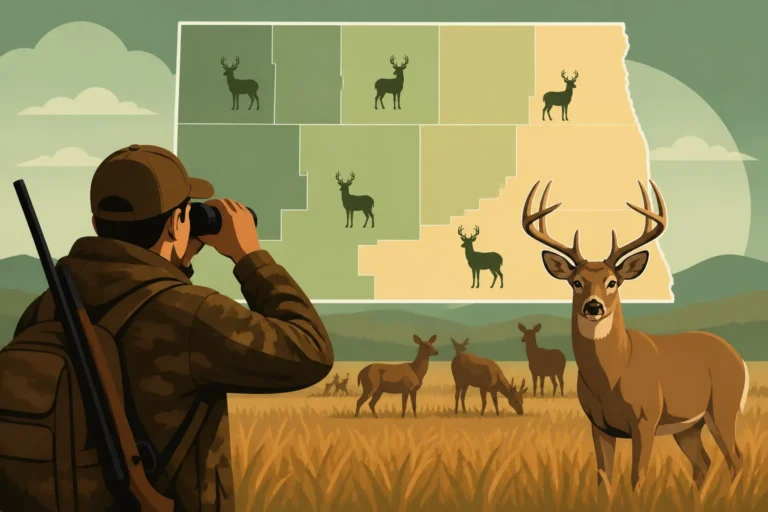
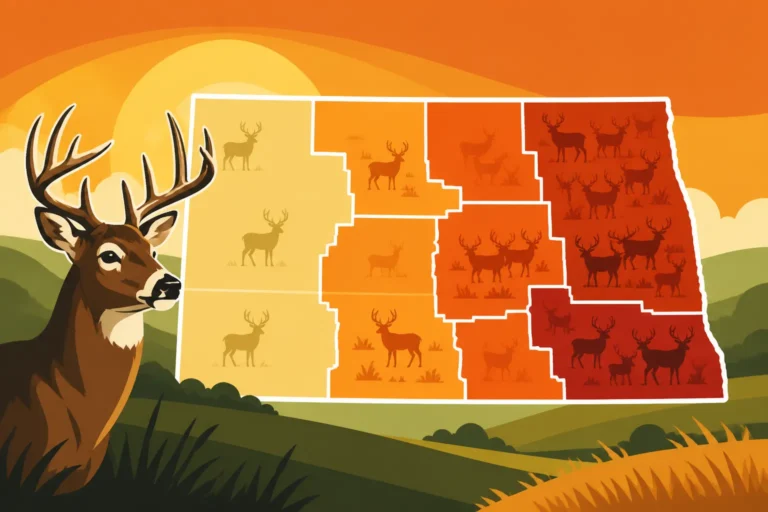
Today, North Dakota's elk population is a remarkable conservation success story. While exact numbers fluctuate annually based on calving success, hunter harvest, and winter severity, the NDGFD estimates the statewide population to be around 2,000-3,000 animals, with localized concentrations. The primary stronghold for elk remains the rugged Little Missouri Badlands in western North Dakota, particularly within McKenzie, Billings, and Golden Valley counties. However, smaller, scattered herds have also established themselves in other areas, including the Pembina Hills region in the northeast and occasionally along the Missouri River breaks. These diverse populations, though sometimes geographically separated, represent the resilience of the species and the success of reintroduction efforts. For those curious about the specific numbers, our guide on How Many Elk Live in the Badlands delves deeper into these estimates.
Herd Health and Management Units
Overall, the health of North Dakota's elk herds is strong. Biologists regularly monitor herd demographics, including calf recruitment and adult survival rates, to ensure genetic viability and population stability. The state is divided into several elk management units, each with specific population objectives and harvest strategies. These units allow the NDGFD to tailor management efforts to local conditions, addressing issues like agricultural depredation in one area while promoting growth in another. For instance, the Badlands units (E1, E2, E3, E4) often see the highest tag allocations due to their robust populations. The goal is to maintain healthy, free-ranging elk herds that provide both ecological benefits and recreational opportunities for hunters. The success of the population is directly tied to the thoughtful segmentation and localized management approaches employed by the state.
The Unsung Heroes: Conservation and Management Efforts
The story of elk in North Dakota is a powerful testament to the impact of dedicated conservation and meticulous wildlife management. It’s a continuous effort that involves scientists, state agencies, and the public.
North Dakota Game and Fish Department's Role
The North Dakota Game and Fish Department (NDGFD) has been the driving force behind the elk's comeback and ongoing management. Their biologists and game wardens conduct aerial surveys to estimate populations, monitor herd health, and track movements. They also analyze harvest data to inform future hunting regulations, ensuring sustainable opportunities. Crucially, the NDGFD administers the limited lottery system for elk tags, a vital tool for managing herd size and distributing hunting pressure. Their commitment extends beyond just hunting; it includes habitat improvement projects, research into elk ecology, and public outreach to educate landowners and the general public about elk. This comprehensive approach ensures the long-term viability of the elk population and the integrity of the ecosystems they inhabit. Anyone interested in applying for these coveted tags will want to read up on North Dakota Elk Lottery Application Process to understand the nuances.
Collaborative Conservation Initiatives
The success of elk reintroduction and management isn't solely a government endeavor; it's a collaborative effort. Partnerships with federal agencies like the U.S. Forest Service, which manages the Little Missouri National Grassland, are essential for habitat conservation on public lands. Private landowners also play a crucial role, often providing critical habitat, especially during harsh winters. Programs like the Private Land Open To Sportsmen (PLOTS) can sometimes include land that benefits elk. Organizations like the Rocky Mountain Elk Foundation (RMEF) have been instrumental, contributing funding and volunteer power for habitat enhancement projects, land acquisitions, and public education. These partnerships amplify the impact of conservation efforts, creating a broader network of support for elk and other wildlife. Using resources like GoHunt can help hunters understand unit boundaries and public land access, crucial for planning a hunt in these managed areas.
Addressing Contemporary Challenges
Even with their success, North Dakota's elk face ongoing challenges that require adaptive management. These include the previously mentioned CWD monitoring and prevention, which remains a top priority. Habitat fragmentation due to energy development and increasing human presence in some areas can also impact elk movement and survival. Balancing the desires of hunters for tags with the need to maintain a healthy herd and mitigate conflicts with landowners is a constant tightrope walk. The NDGFD continually evaluates these challenges and adapts its strategies to ensure the elk's continued presence. Understanding how these factors influence opportunities is crucial for anyone hoping to experience Elk Hunting North Dakota's Badlands.
Here's a look at the approximate timeline of elk reintroduction efforts in North Dakota:
| Period | Key Actions & Status | Key Locations |
|---|---|---|
| Pre-1890s | Widespread native elk populations | Statewide, including Badlands, Prairies |
| Late 1800s – Early 1900s | Extirpation due to market hunting & habitat loss | Last native elk disappear |
| 1970s – 1980s | First modern reintroduction efforts (initial stockings) | Little Missouri National Grassland, WMAs |
| 1990s | Establishment of small, localized herds | Badlands region, Pembina Hills |
| 2000s – Present | Population growth, expansion, adaptive management | Badlands, Pembina Hills, Missouri River breaks |
The Broader Impact: Elk on the Ecosystem and Economy
The return of elk to North Dakota is more than just a wildlife success story; it has far-reaching effects on both the natural environment and the local human communities. These impacts are a testament to the value of restoring native species.
Ecological Restoration and Biodiversity
The presence of elk has a significant ecological impact, contributing to the overall health and biodiversity of North Dakota's ecosystems. As large herbivores, elk play a crucial role in shaping plant communities through their grazing and browsing, which can influence vegetation structure and nutrient cycling. Their movements and waste distribution also affect soil health and seed dispersal. Additionally, elk serve as a prey base for opportunistic predators, contributing to a more balanced food web. Their return represents the restoration of a missing piece of the prairie puzzle, helping to rebuild a more complete and resilient ecosystem in the Badlands and other areas they inhabit. The reintroduction efforts have truly helped restore a natural balance that was lost for over a century.
Economic Contributions and Recreational Opportunities
Beyond the ecological benefits, North Dakota's elk herds also contribute significantly to the state's economy, particularly through hunting and wildlife tourism. The limited number of highly sought-after elk tags generates revenue through application fees and license sales. Hunters who draw a tag often spend considerable amounts on gear, lodging, fuel, and services in local communities, especially in the western part of the state. This influx of money supports small businesses and creates jobs. Furthermore, non-hunting enthusiasts travel to the Badlands to photograph and observe elk, particularly during the fall rut when bugling is common, adding to the tourism economy. The opportunity to pursue these magnificent animals is a draw for hunters from across the country, making an elk tag in North Dakota a true once-in-a-lifetime experience. For those lucky enough to draw, preparing for the hunt by considering things like Packing for an Eight-Day North Dakota Elk Hunt or even Spot-and-Stalk Elk in the Little Missouri Badlands becomes an exciting reality.
Managing Human-Wildlife Coexistence
While generally positive, the return of elk also presents challenges related to human-wildlife coexistence, particularly in areas near agricultural operations. Elk, being large and migratory, can cause crop damage, consume hay intended for livestock, and damage fences. The NDGFD works tirelessly to address these issues, often collaborating with landowners on preventative measures and, in some cases, offering compensation for damages. Public education is also vital to help people understand elk behavior and how to safely share the landscape. Maintaining a healthy elk population hinges on finding sustainable ways for humans and elk to coexist, minimizing conflicts while maximizing the benefits that these iconic animals bring to North Dakota. This ongoing dialogue ensures that the success story of the elk continues for generations to come.
Disclaimer
Please remember that hunting regulations, seasons, and wildlife populations can change. Always consult the most current North Dakota Game and Fish Department regulations before planning any hunting activity. This guide is for informational purposes only.