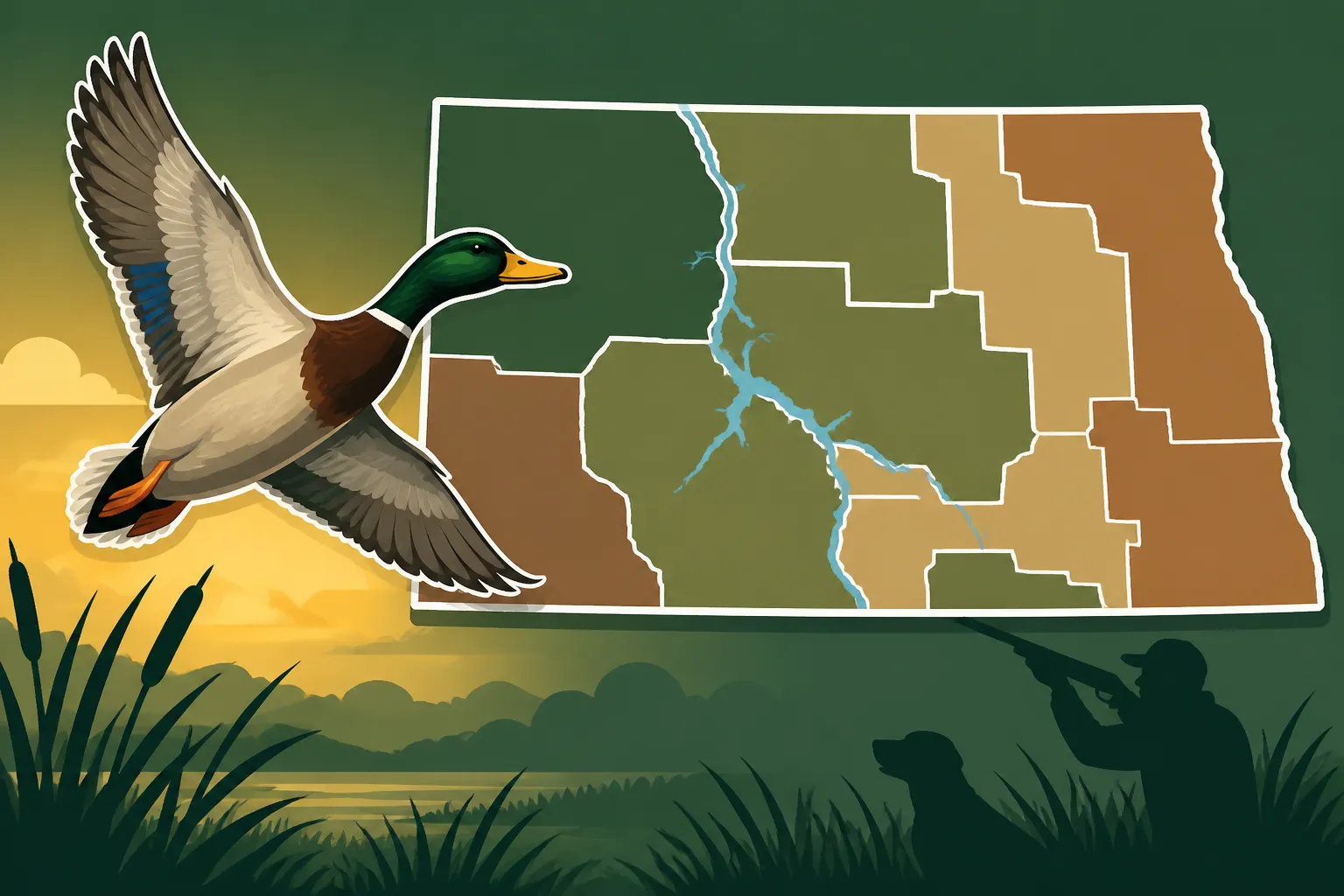
North Dakota Nonresident Waterfowl Zone Map
It can feel like you need a law degree to understand all the hunting regulations, especially when you're a nonresident looking to chase ducks and geese in North Dakota. The sheer volume of rules, license types, and specific dates can be overwhelming, making it tough to even know where you're allowed to set up your decoys. This comprehensive guide is here to demystify the North Dakota Nonresident Waterfowl Zone Map, breaking down what these zones mean for your hunt, how to navigate the specific rules, and ensuring you're fully compliant and ready for a successful season on the prairie.
Decoding North Dakota's Nonresident Waterfowl Zones
Navigating North Dakota's waterfowl regulations as a nonresident can feel like trying to find your way through a maze blindfolded. One of the most critical pieces of the puzzle is understanding the nonresident waterfowl zone map. This isn't just a suggestion; it's a hard and fast rule that dictates where and when you, as an out-of-state hunter, can legally pursue migratory birds in this incredible state. Essentially, North Dakota is split into two distinct waterfowl zones for nonresidents: Zone 1 and Zone 2. And let me tell you, mixing these up can lead to a very bad day in the field and potential fines.
Breaking Down Zone 1 and Zone 2
Let's get straight to it: the state is bisected, roughly, down the middle. Zone 1 covers the western half of North Dakota, and Zone 2 encompasses the eastern half. While that sounds simple enough, the exact dividing line isn't always intuitive and is crucial to know. It generally follows a series of county lines and highways, creating a clear boundary that hunters must respect. The primary difference for nonresidents isn't just geographic; it's about hunter density and historical resource allocation. Zone 2, typically the eastern side, often sees higher hunting pressure due to its proximity to more populated areas and some of the state's most famous waterfowl destinations, like the Devils Lake region. This area is a magnet for birds and hunters alike, making the zone restrictions even more vital for managing pressure.
Understanding these zones is the first step in planning your trip. For example, if you've been dreaming of hunting the vast expanses of the western badlands for ducks, you'll need to confirm you're within Zone 1. Conversely, if your sights are set on the legendary sheetwater and flooded fields of the east, you're squarely in Zone 2 territory. Each zone is a universe unto itself, with its own character and hunting opportunities, and knowing which one you're licensed for is non-negotiable.
Geographic Boundaries and Key Features
To truly grasp the zones, you need to visualize the line on a map. While the exact border can fluctuate slightly with administrative changes, generally, the line runs north to south, cutting through the state. It typically follows county roads and highways like Highway 3, Highway 19, and then roughly south along county lines to the South Dakota border. This line is clearly marked on the North Dakota Game and Fish Department's official waterfowl zone map, which is an absolute must-have for any nonresident planning a hunt. Many hunters use digital mapping apps like GoHunt to pinpoint their location relative to these zone boundaries in real-time. This can prevent accidental trespass into the wrong zone, which, trust me, is not a mistake you want to make.
Beyond the dividing line itself, each zone holds distinct geographic features. Zone 1, the western zone, is characterized by rolling hills, expansive grasslands, and the stunning scenery of the Badlands. Waterfowl here tend to be found in smaller prairie potholes, stock ponds, and along larger river systems like the Missouri River. Zone 2, on the other hand, is generally flatter, dominated by agricultural fields, and boasts the famed Prairie Pothole Region, which is dotted with countless wetlands, sloughs, and larger lakes like Devils Lake and Lake Sakakawea. The habitat differences alone often guide hunters to one zone or the other, depending on their preferred style of hunting, whether it's hunting a North Dakota Prairie Pothole Slough Edge or focusing on larger water bodies for divers.
The Logic Behind the Zoning System
It might seem arbitrary to divide a state into zones, especially for something as migratory as waterfowl. However, North Dakota's specific nonresident waterfowl zones aren't just for show; they're a carefully considered management tool. The state's Game and Fish Department has a vested interest in managing hunter pressure, especially from nonresidents, to maintain quality hunting experiences for everyone and to protect the resource. This is where the zone system truly comes into play, aiming to distribute hunting effort and mitigate crowding, particularly in historically popular areas.
Managing Hunter Pressure and Resource Allocation
North Dakota is a legendary destination for waterfowl, attracting hunters from all corners of the country. With such immense popularity, managing the impact of hunting pressure becomes paramount. Imagine if all nonresidents could simply flood into the most productive areas of the state without any spatial limitations. It would quickly lead to overcrowding, conflicts between hunters, and potentially put undue stress on local waterfowl populations. The zone map is a proactive measure to prevent this scenario, ensuring that the incredible hunting opportunities North Dakota offers remain sustainable for generations to come.
By creating distinct zones, the state can influence where nonresident hunting effort is concentrated. This allows for better resource allocation, meaning that certain areas, like the bustling eastern prairies, aren't overwhelmed by out-of-state hunters while other, equally productive but less famous, areas are ignored. It's about finding a balance, and while it might add a layer of complexity for hunters, it ultimately serves to preserve the quality of the hunting experience for everyone involved. Without such a system, the allure of North Dakota's waterfowl hunting could quickly diminish under uncontrolled pressure.
Resident Priority and License Structures
Perhaps the most significant reason for the nonresident waterfowl zone map is to ensure resident hunters maintain priority and access, especially during the crucial early season. This is reflected directly in the structure of the licenses available to nonresidents. North Dakota has a specific "Zone-Restricted Waterfowl License" that explicitly ties your hunting privileges to either Zone 1 or Zone 2, and dictates when you can begin hunting. This is a crucial detail that often catches nonresidents off guard if they haven't done their homework.
The real kicker for nonresidents is the "North Dakota's Nine Resident-Priority Waterfowl Days." For the first nine days of the waterfowl season, only North Dakota residents are allowed to hunt migratory game birds statewide. This period is a cherished tradition for locals, allowing them to enjoy the opening week without the added pressure of nonresident hunters. After these nine days conclude, nonresidents can then begin hunting, but only in the zone for which their license is valid. This means your hunting dates are directly impacted by the zone you choose. If you purchased a Zone 1 license, you absolutely cannot hunt in Zone 2, even after the resident-only period. This structure reinforces the state's commitment to its resident hunters while still providing ample opportunity for those traveling to experience the incredible North Dakota migration.
Applying the Map to Your Hunt Planning
Now that we understand what the nonresident waterfowl zones are and why they exist, let's talk practical application. Simply knowing about the map isn't enough; you need to integrate it into your hunt planning from the very beginning. This isn't just about avoiding a citation; it's about optimizing your hunting experience, ensuring you're in the right place at the right time, and making the most of your valuable hunting days.
Utilizing Digital and Physical Maps
In today's hunting world, the days of relying solely on paper maps are mostly behind us, though having a physical backup is always a smart move. Digital mapping applications are your best friend when it comes to navigating North Dakota's waterfowl zones. Tools like the ND Game & Fish App, or premium mapping services like GoHunt, allow you to overlay the exact zone boundaries with property lines, public land, and even satellite imagery. This level of detail is invaluable. Before you even set foot in the state, you should be using these tools to scout potential hunting areas, identify public access points like Waterfowl Production Areas Explained, and ensure those spots fall within your chosen zone.
When you're actually in the field, your digital map with its GPS capabilities becomes critical. It can confirm your exact location relative to the zone line, preventing any accidental crossings. Cell service can be spotty in parts of rural North Dakota, so make sure your chosen app allows for offline map downloads. Getting caught without a reliable way to check your location could easily lead to an unintentional violation. Always cross-reference multiple sources if possible, and when in doubt, err on the side of caution.
Scouting and Locating Waterfowl Within Your Zone
Once you've settled on a zone and understand its boundaries, your next step is thorough scouting. This is where the rubber meets the road. Even within a designated zone, waterfowl distribution can vary wildly based on habitat, food sources, and migratory patterns. Don't just pick a zone and assume birds will be everywhere. For instance, if you're in Zone 2 near Devils Lake, you might be looking for flooded fields or large marshes. If you're in Zone 1, your focus might shift to smaller prairie potholes or river bends.
Start your scouting long before opening day. Use satellite imagery on your mapping app to identify potential roosts, feeding areas, and travel corridors. Once you're on the ground, drive rural roads (respecting private property) and look for birds. Pay attention to wind direction, typical flight paths, and where the birds are actually feeding and loafing. This is also where you'll want to think about specific tactics like Decoy Spreads for Prairie Pothole Mallards or Layout Blind Hunting a Cut Wheat Field. The more detailed your scouting, the better your chances of success, and this process is entirely dependent on knowing your legal hunting boundaries first and foremost.
Key Considerations for Your Nonresident Waterfowl License
Your nonresident waterfowl license isn't just a piece of paper; it's your permit to chase ducks and geese across the North Dakota prairie. Understanding its intricacies, especially how it relates to the zone map, is essential for a stress-free and legal hunt. This includes not only where you can hunt but also when you can hunt, and what other certifications you might need to carry.
Purchasing the Zone-Restricted Waterfowl License
As a nonresident, you'll specifically need to purchase the "Zone-Restricted Waterfowl License" if you plan to hunt migratory birds. This is separate from a general game and habitat license, and it's the license that will ask you to declare either Zone 1 or Zone 2. Choose wisely, as this choice is typically final for the season. The Cost of the Zone-Restricted Waterfowl License is an investment, so make sure you're buying the correct one for your planned hunting location.
It’s crucial to understand that this license doesn't grant you carte blanche across the entire state for waterfowl. It is tied directly to the zone you select during purchase. If your hunting plans change mid-season, or if you find yourself wanting to hunt across the zone line, you would need to purchase a second zone-restricted license for the other zone. This can get expensive quickly, so it's best to solidify your primary hunting area before committing to a zone. Remember, your physical license or a digital copy on the ND Game & Fish app must be carried with you at all times while hunting.
Understanding the Nine Resident-Priority Days
One of the most significant restrictions for nonresident waterfowl hunters in North Dakota is the "North Dakota's Nine Resident-Priority Waterfowl Days." This means that for the first nine days of the duck and goose season, nonresidents are simply not permitted to hunt waterfowl anywhere in the state. This period is exclusively for residents. It's a common point of confusion and frustration for nonresidents, but it's a rule that is strictly enforced.
Your nonresident zone-restricted license only becomes valid after these nine resident-only days have passed. This means planning your trip dates is paramount. Many nonresidents intentionally plan their trips to begin on the tenth day of the season or later, ensuring they are compliant with this rule. It's a critical piece of the puzzle that often dictates when North Dakota Nonresident Waterfowl Zone Map hunting trips can even begin. Always check the official North Dakota Game and Fish Department calendar for the exact dates each year, as they can shift slightly. Missing this detail could mean showing up ready to hunt only to find out you have to sit on the sidelines for a week.
Additional Federal and State Certifications
Beyond your North Dakota Zone-Restricted Waterfowl License, there are other crucial certifications you'll need to hunt waterfowl in the state. Don't forget these, as they are federal requirements and are non-negotiable.
First, every migratory bird hunter aged 16 and older, regardless of residency, must possess a valid Federal Duck Stamp. This stamp must be signed across its face and carried with you. The funds from these stamps go directly to conserving wetlands and purchasing federal lands for wildlife, so it's a vital part of waterfowl conservation. You can usually purchase these at post offices, some sporting goods stores, or online.
Second, you'll need to register with the Harvest Information Program (HIP). This is typically done when you purchase your state license and involves answering a few simple questions about your previous year's hunting success for various migratory birds. It's how the U.S. Fish and Wildlife Service gathers data to make informed management decisions. You'll receive a HIP certification number, which you also need to carry while hunting. So, before you even think about setting out your decoys and calling in some birds, make sure you have your North Dakota state license for the correct zone, a signed Federal Duck Stamp, and your HIP certification. Missing any of these means you're hunting illegally, and that's a risk no one wants to take.
| Feature | Zone 1 (Western North Dakota) | Zone 2 (Eastern North Dakota) |
|---|---|---|
| Geographic Area | Generally west of Highway 3 / 19 line. Includes Badlands, Missouri River corridor. | Generally east of Highway 3 / 19 line. Includes Prairie Pothole Region, Devils Lake. |
| Primary Habitats | Rolling grasslands, smaller prairie potholes, stock ponds, river systems, Badlands draws. | Flat agricultural lands, abundant prairie potholes, large lakes (Devils Lake, Sakakawea). |
| Nonresident Season | Opens after the 9-day statewide resident-only period. Valid only in Zone 1. | Opens after the 9-day statewide resident-only period. Valid only in Zone 2. |
| Hunter Pressure | Generally lower, more dispersed hunting opportunities. | Historically higher pressure, especially around major staging areas. |
| License Type | North Dakota Nonresident Zone-Restricted Waterfowl License (Zone 1 specific) | North Dakota Nonresident Zone-Restricted Waterfowl License (Zone 2 specific) |
| Considerations | Often requires more scouting for specific small waters; diverse landscapes. | Crowding can be an issue; excellent field hunting opportunities; proximity to major cities. |
Disclaimer
The information provided in this guide is for general informational purposes only and is not a substitute for the official regulations published by the North Dakota Game and Fish Department. Hunting laws and regulations can change frequently. Always consult the most current North Dakota hunting proclamation and federal migratory bird regulations before planning and executing your hunt. It is your responsibility to know and abide by all applicable laws.