North Dakota Special Youth Hunt Windows
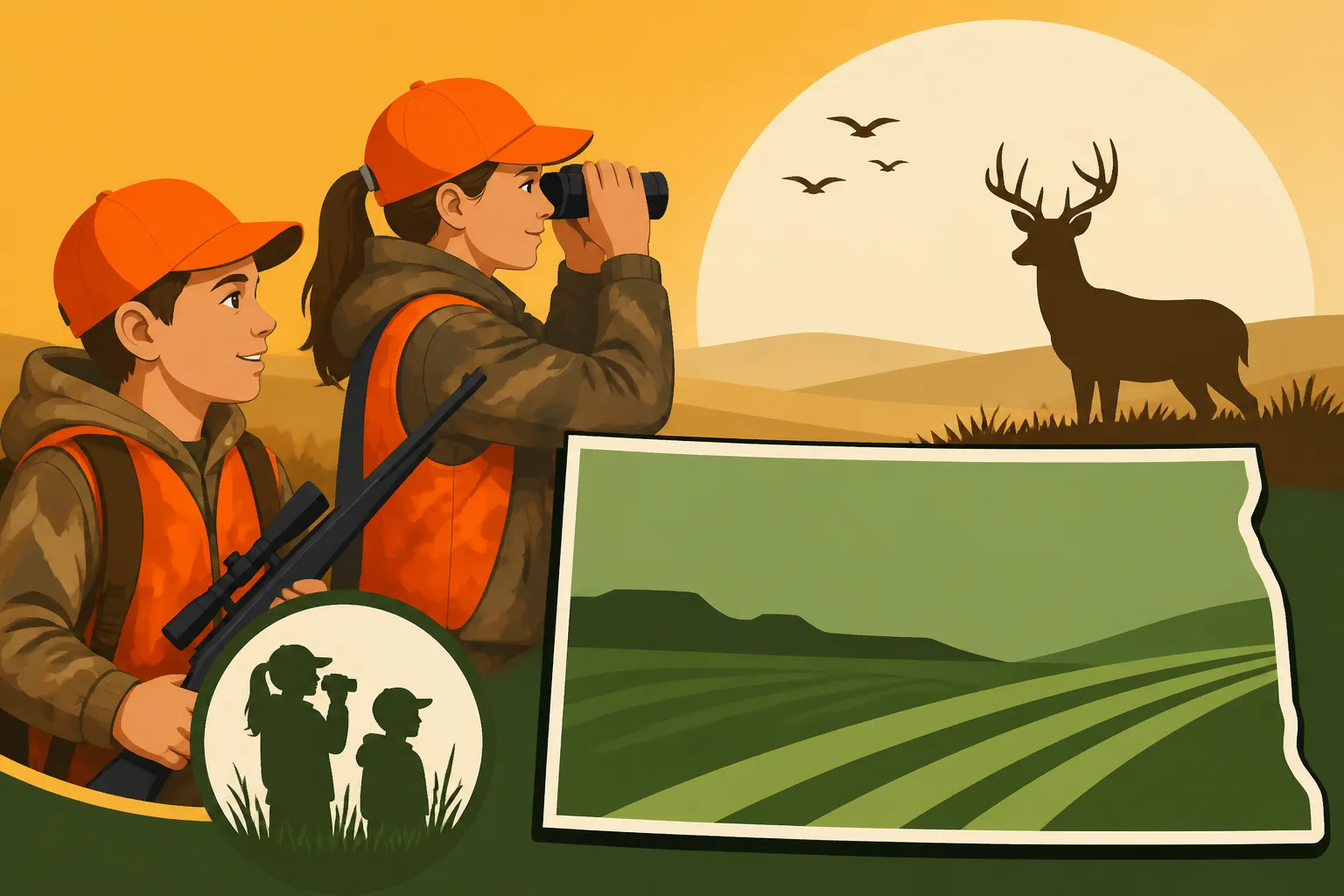
It can feel like a real puzzle trying to figure out all the hunting regulations in North Dakota, especially when you're trying to introduce a young hunter to the sport. Between different seasons, tag types, and public land rules, it's easy to get overwhelmed. This guide is here to simplify one of the best opportunities for young outdoors enthusiasts: North Dakota's special youth hunt windows, designed specifically to foster a love for hunting in the next generation.
Understanding North Dakota's Commitment to Youth Hunters
North Dakota has long recognized the importance of passing on our hunting heritage, and a big part of that commitment is creating accessible, low-pressure opportunities for young people. These special youth seasons aren't just about bagging an animal; they're about building character, understanding conservation, and creating lifelong memories in the field with family. It's truly a special time to be out there, without the intensity that sometimes accompanies the regular adult seasons.
Why Youth Hunts are So Important
For many of us, our first hunting experiences were some of the most impactful moments of our lives. Youth hunts provide a structured, encouraging environment for new hunters to learn the ropes. It's where they connect with nature, understand wildlife management firsthand, and develop a respect for the animals they pursue. These early experiences often shape their views on conservation and responsible land stewardship for decades to come. Think about it: a calm morning in the duck blind, just you and your child, teaching them about identifying different waterfowl, or patiently glassing a field for deer, sharing stories and snacks. These moments are priceless and far more achievable in a dedicated youth season.
Beyond the personal growth, these seasons are vital for the future of hunting itself. With declining hunter numbers in many areas across the country, encouraging youth participation is paramount to ensuring that our traditions, and the conservation funding derived from hunting licenses, continue for generations. North Dakota's youth hunt windows are a direct investment in that future, cultivating responsible and ethical hunters who will carry the torch forward.
The Philosophy Behind Special Seasons
The core idea behind these special windows is to reduce pressure and maximize the learning experience. By setting aside specific dates for youth hunters, the North Dakota Game and Fish Department aims to provide a less crowded environment than what you might find during the general opener. This means less competition for prime spots, fewer vehicles, and a more relaxed atmosphere overall. It allows mentors to focus purely on teaching and guiding, rather than constantly worrying about other hunters.
These seasons also often coincide with times when game animals might be more visible or less wary, increasing the chances of success for young hunters. A positive first experience is incredibly motivating, and higher success rates in a supportive setting can solidify a child's interest in hunting. It's about providing an optimal entry point, a gentle ramp into what can sometimes be a challenging and demanding pursuit. The goal is to make it fun, educational, and memorable, fostering a genuine love for the outdoors.
A Deep Dive into North Dakota's Special Youth Hunt Windows
North Dakota offers several fantastic opportunities for young hunters to get out in the field before or during the regular seasons, targeting various popular game species. These windows are carefully designed to give youth a head start and a dedicated experience.
Deer Youth Season Specifics
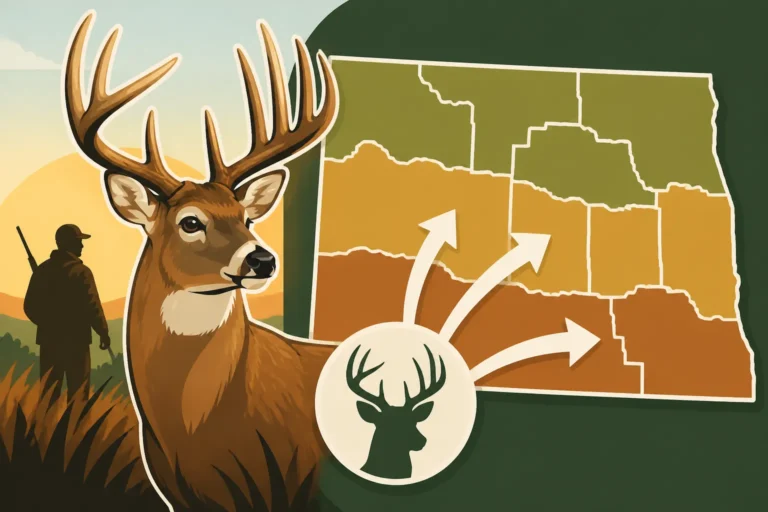
The North Dakota Youth Deer Season is a standout opportunity, typically held in late September or early October, preceding the much-anticipated general gun season. This specific timing allows young hunters to pursue deer when the weather is often mild and deer patterns might be more predictable, giving them a distinct advantage. Usually, this season runs for about nine days.
To participate, youth must typically be between 10 and 15 years old, and they need to possess a valid North Dakota youth deer license. The specifics of these licenses, including unit availability and tag types (often "any deer" or antlerless-only, depending on the unit), are crucial. It's highly recommended to consult the current year's proclamation from the North Dakota Game and Fish Department or use online resources like North Dakota Youth Deer Season Rules or North Dakota Youth Deer Season Dates for the most up-to-date information. An adult 18 years or older must accompany the youth hunter in the field, and this adult must possess a valid hunting license for the current season, but generally cannot carry a firearm or bow while accompanying the youth during their special season. It's about letting the youth be the hunter, with the adult as the guide and safety supervisor.
Checking unit boundaries with tools like GoHunt's mapping features can be incredibly helpful when planning your youth deer hunt. Some units might have different antlerless restrictions or higher deer densities, which could factor into your decision. Success during this period often means focusing on food sources like alfalfa fields, standing crops, or even shelterbelts. The deer are generally less pressured than they will be a month later, offering a fantastic chance for a young hunter to learn tracking, glassing, and ethical shot placement.
Youth Waterfowl Opportunities
North Dakota's place on the Central Flyway makes it a waterfowl paradise, and youth hunters get special dibs on some prime opportunities. The state typically offers a special statewide Youth Waterfowl Season before the regular duck season opens. This early season often falls in late September or early October, giving young waterfowlers a fantastic, often unpressured, chance at ducks and geese.
Just like with deer, there are specific age requirements, usually for hunters 15 years and younger. They must be accompanied by a non-hunting adult (18 years or older) who is HIP certified and has a valid North Dakota hunting license, but cannot hunt themselves. This ensures safety and mentorship. The bag limits during the youth season are generally the same as the regular season for ducks and geese, providing a full experience. You can review the North Dakota Duck and Goose Bag Limits to be sure. This early window is fantastic for decoying local birds or jump-shooting smaller sloughs before the main migration truly kicks in and the crowds arrive.
Beyond the specific youth weekend, it's also worth noting that non-residents face restrictions during the first nine days of the regular waterfowl season. However, this primarily impacts adult nonresident hunters. Resident youth, or nonresident youth whose parents are also hunting legally, can still enjoy the ample opportunities. For residents, understanding North Dakota's Nine Resident-Priority Waterfowl Days can help avoid confusion with nonresident regulations if hunting near the general opener. Using mapping apps like GoHunt can help identify potential public waterfowl production areas or accessible private land before the season even begins, giving you a scouting advantage.
Upland Bird Youth Weekends
Pheasants, sharptail grouse, and Hungarian partridge offer thrilling upland hunting experiences, and North Dakota makes sure youth hunters have a dedicated crack at them too. The Youth Pheasant Weekend, for example, typically occurs a week before the general pheasant opener, often in late September. This is a brilliant chance for young hunters, usually 15 years and younger, to walk fields with a dog and experience the explosive flush of a rooster without the intense pressure of the general opener.
During this special weekend, youth must be accompanied by an adult, who, similar to other youth seasons, can supervise but not actively hunt. The daily bag and possession limits usually align with the general season, providing a legitimate hunting experience. If you’re planning to introduce a young hunter to upland birds, this dedicated weekend is ideal. For more details on species, regulations, and limits, checking Hunting the Youth Pheasant Weekend and North Dakota Pheasant and Upland Season Rules is a great starting point.
While pheasants get the most attention for youth hunts, opportunities for sharptail grouse and Hungarian partridge are typically part of the broader regular small game season, which opens earlier. Youth hunters who have completed hunter education can participate in these earlier openers. The philosophy remains the same: provide a quality experience, instill good ethics, and have fun. The less crowded fields during these earlier windows mean more chances for young hunters to focus on dog work, reading cover, and safe gun handling.
Navigating Licenses, Regulations, and Preparation
Getting a young hunter ready for the field involves more than just picking a season; it requires understanding the necessary paperwork, gearing up safely, and mentally preparing for the experience.
Essential License and Certification Requirements
First and foremost, every youth hunter needs to be properly licensed. In North Dakota, this typically means a general game and habitat license, and then the specific tags for the species they intend to hunt (e.g., a youth deer tag, or a federal duck stamp and state migratory bird certification for waterfowl). The age requirements for needing a license can vary, so it's always best to check the current North Dakota Game and Fish proclamation.
A critical step for all new hunters, regardless of age, is completing a hunter education course. This is a non-negotiable requirement for obtaining a hunting license in North Dakota, unless they are participating in the apprentice hunter program. Hunter education covers crucial topics like firearm safety, ethical hunting practices, wildlife identification, and basic conservation principles. You can find detailed information on North Dakota Hunter Education Requirements. For those not yet ready for the full hunter education course, the North Dakota Apprentice Hunter License Rules offer a fantastic alternative, allowing individuals to hunt for a limited time under the direct supervision of an experienced, licensed mentor without first completing the full course. This is a great "try before you buy" option for young hunters and their families.
Gear Up for Success and Safety
Safety is paramount, especially when hunting with youth. Ensure your young hunter has properly fitted gear and understands how to use it safely. This starts with the right firearm or bow – one that fits their stature and they can comfortably and accurately handle. Many manufacturers offer youth models designed with shorter stocks and lighter weights. Practice with their chosen equipment well before the season.
Blaze orange is not just a suggestion; it's a legal requirement during specific seasons in North Dakota and a crucial safety measure for visibility in the field. Make sure your youth hunter has plenty of it, including a hat and vest, especially during deer season. Review North Dakota Blaze Orange Requirements to ensure compliance. Beyond orange, consider weather-appropriate clothing layers. North Dakota weather can change rapidly, and being cold or uncomfortable can quickly sour a young hunter's experience. Invest in good gloves, hats, and waterproof outerwear. A good first aid kit, map (like those found on GoHunt, which can be downloaded for offline use), compass or GPS, and reliable communication device are also essential. Teach your child how to use these items and what to do in an emergency.
Maximizing the Youth Hunting Experience
The real magic of youth hunting happens long before opening day. Pre-season preparation is key to a successful and enjoyable experience. This includes plenty of target practice with their hunting equipment to build confidence and proficiency. Shooting accurately is not just about ethics; it's about making a clean harvest and minimizing potential stress for the animal.
Scouting is another invaluable step. Take your young hunter out to prospective hunting spots, whether it's Scouting PLOTS Land With the ND Hunt App or gaining permission on private land. Teach them how to read sign, identify suitable habitat, and understand wind direction. This builds anticipation and teaches them fundamental hunting skills. Mapping tools like GoHunt are excellent for this, allowing you to identify potential travel corridors, food sources, and bedding areas right from your phone or computer.
Beyond the physical preparation, take time to discuss hunting ethics, wildlife biology, and the importance of conservation. Talk about what to expect on the hunt – the early mornings, the quiet patience, the possibility of not seeing anything. Celebrate the small victories, whether it's a successful stalk, identifying a new bird, or simply enjoying a sunrise together. Remember, the goal isn't just a full game bag, but a heart full of memories and a deep appreciation for the wild places and creatures we share them with.
| Species | Typical Youth Season Timeframe | Age Range |
|---|---|---|
| Deer | Late September / Early October | 10-15 |
| Waterfowl (Ducks/Geese) | Late September / Early October | 15 and under |
| Pheasant | Late September / Early October | 15 and under |
Disclaimer
The information provided in this guide is for general informational purposes only and does not constitute legal advice or an exhaustive list of all hunting regulations. Hunting laws and regulations in North Dakota are subject to change. Always consult the most current North Dakota Game and Fish Department proclamations and official resources before planning any hunting trip to ensure full compliance with all applicable rules and laws.