North Dakota Youth Deer Season Dates
The excitement of getting a young hunter out into the North Dakota deer woods is unmatched, but let's be honest, figuring out the specific season dates and all the accompanying rules can feel like trying to hit a moving target. Many of us, myself included, have spent countless hours poring over regulations, wondering if we’ve truly got it right, especially when planning that special first deer hunt. This comprehensive guide is here to clear up all the confusion around the North Dakota Youth Deer Season dates, eligibility, and the essential steps you need to take to ensure a smooth and memorable experience for your young hunter.
Understanding North Dakota's Youth Deer Season Dates and Structure
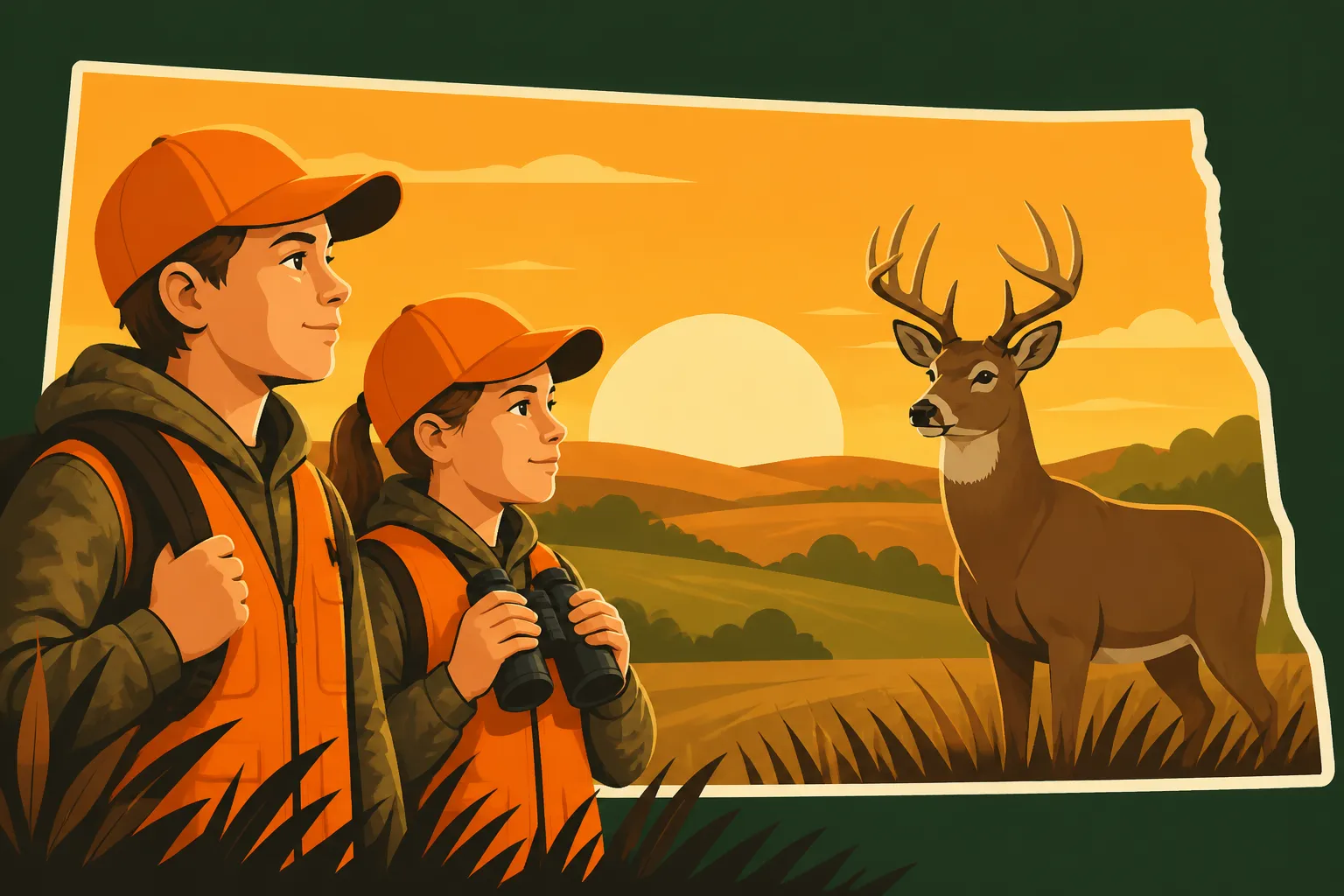
North Dakota offers a dedicated youth deer hunting season, a fantastic opportunity designed to introduce young hunters to the outdoors in a less pressured environment. This special season typically takes place in mid-September, deliberately set before the main firearm seasons to provide a unique window for youth-only participation. This timing is strategic, aiming to leverage relatively stable weather conditions and predictable deer behavior before the chaos of the rut and the influx of general season hunters.
The Mid-September Opportunity for Young Hunters
The North Dakota Youth Deer Season is a true gem for introducing the next generation to ethical hunting practices. It allows for a relaxed pace, focusing on the experience rather than just the harvest. The chosen dates in mid-September usually coincide with pleasant fall weather, making long sits or walks much more enjoyable for young hunters who might be less accustomed to the extreme cold that can characterize later seasons. Deer at this time are generally still in their summer patterns, often found near reliable food sources like alfalfa fields, standing grains, or lush river bottom browse, making scouting efforts more straightforward. This predictability can be a huge confidence booster for a first-time deer hunter.
One of the most appealing aspects of this season is that it’s often an "any-deer" season. This means that if your young hunter draws a license, they generally have the flexibility to harvest either an antlered or antlerless deer, depending on the specific unit and license they hold. This flexibility reduces the pressure to find a "trophy" and instead allows the focus to be on a safe, enjoyable, and successful hunt, regardless of the deer's sex or antler size. For detailed information, always consult the official North Dakota Youth Deer Season Rules published annually by the North Dakota Game and Fish Department.
Key Dates and Season Length
The North Dakota Youth Deer Season typically runs for about nine and a half days, often starting on a Friday in mid-September and concluding the following Sunday. For example, in recent years, the season has often kicked off around September 15th or 16th. While the exact dates can shift slightly year-to-year based on the calendar, this mid-September timeframe remains consistent.
It’s absolutely critical to remember that while this guide provides general timing, the North Dakota Game and Fish Department (NDG&F) issues official proclamations each year. These proclamations are the definitive source for dates, unit-specific regulations, and any changes. Before making any concrete plans, always check the current year's official regulations on the NDG&F website. Missing a simple detail could lead to a frustrating experience.
Here’s a generalized overview of the typical season structure for the North Dakota Youth Deer Season:
| Aspect | Typical Details |
|---|---|
| Eligibility Age | 12-18 years old (inclusive), must be 12 by the start of the season. |
| Season Length | Approximately 9.5 days |
| Typical Start Date | Mid-September (e.g., Friday, September 13th or 15th) |
| Typical End Date | The following Sunday (e.g., Sunday, September 22nd or 24th) |
| Weapon Type | Any legal firearm or archery equipment (rifles, shotguns, muzzleloaders, bows, crossbows are all generally permitted) |
| License Type | Specific youth deer license, or an unfulfilled regular deer bow/gun license (check current year's proclamation) |
| Deer Type | Often "Any-deer," allowing either antlered or antlerless harvest, though unit-specific restrictions can apply |
| Hunter Education | Required, or participation in the Mentored Youth Hunting Program |
Eligibility, Licenses, and Essential Preparation for Youth Deer Season
Preparing for a youth deer hunt involves more than just knowing the dates. It's about understanding who can participate, what legal requirements need to be met, and how to properly equip your young hunter for a safe and ethical experience. Overlooking these details can quickly turn an exciting trip into a bureaucratic headache.
Who Can Participate and Hunter Education Requirements
The North Dakota Youth Deer Season is specifically for hunters who are 12 to 18 years old. It’s important that they are at least 12 years old by the opening day of the season. This age range is designed to cater to young people who are ready for a greater level of independence and responsibility in the field.
A foundational requirement for almost any hunter in North Dakota is hunter education. If your young hunter falls within the 12-18 age bracket and plans to hunt independently, they must successfully complete a certified hunter education course. This course covers crucial topics like firearm safety, wildlife identification, hunting ethics, and game care, ensuring they have the knowledge to be safe and responsible afield. Many resources are available online and through local NDG&F offices to find a suitable course. You can find detailed information on these requirements by looking up North Dakota Hunter Education Requirements.
However, North Dakota also offers a fantastic Mentored Youth Hunting Program. This program allows hunters aged 10 or 11 to participate in the youth deer season without having completed hunter education, provided they are accompanied by a licensed adult mentor. The mentor must stay within "arm's length" and directly supervise the youth. This is an incredible opportunity for younger kids to gain valuable experience under close guidance before they're old enough or have completed their own hunter education. Even if they are 12-18, the spirit of mentorship remains incredibly important for safety and learning.
Navigating the Licensing Process
Once eligibility is confirmed, securing the proper license is the next critical step. For the youth deer season, young hunters typically need a specific "youth deer license." This license is often separate from the general deer lottery and might have its own application period or be available over-the-counter. In some cases, if a youth hunter has already secured a regular archery or firearm deer license through the lottery process but hasn't filled it, they might be able to use that same license during the youth season, depending on the specific rules for that year. Always confirm this flexibility with the current year's proclamation.
Beyond the specific deer tag, your young hunter will also need a valid North Dakota General Game and Habitat License, which is often bundled or a prerequisite for purchasing other licenses. This base license contributes to wildlife management and habitat conservation efforts across the state. The easiest way to handle the licensing process is through the North Dakota Game and Fish Department's online portal. It’s generally a user-friendly system, allowing you to purchase licenses, apply for lotteries, and stay compliant from the comfort of your home. For a full breakdown of options, check out North Dakota Resident License Options. Remember, non-residents also have specific licensing requirements and fees, so if you're traveling from out of state, be sure to delve into those details well in advance.
Strategies and Tips for a Successful Youth Deer Hunt
Beyond the paperwork, the real joy of the youth deer season comes in the field. To maximize the chances of success and, more importantly, create lasting memories, thoughtful planning and a focus on the experience are paramount.
Scouting and Location Selection
Effective pre-season scouting is the cornerstone of any successful deer hunt, and it's particularly valuable for youth hunters. Knowing where the deer are likely to be, what they're eating, and how they're moving can significantly increase opportunities and prevent long, frustrating stretches of no activity. Start well before the season by driving section roads, looking for fresh tracks, rub lines, and scat near food sources like agricultural fields (corn, beans, alfalfa) or along water sources in river bottoms and coulees.
Tools like the GoHunt app or other mapping software are incredibly useful for identifying potential hunting spots, especially when looking at Public Hunting Land in North Dakota. These platforms allow you to overlay private and public land boundaries, locate water sources, and identify different habitat types from aerial imagery. You can pinpoint shelterbelts, which are often prime travel corridors, or determine Hunting a Shelterbelt Edge for Deer. Walking potential areas (where permissible) a few weeks before the season opens can help confirm deer activity and establish good entry and exit routes that minimize disturbance. Look for thick cover where deer might bed during the day and observe transition areas between bedding and feeding. A great internal resource to check out is Scouting PLOTS Land With the ND Hunt App, which can further guide your digital and on-the-ground scouting efforts. Understanding the North Dakota Deer Population Estimate for your unit can also give you a realistic expectation of deer density.
Gear, Safety, and Mentorship
Ensuring your young hunter is properly equipped is vital for comfort, safety, and success.
- Firearm Fit and Familiarity: Make sure the firearm (or bow) fits them properly. A rifle that's too heavy or has too much recoil will be difficult to shoot accurately and can quickly lead to a bad experience. Practice extensively at the range, focusing on shot placement and consistent shooting from various positions. This builds confidence and minimizes the chance of wounding an animal.
- Blaze Orange: Safety is non-negotiable. North Dakota has specific North Dakota Blaze Orange Requirements for firearm hunting. Ensure your young hunter, and yourself as a mentor, wears the legally mandated amount of blaze orange (or blaze pink, which is also legal). This makes hunters highly visible to other hunters, a critical safety measure, especially on public land.
- Weather Appropriate Clothing: North Dakota weather in September can be unpredictable. Pack layers to adapt to cool mornings, warm afternoons, and potential rain or wind. Good quality boots are a must for comfort and warmth.
- Comfortable Seating: Long sits can be tough for young hunters. A comfortable ground blind or a well-padded chair can make a world of difference. Ground blinds are excellent for youth hunters as they conceal movement, block wind, and provide a stable shooting rest. Check out Using a Ground Blind on PLOTS Land for more ideas.
- Mentorship First: The most crucial piece of "gear" is a patient and supportive mentor. Focus on teaching, not just tagging. Explain deer behavior, wind direction, scent control, and tracking. Celebrate small victories, like a successful stalk or identifying fresh sign, even if no shot is taken. Teach them the importance of ethical shot placement and tracking. When the moment comes, be there to guide them through the process of Field Dressing a Deer in Cold Weather and respecting the animal.
Common Questions and Overcoming Challenges
Even with careful planning, questions and challenges are bound to arise. Anticipating these and knowing where to find answers can save a lot of stress.
Public Land Access for Youth Hunters
Access to hunting land is often a primary concern, especially for those who don't have private land connections. North Dakota is fortunate to have substantial public hunting opportunities, many of which are excellent for youth hunters.
- PLOTS (Private Land Open To Sportsmen): The PLOTS program is a cornerstone of public access in North Dakota. These are private lands where landowners have opened their property to public hunting access in exchange for habitat management assistance or other incentives from the NDG&F. PLOTS tracts are clearly marked with yellow triangular signs. They can range from expansive grasslands and slough edges to smaller shelterbelts and croplands. Using a tool like GoHunt or the official NDG&F PLOTS guide can help you locate suitable tracts. Remember to respect all PLOTS rules, which are typically posted at the entrance. To learn more about how this program works, dive into The PLOTS Program Explained.
- Waterfowl Production Areas (WPAs) and Wildlife Management Areas (WMAs): These federal and state-managed lands are often accessible for deer hunting and can offer fantastic opportunities. WPAs are usually smaller tracts of wetland and grassland habitat managed by the U.S. Fish and Wildlife Service, primarily for waterfowl, but often hold good numbers of deer, especially along their edges. WMAs are larger state-managed areas that provide diverse habitats for various species.
- National Grasslands: While the Little Missouri National Grassland in western North Dakota is primarily known for mule deer, it can also offer whitetail opportunities, particularly in draws and river bottoms. The Sheyenne National Grassland in the east also provides hunting in its unique tallgrass prairie environment.
When hunting public land, it's wise to consider walking further than others. Many hunters stick close to roads, so venturing a half-mile or more off the beaten path can often lead to less pressured deer. GoHunt can assist in identifying these overlooked pockets.
Deer Behavior During the Youth Season
Understanding how deer behave in September compared to later in the season is crucial for success. During the youth deer season, the deer are generally in their late-summer/early-fall patterns.
- Food-Focused: Their primary motivation is food. They're still building up fat reserves for the coming winter. Look for them feeding heavily in agricultural fields, alfalfa, or natural browse in the early morning and late evening. Mid-day often finds them bedded in thick cover nearby.
- Bachelor Groups: You might still see bucks in bachelor groups, though these groups often start to break up as September progresses and testosterone levels rise. They haven't fully entered the aggressive rut phase, so rattling and aggressive calling might not be as effective as it would be in late October or November.
- Predictable Patterns: Without the pressure of the general gun season or the erratic behavior of the rut, deer patterns can be more predictable. Establishing observation points overlooking feeding areas or travel corridors can be very effective. This makes it easier for a young hunter to learn to pattern deer.
- Wind is King: Always pay attention to wind direction. Deer rely heavily on their sense of smell, and a shifting wind can quickly give away your position. Position yourself downwind of where you expect deer to approach. For a general overview of the species, check out White-Tailed Deer Across North Dakota.
By understanding these nuances, you can tailor your approach to the specific conditions of the youth deer season, providing a better and more engaging experience for your young hunter.
Disclaimer
The information provided in this guide is for general informational purposes only and is based on typical North Dakota hunting regulations. Hunting laws and season dates are subject to change annually by the North Dakota Game and Fish Department. It is the responsibility of every hunter to review and comply with the most current official hunting proclamations and regulations before participating in any hunting activity. Failure to do so may result in penalties.