Hunting North Dakota’s Red River Valley
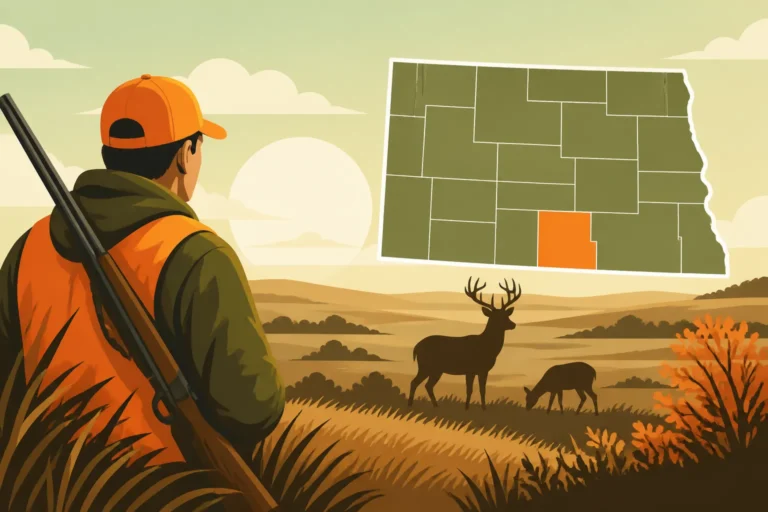
Many hunters, when they think of North Dakota, immediately envision the rugged Badlands or the vast prairie pothole regions. The Red River Valley, stretching along the eastern border, often gets overlooked, perhaps because its reputation for vast, flat farmland doesn't scream "prime hunting grounds." However, this unique agricultural landscape holds surprising opportunities for dedicated hunters, and this guide will peel back the layers to reveal how to successfully navigate and hunt this often-misunderstood region.
Understanding the Red River Valley Landscape for Hunters
The Red River Valley is distinct from the rest of North Dakota, shaped by the ancient glacial Lake Agassiz. It's a land of incredibly fertile, dark earth, known for its expansive fields of corn, soybeans, sugar beets, and wheat. But don't let the "flat" descriptor fool you; within this agricultural mosaic are crucial pockets of habitat that attract and hold game.
The Unique Topography and Its Impact on Game
While you won't find rolling hills or deep canyons here, the Red River Valley has its own subtle topography that creates critical wildlife habitat. The Red River itself, with its meandering course, often features deeper banks, timbered corridors, and brushy edges that stand in stark contrast to the open fields. These river bottoms are lifelines for many species, providing cover, bedding areas, and travel routes.
Beyond the main river, a network of drainage ditches, often called coulees or simply "ditches," crisscrosses the landscape. These aren't just ditches; many are surprisingly deep and wide, filled with cattails, willows, and tall grasses. They act as miniature river bottoms, providing linear cover that deer, pheasants, and even some waterfowl utilize extensively. Farmers often plant shelterbelts—rows of trees—around their homesteads and fields to break the wind. These shelterbelts, ranging from single rows of evergreens to multi-species blocks, become vital thermal cover and food sources, especially during harsh North Dakota winters. These seemingly minor features are, in fact, the backbone of wildlife habitat in this region. Hunters who focus solely on the "flat field" perception miss these critical nuances.
Agricultural Practices and Wildlife Food Sources
The farming practices in the Red River Valley are inextricably linked to the success of its wildlife populations. The vast monocultures of corn and soybeans, while initially appearing barren, are actually immense food sources for deer, upland birds, and waterfowl. After harvest, waste grain provides crucial calories for animals needing to bulk up before winter or survive during it. Deer will specifically target fields with residual corn, digging through snow to reach the kernels. Pheasants and Hungarian partridge also glean fallen grain, especially in fields with standing stubble or unharvested rows.
Beyond the harvested fields, farmers sometimes leave "waste strips" or practice no-till farming, leaving standing crop residue that offers excellent cover and forage. These areas are magnets for game and are often overlooked by hunters who aren't familiar with agricultural dynamics. Understanding crop rotations and harvest timing is key to patterning game in the Red River Valley. For example, a standing cornfield late in the season can be an absolute sanctuary for deer and geese, offering both food and unparalleled cover from the elements.
Key Game Species to Pursue in the Red River Valley
The Red River Valley might not boast the same species diversity as the Badlands, but it offers exceptional hunting for several popular game animals. Focusing on these species, and understanding their unique adaptations to this agricultural environment, is the path to success.
Whitetail Deer: Adapting to Farmland
Whitetail deer thrive in the Red River Valley, adapting remarkably well to the patchwork of fields and limited natural cover. Instead of vast forests, they utilize the dense cover offered by river bottoms, shelterbelts, and slough edges. A common frustration for hunters unfamiliar with this area is the deer's uncanny ability to vanish into seemingly sparse cover. A narrow strip of willows along a drainage ditch can hold multiple deer, offering them concealment right next to busy fields.
Successful whitetail hunting here often revolves around identifying these linear travel corridors and isolated pockets of cover. Deer will use the Red River and its tributaries as main thoroughfares, moving between bedding areas in the thickest brush and feeding areas in nearby crop fields. They also rely heavily on shelterbelts for thermal cover during blizzards and windbreaks on blustery days. Understanding these patterns, often through careful scouting of edges and transition zones, is paramount. Hunters will often find themselves Hunting a Shelterbelt Edge for Deer, patiently waiting for movement.
Upland Birds: Pheasants and Partridge
The Red River Valley, while not as renowned as North Dakota's prime pheasant country further west, still holds good numbers of pheasants and Hungarian partridge, particularly in areas with good winter cover and food sources. The key habitat elements are often found on the fringes of agricultural fields: grassy ditches, CRP (Conservation Reserve Program) acres, shelterbelts, and sloughs. Pheasants love to hold tight in these linear cover strips, making them ideal for walking with a pointing dog or conducting small drives.
Hungarian partridge, often overlooked, are also prevalent. These feisty little birds prefer open, weedy field edges and stubble fields, often flushing in coveys. A key tactic for them is Hunting Hungarian Partridge Field Edges, especially where diverse crops meet grassy margins. Hunters can experience fast-paced action if they locate a covey. The biggest challenge for upland hunters here is often access to suitable private land, as much of the habitat is on private farms. However, some PLOTS (Private Land Open To Sportsmen) tracts can offer excellent opportunities.
Waterfowl: Ducks and Geese in Agricultural Fields
The Red River Valley is a significant stopover and feeding ground for migrating waterfowl along the Central Flyway. While natural potholes are less abundant than in the prairie pothole region, the valley offers ample shallow water in drainage ditches, flooded fields, and the Red River itself, attracting ducks. More notably, it's a critical feeding area for geese, particularly Canada geese and snow geese, which descend on the vast agricultural fields.
Hunters often focus on large, cut corn or soybean fields where geese are actively feeding. Setting up large decoy spreads in these fields can lead to incredible hunting, especially during peak migration. Local knowledge of feeding patterns and access to private land are crucial here. Ducks can also be found jump-shooting smaller, less obvious water features like flooded ditches or small sloughs. Duck and Goose Hunting North Dakota's Potholes is a great resource, and while the "potholes" here might look a little different, the principles of field feeding and water access remain the same.
Essential Tactics for Hunting the Red River Valley
Hunting the Red River Valley demands a unique approach, often prioritizing scouting, access, and adaptable strategies over relying on vast wilderness.
Scouting and Accessing Private Land
Given the predominantly private nature of land ownership in the Red River Valley, gaining access is often the biggest hurdle and the most critical step to a successful hunt. This isn't just about showing up the day of the hunt. It requires pre-season legwork, often involving knocking on doors and talking to landowners. Building rapport with local farmers can open up incredible opportunities. They often know where the deer are bedding, which fields the geese are hitting, and where the pheasants concentrate. Being respectful, offering to share game, and leaving no trace are essential to maintaining these relationships.
Before you even think about knocking on doors, utilize mapping tools like onX Hunt. This application is invaluable for identifying property boundaries, landowner names, and potential habitat features like shelterbelts, sloughs, and creek bottoms. It helps you pinpoint exactly who to ask for permission and allows you to approach landowners with a clear understanding of their property. Getting Private Land Permission in North Dakota is a fantastic resource that details the etiquette and legalities involved in this crucial step.
| Scouting Method | Pros | Cons | Best Use |
|---|---|---|---|
| Aerial Imagery | Identifies cover, field types, water | Doesn't show current crop status or recent activity | Pre-season planning, identifying potential access points |
Mapping Apps (onX Hunt) |
Shows property lines, landowner names, roads | Requires subscription, cell service can be spotty | Approaching landowners, navigation in the field |
| Driving/Glassing | Direct observation of game and habitat | Limited scope, often done from public roads | Locating active fields for waterfowl, general area assessment |
| Knocking on Doors | Direct access to prime private land | Time-consuming, requires social skills, not always successful | Gaining permission for deer, pheasant, and specific waterfowl fields |
Effective Hunting Strategies for Farm Country
Once you have access, tailoring your hunting strategy to the specific features of the Red River Valley is key. For deer, still-hunting along river bottoms or through dense shelterbelts can be productive, especially during periods of light snow. Stand hunting on the edge of a standing cornfield or along a key travel corridor between bedding cover and food is another excellent tactic. Hunting a Standing Corn Field for Deer provides specific insights into this effective strategy.
For upland birds, walking out ditches and shelterbelts with a good bird dog is often the most productive method. Focus on the densest cover, as pheasants will hold tight, often flushing at your feet. For waterfowl, large field spreads for geese are common, often involving layout blinds in cut stubble fields. Understanding daily patterns—where birds roost, where they feed, and their travel routes—is paramount. The Red River itself can also offer jump-shooting opportunities for ducks if you're willing to put in the legwork.
Navigating Public Land and PLOTS in the Valley
While private land dominates, North Dakota does offer some public hunting opportunities in the Red River Valley, primarily through the PLOTS program and a few scattered Waterfowl Production Areas (WPAs) or State Wildlife Management Areas (WMAs). These public lands are often highly pressured, especially on opening weekends. However, smart hunters can still find success by working harder and going deeper than others.
The key to success on public land here is often diligent scouting and choosing less obvious areas. Many hunters will stick to the edges or easily accessible spots. If you're willing to walk a little further or hunt areas that require more effort, you can often find unpressured game. Using the ND Hunt App in conjunction with onX Hunt can help you identify PLOTS tracts and public parcels, allowing you to scout them thoroughly before the season. Scouting PLOTS Land With the ND Hunt App is an essential guide to maximizing your efforts on these public access areas. Be aware that public land opportunities are generally smaller and more fragmented here than in other regions of the state.
Gear and Preparedness for Red River Valley Hunts
Hunting the Red River Valley presents its own unique gear considerations, often revolving around the weather, terrain, and the specific style of hunting.
Clothing and Footwear for Flat Terrain
Despite the flat terrain, the Red River Valley can be surprisingly challenging on footwear and clothing. Mud is a constant factor, especially during early season hunts or after rain or snowmelt. Knee-high rubber boots are often a hunter's best friend, keeping feet dry while navigating muddy fields and crossing drainage ditches. Layered clothing is crucial, as the open landscape means relentless wind, making proper insulation a must, even on moderately cold days. A good windproof outer shell can make a world of difference.
Furthermore, North Dakota has strict North Dakota Blaze Orange Requirements during firearm seasons, so ensure you have enough visible blaze orange or blaze pink to meet legal requirements and stay safe in agricultural settings where visibility can be an issue. Even for archery, a blaze orange hat or vest during the walk in and out can be a wise safety precaution. Don't skimp on quality cold-weather gear, especially if you plan to hunt late into the season when temperatures can plummet well below freezing.
Navigation and Communication in Open Country
While the Red River Valley might seem easy to navigate due to its grid-like roads, it's easy to get disoriented in large fields or dense river bottom cover, especially as darkness approaches. A reliable GPS unit or a smartphone with a mapping app like onX Hunt is indispensable. These tools not only help you navigate to your hunting spot but also mark specific features, track your movement, and verify property boundaries, preventing accidental trespassing. GoHunt also offers valuable mapping and scouting tools that can be leveraged here.
Cell service can be surprisingly spotty in some rural pockets, particularly near river bottoms or in deeper drainage ditches. Always have a backup plan for communication, especially if hunting alone. A fully charged power bank for your phone is a must. Whistles or other signaling devices can also be useful for communicating with hunting partners in dense cover or during drives.
Overcoming Challenges and Maximizing Success
Hunting in the Red River Valley comes with its unique set of challenges. Understanding and proactively addressing them will significantly boost your chances of success.
Dealing with Hunting Pressure and Limited Cover
The proximity of the Red River Valley to population centers like Fargo and Grand Forks means that public and accessible private lands can experience significant hunting pressure. Deer and birds become incredibly wary, often moving mostly at night or holding tight in the densest, most overlooked cover. This is where patience and persistence pay off. Rather than hunting the same easily accessible spots as everyone else, focus on those harder-to-reach pockets of cover or ask permission for less obvious private tracts.
Hunters should be prepared to adapt their approach when facing pressure. This might mean starting your hunt earlier, staying later, or hunting midday when many other hunters have left the field. For deer, finding thick bedding areas, often in remote parts of river bottoms or large shelterbelts, can lead to success. For pheasants, walking out a small, cattail-filled slough that others might pass by can yield pleasant surprises. The GoHunt platform, with its detailed mapping capabilities, can sometimes reveal subtle topographical features that other hunters overlook.
The Importance of Weather and Crop Cycles
Weather plays an enormous role in hunting success in the Red River Valley. Strong winds, common on the open prairie, can make scent control for deer hunting a nightmare and make field hunting for waterfowl incredibly challenging. However, high winds can also be your friend, masking your approach and pushing deer into thicker cover. Snowfall is particularly impactful; fresh snow reveals tracks and can concentrate deer into specific food sources or thermal cover. A hard cold snap after a snowfall can really get animals moving in search of calories. Hunting Into a December Cold Snap often means focusing on prime food sources.
Crop cycles dictate where animals will be. Early in the season, standing corn provides incredible cover and food. As fields are harvested, residual grain becomes the primary draw, but the loss of standing cover can shift animal patterns dramatically. Waterfowl, in particular, will follow the harvest, moving from field to field as new food sources become available. Keeping an eye on local agricultural reports or simply observing fields as you drive can provide crucial intelligence. Understanding Late-Season Food Sources for North Dakota Whitetails is critical as winter approaches and natural forage becomes scarce.
Disclaimer
This article is for general informational purposes only and does not constitute professional advice. Laws, prices and regulations vary by location and change over time. Consult a qualified professional for guidance on your specific situation.