North Dakota’s Fifty-Year License Low Explained
For many North Dakota hunters, the news about deer license allocations has been a tough pill to swallow. The reality of significantly fewer tags, leading to harder draws and altered hunting plans, has left many wondering what’s happening to our beloved deer herds and hunting opportunities. This guide dives deep into the complex reasons behind North Dakota’s recent fifty-year low in deer licenses, exploring the ecological, environmental, and management factors at play.
Understanding the Historic Decline in Deer Licenses
When we talk about a "fifty-year license low" in North Dakota, it's not just a passing headline; it represents a significant shift in the landscape of deer hunting, particularly for our cherished firearm seasons. It signals a period where the number of available deer gun licenses has plummeted to levels not seen in half a century, impacting countless hunters and their deeply rooted traditions.
What "Fifty-Year License Low" Truly Means for Hunters
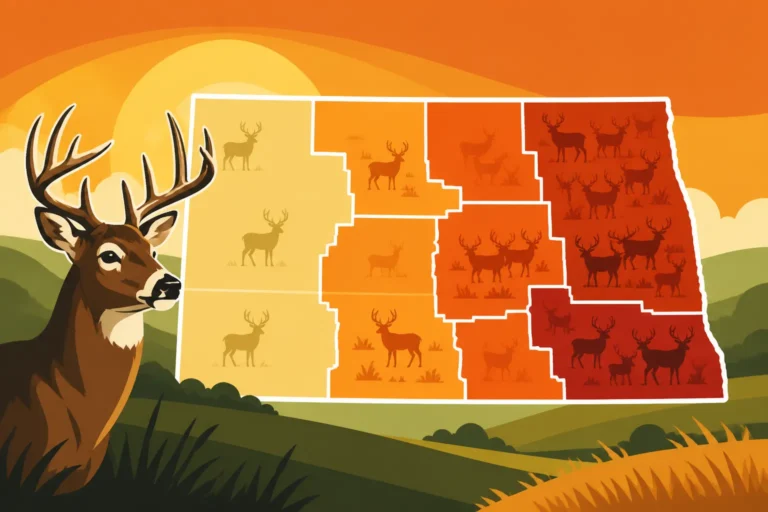
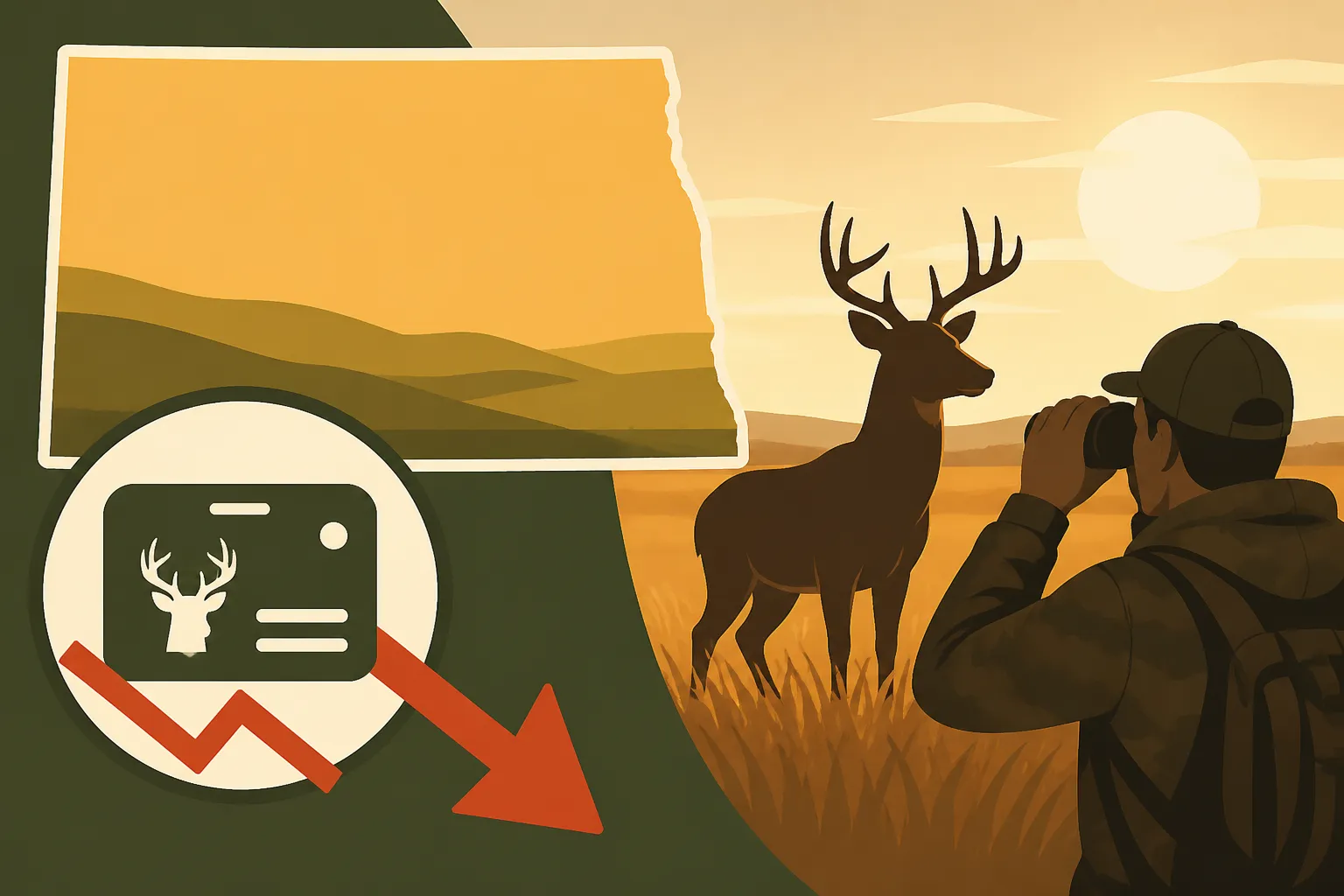
The stark truth is that the North Dakota Game and Fish Department (NDGFD) has had to drastically reduce the number of deer gun licenses available. For example, recent allocations have hovered around 43,000 to 45,000 total licenses, which is a far cry from the 70,000, 80,000, or even 100,000+ tags that were common in the heydays of the late 1990s and early 2000s. This isn't just about a few less tags; it's about making a "North Dakota's Lottery-Based Deer Gun Season" draw a much tougher prospect for everyone involved.
For many families, deer hunting is more than just a sport; it's an annual pilgrimage, a chance to connect with the land and each other. The reduction means that traditions built over decades, where grandfathers, fathers, and sons or daughters hunted together with relative ease, are now challenged. It creates a genuine sense of loss and frustration when you’ve put in for your tag year after year, only to see the odds shrink dramatically.
The phrase "fifty-year low" emphasizes the severity and rarity of the current situation. It's a benchmark that highlights just how much the deer population has been impacted, forcing the NDGFD to take unprecedented, conservative measures to ensure the long-term health of the herd. When you see figures like "How Many Deer Licenses North Dakota Issued in 2026", it drives home the reality of how restricted opportunities have become.
A Look Back at Historical Deer Management
Looking back, North Dakota has experienced cycles of deer population highs and lows, but nothing quite like this sustained downturn in license allocations. In the past, particularly from the late 1990s through the mid-2000s, deer populations, especially white-tailed deer, were booming across the state. Farmers often complained about crop damage, and the NDGFD responded by issuing very liberal tag numbers, including multiple antlerless tags per hunter, to help manage robust herds.
Deer management is a delicate balance. When populations are healthy and expanding, managers often increase harvest opportunities to maintain ecological balance, prevent overpopulation issues like habitat degradation, and provide ample hunting recreation. These were the golden years, where most hunters could secure a tag, sometimes even two, for their preferred unit.
However, the current situation represents a distinct shift towards rebuilding. The NDGFD's strategy is now squarely focused on herd recovery, which means pulling back significantly on harvest pressure, especially on does, to allow the population to naturally increase. This conservative approach is a direct response to the ecological challenges the deer have faced and continues to shape future license availability.
The Driving Forces Behind Declining Deer Populations
The current low in deer licenses isn't due to a single factor but a perfect storm of environmental challenges, disease, and habitat changes that have severely impacted North Dakota’s deer herds over the last decade. It’s a complex picture that game managers are constantly analyzing to make the best decisions for the future.
The Relentless Impact of Severe Winters
North Dakota winters are legendary for their harshness, and recent years have delivered a particularly brutal punch to the state’s deer populations. Successive severe winters, especially those with prolonged periods of deep snow, extreme cold, and icy conditions, have proven to be devastating for deer survival. This is a critical factor directly impacting "North Dakota Deer Population Estimate".
Think about the winter of 2022-2023, for instance. Much of the state was blanketed in deep snow for months, making it incredibly difficult for deer to access forage. The energy expenditure just to move through heavy snow, coupled with limited food sources, leads to high mortality rates, especially among fawns and older, less resilient deer. This kind of winter stress doesn't just reduce numbers in that specific year; it also weakens the surviving does, potentially impacting their reproductive success in the following spring. We've seen this cycle play out in various regions, where recovery from one tough winter is immediately challenged by another. It truly emphasizes the difficulty of "Hunting After a Hard Prairie Winter" and its long-term effects.
When deer are forced to expend so much energy just to survive, their body condition declines, making them more susceptible to disease and predation. The impact is felt most acutely in areas with less protective habitat, where deer have fewer places to find shelter from the elements and easier access to food.
Habitat Loss and Fragmentation Across the State
Beyond the immediate impact of winter, the ongoing loss and fragmentation of critical deer habitat have chipped away at the resilience of our deer herds. As agricultural demands shift and land use changes, vital areas that provide bedding cover, fawning grounds, and crucial winter food sources are shrinking or becoming disconnected.
Consider the role of Conservation Reserve Program (CRP) lands, shelterbelts, and river bottom timber. These areas are ecological goldmines for deer, offering thick cover for fawns to hide, mature trees for winter thermal protection, and diverse forage. However, as commodity prices fluctuate, more CRP acres are converted back to cropland, and shelterbelts are sometimes removed for larger farming equipment. This reduces the quality and quantity of refuge available to deer, forcing them into smaller, more exposed areas.
This habitat fragmentation also restricts deer movement and migration patterns, which are essential for genetic diversity and accessing seasonal food sources. When deer are concentrated in fewer, smaller pockets of cover, they become more vulnerable to predation, disease transmission, and hunting pressure. It's a slow, steady erosion that makes the herd less robust in the face of other challenges.
The Persistent Threat of Chronic Wasting Disease (CWD)
Chronic Wasting Disease (CWD) is a grim reality for deer managers and hunters across North Dakota. This neurological disease is always fatal for deer, elk, and moose, and its slow but steady spread has become a significant management concern, particularly in "North Dakota's Expanding CWD Hunting Units".
The NDGFD has identified CWD in a growing number of units, especially along the Missouri River corridor and into parts of the Badlands. When CWD is detected in a unit, management strategies often pivot towards reducing deer densities in those areas. The rationale is that lower deer densities can help slow the transmission of the disease within the herd. This directly translates to reduced license allocations, as managers aim to meet biological objectives related to disease control rather than maximizing hunter opportunity.
Mandatory CWD testing in certain units, such as those within the 14-unit CWD zone, also impacts hunters. While crucial for data collection and monitoring the disease's spread, it adds another layer of consideration for hunters planning their season. The long-term implications of CWD on herd health and hunter opportunity are profound and continue to influence license availability in affected units.
What This Means for North Dakota Hunters
The significant reduction in deer licenses has not just altered statistics; it has reshaped the hunting landscape for thousands of North Dakotans and nonresidents. The emotional and practical impacts are far-reaching, forcing hunters to adapt, innovate, and sometimes, endure frustration.
Reduced Drawing Odds and Hunter Frustration
For many, the most immediate and tangible impact of the license low is the sheer difficulty in drawing a tag. The annual anticipation of the deer lottery results now comes with a heavier dose of anxiety. Units that were once considered sure bets for a gun tag, especially antlerless options, have become incredibly competitive. This is particularly true for "North Dakota's Lottery-Based Deer Gun Season", which is the most sought-after tag.
The preference point system, designed to reward loyalty and persistence, still provides an advantage, but even accumulating several points doesn't guarantee success in popular units when the overall pool of available tags is so small. It’s understandable that hunters feel a deep sense of frustration. This isn't just a leisure activity; for many, it's a vital part of their lifestyle, a connection to the land, and a source of healthy, organic meat for their families. Tools like GoHunt can be a real asset here, providing detailed draw odds and unit breakdowns to help hunters make the most informed decisions possible, even when facing tough competition. Understanding the trends and historical success rates for specific units can sometimes give you a slight edge or at least manage expectations.
The emotional toll extends beyond the individual. Many multi-generational hunting parties find it challenging to get enough tags for everyone to hunt together, breaking cherished traditions and camaraderie. It creates a domino effect where planning an entire fall season around deer hunting becomes uncertain and stressful.
Shifting Strategies for Deer Hunters
Faced with these new realities, North Dakota hunters are demonstrating remarkable adaptability, shifting their focus and strategies to maintain their connection to the outdoors. The decline in gun tags means many are looking at alternative hunting methods and species.
One significant shift is towards archery season. "Bowhunting North Dakota's Long Archery Season" offers more accessible tags, with many general archery licenses available over-the-counter. This means more hunters are investing in archery equipment and honing their skills, seeking to fill their freezer or pursue a trophy buck outside the highly competitive gun season. Similarly, "Muzzleloader Deer Hunting in Select North Dakota Units" offers another avenue, often with different drawing odds and a unique challenge that appeals to those looking for a different experience.
Hunters are also increasingly exploring public lands like "North Dakota Wildlife Management Areas" and PLOTS (Private Land Open To Sportsmen) tracts, which can see increased pressure with fewer private land opportunities. This requires more diligent scouting, understanding property boundaries, and often, more walking to find unpressured areas. GoHunt's mapping and scouting tools are particularly useful here, allowing hunters to identify promising terrain, analyze aerial photos, and understand land ownership to maximize their chances. It’s about being smarter and working harder when the opportunities become scarcer.
Beyond deer, some hunters are turning their attention to other species like upland birds ("Pheasant Hunting North Dakota's Prairie") or waterfowl ("Duck and Goose Hunting North Dakota's Potholes"), where license availability is generally more consistent. This diversification allows them to stay active in the field, even if their primary deer hunting ambitions are temporarily on hold.
Management Strategies and the Path Forward
The North Dakota Game and Fish Department is not taking the current deer population decline lightly. A robust, science-based approach is underway, coupled with continuous monitoring and adaptive management strategies, all aimed at rebuilding the deer herds for future generations of hunters.
NDGFD's Conservative Approach to Herd Recovery
The core of the NDGFD's strategy is a conservative approach to allow deer populations to rebound naturally. This means deliberately reducing harvest pressure, especially on does, which are the reproductive engine of the herd. The goal is simple: let more does survive, produce fawns, and grow the population over several years.
This strategy is directly reflected in decisions like "Why Antlerless Licenses Are Unavailable in Some Units" or are severely limited in others. Game managers meticulously analyze data from aerial surveys, hunter "North Dakota Deer Reporting Requirements", and harvest statistics to gauge the health and size of the "North Dakota Deer Population Estimate" in each unit. This granular approach allows them to tailor license allocations to specific local conditions.
Beyond reducing tags, the NDGFD also invests in habitat improvement projects, often partnering with landowners and conservation organizations. These efforts focus on enhancing winter cover, planting food plots, and creating diverse habitat mosaics that help deer survive harsh conditions and thrive. These initiatives are long-term investments, but they are crucial for building resilient deer herds capable of withstanding future environmental challenges.
The Role of Hunter Participation and Feedback
Hunters are more than just license buyers; they are critical stakeholders and partners in wildlife management. Their participation, observations, and feedback are invaluable to the NDGFD's efforts to manage deer populations effectively.
It's vital for hunters to accurately report their harvest, even if it's an antlerless deer or if they didn't fill their tag. This data is aggregated by the NDGFD to understand harvest success rates, age structures, and overall population trends, which directly inform future license allocations. Without accurate reporting, the picture becomes less clear, potentially leading to less effective management decisions.
Furthermore, participating in surveys, attending public meetings, or providing constructive feedback to the NDGFD helps shape future policies and regulations. Understanding the science behind management decisions, even when those decisions lead to fewer tags, fosters trust and cooperation between hunters and the department. Resources like "North Dakota Hunter Education Requirements" also play a role in fostering responsible hunting practices and an understanding of wildlife management principles among new and seasoned hunters alike.
| Season Year | Total Deer Gun Licenses Allocated | Key Factors Influencing Allocation |
|---|---|---|
| 2019 | ~55,000 | Moderate winter, some recovery |
| 2021 | ~60,000 | Favorable conditions, slight increase |
| 2023 | ~45,000 | Severe winter mortality, CWD concerns |
| 2026 (Recent) | ~43,000 | Continued recovery efforts, CWD management |
Note: These numbers are approximate and vary slightly year to year. The table illustrates the general trend of significant decline in recent allocations, particularly for the 2023 and 2026 seasons, which align with the "fifty-year low" narrative.
The current license low is a challenging period for North Dakota hunters, but it is also a testament to the NDGFD's commitment to sound wildlife management. By understanding the underlying causes and actively participating in conservation efforts, hunters can play a vital role in supporting the recovery of North Dakota's deer herds, ensuring that future generations can once again experience the rich traditions of deer hunting in the state. The path to recovery might be long, but with collective effort, the future of deer hunting in North Dakota can remain bright.
Disclaimer
Please note that hunting regulations, license availability, and season dates are subject to change. Always consult the official North Dakota Game and Fish Department website or their annual proclamation for the most current and accurate information before planning any hunting activity.