North Dakota’s Mule Deer Range
For anyone who’s ever pointed their truck west and dreamed of chasing big game across the vast expanses of North Dakota, the thought of mule deer likely comes to mind. But unlike their whitetail cousins, these majestic animals aren't just everywhere. Pinpointing their stronghold and understanding their preferred range is the first, crucial step to a successful hunt, and this guide is dedicated to breaking down exactly where North Dakota's mule deer call home and what that means for hunters.
Understanding Mule Deer Habitat Preferences in North Dakota
Mule deer, with their distinctive large ears and bounding gait, are creatures of specific landscapes. In North Dakota, this means a significant departure from the dense river bottom timber or agricultural shelterbelts favored by whitetails. Their habitat preferences are quite pronounced and directly influence where you'll find them.
The Rugged Badlands: A Mule Deer Stronghold
When we talk about mule deer in North Dakota, the conversation inevitably starts and often stays in the Badlands. This unique geological formation, carved by centuries of erosion, offers a perfect blend of food, water, and security that mule deer thrive in. Imagine deep, winding coulees, steep buttes, and draws dotted with juniper and sagebrush, with occasional stands of Ponderosa pine clinging to the steeper slopes. This broken topography provides excellent cover from predators and the elements, while the varied vegetation offers a diverse diet.
The Badlands terrain, particularly within the Little Missouri National Grassland, is truly the heart of mule deer country here. These animals are incredibly adept at navigating the steep, eroded hillsides, using the intricate network of cuts and washes to move unseen. They'll often bed high on windswept ridges where they can survey their surroundings, or tucked into the shaded north-facing slopes during warmer weather. The mosaic of exposed clay, rocky outcrops, and sparse grass provides not only sustenance but also thermal cover, protecting them from the scorching summer sun and the biting prairie winds of winter.
Pockets of Prairie Muleys: Beyond the Badlands
While the Badlands are undoubtedly the prime address for North Dakota mule deer, it would be a mistake to assume they are exclusively found there. Mule deer, though less common, can be found in isolated pockets of broken country extending eastward from the Badlands into parts of western and even central North Dakota. These areas typically feature rolling hills, rough river drainages, and areas with significant native prairie interspersed with agricultural fields. Think of the breaks and coulees along smaller tributaries that feed into the larger rivers, where the terrain becomes too rugged for intensive farming.
These "prairie muleys" adapt to a slightly different environment than their Badlands counterparts, often utilizing small islands of rough pasture and creek bottoms that provide just enough cover to feel secure. They might rely more heavily on the protection offered by deep draws or even scattered tree lines in these more open landscapes. While their numbers are certainly lower in these transitional zones, finding a mule deer outside the classic Badlands offers a unique challenge and a testament to their adaptability. Hunters need to adjust their expectations for density and focus on identifying those isolated patches of suitable habitat that stand out from the surrounding flatlands.
Geographic Distribution and Population Density
Understanding where mule deer live is one thing, but knowing how many live there and in which specific areas is key to planning a successful hunt. The North Dakota Game and Fish Department (NDGFD) meticulously tracks these populations, and their data helps us zero in on the best opportunities.
Core Mule Deer Management Units
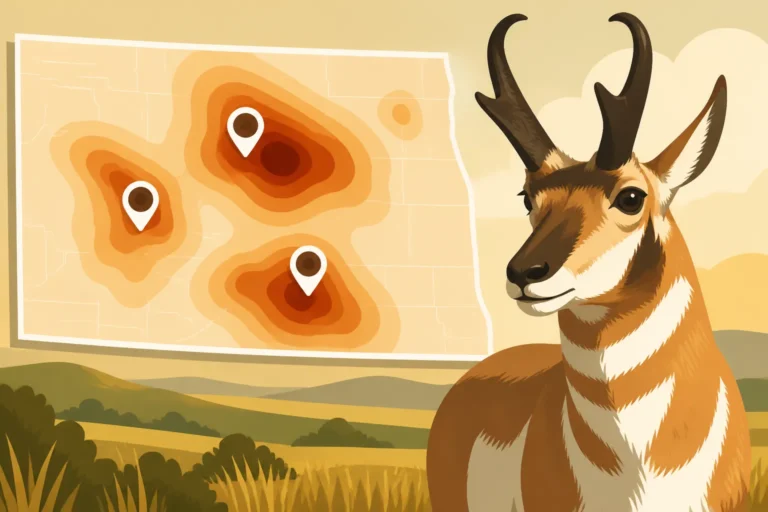
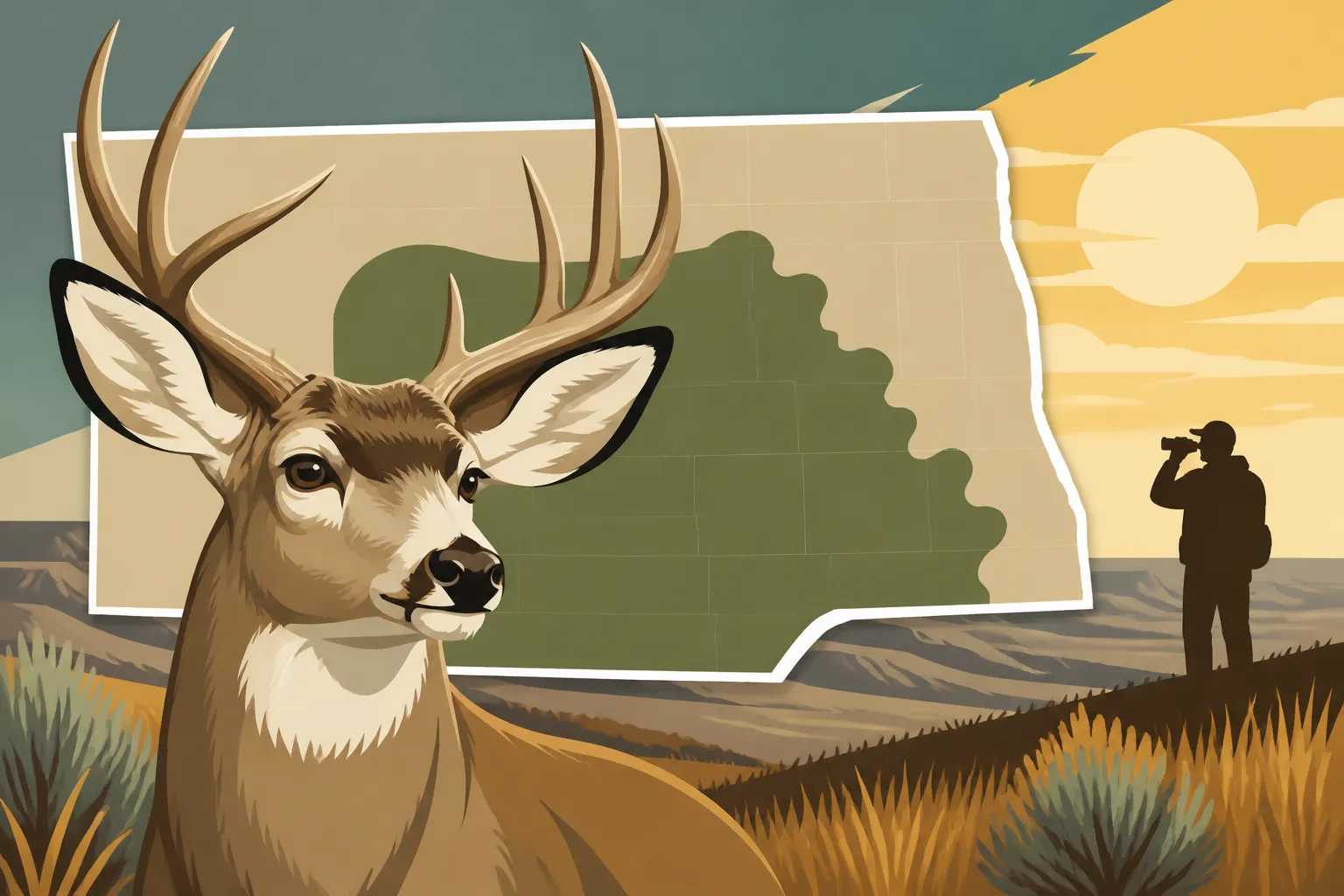
The vast majority of North Dakota's mule deer population resides in the Badlands, specifically within designated management units in the western part of the state. These units consistently show the highest densities and offer the best chances for encountering mule deer. Hunters familiar with the license lottery often recognize units like 4A, 4B, 4C, 4D, and 4E as prime mule deer units. These units encompass the rugged terrain of the Little Missouri National Grassland and surrounding private lands that share similar characteristics.
The NDGFD conducts aerial surveys, typically in spring, to estimate populations, particularly does and fawns, which directly inform tag allocations for the upcoming season. These surveys are critical in determining the North Dakota mule deer population estimate and ensuring sustainable hunting opportunities. Hunters scouting these areas will often find mule deer concentrated in the deepest coulees and draws, especially those with good escape cover and browse. Utilizing tools like GoHunt, which provides detailed unit breakdowns and mapping layers, can be invaluable for identifying prime areas within these core units before you even set foot in the field.
Peripheral and Transitional Zones
Beyond the core Badlands units, mule deer distribution becomes more scattered and often coincides with the edges of their preferred habitat. These peripheral units, while still in western North Dakota, might represent areas where the terrain transitions from highly broken Badlands to more rolling prairie or river breaks. Units further east, like some portions of 3B1 or 3B2, might occasionally produce mule deer, but their numbers are significantly lower and less consistent.
Hunting in these transitional zones presents a different challenge. You're less likely to find large groups of mule deer, and instead might encounter isolated individuals or small family groups. Success often hinges on finding those overlooked pockets of rough habitat that others might pass by. These areas can also be where Mule Deer Versus Whitetail Habitat Overlap is most pronounced, requiring hunters to be extra vigilant in identifying their target species. While not offering the same high-density opportunities as the core Badlands, these zones can be rewarding for persistent hunters willing to explore and adapt their strategies to a mixed-species environment.
Mule Deer Versus Whitetail Habitat Overlap
It’s a common misconception, especially for hunters new to North Dakota, that mule deer and whitetail deer inhabit completely separate realms. While they certainly have their distinct preferences, there are many areas, particularly in western North Dakota, where their worlds intersect. Understanding this overlap is crucial for target identification and strategic hunting.
The Intersecting Worlds of Two Species
In the Badlands and adjacent river breaks, you can often find both whitetails and mule deer utilizing the same general landscape. However, even when coexisting, they tend to use the terrain and cover in subtly different ways. Mule deer typically prefer the more open, higher ground, favoring the steep, exposed slopes, rimrocks, and the vast, broken expanses of the Badlands. They use their excellent eyesight and the expansive views to detect danger, often relying on their speed and bounding gait to escape into the complex topography.
Whitetails, on the other hand, usually stick to the denser, thicker riparian cover along creek bottoms, brushy draws, and the timbered pockets that offer more concealment. They are masters of cover and often rely on stealth and waiting out danger. You might find a mule deer buck bedded on an open, sagebrush-covered hillside, while a whitetail doe is tucked into a patch of thick willows just a few hundred yards away in the bottom of a coulee. Recognizing these subtle preferences is a learned skill that comes from spending time in the field, observing deer behavior, and understanding the nuances of the terrain.
Adapting Hunting Strategies for Mixed Habitat
Hunting in areas where both species are present requires a flexible and observant approach. For mule deer, the classic strategy involves a lot of glassing from high vantage points, meticulously picking apart the distant hillsides, draws, and coulees. You're looking for that telltale horizontal line of a deer's back, the flick of an ear, or the white rump patch against the tan and gray backdrop. Using quality optics, like a good pair of binoculars or a spotting scope, is paramount for Glassing Badlands Coulees for Elk, which is a similar visual search to mule deer. When you spot a mule deer, the approach then becomes a game of using the terrain to your advantage for a careful stalk.
Conversely, for whitetails in the same general area, your focus might shift to still-hunting through the denser cover, watching creek beds, and targeting brushy areas where they seek refuge. Tracking in fresh snow can also be incredibly effective for whitetails. It’s not uncommon to start your morning scanning wide-open draws for mule deer and then transition to still-hunting a brushy river bottom if you pick up fresh whitetail sign. Hunters utilizing mapping tools like GoHunt can layer different habitat types to identify these overlapping zones and plan their approach accordingly, helping to distinguish potential mule deer haunts from typical whitetail bedding areas.
Factors Influencing Mule Deer Range and Numbers
Mule deer populations are dynamic, constantly shaped by a variety of environmental and external pressures. Understanding these factors is key to appreciating why their range might shift and why populations fluctuate from year to year.
Weather Extremes and Habitat Changes
North Dakota's weather is famously extreme, and these conditions have a profound impact on mule deer. Severe winters, characterized by heavy snow and prolonged periods of cold, can be devastating. Deep snow makes it difficult for deer to access forage, leading to malnutrition, and extreme cold further saps their energy reserves. This is especially true in the exposed Badlands, where mule deer have fewer options for sheltered bedding areas compared to whitetails in dense timber. Hard winters can lead to significant mortality, particularly among fawns and older animals, directly impacting the Badlands Deer Density and overall population.
Drought conditions, while seemingly the opposite problem, also pose a threat. Extended dry spells reduce the quality and quantity of forage, forcing deer to travel further for food and water. This can concentrate animals in certain areas, making them more vulnerable to disease or predation, or simply reducing their overall health and reproductive success. Beyond natural cycles, human-induced habitat changes, such as energy development, road construction, and the conversion of native prairie to agriculture, can fragment mule deer range, reduce available habitat, and disrupt traditional migration patterns. While there are efforts to mitigate these impacts, they remain a long-term challenge for mule deer conservation.
Disease and Predation Pressures
Like all wild populations, North Dakota's mule deer face threats from disease and predation. Chronic Wasting Disease (CWD) is a persistent concern, and the NDGFD actively monitors its presence and spread. While currently at low prevalence in North Dakota, the potential for CWD to impact herd health and management strategies is significant. Hunters in certain units may be required to submit samples for testing, especially in North Dakota's Expanding CWD Hunting Units, to help track the disease. Epizootic Hemorrhagic Disease (EHD) is another disease that can cause localized die-offs, particularly during hot, dry summers when deer congregate near limited water sources.
Predation also plays a role, particularly impacting fawn survival. Coyotes are the most common predators of mule deer fawns, and their presence can certainly affect fawn recruitment, especially in areas with lower deer density or when other prey sources are scarce. While less common, mountain lions are present in the Badlands and will prey on deer, including mule deer. While these natural pressures are part of a healthy ecosystem, severe winters or other stressors can exacerbate their impact, making the herd more vulnerable. Management efforts often aim to balance these factors to maintain a healthy and robust mule deer population.
Scouting and Hunting Tactics for North Dakota Mule Deer
Hunting mule deer in North Dakota's Badlands is a truly immersive experience that demands preparation, patience, and a solid understanding of the terrain. It's less about blinds and feeders and more about covering ground and glassing intelligently.
Effective Glassing Techniques
The expansive, open nature of the Badlands makes glassing the primary tool for locating mule deer. You're not just scanning; you're systematically dissecting the landscape. Find a good vantage point, ideally one that offers a panoramic view of multiple coulees, draws, and hillsides. Invest in quality binoculars (10x-15x) and a good spotting scope (20x-60x or higher) on a sturdy tripod. Begin by breaking the landscape into smaller, manageable sections. Start at the nearest points and work your way out, slowly moving your optics in a grid pattern. Pay close attention to any breaks in the pattern, any subtle color changes, or horizontal lines that contrast with the vertical and diagonal lines of the terrain.
Mule deer often blend in incredibly well, so look for just parts of an animal: an ear twitch, a patch of antler, the dark shape of an eye, or the outline of a leg. Glass all shadows, especially on sunny days, as deer often bed there to escape the heat. Early mornings and late evenings are prime times, as deer are often more active. However, don't discount midday; mule deer frequently bed where they can still see danger, making a careful, slow scan of likely bedding areas productive. Tools like GoHunt's satellite imagery can help you identify potential bedding areas, south-facing slopes for winter sunning, or north-facing slopes for summer shade, before you even start glassing. This methodical approach will dramatically increase your chances of spotting a mule deer.
Navigating the Badlands Terrain
The Badlands are beautiful but deceptively challenging. The terrain is steep, often loose, and riddled with countless draws and washes. Physical preparation is paramount. You’ll be doing a lot of hiking, much of it up and down steep grades. Good quality, broken-in hiking boots with excellent ankle support are non-negotiable. Carry plenty of water, high-energy snacks, a first-aid kit, and a reliable navigation system. Cell service can be spotty, so download offline maps (like those available through GoHunt) or carry a GPS device.
Once you spot a deer, the stalk begins. This is where understanding Wind and Thermals in Badlands Terrain becomes critical. Wind direction dictates your approach to keep your scent from reaching the deer. Thermals, which are air currents that rise with the warming sun and fall as the air cools, can carry your scent further than you think. Early mornings, thermals often drop down into the coulees, making it ideal to approach from above. As the day warms, thermals rise, allowing you to approach from below. Use every dip, rise, and patch of cover to conceal your movement. It's a game of chess with the landscape, where patience and calculated movements are rewarded. Remember to always know Where Badlands Bucks Bed to identify likely holding spots.
Conservation Efforts and Future Outlook
The continued health of North Dakota's mule deer population is a priority for both wildlife managers and the hunting community. Their unique habitat and vulnerability to environmental changes require ongoing attention and strategic management.
North Dakota Game and Fish Management Strategies
The North Dakota Game and Fish Department (NDGFD) employs a multi-faceted approach to manage mule deer. This includes conducting regular aerial surveys to monitor population trends, fawn recruitment, and buck-to-doe ratios, all of which directly inform annual license allocations. The goal is to maintain a healthy, sustainable population while providing reasonable hunting opportunities. This often involves adjusting tag numbers based on winter severity, habitat conditions, and disease prevalence. For instance, following a particularly harsh winter, the NDGFD might reduce antlerless tags to help the herd rebound.
Beyond direct harvest management, the NDGFD also works on habitat enhancement projects, often in collaboration with private landowners and federal agencies like the US Forest Service on the Little Missouri National Grassland. These projects might involve prescribed burns, invasive species control, or restoring native vegetation to improve forage and cover. Education and outreach are also critical components, engaging hunters and the general public in the importance of mule deer conservation. The department constantly analyzes data and adapts its strategies to ensure the long-term viability of the state's mule deer.
Hunter's Role in Mule Deer Conservation
As hunters, we play an indispensable role in the conservation of North Dakota's mule deer. Our license fees directly fund the management efforts of the NDGFD, and our actions in the field contribute to the overall health of the herd. Ethical hunting practices are paramount: respecting game laws, ensuring clean kills, and promptly recovering harvested animals. It's also crucial to respect private land, always obtaining permission before hunting, even if you are just retrieving a downed animal. Understanding North Dakota Trespass and Permission Law is essential.
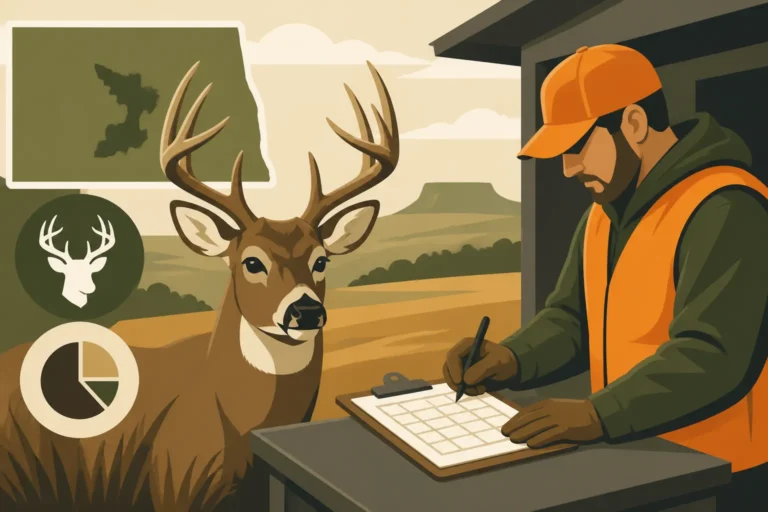
Participating in post-harvest surveys, accurately reporting your harvest, and assisting with CWD testing if required, all provide valuable data that helps wildlife managers make informed decisions. Beyond this, consider supporting conservation organizations such as the Mule Deer Foundation, which dedicates resources specifically to mule deer habitat projects. By being responsible, informed, and engaged, North Dakota hunters can ensure that future generations will continue to have the opportunity to pursue these magnificent animals in their rugged Badlands home.
| North Dakota Mule Deer Management Units (Example) | Primary Habitat Type | General Characteristics | Notes for Hunters |
|---|---|---|---|
| Unit 4A | Badlands, Grassland | Highly broken terrain, deep coulees, juniper draws | Excellent mule deer potential, often requires significant hiking. |
| Unit 4B | Badlands, Grassland | Similar to 4A, some riparian areas along Little Missouri River | Good mix of cover, can hold both muleys and whitetails. |
| Unit 4C | Badlands, Cropland | Transition zone, Badlands buttes bordering agricultural fields | Mule deer may utilize breaks, but spend time in fields. |
| Unit 4D | Badlands, River Breaks | Rugged breaks along the Little Missouri River and tributaries | Can be very steep, dense pockets of cover. |
| Unit 4E | Badlands, Open Prairie | More open Badlands, expansive views, some scattered timber | Great for long-range glassing, but less escape cover. |
| Unit 3B1/3B2 | Rolling Prairie, River Breaks | Peripheral units with isolated pockets of rough country | Lower density, often a mix of mule deer and whitetails. |
Disclaimer
Please note that hunting regulations, seasons, and unit boundaries can change. Always consult the most current North Dakota Game and Fish Department (NDGFD) regulations before planning any hunting activity. This guide is for informational purposes only and should not replace official NDGFD resources.