Sitting a Field Edge in Late Season
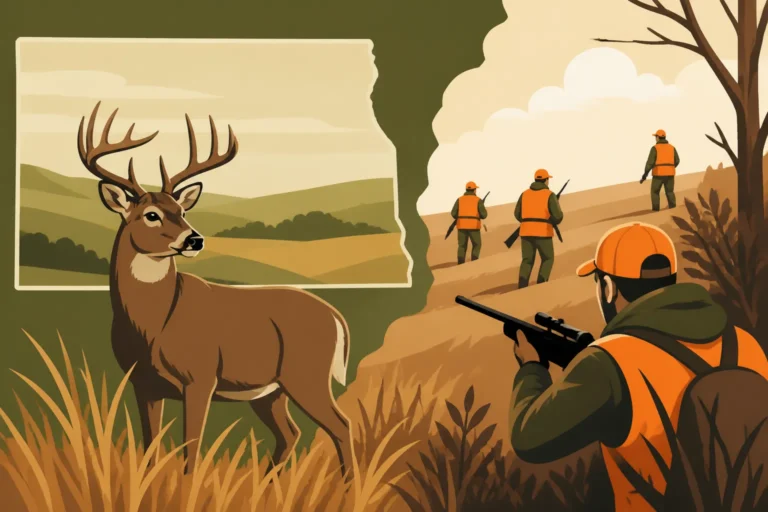
Hunting North Dakota in the late season, especially when targeting those elusive deer feeding on field edges, can feel like an entirely different sport. The mild days of early fall are a distant memory, replaced by biting winds, unforgiving cold, and often a blanket of snow that changes everything. Deer that were once predictable are now wary ghosts, focused solely on survival, seeking out the highest calorie foods and the densest thermal cover. This guide is dedicated to helping you unravel the mysteries of late-season field edge hunting, transforming frustration into productive sits by understanding deer behavior, mastering scouting techniques, and executing strategic setups in the challenging North Dakota landscape.
The Late-Season Field Edge Challenge in North Dakota
As the calendar turns towards December and January, North Dakota's landscape undergoes a dramatic transformation. What was once lush, abundant food sources and widespread cover begins to shrink, forcing deer to concentrate their efforts on the remaining high-energy options. This shift creates both challenges and opportunities for the late-season hunter.
Why Late Season is Different
The biggest hurdle in late-season hunting is undoubtedly the weather. Bitter cold, persistent winds, and deep snow drastically alter deer movement patterns and their priorities. Instead of focusing on breeding or territorial disputes, whitetails and mule deer alike are now driven by a primal need for survival: finding enough calories to fuel their bodies against the cold and locating thermal cover to escape the elements. This means they'll often hold tight in dense cover during daylight hours, only venturing out to feed during the briefest windows of low light or in response to severe weather that forces them out.
Furthermore, hunting pressure from the archery, gun, and even muzzleloader seasons has left deer highly educated and extremely wary. Those mature bucks that survived the earlier seasons are now experts at avoiding human encounters, often becoming almost entirely nocturnal in heavily hunted areas. This makes a casual sit on any old field edge a low-probability endeavor; success hinges on understanding their heightened sensitivity and adapting your approach accordingly. The field edges themselves, once bustling, can seem deserted, leaving many hunters wondering if there are any deer left at all.
The Importance of Remaining Food Sources
Despite the barren appearance of many fields, remaining food sources are the undeniable magnets for late-season deer. These animals are burning massive amounts of energy just to stay warm, so they need calorie-rich sustenance. In North Dakota, this often means focusing on standing cornfields, harvested soybean fields with plenty of gleanings, or even areas where sunflowers or milo might have been left unharvested or partially cut. These agricultural leftovers provide a crucial energy boost that deer can't find elsewhere once natural forage has dwindled or become buried under snow.
Sometimes, farmers intentionally leave portions of fields unharvested as a food plot, or less than ideal harvest conditions mean more grain is dropped than usual. These are the goldmines you're looking for. A standing cornfield, for instance, offers not only an abundant food source but also significant thermal and visual cover, allowing deer to feed with a greater sense of security. Even seemingly barren soybean or wheat fields can hold an incredible amount of overlooked calories for a deer willing to pick through the stubble. Your job is to identify these high-value areas, because these are the places deer will be funneling into nightly, often traveling considerable distances from their bedding areas just for a meal.
Scouting and Identifying Key Field Edge Locations
You can't effectively hunt a late-season field edge without knowing exactly where deer are concentrating their efforts. This isn't the time for general assumptions; it's the time for precise, intelligence-driven scouting.
Reading the Landscape for Deer Movement
When snow blankets the prairie, it becomes your best friend for scouting. Fresh tracks emerging from dense cover and leading into a field are undeniable evidence of recent deer activity. Pay close attention to the size and direction of these tracks; larger, deeper tracks often indicate bigger deer, and a consistent entry point can tell you exactly where to focus your setup. Look for well-worn trails, not just a single set of tracks, as these indicate repeated use by multiple animals. This is particularly crucial when you're Tracking a Deer in Fresh Prairie Snow.
Beyond tracks, spend time glassing from a distance, preferably using good quality binoculars or a spotting scope. Set up in a location where you can observe multiple field edges without disturbing the area, focusing on the last hour of daylight and the first hour of morning light. Watch for deer filtering out of shelterbelts, creek bottoms, or cattail sloughs into the fields. Identifying natural funnels – like narrow timber pockets, fencelines that create a barrier, or even subtle terrain changes that concentrate movement – will show you where deer prefer to travel between bedding and feeding. Using advanced mapping tools, such as the layers available on GoHunt or onX Layers for North Dakota Land Status, can help you visualize these travel corridors and identify prime pinch points even before you step foot in the field.
Pinpointing Active Food and Entry Points
Not all field edges are created equal, especially in the late season. A massive cornfield might be a magnet, but deer won't enter just anywhere. Your scouting should aim to pinpoint the specific sections of the field edge that are getting the most attention. Look for concentrated droppings, fresh browse lines on corn stalks, or areas where the stubble is significantly disturbed. These signs indicate a primary feeding zone.
Once you’ve identified these hot spots, focus on finding the exact entry and exit points deer are using. These are often tucked away, perhaps where a shelterbelt meets the field, where a small drainage ditch cuts across, or where dense CRP grass provides a low-visibility approach. Deer, especially mature bucks, will prioritize security even when heading to food. They'll often stage just inside the cover, assessing the field for threats before stepping out. Therefore, your ambush point needs to be close enough to these entry points to catch them before they fully commit to the open field. Remember that areas like Hunting Standing Corn for Late-Season Geese can be surprisingly productive for deer, as the cover and spilled grain offer a double incentive.
Strategic Setup for the Late-Season Field Edge
You've done your homework; now it's time to put yourself in a position to intercept those late-season deer. This phase requires meticulous planning, understanding the environment, and prioritizing stealth.
Choosing Your Stand or Blind Location
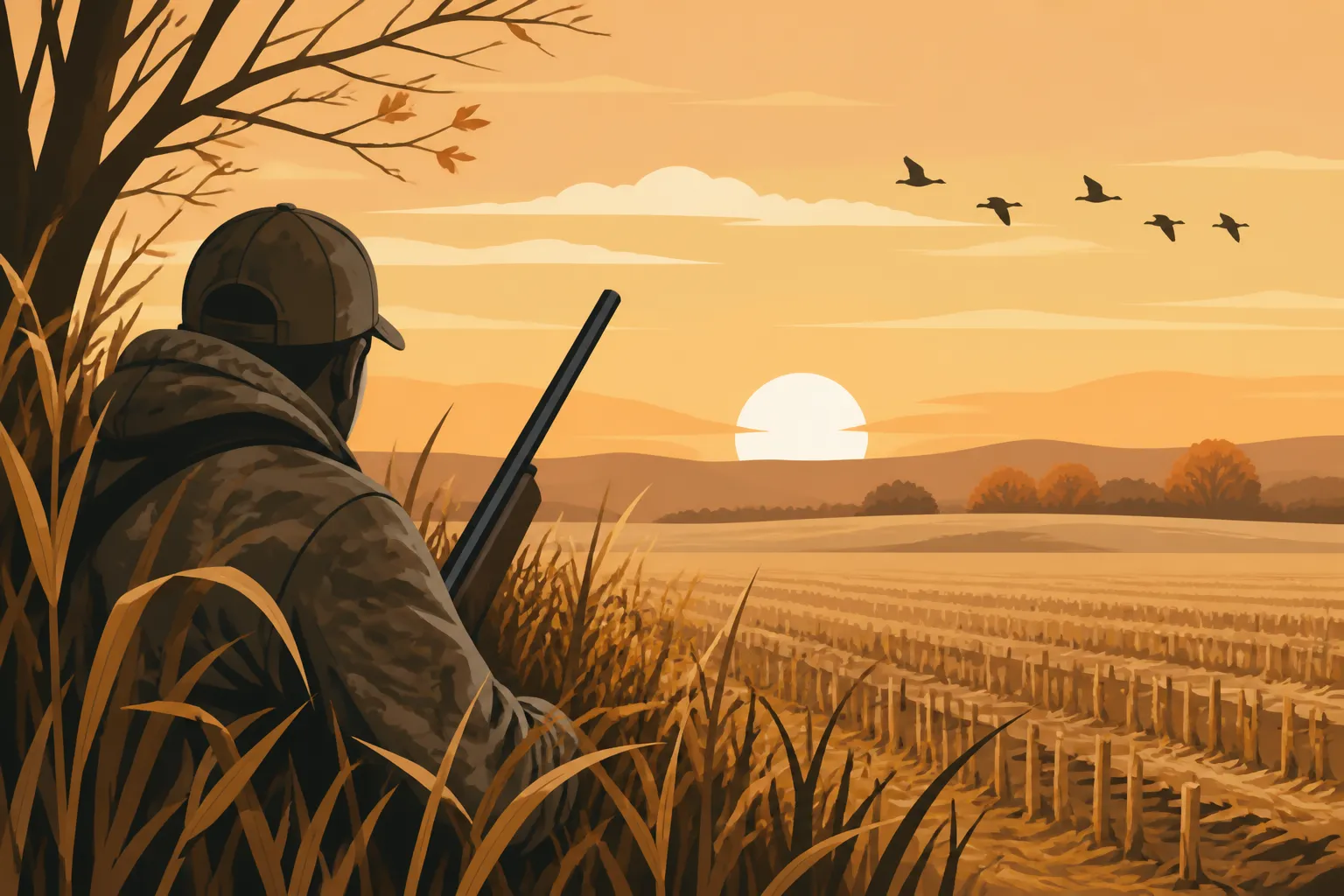
Selecting the perfect location for your stand or blind is arguably the most critical step in late-season field edge hunting. The wind is your absolute master in North Dakota, particularly when it's cold and crisp. Deer rely heavily on their sense of smell, and a single puff of wind carrying your scent can ruin a hunt before it even begins. Always, always, play the wind. This often means having multiple setup options for different wind directions, or being prepared to move if the wind shifts unexpectedly. Think about how deer will approach the field and set up downwind of their anticipated travel paths and feeding areas.
Consider the sun angle as well. If you're hunting an evening feed, you don't want the setting sun silhouetting you or directly in your eyes. For morning hunts, consider how the rising sun might affect your visibility or create shadows that make you stand out. Your chosen spot needs to provide excellent concealment. This might mean tucking a ladder stand into the densest part of a shelterbelt, brushing in a ground blind along a fencerow, or even using natural topography like a subtle rise or ditch edge. Whether you're Hanging a Stand on a Shelterbelt Edge or Using a Ground Blind on PLOTS Land, ensure it blends seamlessly with the surroundings. Elevated stands offer a better vantage point over taller crops and can help with scent dispersal, while ground blinds provide excellent concealment and warmth in bitter cold, but require a more careful approach and clear shooting lanes.
Managing Scent and Entry/Exit Routes
Late-season deer are paranoid, and minimizing your impact on their environment is paramount. Your entry and exit routes must be as stealthy as possible, causing the least amount of disturbance. This means identifying paths that keep you out of sight and downwind of any potential bedding areas or deer concentrations. Use natural terrain features like ditches, creek bottoms, or the backside of hills to mask your approach. Avoid walking directly through the field you intend to hunt, as this will leave a scent trail that could deter deer for days.
Scent control becomes even more critical in cold, dry air, as scent molecules travel further and linger longer. Wear clean hunting clothes that have been washed in scent-eliminating detergents and stored in airtight bags. Dress in layers, ensuring your outer layer is windproof to prevent scent dispersal. When you arrive at your stand or blind, move slowly and deliberately, disturbing as little as possible. The same goes for your exit. If you spook deer coming out of the field after dark, they'll remember and might alter their patterns. Try to exit away from their probable entry/exit points, or wait until they've dispersed. GoHunt often publishes articles on advanced scent control tactics specifically for cold weather, which can be invaluable. Remember, a careful approach, like the tactics used for Entry Routes Through Standing Sunflowers, can make all the difference.
Tactics for Success on North Dakota's Late-Season Field Edges
Once you’re set up, the real test begins. Late-season hunting isn't just about finding deer; it's about understanding their nuanced behavior and adapting your strategy to the specific conditions.
Timing Your Hunts with Weather and Deer Patterns
In the late season, deer are highly sensitive to weather changes. Paying attention to forecasts is crucial. Major cold fronts, especially those preceded by a warm spell, often trigger a pre-frontal feeding frenzy. Deer know severe weather is coming and will pack on calories while they can. Sitting a field edge during these periods can be incredibly productive. Conversely, after a brutal cold front passes, deer might remain bedded for a day or two, but once the immediate storm has broken, they'll often emerge ravenously to replenish their energy stores. This makes the first calm, clear day after a severe cold snap a prime time to be in your stand or blind. Articles like Hunting Deer After a Cold Front delve deeper into this phenomenon.
Don't assume deer only move at dawn and dusk. In bitter North Dakota cold, midday movement can be significant, especially if deer have been pushed hard or if they need to travel a considerable distance for food. The sun at midday, even weak winter sun, offers some warmth, and deer might feel safer moving during these hours when hunters are often back at camp. Therefore, if you're committed to a high-value food source, an all-day sit can sometimes pay off handsomely, catching a mature buck making a mid-afternoon journey.
Adapting to Conditions and Staying Comfortable
The biggest barrier to success in late-season hunting often isn't the deer, it's the hunter. The cold in North Dakota can be debilitating, and an uncomfortable hunter is an unproductive one. Investing in a quality layering system is paramount. Start with moisture-wicking base layers, add insulating mid-layers like fleece or down, and top it off with a windproof, waterproof outer shell. Good quality boots, hand warmers, and even a portable heater for ground blinds can make a world of difference. A thermos filled with hot coffee, tea, or soup can be a moral booster and a core temperature regulator.
Dealing with boredom and staying alert for hours in the cold is a mental game. Minimize distractions. Keep your phone on silent and only use it for emergencies or for checking a mapping app like GoHunt if you need to verify your location. Practice drawing your bow or raising your rifle silently. Continuously scan the field and surrounding cover, looking for subtle movements, a flick of an ear, or a patch of brown that seems out of place. Your focus needs to be laser-sharp because a late-season deer might offer only a brief, fleeting opportunity. Remember, a solid Cold-Weather Sitting Strategy on the Prairie is key to endurance.
Utilizing Calls and Decoys
While calling and decoying are often associated with the rut, they can still have a place in late-season field edge hunting, albeit with a more subtle approach. Deer are incredibly wary by this time of year, and aggressive calling can often spook them. Instead, focus on soft, subtle grunts or doe bleats. These sounds mimic social communication and can sometimes pique a deer's curiosity, causing them to pause or investigate. Light rattling can also work, not to simulate a full-blown fight, but perhaps to suggest two deer are sparring, which might draw a cautious glance from a distant buck.
Decoys are less commonly used in the late season due to the sheer wariness of deer and the open nature of many field edges, but a single, well-placed doe decoy could potentially draw in a buck that is still somewhat interested in does, or simply curious about another deer feeding in the field. If you do use a decoy, position it to appear calm and natural, facing slightly away from your setup to encourage a broadside shot as the approaching deer circles to scent-check it. Always ensure your decoy is visible but not in a position that compromises your concealment.
| Late-Season Field Type | Deer Appeal | Best Hunt Time | Setup Consideration |
|---|---|---|---|
| Standing Corn | Excellent – Food & Cover | Evening | Hunt downwind, focus on edges with dense cover. |
| Gleaned Soybeans | Good – High-calorie remnants | Evening/Morning | Look for concentrated droppings; use ground blinds for low profile. |
| Standing Milo/Sorghum | Excellent – Food & Cover | Evening | Similar to corn, can be even denser, great thermal cover. |
| Winter Wheat/Alfalfa | Moderate – Green forage | Morning/Evening | Less common, but can draw deer if other food is scarce. |
| Sunflower Stubble | Good – Spilled seeds | Evening | Deer will pick through; good for ground blinds if stubble is tall. |
Disclaimer
Hunting is an inherently dangerous activity. This guide provides general information and recommendations. Always consult the official North Dakota Game and Fish Department regulations for the most current rules and laws before engaging in any hunting activities. Adhere to all safety guidelines, obtain proper licensing, and respect private property. The author and publisher are not responsible for any incidents or accidents.