What a Once-in-a-Lifetime Moose Tag Means
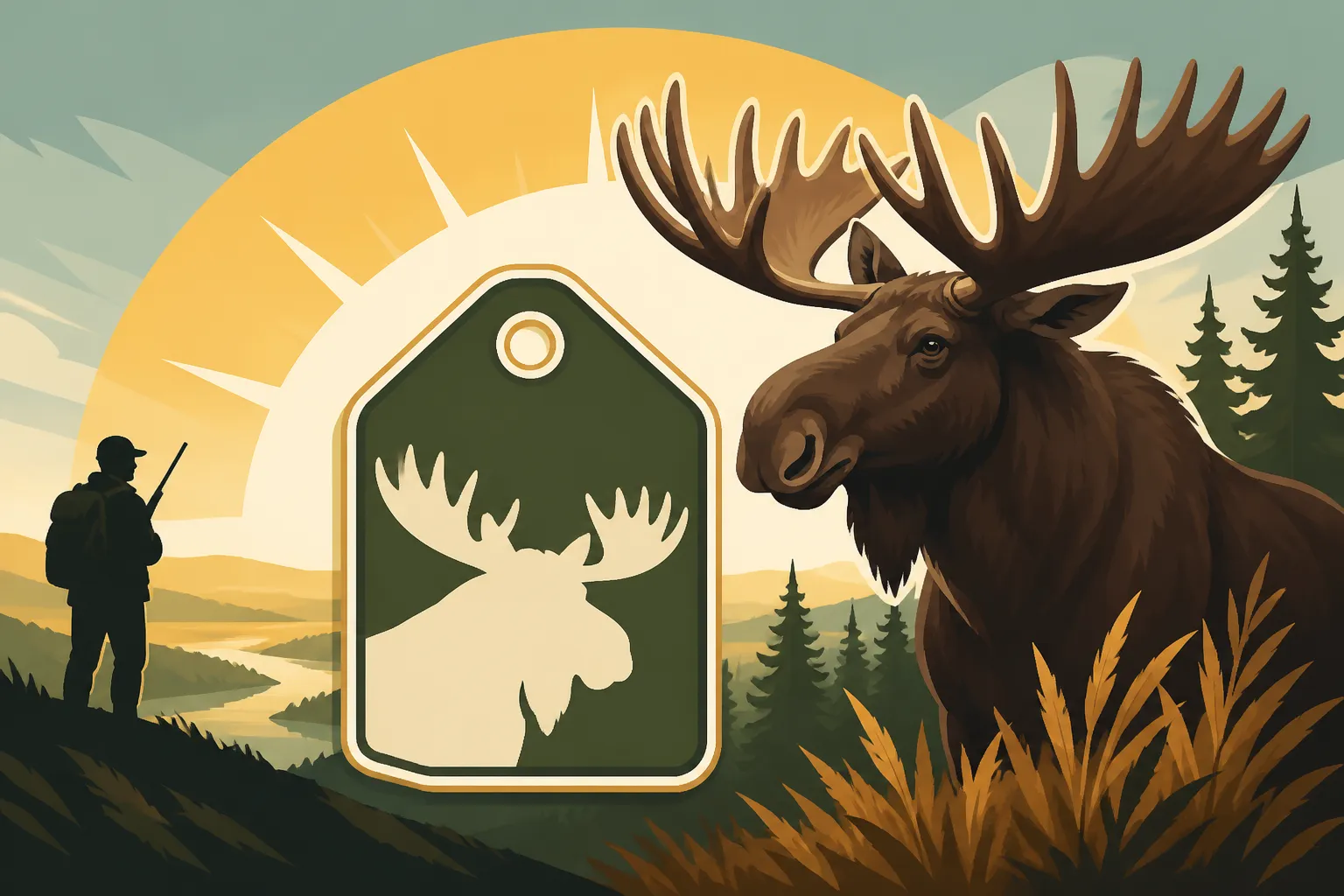
Drawing a coveted North Dakota moose tag is an experience that often leaves hunters a mix of ecstatic and bewildered. You've hit the jackpot in a state with extremely limited opportunities, but then the reality sets in: this isn't just a moose tag, it's the moose tag – your one and only shot. This guide will walk you through exactly what a "once-in-a-lifetime" moose tag means for hunters in North Dakota, from the application process to making the most of your singular opportunity.
Understanding the North Dakota Moose Lottery
The journey to a North Dakota moose hunt begins and often ends in the lottery. Unlike deer tags that are drawn annually by many, a moose tag here is a truly rare prize, reflecting the state's very limited moose population.
The Rarity of a North Dakota Moose Tag
Let's be real, the odds of drawing a North Dakota moose tag are slim to none for most folks. The state's moose population, while managed carefully, is small, particularly when compared to states like Maine or Alaska. This translates directly into an incredibly limited number of tags issued each year by the North Dakota Game and Fish Department. For many hunters, applying for a moose tag becomes an annual tradition, a hopeful gesture that could take decades to pay off, if ever. The excitement when that email finally hits your inbox, or the mail arrives with a successful draw notice, is palpable because everyone understands just how truly rare this opportunity is. If you're looking for more details on the application process and what to expect, you can dive deeper into the North Dakota Moose Lottery Application Process.
The "Once-in-a-Lifetime" Restriction Explained
So, you beat the astronomical odds. Congratulations! Now, what does "once-in-a-lifetime" actually mean? In North Dakota, for specific big game species like moose, elk, and bighorn sheep, this designation means exactly what it sounds like: you get one tag, one opportunity, in your entire hunting career within the state. Once you draw a tag for moose, harvest a moose, or even if you don't harvest a moose but possessed the tag during the season, you are no longer eligible to apply for another North Dakota moose tag ever again. This regulation is put in place to ensure that as many different hunters as possible get a chance at these incredibly scarce and sought-after animals. It's about spreading the opportunity across the hunting community, recognizing the unique status of these animals in North Dakota's diverse ecosystem. This restriction is why species like moose, elk, and pronghorn are often considered "trophy" hunts, not just because of the animal's size, but because of the immense personal investment and rarity of the tag itself. It's also part of the reason Why Elk, Moose and Pronghorn Stay Resident-Only in terms of application, though once drawn, non-residents can book a guide.
Implications of Drawing a Moose Tag
Receiving that "once-in-a-lifetime" tag isn't just a piece of paper; it's a profound responsibility and an immense opportunity rolled into one. It changes how you approach every aspect of the hunt.
Your One Shot at a North Dakota Bull or Cow
The reality of a once-in-a-lifetime tag is that there are no "do-overs." This is your singular opportunity to hunt a moose in North Dakota. This puts a tremendous amount of pressure on the hunter to make the most of it. Every decision, from unit selection to shot placement, carries significant weight. You'll spend countless hours pouring over maps, scouting remote areas, and agonizing over the smallest details. This isn't just about filling a freezer; it's about fulfilling a lifelong dream and making sure you capitalize on this unique chance. Hunters often find themselves debating whether to hold out for a massive bull or take the first legal animal (which could be a cow) they see, knowing that another chance won't come. Understanding the local moose populations and their behavior, such as Picking Out a Bedded Moose in Willow Cover, becomes paramount.
The Value of Preparation and Scouting
Given the one-time nature of this tag, preparation moves from being "important" to absolutely "critical." This is not a hunt you can walk into cold. You need to invest heavily in pre-hunt scouting, both digitally and on the ground. This means studying aerial imagery, understanding migration patterns, identifying food sources, and pinpointing potential bedding areas within your assigned unit. Tools like GoHunt can become invaluable here, offering detailed maps, public land overlays, and historical harvest data that can give you a significant edge. Many successful once-in-a-lifetime tag holders spend months, if not a full year, dedicated to scouting. They might take multiple trips to their unit before the season even opens, walking drainages, observing sign, and becoming intimately familiar with the terrain. This intensive preparation isn't just about increasing your chances of success; it's about honoring the rarity of the tag itself and ensuring you've done everything in your power to make the most of this unique privilege. For anyone serious about this kind of hunt, resources like the North Dakota's Once-in-a-Lifetime Moose Herd information can provide valuable context for your planning.
Table: Annual Tags vs. Once-in-a-Lifetime North Dakota Tags
| Feature | Annual Deer/Waterfowl Tags | Once-in-a-Lifetime Moose/Elk/Bighorn Tags |
|---|---|---|
| Application Cycle | Can apply every year (or purchase over-the-counter) | Apply via lottery; once drawn, never again |
| Tag Availability | Generally higher; specific quotas based on populations | Extremely limited due to small populations |
| Reapplication | Yes, eligible every season | No, permanently ineligible after drawing or using |
| Hunter Pool | Large, many hunters participate yearly | Restricted to those who have not drawn previously |
| Hunt Pressure | Can be significant, especially on public land | High personal pressure due to singular opportunity |
| Preparation Level | Varies; often less intense for regular seasons | Extremely high; maximizing the one chance is key |
Strategies for a Successful Once-in-a-Lifetime Hunt
With a tag so rare, your hunting strategy needs to be meticulously planned and executed. Every moment in the field counts, and capitalizing on opportunities is paramount.
Maximizing Your Chances in the Field
When you've drawn that once-in-a-lifetime moose tag, your in-field strategy becomes singularly focused on success. This isn't the time for casual hunting; it's about purposeful, dedicated effort. North Dakota moose are often found in very specific habitats, typically along river bottoms, creek drainages, and areas with dense willow and timber cover. This means your hunting approach needs to be tailored to these environments. You'll likely spend a lot of time glassing, often from elevated positions overlooking these low-lying areas, searching for the tell-tale dark shape of a moose amongst the brush. Patience is key, as moose can be incredibly reclusive. Spot-and-stalk tactics are common, requiring careful navigation through dense cover and a keen eye for subtle signs of movement. Understanding wind direction and thermals is crucial, especially when trying to get close to these animals. For hunters focusing on these dense areas, tactics like Glassing for Moose in River Bottom Willows are indispensable, often requiring high-quality optics and hours of patient observation. Staying mobile and being willing to cover a lot of ground, both on foot and with vehicles where allowed, can increase your odds exponentially.
Considering a Guide or Self-Guided Approach
For a hunt of this magnitude, deciding whether to go guided or self-guided is a huge consideration. A professional guide brings years of local knowledge, experience with moose behavior, and often access to private land. They handle logistics, animal recovery, and can significantly increase your chances of success, which can be incredibly appealing when you have only one shot. However, guides for North Dakota moose tags can be expensive, and they also mean relinquishing some of the control and personal challenge of a self-guided hunt. It's important to remember that for non-residents, you must have drawn the tag yourself before you can even consider booking a guide. The North Dakota Game and Fish Department makes it very clear that Why You Can't Book a Guided Moose Hunt Without a Tag is to prevent commercialization of these extremely limited resident-priority opportunities. Many resident tag holders choose a self-guided approach, often relying on a strong network of friends and family to help with scouting, tracking, and the physically demanding task of breaking down and packing out a large animal. Whichever route you choose, ensure it aligns with your hunting philosophy, budget, and physical capabilities to make the most of this incredible experience.
After the Harvest: What Comes Next
Successfully harvesting a moose on a once-in-a-lifetime tag is a monumental achievement, but the work isn't over. Proper handling of the animal and cherishing the memories are the final, important steps.
Processing and Trophy Care
A moose is a massive animal, and successfully getting one on the ground is just the beginning of the physical labor. You'll need a solid plan for field dressing, quartering, and packing out the meat. This often requires multiple people, heavy-duty game bags, and perhaps even an ATV or vehicle access. In North Dakota's often unpredictable weather, rapid cooling of the meat is critical to prevent spoilage. If you plan to have a European mount or a shoulder mount, knowing how to properly cape and care for the hide in the field is essential. This often means carrying specialized knives and knowing the correct cuts. Given the sheer size, it's wise to have a local butcher lined up if you're not planning to do it all yourself. This commitment to proper processing is part of respecting the animal and the incredible opportunity you were given. Hunters who achieve this milestone contribute to the North Dakota Moose Hunt Success Rates, which are generally quite high due to the dedicated effort put in by tag holders.
Cherishing the Experience
Beyond the meat in the freezer and the antlers on the wall, the true value of a once-in-a-lifetime North Dakota moose tag lies in the experience itself. This is a story you'll tell for generations. It represents years of applying, the incredible luck of drawing, and the immense effort put into scouting and hunting. The memories forged during that hunt – the cold mornings, the long hours glassing, the thrill of the stalk, and the profound moment of success – are truly priceless. This tag isn't just about securing an animal; it's about immersing yourself in the wild landscapes where How Many Moose Live in North Dakota and experiencing the unique challenge and reward of pursuing one of North America's most magnificent creatures in a state where they are a true rarity. Remember the anticipation, the challenge, the camaraderie, and the ultimate reward. It's a testament to patience, persistence, and passion, and a highlight of any hunter's life.
Disclaimer
Hunting regulations and season dates in North Dakota can change. Always consult the official North Dakota Game and Fish Department website or their current hunting guide for the most accurate and up-to-date information before planning any hunt. This article is for informational purposes only and does not constitute legal advice.