Trapping North Dakota Furbearers
The world of furbearer trapping in North Dakota can feel like a labyrinth of regulations, ethics, and specialized knowledge, leaving many aspiring trappers feeling overwhelmed before they even set their first snare. It's a passion that demands respect for the land and its creatures, a deep understanding of animal behavior, and an unwavering commitment to responsible practices. This comprehensive guide will unravel the complexities of trapping North Dakota's furbearers, offering insights into species, methods, and the crucial rules that ensure a sustainable future for this rich tradition.
Understanding North Dakota Furbearer Regulations and Licenses
Before you even think about setting a trap, wrapping your head around the legalities is absolutely paramount. North Dakota's Game and Fish Department takes furbearer management seriously, and for good reason. These regulations are designed to protect wildlife populations, ensure public safety, and maintain ethical standards within the trapping community. Ignoring them isn't just a minor oversight; it can lead to serious fines, loss of privileges, and even confiscation of your gear.
Navigating State Trapping Regulations
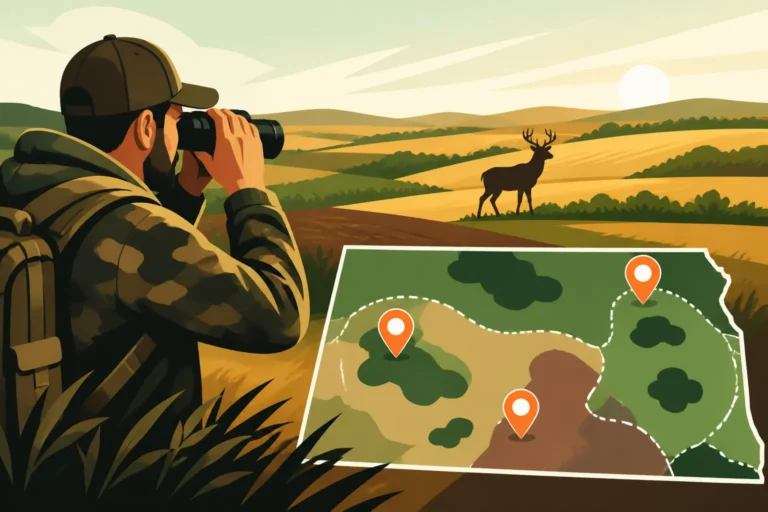
The legal landscape for trapping changes, sometimes subtly, from year to year. It's not enough to just know what was allowed last season; you need to be current. You'll find specific rules regarding trap types, acceptable sizes, set locations, and even how often you need to check your traps. For instance, most dry land sets require traps to be checked within a specific timeframe, often 24 to 48 hours, to minimize suffering. Water sets, like those for beaver or muskrat, might have slightly different requirements depending on the season and specific water body. There are also restrictions on trapping near public roads, residences, or specific wildlife management areas. This level of detail can be daunting, but it’s all in the official North Dakota Game and Fish Department’s proclamation, which is your ultimate source of truth. Sometimes, platforms like GoHunt can offer quick summaries or mapping tools to help scout and visualize potential trapping locations, but always cross-reference with the official guide.
Essential License and Permit Requirements
Just like hunting, trapping requires specific licenses. For residents, it usually means obtaining a general hunting license or a specific trapping license, depending on what you're targeting and how you're doing it. Non-residents face stricter requirements, and often have fewer opportunities, especially for certain furbearer species. It's vital to confirm all your North Dakota Trapping License Requirements well in advance of the season. Beyond the basic license, you might need additional permits if you're targeting specific species or trapping in particular areas. For example, trapping river otters is extremely limited and requires a separate, lottery-drawn tag, highlighting the careful management of less common furbearers. Always keep your physical license or digital proof of license with you when you're out on the trapline.
Furbearer Reporting Obligations
Harvest reporting is a non-negotiable part of responsible trapping in North Dakota. This isn't just a bureaucratic hurdle; it's how the Game and Fish Department collects vital data to manage populations effectively. They need to know what's being harvested, where, and when, to make informed decisions about future seasons and bag limits. For many furbearers, this means reporting your catch within a specified number of days after harvest, often online or through a designated check station. Failure to report can lead to penalties and, more importantly, skews the data, potentially impacting future trapping opportunities for everyone. It's a small but significant contribution to the conservation efforts that keep North Dakota's furbearer populations healthy.
Key Furbearer Species and Their Habitats
North Dakota boasts a diverse array of furbearers, each with its own preferred habitat, behavior patterns, and prime trapping season. Understanding these individual characteristics is the cornerstone of successful and ethical trapping. Knowing where to find them and what drives their movements will significantly increase your odds.
Coyote and Fox: Prairie and Farmland Predators
Coyotes and foxes are arguably the most common and sought-after furbearers for trappers in North Dakota. They thrive across the state's varied landscapes, from the open prairies to agricultural fields and even the edges of small towns. Coyotes are incredibly adaptable, often found hunting small rodents and deer fawns in sprawling grasslands, brushy coulees, and shelterbelts. Red foxes tend to prefer a mix of open fields and timbered areas, often sticking closer to farmsteads and field edges. Both species are intelligent and wary, making them a challenging but rewarding target. The best time to target them is usually when their fur is prime, typically from late fall through mid-winter. You can find detailed information about their seasons in the official North Dakota Fox and Coyote Trapping Season guidelines. Their diet largely consists of small mammals, birds, and carrion, so knowing their food sources helps in choosing trap sets.
Badger and Skunk: Ground Dwellers of the Prairie
Badgers and skunks are also prevalent in North Dakota, though often less targeted by trappers aiming for higher-value furs. Badgers are powerful digging machines, leaving behind tell-tale excavations in prairies, pastures, and disturbed ground as they hunt for rodents like gophers and ground squirrels. They're solitary and mostly nocturnal, making their sign (diggings, tracks) crucial for locating them. Skunks, on the other hand, are more widespread, found in almost any habitat from woodlands to suburban fringes, but particularly in agricultural areas where insects and grubs are plentiful. While not primarily valued for their fur, both can be important for population control, especially if they become nuisances around property. Trapping for these species often occurs incidentally while targeting other predators, or specifically to address problems. You can learn more about specific tactics for North Dakota Badger and Skunk Trapping.
Beaver and Muskrat: Waterway Engineers
For those who enjoy water sets, North Dakota's abundant lakes, rivers, and prairie potholes are teeming with beaver and muskrat. Beavers, the continent's largest rodents, are master engineers, felling trees to build dams and lodges. You'll find them in slow-moving streams, large rivers, and around the edges of lakes, where they create intricate underwater tunnel systems. Look for fresh cuttings, lodges, and dam activity. Muskrats, smaller and more numerous, inhabit nearly every permanent water body with emergent vegetation, from cattail sloughs to river backwaters. They build conical huts or burrow into banks. Their activity, like feeding platforms and runs through vegetation, is easy to spot. Both are harvested for their fur, with beaver castor also being a valuable commodity. Understanding their aquatic behavior and specific water set techniques is key. For more detailed insights, explore our guide on Trapping North Dakota Beaver and Muskrat. The North Dakota Beaver Population and Damage is a testament to their prevalence and management needs.
Mink and Weasel: Elusive River and Field Hunters
Mink and weasels are smaller, more elusive furbearers that often require specialized, discreet sets. Mink are semi-aquatic predators, commonly found along the banks of rivers, streams, and lakes, hunting muskrats, fish, and small birds. Their slender bodies allow them to navigate dense cover and logjams. Weasels, including long-tailed and short-tailed varieties, are active hunters of rodents, often found in field edges, brush piles, and around farm buildings. Both are known for their valuable fur, especially in their prime winter coats. Trapping them requires a keen eye for subtle sign and careful trap placement to avoid non-target catches. Learning about North Dakota Muskrat and Mink Trapping Trends can give you an edge on targeting these valuable creatures.
Essential Trapping Methods and Gear
Trapping is an art form, a blend of science, skill, and an intimate understanding of the environment. The methods and gear you choose are critical to success, but more importantly, to ethical and humane practices.
Foothold Traps: Precision and Restraint
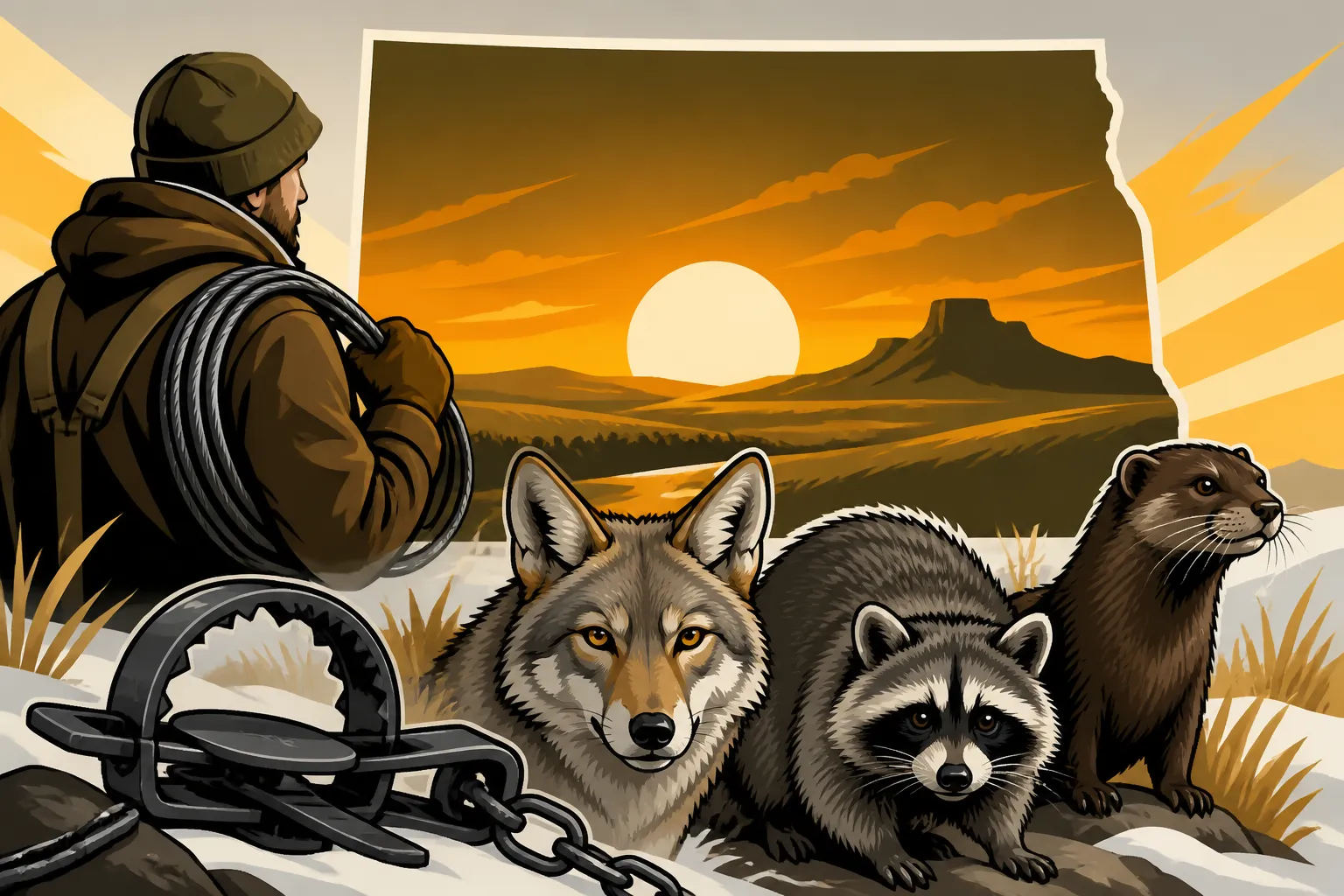
Foothold traps, often referred to as "leghold traps," are a primary tool for land-based furbearers like coyotes, foxes, and badgers. Modern foothold traps are designed to hold an animal securely by the foot without causing significant injury, allowing for a humane release of non-target species. They come in various sizes and jaw designs, from coil-spring to long-spring, each suited for different animal sizes and conditions.
Setting a foothold trap is an intricate process. It requires careful concealment, a precise understanding of an animal's travel patterns, and strategic use of lures and baits. For example, a "dirt hole set" involves digging a small hole, placing bait and lure inside, and then carefully bedding and concealing a foothold trap a few inches in front of it. The idea is to mimic a rodent's den or a caching spot, drawing the furbearer in. For canines, scent control is paramount. Trappers use clean gloves, avoid human odors, and sometimes use natural cover scents to blend into the environment. Success with footholds hinges on paying attention to detail and patience, scouting for animal sign like tracks, scat, and travel corridors, perhaps even using a tool like GoHunt to visualize potential ambush points in terrain. This method, when done correctly, is highly effective and allows for close inspection and dispatch of target animals, or safe release of accidental catches.
Conibear Traps: Quick and Humane Dispatch
Conibear traps, also known as body-gripping traps, are designed for quick, humane dispatch, typically used for furbearers like beaver, muskrat, mink, and otter. These traps snap shut around the animal's body, usually targeting the neck or chest, causing rapid unconsciousness and death. They are incredibly effective when placed correctly within an animal's travel path or den entrance.
There are various sizes of conibear traps, each matched to the size of the target animal. Smaller traps, like the 110 or 120, are suitable for muskrat and mink, often placed in narrow runs or culverts. Larger traps, such as the 220 or 330, are used for beaver, usually set in underwater runs, dam breaks, or lodge entrances. The key to ethical use of conibears is precision in placement. You want the animal to commit fully to the trap's jaws, ensuring a clean catch. This often involves creating "funnels" with natural materials like sticks or logs to guide the animal directly into the trap. Safety is also critical when handling these powerful traps, as they can cause serious injury to an unwary trapper.
Snares: Versatile and Effective for Canines
Snares are another highly effective tool, particularly for coyotes and foxes. A snare is essentially a loop of cable designed to tighten around an animal's neck or body. They are often favored for their relatively low cost, portability, and ability to be set in areas where foothold traps might be impractical, such as dense brush or fence lines.
Effective snaring relies heavily on understanding animal movement and selecting natural choke points. Setting a snare over a well-used trail, through a fence opening, or along a narrow game path can be incredibly productive. The loop size, height off the ground, and anchoring method are all crucial details. You want the snare to be positioned so the animal walks through it, tightening around the neck. The snare's components, including the cable, swivel, and locking mechanism, are chosen to ensure a secure, humane catch. Like all trapping methods, snares require regular checks (often every 24 hours) to minimize any distress to caught animals. Proper snare construction and deployment are essential for both effectiveness and ethical treatment of the animal.
Live Traps: Catch and Release Potential
Live traps, also known as cage traps or box traps, are primarily used when catch-and-release is the objective, or when targeting certain nuisance animals where lethal methods are prohibited or undesirable. These traps capture an animal unharmed, allowing the trapper to relocate it or, in some cases, dispatch it humanely if it's a target furbearer.
Live traps are common for raccoons, skunks, and sometimes even smaller foxes. They are typically baited with food attractants appropriate for the target species. The trap has a trigger mechanism that, when tripped, causes the door to spring shut, caging the animal inside. While generally considered humane, live traps still require frequent checks to prevent the animal from experiencing undue stress, exposure to elements, or dehydration. They are also bulkier and often less efficient for large-scale furbearer harvest compared to footholds or conibears, but serve a vital role in specific trapping scenarios, especially near human habitation.
Seasonality, Scouting, and Best Practices
Timing, location, and a keen eye for detail are what separate successful trappers from those who consistently come up empty-handed. Trapping isn't just about setting a device; it's about understanding the rhythm of nature and placing your traps where they'll intercept furbearers naturally.
Early Season Trapping Strategies
The early trapping season in North Dakota, typically beginning in late fall, presents unique challenges and opportunities. Animals are still very active, food sources are often abundant, and their pelts might not be at their prime "winter prime" yet. However, this is an excellent time to get out, scout, and establish your traplines. You'll want to focus on areas with consistent animal activity – pinch points, food sources, and natural funnels where furbearers are frequently moving.
For water sets, early season can be productive before freeze-up, allowing for easier access to beaver lodges and muskrat runs. For land sets, avoid areas with heavy vegetation that might interfere with trap function or hide your sets too well. During this period, focus on learning travel routes, identifying potential den sites, and understanding local animal populations. The goal is to be effective without risking poor fur quality. Always remember that the quality of the fur is often directly related to the time of year, with colder weather generally producing denser, richer pelts.
Mid-Season Success in the Cold
As North Dakota plunges into winter, usually from late November through January, the furbearer season hits its stride. This is when pelts are at their thickest and most valuable, and animal behavior changes dramatically. Many furbearers are more focused on securing food and shelter, making them more predictable and often more vulnerable to well-placed traps.
For coyotes and foxes, this is prime time for calling and trapping. They are actively hunting for fewer available prey animals. Look for travel ways along frozen waterways, wind-swept ridges, and areas where snow makes tracks easy to read. In deeper snow, animals often stick to established trails or roads, which can be excellent places for snare sets. For beaver and muskrat, under-ice trapping becomes necessary. This requires specialized tools like ice chisels and poles, but can be incredibly effective as animals are confined to specific underwater pathways. This period, when temperatures are consistently below freezing, is also the ideal time for Running a Trapline in Rural North Dakota, as frozen ground helps preserve scents and tracks.
Late Season Challenges and Rewards
The late trapping season, typically February and into March, can be challenging but still offers rewards for the persistent trapper. Day length increases, and some furbearers might start exhibiting pre-breeding behaviors. Fur quality might begin to degrade slightly as animals prepare for spring, but for species like coyotes and beaver, good pelts are still possible.
Focus shifts to areas where animals are conserving energy or seeking mates. For coyotes, this might mean covering more ground as they range for partners. For beaver, spring thaw means renewed activity as they repair dams and lodges. This is also a time when you might encounter more "incidental" catches as other animals become more active. Careful attention to weather patterns, especially fluctuating temperatures and potential thaws, is crucial as these can impact trap function and animal movement. It's also a good time to evaluate your season's success and consider areas for future improvement.
Ethical Considerations and Trapper Safety
Trapping is a privilege, not a right, and it comes with significant responsibilities. Ethical considerations and personal safety must always be at the forefront of every trapper's mind. Adhering to these principles ensures the sustainability of the resource and maintains public acceptance of this traditional practice.
Responsible Trapping Practices
Ethical trapping is about minimizing suffering, respecting wildlife, and being a good steward of the land. This starts with using the right trap for the right animal and conditions. An undersized trap can cause unnecessary injury, while an oversized one might be overkill or pose risks to non-target species. Regular trap checks are paramount, typically within 24 to 48 hours, to ensure caught animals are dispatched humanely and quickly.
Beyond the trap itself, responsible trapping includes being mindful of where you set your traps. Avoid areas with high foot traffic, domestic animals, or places where non-target species are likely to be encountered. If you do catch a non-target animal, knowing how to safely release it unharmed is a critical skill. This practice fosters positive public perception and demonstrates a commitment to wildlife conservation. The trapper's role is not just to harvest, but to manage and respect the wild populations they interact with.
Understanding Trap Placement and Non-Target Catches
Where you place your traps determines not only your success but also your ethical footprint. Incorrect trap placement can lead to undesirable outcomes, such as catching pets, livestock, or protected species. Trappers must learn to "read" the landscape and anticipate animal movements to make targeted sets.
For instance, when targeting coyotes, placing a trap too close to a hiking trail or rural road without adequate signage or concealment is irresponsible. Similarly, water sets for muskrats should be designed to prevent accidental catches of waterfowl. Knowledge of specific furbearer habits – their preferred travel routes, feeding areas, and den sites – is crucial for precise placement. Many trappers use methods to "blind set" or "dirthole set" in areas less frequented by non-target animals. It is also important to consider the potential for "incidental takes" and adjust your strategy if a specific area proves problematic. Platforms like GoHunt can assist in identifying public versus private lands, helping you avoid accidental trespassing and ensuring your traps are in appropriate locations.
Humane Dispatch and Handling
When a furbearer is caught, humane dispatch is the final and most critical ethical responsibility. The goal is to ensure the animal's death is swift and painless. For many furbearers, a well-aimed shot to the head from a small-caliber firearm is the preferred method. Some trappers also use specific tools designed for quick, humane dispatch.
Beyond the act of dispatch, proper handling of the carcass is important for both respect for the animal and preserving the fur's quality. This includes bleeding the animal, cooling the carcass, and protecting it from damage or contamination until it can be skinned and processed. Being prepared with the right tools – gloves, small shovel, drag rope, and a means of dispatch – is part of being a professional and ethical trapper.
Processing and Marketing Your Furbearer Harvest
The work doesn't end when the trap springs. For many trappers, the real craft begins with the careful processing of the furbearer, turning a raw hide into a valuable pelt. This stage is crucial for maximizing the value of your harvest and honoring the effort you put into the trapline.
Skinning and Fleshing Techniques
Once a furbearer is harvested, skinning is the first step in preparation. This process requires a sharp knife, a steady hand, and knowledge of how to remove the hide efficiently while minimizing cuts and damage to the fur. Different animals are typically skinned in different ways: "cased" for animals like coyotes, foxes, mink, and muskrat (meaning the hide is pulled off like a sock, leaving a tube shape), and "open" or "flat" for animals like beaver and badger.
After skinning, the hide needs to be "fleshed," which involves meticulously removing all muscle, fat, and connective tissue from the underside of the pelt. This is often done on a fleshing beam using a specialized fleshing knife. Fleshing is critical because any remaining flesh or fat can lead to spoilage, reducing the fur's quality and value. It's a time-consuming but essential step that determines how well the pelt will cure and store.
Drying and Stretching Pelts for Market
After the pelt is thoroughly fleshed, it needs to be stretched and dried. This process shapes the fur, helps it dry evenly, and prevents shrinking or deforming. Most cased furs are stretched over wooden or wire stretchers that conform to the animal's natural body shape. Beaver pelts, being open-skinned, are traditionally stretched into a round or oval shape on a hoop or board.
Proper drying involves circulating air at a moderate temperature, away from direct sunlight or heat, which can damage the fur. The goal is to dry the pelt until it's "board dry" – firm and no longer pliable. Over-drying or drying too quickly can make the leather brittle, while insufficient drying can lead to rot or hair slippage. This stage is where the pelt takes its final marketable form, and mistakes here can significantly reduce its value.
Marketing and Selling Your Fur
Once your pelts are properly prepared, the final step is to market and sell them. The fur market fluctuates based on fashion trends, international demand, and global economic conditions. Understanding these dynamics can help you decide when and where to sell.
There are several avenues for selling fur. You can sell directly to private buyers, attend local fur sales, or ship your pelts to larger fur auction houses. Auction houses typically offer the broadest reach and potentially the best prices, but they also take a commission. Some trappers also find success selling tanned hides or finished products to craftspeople or hunters for personal use. Researching current market prices and understanding buyer preferences for certain species or fur grades is crucial. Joining local trapper associations can also provide valuable networking opportunities and insights into the market. This is where your hard work on the trapline truly comes to fruition, transforming your efforts into a tangible return.
Trapping North Dakota's Furbearers: An At-A-Glance Guide
To help visualize some of the key aspects of furbearer trapping in North Dakota, here's a quick reference table. Remember, specific seasons and regulations change annually, so always consult the North Dakota Game and Fish Department's official proclamations.
| Furbearer Species | Primary Habitat | Common Trapping Methods | Prime Fur Season | Typical Diet (Key Attractants) |
|---|---|---|---|---|
| Coyote | Open prairie, farmland, shelterbelts | Footholds, Snares | Nov – Jan | Rodents, rabbits, deer, carrion |
| Red Fox | Farm edges, mixed grasslands, timber | Footholds, Snares | Nov – Jan | Rodents, birds, insects |
| Badger | Prairies, pastures, disturbed ground | Footholds | Oct – Dec | Rodents (gophers, ground squirrels) |
| Skunk | Farmland, woodlands, urban fringes | Live traps, Footholds | Oct – Feb | Insects, grubs, berries, small animals |
| Beaver | Rivers, streams, lakes, sloughs | Conibears (water sets) | Oct – Apr | Bark, aquatic vegetation |
| Muskrat | Permanent water bodies, sloughs | Conibears (water sets) | Oct – Apr | Aquatic vegetation |
| Mink | Riverbanks, stream edges, lakes | Conibears (water sets) | Oct – Mar | Muskrats, fish, birds, frogs |
| Weasel | Field edges, brush piles, farm buildings | Small Footholds, Conibears | Oct – Feb | Rodents |
Note: The season dates listed above are general guidelines. Always verify specific opening and closing dates with the current North Dakota Game and Fish Department regulations.
Disclaimer
The information provided in this guide is for general informational purposes only and does not constitute legal advice. Trapping regulations are subject to change and vary by jurisdiction. Always consult the most current North Dakota Game and Fish Department official proclamations and regulations before engaging in any trapping activities. Adherence to all local, state, and federal laws is the responsibility of the individual trapper.