North Dakota Record Book Roosters
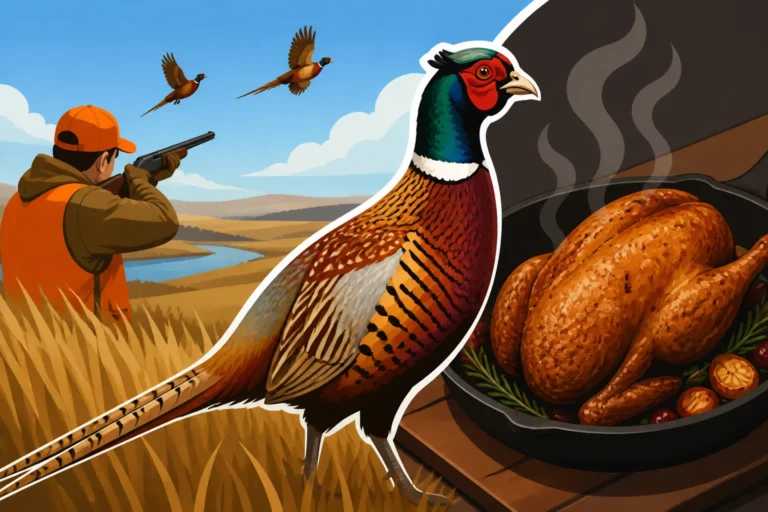
The dream of encountering a truly massive pheasant, a rooster so grand it seems to belong in a museum, is a powerful motivator for many of us who chase upland birds across North Dakota's expansive prairies. It's a different game than simply filling your limit; it's about the quest for that one bird that stands apart. This guide is dedicated to helping you understand what makes a pheasant a potential "record book" rooster in North Dakota, where to find these elusive giants, and the specific tactics that might just put one in your vest.
What Makes a Rooster "Record Book" Worthy in North Dakota?
When we talk about a "record book rooster," we're really talking about a bird that possesses a combination of physical attributes that go beyond the average pheasant. It's not just about how brightly colored he is or how loud his cackle was when he flushed. There are specific, measurable criteria that separate a truly exceptional bird from the rest of the flock.
Understanding the Scorecard: Weight, Spur Length, and Tail Feather Length
Most record-keeping systems for upland game, whether informal or organized, focus on a few key measurements that indicate a pheasant's maturity and overall impressive stature. These aren't just arbitrary numbers; they reflect a bird that has survived multiple seasons, navigated harsh winters, and perhaps possesses superior genetics.
First, there's live weight. A heavy bird indicates a healthy, well-nourished specimen, often an older male that has had years to bulk up. While precise live weight is hard to get in the field, a significant heft when you pick up a bird is often the first clue you've got something special. Next are the spurs. These bony growths on the back of a rooster's legs are perhaps the most visually impressive indicator of age and dominance. Much like antler length on a deer, longer, thicker, and sharper spurs signify an older, more dominant rooster. A truly mature bird will have spurs that are dark, often curved, and substantially longer than the nubs you'd find on a young-of-the-year bird. Finally, tail feather length contributes significantly to the overall aesthetic and score. The central tail feathers of a rooster can grow incredibly long, sometimes two feet or more, creating that magnificent streamer effect as they flush or strut. A truly impressive tail is often unbroken, symmetrical, and adds a significant "wow" factor to the bird. For a definitive understanding of the season rules that might affect your pursuit, check out North Dakota Pheasant and Upland Season Rules.
The Elusive Combination of Size and Maturity
Finding a record-book rooster isn't just about luck; it's about understanding that these birds are survivors. They've dodged predators, endured blizzards, and outsmarted hunters for multiple seasons. This resilience and the sheer passage of time are what allow them to develop those impressive physical characteristics. An older bird almost always translates to a bigger bird, given adequate nutrition and favorable environmental conditions.
The combination of dense cover, plentiful food, and genetics plays a huge role. Roosters that live in areas with ample winter cover, like thick cattail sloughs or unharvested food plots, are more likely to survive to an older age. Combine that with a consistent food source, and you have the recipe for a bird that can dedicate energy to growing those longer spurs and tail feathers, and packing on the pounds. It's truly a testament to nature's resilience to find one of these grand birds, and it speaks volumes about the quality of the habitat they call home. When you're dreaming of a record bird, you're really dreaming of a bird that has truly thrived.
Where to Find North Dakota's Giant Roosters
North Dakota is renowned for its pheasant hunting, and while every unit holds birds, finding those truly exceptional roosters requires a more targeted approach. These aren't the birds you'll find strutting in the most obvious spots. They're often in places that demand a bit more effort, more scouting, and perhaps a willingness to step off the beaten path.
Prime Habitat: Dense Cover and Reliable Food Sources
The secret to big roosters lies in their ability to survive, and survival depends heavily on high-quality habitat. This means looking for areas that offer not just good hunting cover, but great escape and winter cover, coupled with consistent food sources. Think thick cattail sloughs that are nearly impenetrable, vast expanses of CRP (Conservation Reserve Program) grass that hasn't been disturbed, or unharvested standing crops like corn or milo. These are the places where mature birds feel secure.
Areas with a high North Dakota Pheasant Population Estimate are a good start, but within those, you need to hone in on the specific features. Consider regions known for their dense pheasant populations and substantial CRP acreage, as these often correlate with larger birds. For instance, some of the southwestern and central counties often boast strong numbers, and places with excellent winter cover and access to grain fields tend to produce the biggest birds. Understanding the North Dakota CRP Acres and Pheasant Numbers can give you a significant edge in identifying these high-potential areas. Utilize mapping tools like GoHunt to pinpoint those specific parcels of land offering this ideal mix of habitat. Look for blocks of CRP adjacent to unharvested crop fields or substantial wetlands. These birds need both shelter and sustenance, especially as the season wears on and natural cover diminishes.
Pressure vs. Seclusion: Hunting the Untouched Pockets
Mature roosters are smart. They learn quickly from hunting pressure. The places where birds are bumped repeatedly tend to hold fewer, warier roosters. To find a true giant, you often need to seek out areas that see less pressure, even on public land. This might mean walking farther than others are willing, finding obscure corners of PLOTS (Private Land Open To Sportsmen) land, or targeting smaller, overlooked private tracts.
Sometimes, the best spots aren't sprawling fields but small, dense pockets of cover that hunters walk right past on their way to a bigger field. These could be small cattail draws, isolated tree belts, or even dense brush piles along a fencerow. The key is to think like a seasoned rooster: where would you hide if you knew hunters and dogs were constantly sweeping the obvious spots? These secluded pockets, even if small, can hold a surprisingly large and mature bird. Don't be afraid to put in the legwork to reach areas that others might deem "too far" or "too thick." This is where GoHunt's detailed satellite imagery and public land layers become invaluable, helping you scout out those remote, hard-to-reach pockets. You might be surprised at how many hunters stick to the easy access points. For tips on how to identify these spots, read Finding PLOTS Ground Others Walk Past.
Here's a quick look at the characteristics often associated with finding trophy roosters:
| Characteristic | Ideal for Trophy Roosters | Less Ideal |
|---|---|---|
| Habitat Type | Dense cattail sloughs, CRP, unharvested standing crops | Short grass, open fields, sparse cover |
| Hunting Pressure | Low pressure, remote areas, hard-to-reach pockets | High pressure, easily accessible public land |
| Food Sources | Abundant, consistent grain fields (corn, milo, sunflowers) | Limited, scattered food plots, grazed areas |
| Winter Cover | Thick, resilient thermal cover (tree belts, dense brush) | Open areas, vulnerable to blizzards |
| Scouting Effort | Extensive, utilizing maps and walking | Minimal, relying on past knowledge or common spots |
Tactics for Targeting Trophy Pheasants
Bagging a record-book rooster requires more than just showing up. It demands patience, strategic thinking, and often, a willingness to adapt your usual hunting style. These aren't the young birds that flush wild at the first sign of danger; these old boys hold tight, often making you walk right past them before they explode.
Slow and Steady: Working Cover Thoroughly
The biggest mistake many pheasant hunters make when chasing giants is moving too fast. Record-book roosters are masters of holding tight, often letting hunters and dogs pass by before making their move. To find these birds, you need to work cover slowly, meticulously, and deliberately. This means zig-zagging through dense patches, pausing often, and allowing your dog to really dig into every nook and cranny.
When you think you've worked a patch thoroughly, do it again. Focus on the thickest, nastiest cover—the stuff you'd rather walk around. That's precisely where an old rooster will be hunkered down, relying on his camouflage and the sheer density of the vegetation to escape detection. A good bird dog is absolutely critical here, especially one that understands how to work dense cover and is willing to stay on a scent trail even when it seems impossible. Think about it: a bird that's survived this long didn't do it by flushing prematurely. If you're working a particularly thick piece of CRP, check out tips for Running a Pointer Through CRP Grass. Don't give up on a seemingly empty patch too quickly; that monster rooster might just be waiting for you to pass.
Late Season Advantages for Mature Birds
As the hunting season progresses into late November and December, conditions often become more challenging for hunters, but paradoxically, sometimes better for targeting big roosters. Colder temperatures, dwindling natural food sources, and especially snow cover can concentrate birds and make their movements more predictable. This is when food plots, standing corn, or unharvested sunflower fields become absolute magnets for pheasants, including the mature ones.
Snow cover can also be your friend. Not only does it make tracking easier, but it also highlights areas of dense cover where birds are concentrated for warmth and shelter. Roosters will often move between these thermal cover spots and reliable food sources. Your strategy should shift to identifying these movement corridors and focusing your efforts on these key areas. Late-season hunting often means fewer hunters in the field, which translates to less pressure on the birds. This can be a prime time to bag that trophy bird. If you're considering a late-season hunt, make sure you're prepared for the elements and strategize with articles like Late-Season Pheasant Tactics in Deep Snow.
The Element of Surprise: Hunting Unconventional Times and Places
Many hunters hit the fields at first light and quit by mid-morning, or they focus solely on large, obvious fields. To find those elusive record-book roosters, sometimes you need to defy convention. Consider hunting smaller, overlooked spots that others dismiss. This could be a tiny cattail draw on the edge of a section, a narrow shelterbelt, or a small patch of weeds that looks insignificant. These "postage stamp" pieces of cover are often ignored, allowing a wise old rooster to live undisturbed.
Also, think about hunting at midday, especially during the late season. While many birds feed in the mornings and evenings, older roosters often spend the mid-day hours hunkered down in the densest cover, digesting their food and conserving energy. If you work these mid-day holding spots thoroughly, you might just catch a giant off guard. Articles like Walking a Pheasant Field at Midday can offer valuable insights. Similarly, focus on linear cover such as a shelterbelt. These can act as highways for birds and are often worth working slowly. Working a Shelterbelt for Roosters provides more detail on how to approach these types of areas. The element of surprise, whether through timing or location, can often be the deciding factor in encountering one of North Dakota's truly massive roosters. Before you head out, confirm you have the proper North Dakota Resident License Options and have met North Dakota Hunter Education Requirements.
After the Shot: Documenting and Preserving Your Trophy
Congratulations! You've successfully outsmarted and bagged a truly magnificent North Dakota rooster. The hunt itself is a memory, but the work isn't quite over if you intend to have this bird recognized in a record book or mounted as a lasting trophy. Proper field care and documentation are crucial steps.
Field Care and Measurement Tips
Once you've retrieved your bird, the immediate goal is to preserve its condition, especially if you're considering a taxidermy mount or official scoring. Handle the bird gently, minimizing damage to its feathers. If possible, avoid carrying it in a game bag where it might get crumpled or smeared with blood. Instead, consider carrying it carefully by the feet.
Before you even think about cleaning the bird, take a moment to admire it and take those critical measurements. This is where your preparedness comes in. Have a small tape measure and a pen and paper (or your phone's notepad) ready. The key measurements for most record-keeping organizations will include:
- Weight: Use a small digital scale if you have one. This is often the primary factor, and the fresh weight is important.
- Spur Length: Measure from the point where the spur emerges from the leg to the tip, along the outside curve. Take measurements for both spurs.
- Tail Feather Length: Measure the longest central tail feather from its base to its tip.
Take multiple clear photos of the bird from different angles, showcasing its full plumage, spurs, and tail. Photos with a ruler or tape measure beside the spurs and tail feathers can also be helpful for later reference. Field dressing should be done carefully to avoid any unnecessary damage to the breast feathers if you plan on a full mount.
Official Scoring and Taxidermy Considerations
After taking your initial measurements, if you believe your bird is truly exceptional, research the specific requirements for various record-keeping organizations. These organizations will have official measurement guidelines and submission processes. Some may require a waiting period after the harvest, while others might ask for photographs and signed affidavits from witnesses.
When it comes to taxidermy, choosing the right professional is paramount. A record-book rooster deserves an experienced taxidermist who specializes in game birds. Talk to several taxidermists, look at their previous work, and make sure they understand your vision for the mount. Discuss whether you want a flying mount, a standing mount, or a strutting pose, and provide them with your photos and measurements. Make sure they understand the importance of preserving the spur and tail feather integrity. A great taxidermist can bring your trophy back to life, creating a beautiful and lasting tribute to your successful pursuit of a truly memorable North Dakota rooster. Always verify the current pheasant statistics and Where North Dakota Pheasants Are Densest to inform your future hunts.
Disclaimer
This article is for general informational purposes only and does not constitute professional advice. Laws, prices and regulations vary by location and change over time. Consult a qualified professional for guidance on your specific situation.