North Dakota Wildlife Rehabilitation for Injured Game
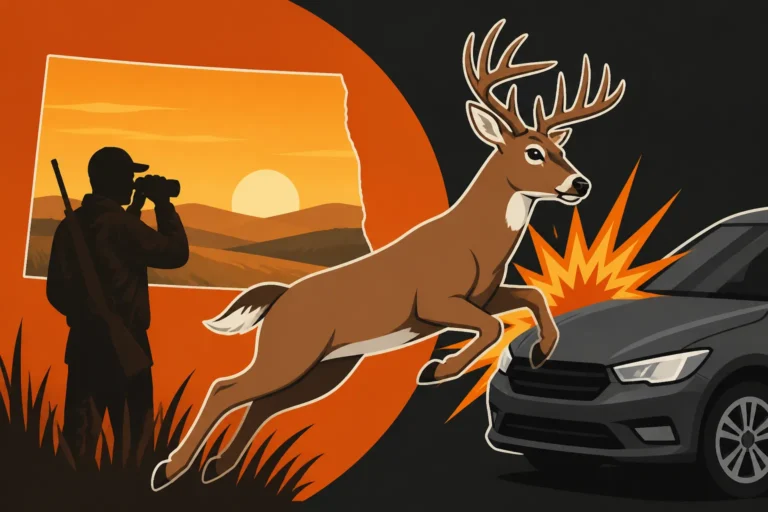
It's an unfortunate truth that sometimes, whether through natural accident, vehicle collision, or perhaps even an unfortunate hunting incident, you might encounter an injured wild animal in North Dakota. That gut-wrenching feeling of seeing a creature in distress is universal, and the immediate thought is often, "What can I do?" But intervening without proper knowledge or authorization can actually do more harm than good, and sometimes even put you in a sticky legal situation. This guide is here to walk you through the correct, legal, and safest ways to respond when you find injured game in North Dakota, ensuring the best possible outcome for the animal and peace of mind for you.
Discovering Injured Wildlife: Your First Steps and Responsibilities
Coming across an injured deer on the roadside, a pheasant with a broken wing near a field edge, or even a smaller furbearer struggling, can be a startling experience. Your immediate instinct might be to rush in and help, but it's crucial to take a moment and understand the complexities of the situation. Wild animals, especially when injured or stressed, can be unpredictable and dangerous, and your safety is paramount. Moreover, state and federal laws govern how wild animals, particularly game species, can be handled.
Prioritizing Safety and Observation
Before you even think about approaching an injured animal, stop and assess your surroundings. Is the animal in the middle of a busy road? Are there other potential dangers, like aggressive coyotes, deep water, or unstable ground? Your personal safety, and the safety of anyone with you, must be the absolute top priority. A wounded deer, even one that appears docile, can inflict serious injury with its antlers, hooves, or even a sudden burst of panicked energy. A large bird like a goose or even a raptor can deliver powerful bites or talons that can cause severe wounds.
Once you've ensured your safety, observe the animal from a distance. What kind of injury does it appear to have? Is it alert and trying to move, or is it lethargic and unresponsive? Is there visible bleeding, a broken limb, or does it seem disoriented? Note the exact location as precisely as possible – landmarks, road names, GPS coordinates if you have them. This detailed observation, done from a safe distance, will be invaluable when you contact authorities or a rehabilitator. Resist the urge to poke, prod, or try to get closer for a better look. This stress can exacerbate the animal's condition or provoke a defensive reaction.
When to Intervene (and When Not To)
This is perhaps the most critical distinction to make. Many well-intentioned individuals cause more harm than good by attempting to "rescue" wild animals that don't actually need intervention, or by doing so improperly. For instance, finding a fawn alone in a field often leads people to believe it's abandoned. In reality, doe deer frequently leave their fawns bedded down for hours while they forage, returning periodically to nurse. The fawn's natural camouflage and lack of scent are its best defense. Touching it can impart human scent, potentially causing the mother to abandon it, or habituate it to humans, which is detrimental to its long-term survival in the wild.
True intervention is typically warranted when an animal is visibly injured (e.g., a broken leg, severe bleeding, obvious trauma), entangled, orphaned (and you've confirmed the parent is truly gone after a long observation period), or in immediate, unavoidable danger (like being stuck on a fence or in the middle of a highway with traffic). However, even in these cases, your role is generally to report and facilitate, not to directly handle or treat. Trying to splint a bird's wing or bandage a deer's leg is beyond the average person's capability and often leads to further injury or stress for the animal. It's also against the law to possess most wild animals in North Dakota without proper permits.
Immediate Contact: Who to Call in North Dakota
Once you’ve assessed the situation safely and determined that intervention is likely necessary, your next step is to make the right call. The North Dakota Game and Fish Department (NDGFD) is your primary point of contact for injured game animals. They have the authority, resources, and often the trained personnel to assess the situation properly, or they can direct you to a licensed wildlife rehabilitator in your area. For situations involving immediate public safety, such as a large injured animal on a busy road, local law enforcement (sheriff's office or city police) should also be contacted, as they can manage traffic and assess the immediate threat.
It's helpful to have these numbers saved in your phone if you spend a lot of time outdoors. While a general search on your phone might turn up local contacts, using official resources like the NDGFD website is always best. Sometimes, hunter apps like GoHunt can provide quick access to state agency contact information or even allow you to mark a GPS location for easy relay to authorities, which is especially useful if you're deep in the North Dakota Badlands or a remote North Dakota Wildlife Management Area. Provide them with all the details you observed: species, location, apparent injury, and your contact information. Be prepared to follow their instructions, which might include staying at the scene until help arrives or simply leaving the area if they determine no intervention is possible or safe.
Navigating North Dakota's Wildlife Rehabilitation Network
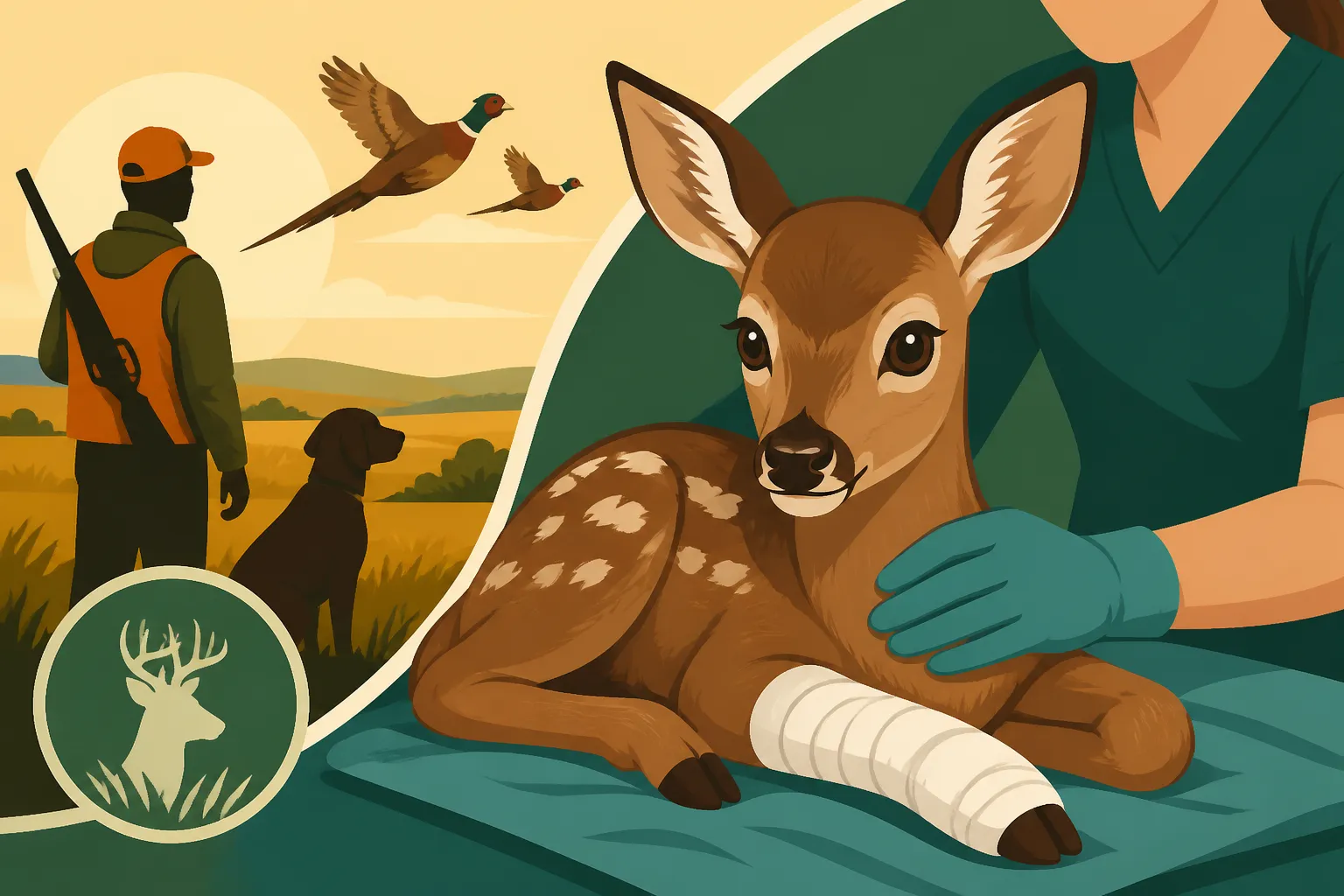
North Dakota has a network, albeit a smaller one compared to some more densely populated states, of dedicated individuals and organizations focused on the care and rehabilitation of injured and orphaned wildlife. These are not just well-meaning animal lovers; they are licensed professionals with specific training, facilities, and permits to handle native wild species. Understanding their role and how the system works is key to getting an injured animal the right help.
The Role of Licensed Rehabilitators
Licensed wildlife rehabilitators are the unsung heroes who step in to provide specialized care that no ordinary person or even a typical veterinary clinic can offer for wild animals. They undergo specific training and must obtain permits from the NDGFD, and often federal permits for migratory birds, to legally possess and treat wildlife. This is crucial because wild animals have unique nutritional, environmental, and medical needs that differ significantly from domestic pets. A licensed rehabilitator has facilities designed to minimize stress on wild animals, provide appropriate diets, administer medications, and, most importantly, prepare them for eventual release back into the wild.
Their goal is not to make a pet out of a wild animal, but to ensure it retains its wild instincts and fear of humans so it has the best chance of survival after recovery. They operate under strict guidelines to prevent habituation and to ensure that animals released are truly capable of fending for themselves. When you contact the NDGFD about an injured animal, they will often connect you directly with one of these licensed rehabilitators who can respond, transport the animal, and begin the necessary care. Don't expect a rehabilitator to perform heroic rescues in dangerous situations; their expertise is in the care after the animal is safely retrieved.
The North Dakota Game and Fish Department's Stance
The NDGFD plays a central role in overseeing wildlife rehabilitation in the state. They are responsible for issuing licenses to rehabilitators, setting guidelines for care, and ensuring that wildlife laws are upheld. Their primary mission is the conservation and management of North Dakota's wildlife resources for current and future generations. This means they approach injured wildlife situations with a focus on population health and ecological balance, not just individual animal welfare.
For instance, if a large game animal like a deer or elk is severely injured and beyond recovery, the department may authorize euthanasia to prevent prolonged suffering. This tough decision is made by trained professionals, understanding the animal's chances of survival and quality of life. The department also educates the public on how to coexist with wildlife, often emphasizing prevention over intervention. You can often find valuable information on their website regarding common wildlife encounters and what to do. North Dakota Game Management Area Rules often touch upon general principles of wildlife interaction on public lands.
Local Resources and Community Support
While North Dakota might not have a massive rehabilitation center in every county, local communities often have resources available. This can include compassionate local veterinarians who, while they may not be licensed wildlife rehabilitators themselves, can offer immediate stabilization or triage for certain injuries before a licensed rehabilitator can arrive. Some communities might also have volunteer networks that assist with safe transport of injured animals to rehabilitators or collection points.
If you're in a more remote area, knowing who to call can be a challenge. In these situations, the NDGFD regional offices are invaluable. They often have local knowledge and connections to individuals who can help. Using a robust outdoor app or service like GoHunt can sometimes help you quickly identify local contacts or the nearest regional office when you're out hunting or scouting, providing critical information on the fly. It’s also worth noting that local humane societies or animal shelters, while primarily focused on domestic animals, can sometimes offer advice or act as a temporary holding spot for very small, non-dangerous injured wildlife until specialized help arrives, though this isn't their primary function.
Common Scenarios: What to Do for Different Injured Game Species
Different species present different challenges when injured. Knowing the general protocols for large game versus smaller birds can make your response more effective and safer for everyone involved.
Injured Deer and Large Game Animals
Encountering an injured deer, particularly after a vehicle collision or if you've made a poor shot while hunting and the animal is suffering, is distressing. For injured deer (or elk, moose, or pronghorn), direct public intervention is almost never safe or legal. These animals are large, powerful, and incredibly dangerous when stressed or in pain. A seemingly downed deer can lash out violently, causing serious injury.
If you find an injured deer that is clearly suffering and cannot move, your immediate action should be to contact the NDGFD. They will dispatch an agent to assess the animal. In cases of severe, irreversible injury, euthanasia is often the most humane option, performed by trained personnel. Never attempt to put the animal out of its misery yourself unless you are a law enforcement officer or authorized agent, as this can lead to legal complications.
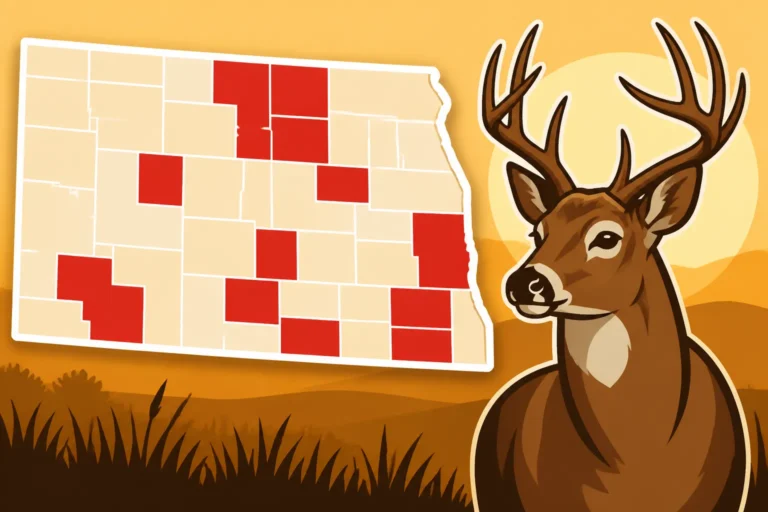
Furthermore, if the injured animal is within a North Dakota's Expanding CWD Hunting Units, there are additional considerations. While this guide isn't about harvesting, the presence of CWD in a unit means careful handling of any deer, injured or not, is crucial. The department will have specific protocols for handling animals in these areas, including potential testing. It's an unfortunate reality that sometimes the best thing for a suffering large animal, and for public safety, is a swift and humane end administered by professionals.
| Species Type | Initial Action | Who to Contact | Notes |
|---|---|---|---|
| Large Game | Assess from distance, ensure safety, note precise location | ND Game & Fish Department, Local Law Enforcement | Do NOT approach. Euthanasia by professionals often necessary. CWD considerations for deer. |
| Upland Birds | Assess from distance, note injury, confirm inability to fly | ND Game & Fish Department, Licensed Bird Rehabilitator | Small birds might be safely contained (e.g., in a box) but always verify with authorities first. |
| Waterfowl | Assess from distance, note injury, confirm inability to fly | ND Game & Fish Department, Licensed Bird Rehabilitator | Similar to upland birds. Be cautious, some waterfowl can be aggressive. Migratory Bird Act applies. |
| Raptors | Assess from distance, extreme caution | ND Game & Fish Department, Licensed Bird Rehabilitator | Do NOT approach. Federally protected. Highly specialized care needed. |
Injured Upland Birds and Waterfowl
For smaller game birds like pheasants, grouse, or ducks, the situation can be slightly different, though caution is still paramount. If you encounter an upland bird with a clearly broken wing or leg, or one that is stunned and unable to move, you might be able to contain it safely after speaking with the NDGFD or a licensed bird rehabilitator. They will guide you on how to do so without further injuring the bird or yourself. Typically, this involves gently placing the bird in a dark, quiet, well-ventilated box lined with a soft cloth. Darkness helps reduce stress.
With waterfowl, especially larger species like geese, even a wing injury can make them aggressive. Their powerful wings and beaks can cause injury. Again, observe from a distance, contact the authorities, and follow their instructions. Remember that all migratory birds are protected by federal law, so handling them without authorization is illegal. Understanding North Dakota Duck and Goose Bag Limits and regulations makes you a more informed hunter, but it also gives you a better grasp of the species and their typical behavior, which can be helpful in these situations.
Raptors and Protected Species
Birds of prey, such as hawks, eagles, and owls, are often injured and found by hunters or outdoor enthusiasts. These animals are federally protected, and it is strictly illegal to possess them without special permits. Furthermore, their talons and beaks are incredibly powerful and designed for subduing prey, making them extremely dangerous to handle. If you find an injured raptor, do not approach it. Immediately contact the NDGFD. They will have protocols for safely securing the bird and transporting it to a specialized raptor rehabilitator. These rehabilitators have the specific expertise and facilities to care for these magnificent, but dangerous, birds.
Small Mammals and Furbearers
While many small mammals and furbearers are not traditionally "game" animals in the same sense as deer or pheasants, hunters often encounter them. If you find an injured coyote, fox, badger, or even a rabbit or squirrel, the same principles apply: safety first, observe from a distance, and contact the NDGFD. While some small mammals might seem less threatening, a cornered or injured animal can deliver a painful bite. For animals like foxes or coyotes, there's always a remote concern about rabies, so maintaining distance is crucial. Knowing North Dakota Coyote Hunting Season Rules might help you identify the species, but it doesn't change the safety protocols for an injured one. A licensed rehabilitator is still the best course of action.
Legalities, Ethics, and Preventing Future Injuries
Being an ethical hunter and a responsible citizen means understanding the broader implications of wildlife encounters, especially when injury is involved. The laws are in place for the protection of both wildlife and the public, and our actions reflect on the hunting community as a whole.
Understanding Possession and Transport Laws
It is generally illegal to take possession of most wild animals in North Dakota without specific permits, even if your intentions are good. This includes injured animals. The reasoning is multifaceted: it prevents the spread of disease, protects against illegal wildlife trade, and ensures that animals receive appropriate, professional care rather than being kept as illegal pets. The moment you pick up an injured deer or even a pheasant without proper authorization, you could be breaking the law.
This is why contacting the NDGFD or a licensed rehabilitator immediately is so important. They have the legal authority to take possession and transport the animal. If they advise you to contain a small, non-dangerous bird or mammal for transport to a meeting point, they are providing that authorization. Without it, you should avoid direct contact and simply monitor the situation from a distance while awaiting official help. Ignorance of the law is rarely an excuse, so always err on the side of caution and professionalism.
Ethical Considerations for Hunters
As hunters, we hold a special responsibility towards the wildlife we pursue. This includes ensuring a quick, clean, and humane harvest. Unfortunately, sometimes a shot doesn't go as planned, and an animal is wounded but escapes. In North Dakota, as in most places, the ethical imperative is to do everything in your power to recover that animal. This means diligent tracking, even if it takes hours or days. Knowing how to track, for example, Blood Trailing After Dark in North Dakota, is not just a skill but an ethical obligation.
If you wound an animal and cannot recover it, and you later find it severely injured, you still have the responsibility to report it to the NDGFD. While no hunter wants to admit to wounding an animal, acknowledging the situation and getting professional help to alleviate suffering is the right thing to do. The department is more interested in the humane treatment of wildlife than in punishing honest mistakes, especially if you act responsibly. This commitment to ethical hunting reflects positively on all of us.
Habitat Improvement and Prevention
While this article focuses on what to do after an animal is injured, it’s worth a moment to consider how we can contribute to preventing injuries in the first place. Healthy, robust wildlife populations in well-managed habitats are generally more resilient and less prone to certain types of injuries. Programs that support Habitat Work on North Dakota Wildlife Management Areas or encourage private landowners to establish food plots and cover benefit entire ecosystems, potentially reducing wildlife-vehicle collisions by providing adequate forage away from roads.
Simple actions like being mindful of speed limits, especially in areas known for deer crossings, and properly disposing of trash that could attract wildlife to dangerous areas, all contribute. For hunters, completing North Dakota Hunter Education Requirements thoroughly helps prevent hunting-related incidents that could injure animals or people. Ultimately, our interaction with North Dakota's wildlife goes beyond just the hunt; it involves a commitment to their welfare and the health of their environment. By being prepared, knowledgeable, and responsible, we can ensure that when we encounter injured game, we respond in the most effective and ethical way possible.
Disclaimer
This article is for general informational purposes only and does not constitute professional advice. Laws, prices and regulations vary by location and change over time. Consult a qualified professional for guidance on your specific situation.