Which North Dakota State Parks Allow Hunting
It can be incredibly confusing trying to figure out where you can and cannot hunt, especially when you start looking at areas that seem like natural wildlife havens but come with their own set of rules, like North Dakota's State Parks. Many folks assume state parks are completely off-limits to hunting, and for good reason – they're often bustling with hikers, campers, and sightseers. But the truth is, it's not always so black and white, and understanding the nuances can unlock some surprising opportunities. This guide will walk you through the general policies, explain the rare exceptions, and help you find the current, accurate information you need to hunt legally and responsibly within or adjacent to North Dakota's State Parks.
The General Rule: Why Most State Parks Are Off-Limits (and the Exceptions)
When you pull into a North Dakota State Park, you're usually greeted by signs highlighting walking trails, picnic areas, and interpretive centers. It's a place for family outings, quiet reflection, and enjoying nature in a way that often doesn't align with the presence of hunters. This primary focus shapes the rules, making hunting the exception rather than the norm.
Understanding the Purpose of State Parks
The mission of North Dakota State Parks is primarily focused on conservation, outdoor recreation, and providing educational opportunities for the public. Think about it: you've got families pushing strollers, birdwatchers with binoculars, and folks enjoying a peaceful hike. Introducing hunting into that mix often creates potential conflicts, safety concerns, and an atmosphere that detracts from the intended recreational experience for the majority of visitors. The emphasis is on passive recreation – activities that don't involve harvesting game. This foundational principle is why, generally speaking, you won't find open hunting seasons within the boundaries of most state parks. They are designed as sanctuaries for both wildlife and people to coexist peacefully, albeit with humans as observers rather than participants in the food chain.
The Exceptions: When and Where Hunting Might Be Allowed
While the general rule holds true, life on the prairie is rarely simple, and there can be exceptions. These aren't blanket allowances, but rather highly specific, often temporary, and strictly regulated opportunities. Usually, these exceptions arise when wildlife populations within a park's boundaries become overabundant, leading to habitat degradation or other management issues. For instance, a deer population might grow too large for the available forage, impacting the health of the herd and the park's ecosystem.
In such scenarios, park managers might implement special, controlled hunts. These aren't your typical open seasons where anyone can walk in. Instead, they are often quota hunts, designed to remove a specific number of animals. These hunts are meticulously planned to ensure safety for all park users and to achieve precise wildlife management goals. It’s also crucial to remember that these opportunities are rare and highly sought after, requiring specific permits and adherence to strict guidelines. They aren't a given every year, and the rules change, so always check the most current information.
Navigating Specific North Dakota State Parks with Hunting Opportunities
Finding a hunting opportunity within a state park is a bit like finding a needle in a haystack, but that doesn't mean it's impossible. When these opportunities do arise, they are usually very targeted.
Quota Hunts and Special Regulations
When a North Dakota State Park identifies a need for wildlife population control, they might partner with the state game and fish department to offer controlled hunts. These are almost exclusively for species like white-tailed deer, which can quickly exceed carrying capacity in protected areas. For example, a park might open up a specific unit for a limited number of archers or muzzleloader hunters to address an overpopulation issue. These hunts are not about recreation in the traditional sense, but rather a management tool.
If a park hosts a quota hunt, you'd typically need to apply through a lottery system, similar to how tags are allocated for larger game species across the state. The number of tags would be extremely limited, and the hunt dates would be very specific, often outside of peak park visitation times to minimize conflict. Hunters who draw one of these rare permits would then be subject to intense regulations regarding entry and exit points, weapon types, zones they can hunt, and even blaze orange requirements, which are also mandatory for gun deer hunters elsewhere in the state. North Dakota Blaze Orange Requirements would definitely apply. It's a very different experience than, say, Bowhunting North Dakota's Long Archery Season in a national grassland.
Parks with Adjacent Public Lands or Unique Arrangements
Sometimes, a state park might sit right next to other public lands that do allow hunting, like Wildlife Management Areas (WMAs), Waterfowl Production Areas (WPAs), or even large tracts of PLOTS (Private Land Open To Sportsmen) land. This is where things get really interesting and where your mapping skills come into play.
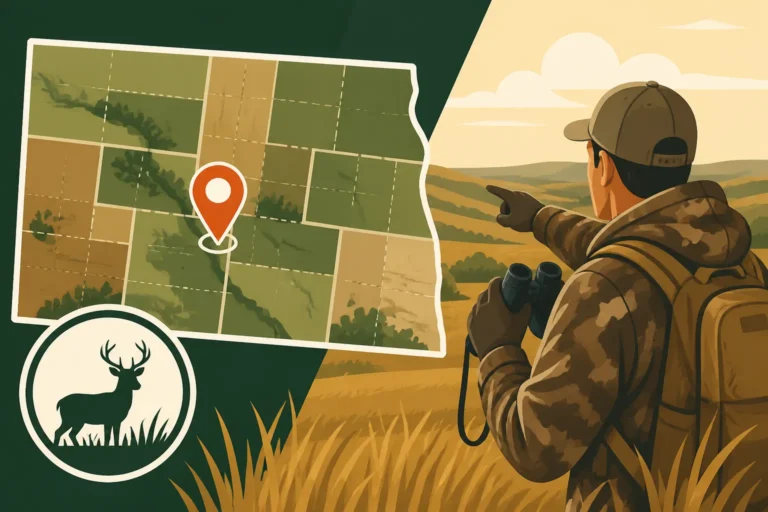
Imagine a scenario where a state park boundary runs right along a river or a large tract of public easement. While the park itself might be a "no-go," the land immediately bordering it could be perfectly legal to hunt. Hunters need to be incredibly diligent about knowing exactly where those boundaries lie. This is where tools like onX Hunt become invaluable. You can use their GPS mapping features to clearly see property lines, differentiating between state park land and a North Dakota Wildlife Management Areas or North Dakota Waterfowl Production Areas that might be open for business.
For example, a park situated along a major river system like the Missouri River might have adjacent areas where waterfowl hunting is permitted on the water or immediately along the shore, but those specific areas would not be considered part of the state park's general recreational zone. You could be Hunting North Dakota's Missouri River Corridor and accidentally cross into a state park boundary if you're not careful. Always assume the park is off-limits unless explicitly stated otherwise by official proclamations.
Small Game and Waterfowl Considerations
While big game hunting inside state parks is rare, what about small game or waterfowl? Again, the general rule is "no," but there might be tiny, specific exceptions related to adjacent waters. For instance, if a state park borders a large lake or a section of a navigable river, the waters themselves might fall under different jurisdiction, allowing for waterfowl hunting from boats or blinds set up just outside the park's land boundary.
These situations are extremely nuanced. You might be able to Decoying Divers on North Dakota's Lake Sakakawea from the main lake, but if that lake shore is part of a state park, you cannot step foot on that shore with a gun. It's not about the species as much as it is about the location and the specific management overlay. Always verify with the North Dakota Parks and Recreation Department and the Game and Fish Department for any particular location you're considering, because the rules for North Dakota Game Management Area Rules are very different from state park rules.
| Type of Public Land | General Hunting Status | Key Distinguishing Factor | How to Verify |
|---|---|---|---|
| North Dakota State Parks | Generally closed to hunting. | Focus on passive recreation, conservation, public safety. | Check ND Parks & Rec website; look for specific hunt proclamations. |
| Wildlife Management Areas (WMAs) | Generally open to hunting. | Managed for wildlife habitat and public hunting access. | ND Game & Fish website; WMA signs; mapping apps like onX Hunt. |
| PLOTS Lands | Open to walk-in public hunting. | Private land voluntarily enrolled for public access. | ND Game & Fish PLOTS Guide; ND Hunt App; Scouting PLOTS Land Before Season. |
| National Grasslands | Generally open to hunting. | Federal land, often large tracts in western ND. | US Forest Service rules; mapping apps; Hunting North Dakota's Little Missouri National Grassland. |
| Waterfowl Production Areas (WPAs) | Open to hunting (especially waterfowl/upland). | Federally managed for waterfowl nesting and associated hunting. | US Fish & Wildlife Service rules; WPA signs; mapping apps. |
How to Confirm Hunting Access and Stay Legal
The biggest takeaway here is that you can't just assume. The onus is always on the hunter to know the rules, and ignorance is no excuse. This is especially true when dealing with areas like state parks that have specific, often restrictive, regulations.
The North Dakota Parks and Recreation Department's Role
The North Dakota Parks and Recreation Department is the primary authority when it comes to state park regulations. They are the ones who establish visitor rules, manage resources, and, if absolutely necessary, authorize special management hunts. Their official website and direct communication channels are your best and most reliable sources of information.
Before you even think about hunting near a state park, you need to visit their official resources. Look for sections on hunting, wildlife management, or special events. Sometimes, information on rare quota hunts will be jointly released by the Parks and Recreation Department and the North Dakota Game and Fish Department, often well in advance of the application period. Don't rely on old forum posts or word-of-mouth; things change. What was allowed five years ago might be strictly prohibited today. You'll also want to be familiar with general regulations such as North Dakota Hunter Education Requirements before planning any trip.
Utilizing Mapping Tools and Resources
In today's hunting world, digital mapping tools are indispensable, especially when dealing with complex land ownership and jurisdictional boundaries. Brands like onX Hunt and GoHunt provide layers that clearly delineate public and private land, including state parks, national grasslands, WMAs, and PLOTS tracts.
These apps are fantastic for visualizing where you are and where you can legally go. You can be standing on the edge of a WMA and see the exact line where a state park begins. This is critical for preventing accidental trespass, which can lead to hefty fines and loss of hunting privileges. While these apps excel at showing boundaries, remember they won't always tell you about specific internal rules for a state park, such as an active quota hunt or a temporary closure. For that, you still need to consult official state resources. However, for determining if an adjacent parcel is huntable public land, these tools are gold. You can even use them to check for things like North Dakota Public Land Hunting Hours to ensure you're hunting within legal shooting light.
Planning Your Hunt: Essential Steps
If you've done your homework and found a legitimate hunting opportunity in or near a North Dakota State Park, your planning phase needs to be even more meticulous than usual.
- Confirm the Regulations: Double-check the current year's hunting proclamations and the specific rules for the state park or adjacent public land. Pay attention to dates, legal weapons, species, and any harvest limits. Remember, even with a successful deer draw, you'll still need to report your deer according to the state's requirements. North Dakota Deer Reporting Requirements are pretty standard across the state.
- Obtain Necessary Permits/Licenses: Ensure you have all the required licenses, stamps, and permits. This might include a general game and habitat license, a specific tag for the species you're pursuing, and any special park-specific permits. Don't forget to understand North Dakota Hunting Licenses and What They Cost and purchase them well in advance.
- Scout Thoroughly (and Legally): Understand the topography, access points, and any restricted areas within or around the park. If a park allows a hunt, there will likely be very specific rules about where you can enter, park, and hunt. Respect non-hunting visitors by avoiding areas of high recreational use.
- Practice Safety First: Be hyper-aware of your surroundings. State parks are shared spaces. Even if you're in a designated hunting zone, other users might be nearby, oblivious to hunting activity. Adhere strictly to all safety protocols, including wearing appropriate blaze orange if required.
- Plan for Game Retrieval: If successful, know your plan for retrieving game. Many state parks have restrictions on vehicle use off designated roads, which could complicate dragging out a harvested animal. Be prepared for a long haul if necessary.
Hunting in North Dakota's State Parks might be a rare bird, but with careful research and strict adherence to rules, it can be a unique experience. Just make sure you're always on the right side of those boundary lines!
Disclaimer
This article is for general informational purposes only and does not constitute professional advice. Laws, prices and regulations vary by location and change over time. Consult a qualified professional for guidance on your specific situation.