North Dakota Game Management Area Rules
It's incredibly frustrating to head out for a day in the field, only to discover you've misunderstood the rules for the land you're on, or worse, accidentally trespassed. Public land hunting can feel like navigating a maze of acronyms and regulations, and North Dakota's Game Management Areas (GMAs) are no exception. This guide is here to untangle the specifics of North Dakota's GMA rules, helping you understand how to access these valuable hunting grounds legally and effectively, so your time is spent focused on the hunt, not on legal worries.
Understanding North Dakota's Game Management Areas (GMAs)
North Dakota offers a diverse array of public hunting opportunities, from vast National Grasslands to smaller, localized parcels. Among these, Game Management Areas (GMAs) hold a special place, often providing excellent habitat and hunting prospects. However, their unique designation means they come with their own set of rules that every hunter needs to understand before heading out. They're not just "public land" in the generic sense; they're managed specifically for wildlife and public recreation, which entails certain responsibilities and restrictions.
What Exactly is a GMA?
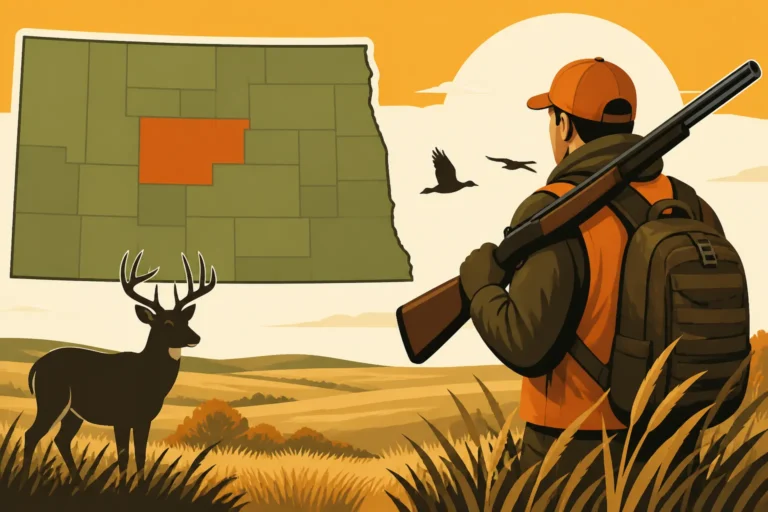
A Game Management Area, or GMA, is land owned or managed by the North Dakota Game and Fish Department (NDGFD). These areas are acquired through various means, sometimes purchased outright, sometimes leased from other entities, all with the primary goal of providing habitat for wildlife and offering public hunting, fishing, and trapping opportunities. Think of them as dedicated pockets of land set aside and actively managed to ensure a healthy wildlife population and accessible recreation. Unlike some other public lands, GMAs are typically managed with a direct hand from the state wildlife agency, meaning specific habitat improvements or management practices might be more evident.
These lands are often strategically located to enhance specific game populations, whether it's providing winter cover for deer, nesting habitat for pheasants, or staging areas for migrating waterfowl. The specific rules and available game can vary significantly from one GMA to another, reflecting the local ecology and management objectives. For instance, a GMA in the Missouri River bottomland might prioritize deer and turkey management, while one situated in the prairie pothole region will likely focus heavily on ducks and geese.
The Purpose Behind GMAs
The core purpose of GMAs is multi-faceted, but it primarily revolves around conservation and public access. First and foremost, they serve as critical habitat for a wide array of game and non-game species. By owning or controlling these lands, the NDGFD can implement direct habitat enhancement projects, such as planting food plots, managing grasslands, or preserving wetlands. This active management helps to bolster local wildlife populations, providing secure breeding grounds, wintering areas, and migratory stopovers.
Beyond habitat, GMAs are intended to ensure equitable public access for hunting, trapping, and other outdoor pursuits. In a state where much of the land is privately owned, these designated public parcels become invaluable resources for hunters who may not have access to private land. They represent a commitment to preserving the tradition of public hunting in North Dakota, offering a place where anyone with a valid license can pursue game. This access is vital for resident hunters, but it's also a draw for non-residents looking to experience North Dakota's rich hunting heritage, though specific restrictions apply to non-residents on public land at certain times.
How GMAs Differ from Other Public Lands
While all public lands in North Dakota offer opportunities, GMAs stand apart from other types like PLOTS (Private Land Open To Sportsmen) or Waterfowl Production Areas (WPAs). The key difference lies in ownership and primary management authority. PLOTS land, for example, is private land that landowners voluntarily enroll in a program to allow public hunting, typically for a fee paid by the state. The landowner retains ownership, and while the state might offer advice, the land isn't directly managed by the NDGFD in the same way a GMA is. Rules for PLOTS often defer to general state regulations and specific landowner conditions, whereas GMAs have a more uniform set of rules dictated by the department.
Waterfowl Production Areas (WPAs), on the other hand, are federally owned and managed by the U.S. Fish and Wildlife Service, specifically for waterfowl habitat. While they do offer hunting opportunities, their management focus is narrower, and federal regulations often apply alongside state laws. GMAs, being state-owned and managed, have rules that are solely set by the North Dakota Game and Fish Department, making them distinct from both private-enrollment programs and federally managed areas. Understanding these distinctions is crucial, as a rule that applies on a WPA might not apply on a GMA, and vice-versa. Always double-check the signs and resources for the specific parcel you intend to hunt. Hunting North Dakota Waterfowl Production Areas delves deeper into those particular lands.
General Rules and Regulations for GMAs
Navigating the regulations for North Dakota's Game Management Areas requires more than just knowing what a GMA is; it demands a clear understanding of how to use them. While the overarching goal is to provide public access for hunting and recreation, this access comes with a framework of rules designed to protect the resource, ensure public safety, and maintain order. Ignoring these general rules can lead to fines, loss of hunting privileges, and damage to the very areas we cherish.
Access and Permitted Activities
Generally, Game Management Areas are open to the public for hunting, fishing, trapping, and other compatible outdoor recreation during daylight hours, unless otherwise posted. However, "open to the public" doesn't mean "anything goes." It's critical to look for specific signs at access points that might indicate unique restrictions for that particular GMA. Some areas might have seasonal closures, restrictions on certain activities, or even designated entry points to minimize disturbance to wildlife. For instance, a GMA adjacent to a sensitive nesting area might restrict foot traffic during certain times of the year, even if hunting is allowed elsewhere on the property.
Permitted activities generally align with traditional outdoor recreation, but activities like target shooting outside of established ranges (which are rare on GMAs), dumping trash, or disturbing archaeological sites are strictly prohibited. These areas are not personal playgrounds; they are shared resources managed for conservation. It’s always a good idea to consult the current North Dakota Game and Fish Department hunting and trapping guide, which outlines the general rules applicable to all state-owned lands, including GMAs. This guide is your first line of defense against unwitting rule violations.
Vehicle and ATV Use Restrictions
This is an area where many hunters can inadvertently run afoul of regulations on GMAs. Vehicle use, including cars, trucks, and ATVs/UTVs, is almost universally restricted to designated roads and trails only. What constitutes a "designated road or trail" can sometimes be ambiguous to the uninitiated. It typically means a marked road or trail that is open for public motorized vehicle traffic, not just any two-track or grassy path you might spot. Driving off-road to retrieve game or to access a hunting spot, even if it seems like a shortcut, is almost always prohibited and can result in significant penalties.
Imagine you're deep in a GMA, you've just dropped a beautiful whitetail buck, and it's a long drag back to the main road. The temptation to drive your ATV or truck across the prairie for a quick recovery can be immense. However, unless there's a specifically marked "game retrieval route" (which are uncommon), you'll need to use muscle power. The purpose of these restrictions is to prevent habitat destruction, soil erosion, and disturbance to other hunters and wildlife. Always assume that if a trail isn't clearly marked as open for vehicles, it's closed. Using a reliable mapping application like onX Hunt can be incredibly beneficial here, as it often delineates public land boundaries and designated access roads, helping you stay within the rules. For more general guidelines, check out Vehicle Rules on North Dakota Public Land.
Camping and Overnight Stays
Unlike some larger federal lands, overnight camping is generally not permitted on most North Dakota Game Management Areas. These are typically day-use areas. While the idea of a rustic camp nestled deep in a GMA might sound appealing, state regulations are usually quite clear about preventing long-term occupancy or even single-night camping. The logic behind this is to minimize human impact, prevent litter and sanitation issues, and ensure that the areas remain primarily focused on wildlife habitat and daily recreation.
There may be exceptions, particularly for larger GMAs or those adjacent to national forests or grasslands where camping rules are managed by other agencies, but these exceptions are rare for state-owned GMAs. If you are planning a multi-day hunt, you'll need to arrange for accommodations off the GMA, whether that's at a nearby private campground, a hotel in a local town, or in a designated camping area on adjacent federal lands if they permit it. Always consult the specific GMA's regulations or contact the NDGFD directly if you have questions about overnight stays. A quick bivy for a morning hunt is one thing, but setting up a tent and fire ring is generally not allowed.
Specific Hunting Regulations Within GMAs
Beyond the general use rules, GMAs also come with specific hunting regulations that can vary slightly from the statewide norms or from those on other public lands. These specific rules are often put in place to manage hunting pressure, protect particular game species, or address unique safety concerns within the GMA's boundaries. Being familiar with these nuances is crucial for a successful and lawful hunt.
Seasons and Species Specifics
While the general hunting seasons for various species—deer, pheasant, waterfowl, etc.—are set statewide, individual GMAs might have additional restrictions or special season designations. For example, some GMAs might be designated as "archery only" for deer, even if a gun season is open in the surrounding unit. Others might have specific dates for youth hunts or antlerless-only periods to help manage local deer populations. It's not uncommon for a GMA to have more restrictive bag limits or specific shooting hours compared to the broader hunting unit it resides in.
Waterfowl hunting on GMAs located in the prairie pothole region often has its own set of considerations. While the North Dakota Duck and Goose Bag Limits are set by the state, a particular GMA might have restrictions on when blinds can be placed, or specific areas where hunting is prohibited to provide sanctuary for birds. Always check the current hunting proclamation for any specific GMA rules related to seasons, species, or bag limits. This information is typically found under the "Public Hunting Lands" section or specifically referenced by GMA name.
Weapon Restrictions and Safety Zones
Weapon restrictions on GMAs generally follow statewide guidelines for legal firearms, archery equipment, and muzzleloaders, but some GMAs might have more localized rules. For instance, specific GMAs located close to urban areas or heavily used recreational zones might restrict the use of high-powered rifles and only permit shotguns with slugs or archery equipment to enhance public safety. These local restrictions are usually clearly posted at GMA entrances or detailed in the hunting guide. Always pay attention to signage.
Furthermore, safety zones are critical to observe. These typically prohibit discharging a firearm or bow within a certain distance of occupied dwellings, livestock, or developed recreation areas. While not exclusive to GMAs, the presence of various public users or nearby private residences can make observing these zones particularly important. When hunting near GMA boundaries, it's imperative to know where those lines are drawn, and to be absolutely certain of your target and what lies beyond it. North Dakota Firearms Discharge Setback Distance offers more general guidance on this topic.
Tagging and Reporting Requirements
The tagging and reporting requirements for game harvested on a GMA are no different from those harvested anywhere else in North Dakota. All game animals requiring a tag (like deer, elk, moose, or turkey) must be immediately tagged upon harvest, before the carcass is moved. This means attaching the physical tag to the animal in a visible and secure manner. The information on the tag must be filled out accurately and completely. Failing to tag an animal correctly is a serious offense.
Additionally, certain species, particularly deer, often have mandatory reporting requirements. This usually involves reporting your harvest online or via an app within a specific timeframe after the kill. This data is crucial for the NDGFD to monitor harvest rates, assess population health, and make informed management decisions for future seasons. Always ensure you understand the specific tagging and reporting rules for the species you are pursuing, as they are non-negotiable regardless of whether you're on a GMA, PLOTS, or private land. Reporting a Deer Through North Dakota's App is a helpful resource here.
Best Practices and Ethical Considerations for GMA Hunters
Hunting on Game Management Areas is a privilege, not an inherent right, and it comes with a strong responsibility to uphold ethical hunting standards and respect the land and other users. As these areas are often magnets for public recreation, maintaining a high level of conduct ensures these opportunities continue for generations to come. Your actions directly reflect on the hunting community as a whole.
Minimizing Impact and Leaving No Trace
The "Leave No Trace" principles are paramount when hunting on GMAs. This means packing out everything you pack in, including spent shell casings, food wrappers, and any other trash. Do not leave gut piles near roads, trails, or visible areas where they could bother other users or attract unwanted attention. If you must field dress an animal, do so discreetly and away from main thoroughfares. Avoid creating new trails or disturbing sensitive vegetation. Remember, these areas are managed for wildlife, and excessive human disturbance can degrade their value.
Another aspect of minimizing impact is being mindful of your presence. Avoid excessive noise, especially during sensitive times for wildlife like the rut or nesting seasons. Respect natural features and structures; don't damage trees by hacking at them or building makeshift blinds with live materials. Use established parking areas and access points. By treating GMAs as cherished natural resources, we ensure they remain pristine and productive for wildlife and enjoyable for all who visit.
Respecting Other Users and Wildlife
GMAs are multi-use lands, meaning you'll likely encounter hikers, bird watchers, photographers, and other hunters. A courteous and respectful attitude goes a long way. This means yielding trails to others, keeping noise levels down, and giving everyone ample space. When you see another hunter, a friendly wave or nod is appropriate, but avoid infringing on their space or "sky-busting" birds they might be working. Understanding North Dakota Public Land Hunting Hours can also help coordinate your activities.
Respect for wildlife extends beyond legal seasons and bag limits. It involves practicing ethical shot placement, tracking wounded game diligently, and knowing your effective range. Avoid harassing wildlife, whether by chasing animals with vehicles (which is illegal and unethical) or disturbing non-game species. If you encounter wildlife that seems stressed or injured, report it to the NDGFD rather than attempting to intervene yourself. True conservationists prioritize the well-being of the animals and their habitat above all else.
Utilizing Technology for Better Navigation
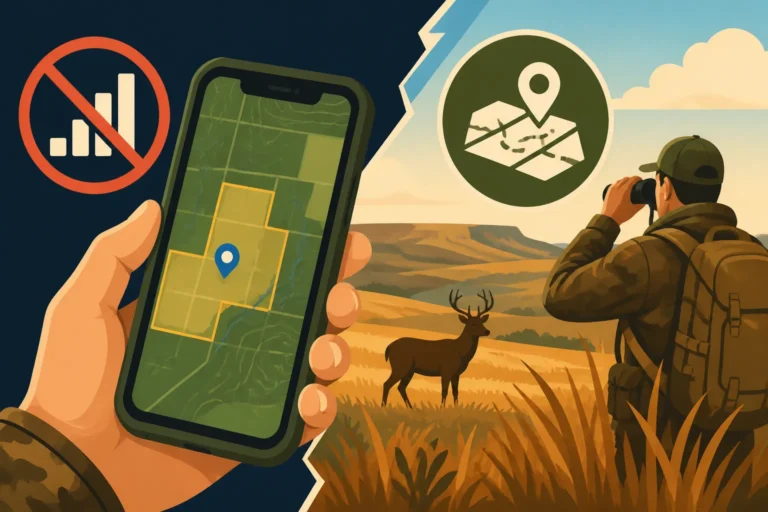
In today's age, technology can be a hunter's best friend, especially on public lands like GMAs. Modern mapping applications, such as onX Hunt and even resources provided by GoHunt, are indispensable tools for identifying public land boundaries, understanding property ownership, and navigating terrain. These apps often show GMA boundaries clearly, along with designated roads, trails, and sometimes even specific land features that are important for hunting. This helps you confidently know exactly where you are and avoid accidental trespassing onto adjacent private lands.
Before you head out, download offline maps to your phone, as cell service can be spotty in many rural North Dakota GMAs. Use these tools to scout potential access points, identify cover and food sources, and plan your approach. While a GPS app is a fantastic aid, always carry a physical map and compass as a backup, and know how to use them. Technology should enhance your outdoor skills, not replace them. Checking recent satellite imagery can also reveal current field conditions or changes in cover that might impact your hunt plan. Scouting PLOTS Land With the ND Hunt App provides similar guidance applicable to GMAs.
Common Misconceptions and Troubleshooting GMA Hunts
Even experienced hunters can sometimes get tripped up by specific rules or unexpected situations on Game Management Areas. Understanding common misconceptions and knowing how to troubleshoot problems can save you a lot of headache and ensure your hunt remains compliant and enjoyable.
Clarifying Baiting and Feeding Rules
One of the most frequently misunderstood rules on public lands, including GMAs, involves baiting and feeding. In North Dakota, baiting for deer is generally prohibited on public lands. This means you cannot place or distribute any bait, feed, or attractant to lure deer. This rule is in place for several reasons, including preventing the congregation of animals, which can accelerate the spread of diseases like CWD, and ensuring a fair chase environment. While it might be allowed on some private lands with specific restrictions, never assume it's permissible on a GMA.
The definition of "bait" can sometimes be tricky. It's not just corn; it can include mineral blocks, salt licks, or even certain food plots if they are planted with the specific intent of drawing deer for hunting and don't meet other agricultural exemptions. If you're unsure about a specific practice, err on the side of caution and consult the NDGFD. It's far better to ask than to face a violation. Remember, Why Baiting Is Banned on National Grasslands offers insight into similar concerns across different public land types.
Dealing with Unexpected Closures or Changes
North Dakota's GMAs are dynamic environments, and conditions can change rapidly. Unexpected closures can occur due to extreme weather, such as flooding or heavy snow, fire danger, or even specific wildlife management activities like controlled burns or timber stand improvement. It's also possible for boundaries or access points to change as new land is acquired or existing agreements expire. Nothing is more frustrating than driving for hours only to find your intended hunting spot closed.
Before any hunt, especially if you're traveling a significant distance, always check the North Dakota Game and Fish Department's website for current advisories, news releases, or specific GMA updates. Many GMAs have contact information for local game wardens or wildlife managers, which can be invaluable for getting real-time information. A quick phone call can save you a wasted trip. While mapping apps are great, they don't always update in real-time for temporary closures. Staying informed is your best defense against surprises.
When to Seek Further Information
Sometimes, despite all your research, you'll encounter a question or situation where you're just not sure about the correct course of action. This is precisely when you should seek further information from official sources. The North Dakota Game and Fish Department is your primary resource. Their website is comprehensive, and they have regional offices staffed with biologists and game wardens who can provide clarification.
Don't rely solely on word-of-mouth or online forums for regulatory advice, as information can be outdated or misinterpreted. A quick, polite phone call or email to the NDGFD can often clear up any confusion and ensure you remain compliant. It's better to ask a "dumb question" than to unintentionally break a regulation. Game wardens, in particular, are there to educate and assist, as well as enforce. Establishing a respectful relationship with them can be invaluable.
Here's a quick comparison of various public land types in North Dakota for quick reference:
| Feature | Game Management Areas (GMAs) | PLOTS (Private Land Open To Sportsmen) | Waterfowl Production Areas (WPAs) | National Grasslands (Little Missouri, Sheyenne) |
|---|---|---|---|---|
| Ownership/Management | ND Game and Fish Dept. (State) | Private Landowners (State program) | U.S. Fish & Wildlife Service (Federal) | U.S. Forest Service (Federal) |
| Primary Purpose | Habitat & Public Recreation (Hunting, Fishing, Trapping) | Public Hunting Access on Private Land | Waterfowl Habitat & Nesting (Hunting Permitted) | Multiple Use (Grazing, Recreation, Hunting, Energy Dev.) |
| Typical Size | Varies, usually smaller to medium parcels | Varies greatly, often field edges or smaller tracts | Often smaller wetlands & surrounding uplands | Large, expansive tracts covering thousands of acres |
| Vehicle Access | Designated roads/trails only | Designated access often marked, no off-road | Designated roads/trails only | Designated roads/trails only, some seasonal closures |
| Camping Permitted | Generally NOT permitted | Generally NOT permitted (private land) | Generally NOT permitted | Permitted in designated areas/dispersed camping (check rules) |
| Baiting for Deer | Generally PROHIBITED | Generally PROHIBITED (state rule applies) | Generally PROHIBITED (federal rule applies) | Generally PROHIBITED |
| Key Info Source | NDGFD Proclamation, NDGFD Website | NDGFD PLOTS Guide, NDGFD App | USFWS Website, NDGFD Proclamation | USFS Website, NDGFD Proclamation |
| Example Link | Hunting North Dakota Wildlife Management Areas | How PLOTS Access Works | Hunting a Waterfowl Production Area for Deer | Hunting North Dakota's Little Missouri National Grassland |
Always remember that laws and regulations can change, and specific situations may have unique considerations. Consult the most current official North Dakota Game and Fish Department hunting and trapping guide for the definitive rules each season.
Disclaimer
This article is for general informational purposes only and does not constitute professional advice. Laws, prices and regulations vary by location and change over time. Consult a qualified professional for guidance on your specific situation.