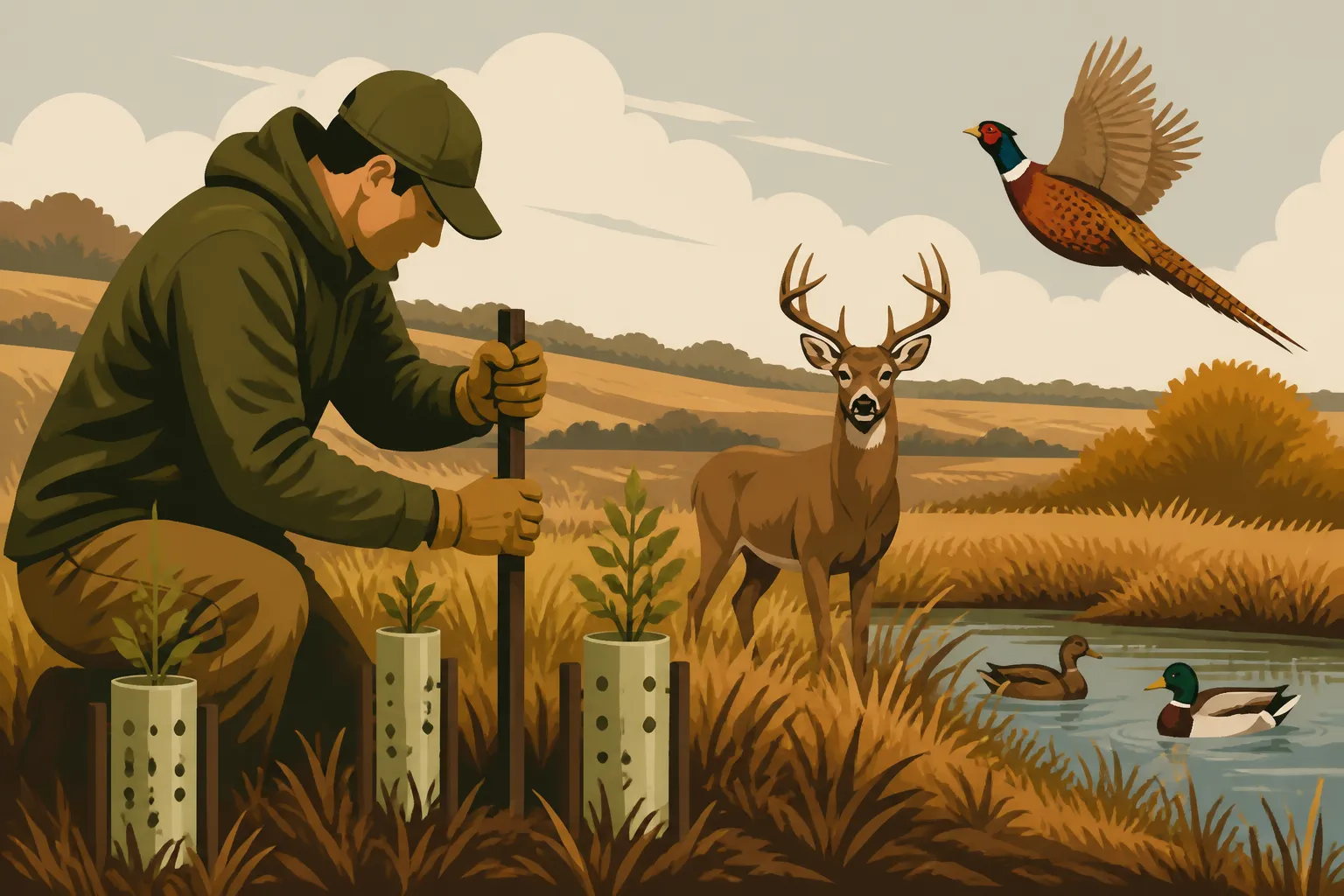
Habitat Work on North Dakota Wildlife Management Areas
It's easy to drive by a sign that simply says "Wildlife Management Area" and not give a second thought to what that really means beyond "public hunting." But beneath the surface of these critical public lands lies an incredible amount of intentional, hard work aimed at creating and sustaining the very habitats that draw in our deer, pheasants, and ducks. This guide will pull back the curtain on the vital habitat work done on North Dakota's Wildlife Management Areas, revealing the dedication required to keep our hunting heritage vibrant and healthy for generations to come.
Understanding the "Why" Behind WMA Habitat Work
Many hunters, myself included, sometimes take for granted that the land we access will simply be there and be productive. But in today's world, with so many pressures on natural spaces, productive habitat doesn't just happen by accident. It's often the result of thoughtful, science-backed management, and our Wildlife Management Areas (WMAs) are prime examples of this crucial effort.
The Ecological Imperative: Why Wildlife Needs Our Help
Let's be real, North Dakota's landscape is constantly changing. Agriculture is vital to our state, but it also means that much of the native prairie, wetlands, and timber that once stretched across the state has been altered or converted. This leads to habitat loss and fragmentation, which are huge problems for wildlife. Imagine a deer herd trying to survive when their traditional bedding areas are gone, or a pheasant flock struggling to nest when all the dense cover has disappeared. WMAs step in as critical refuges and anchors in this altered landscape. They are intentional spaces where wildlife needs are prioritized, offering diverse habitats that might otherwise vanish.
Natural processes alone often aren't enough to sustain healthy wildlife populations in these modern, fragmented environments. Without intervention, invasive species can choke out native plants, old growth can become less productive, and vital water sources can dry up or become unhealthy. The habitat work on WMAs isn't about perfectly recreating some bygone era; it's about actively managing the land to support robust wildlife numbers in the face of ongoing environmental and human pressures. These areas are truly sanctuaries where wildlife can thrive, providing a consistent hunting opportunity year after year. For a deeper dive into these critical areas, read North Dakota Wildlife Management Areas.
Balancing Act: Maximizing Opportunity for Diverse Species
One of the most impressive aspects of WMA habitat work is the incredible juggling act involved in managing for a wide array of species. It's not just about deer, or just about pheasants, or just about ducks. North Dakota WMAs often aim to create a mosaic of habitats that can support everything from upland birds to waterfowl, and big game to furbearers. Each species has unique needs for food, cover, and water, and managing for one often has ripple effects on others.
For example, what makes excellent nesting cover for a pheasant might be too short for a deer looking for dense bedding, or what provides prime duck habitat might be entirely unsuitable for a sharptail grouse. So, WMA managers use a variety of tools to create diverse landscapes within a single property. This might mean maintaining areas of tall, dense grasses for pheasants, interspersed with brushy draws for deer, and shallow wetlands for ducks and geese. It's a complex puzzle, but the goal is always to maximize the carrying capacity of the land for as many species as possible, ensuring varied hunting opportunities. Understanding population trends, such as those discussed in North Dakota Sharptail Grouse Population and North Dakota Duck and Goose Numbers, helps guide these decisions.
Common Habitat Management Techniques on North Dakota WMAs
When you step onto a WMA, you might notice different types of vegetation, patches of disturbed ground, or even man-made structures designed to hold water. These aren't random; they're all part of a carefully considered management plan. Let's look at some of the key techniques employed to create these productive hunting grounds.
Prescribed Burning and Mowing: The Tools of Regeneration
Fire and steel—or, more accurately, controlled burns and mowers—are two of the most fundamental tools in a WMA manager's arsenal. You might think burning land sounds counterintuitive for wildlife, but it's actually a powerful way to rejuvenate habitat. Prescribed burns remove old, decadent vegetation that can become matted down and less useful for nesting or hiding. This process also stimulates the growth of tender, nutritious new grasses and forbs, which are crucial food sources for many species. Furthermore, fire can help control invasive species that outcompete native plants, creating a healthier ecosystem.
Mowing serves a similar purpose in some areas, especially where fire isn't practical or desired. Strategic mowing can create "edge habitat," which is essentially the transition zone between two different habitat types. Edges are incredibly productive for wildlife, as they offer both food and cover in close proximity. Think of a mowed strip next to a tall grass field—pheasants might feed in the short grass and quickly dart into the tall cover if danger approaches. Mowing can also create firebreaks to help control burns or improve access for hunters in dense areas. If you're wondering how specific types of habitat benefit birds, check out Hunting a Waterfowl Production Area for Upland Birds.
Food Plots and Native Plantings: Sustenance and Shelter
Just like we plan our meals, wildlife managers meticulously plan what to plant on WMAs. Food plots are exactly what they sound like: dedicated areas planted with crops like corn, milo, or clover to provide a concentrated food source for wildlife, especially during harsh winter months or periods of high stress. These plots are a lifesaver for deer and upland birds when natural forage is scarce, helping them maintain condition and survive lean times. It's a real blessing to find a standing corn or milo plot during a late-season hunt, knowing how much it helps the local deer herd. For more on late-season strategies, consider Late-Season Food Sources for North Dakota Whitetails.
Beyond cultivated food plots, WMA managers also focus heavily on native grass and forb plantings. These aren't just pretty; they are the backbone of healthy prairie ecosystems. Think of dense stands of switchgrass or big bluestem that provide phenomenal nesting cover for pheasants and sharptails, or wildflowers that attract insects which young birds need for protein. These native plantings offer not only food but also crucial escape cover and thermal protection during severe weather. When you're scouting a WMA, using tools like onX Hunt can help you distinguish between different types of plantings, allowing you to predict where various game animals might be holding or feeding. Knowing the difference between a switchgrass field and a clover plot can make all the difference in your hunting strategy.
Water Development and Wetland Enhancement: Lifeblood of the Prairie
North Dakota is famous for its Prairie Pothole Region, a landscape dotted with countless wetlands. However, even with this natural abundance, active water management is essential on many WMAs. This can involve creating or enhancing dugouts (small ponds), constructing dikes to retain water in seasonal wetlands, or implementing managed drawdown systems. Managed drawdowns are particularly fascinating: managers will intentionally lower water levels in a wetland at certain times of the year to promote the growth of moist-soil vegetation (like smartweed or millet), which are incredibly important food sources for migrating waterfowl.
These water development and wetland enhancement projects provide crucial breeding, staging, and resting areas for ducks, geese, and a myriad of other aquatic species. Without them, many of these areas would simply dry up or become less productive over time, severely impacting the incredible waterfowl hunting opportunities North Dakota is known for. The health of these wetlands is directly tied to the health of our waterfowl populations. For those interested in understanding these critical areas, delve into North Dakota Waterfowl Production Areas.
The Role of Technology and Partnerships in Modern WMA Management
It's not just about chainsaws and plows anymore. Modern WMA management is a sophisticated endeavor that relies heavily on data, collaboration, and the ongoing support of the hunting community.
Data-Driven Decisions: Using Science for Better Outcomes
Habitat management is no longer a guessing game; it's a science. WMA managers use a wealth of data to make informed decisions about where, when, and how to implement habitat projects. This includes everything from aerial photography and GIS mapping to detailed wildlife surveys and population monitoring. For instance, they might track nesting success rates of pheasants in different cover types, or monitor deer population estimates in specific units to determine if certain food plots are effectively supporting the herd. Accessing this kind of data, sometimes even through platforms like GoHunt that aggregate state agency reports, can give a hunter a real edge in understanding game distribution.
Geographic Information Systems (GIS) technology allows managers to map vegetation types, soil compositions, water sources, and even historical burn patterns. This information helps them predict how a specific management technique will impact the ecosystem and target areas that need the most attention. When you look at a WMA map on your onX Hunt app, know that the underlying layers of habitat type and terrain have likely been influenced by this data-driven approach, designed to create optimal conditions for wildlife. All of this contributes to a better understanding of populations, like those detailed in North Dakota Deer Population Estimate or gathered from North Dakota Wildlife Area Deer Check Station Data.
Collaborative Efforts: Agencies, Volunteers, and Landowners
The scale of habitat work required across North Dakota's many WMAs is immense, and it's certainly not something one agency can do alone. The North Dakota Game and Fish Department, which manages many of these areas, relies heavily on a network of partners. Conservation groups like Ducks Unlimited, Pheasants Forever, and the National Wild Turkey Federation often contribute funding, equipment, and volunteer labor for specific projects. These organizations are passionate about their respective species and provide invaluable support on the ground.
Local volunteers also play a crucial role, dedicating countless hours to planting trees, building fences, or assisting with prescribed burns. Furthermore, partnerships with adjacent landowners are incredibly important. Sometimes, a WMA might collaborate with a private landowner on a habitat project that benefits both their land and the public hunting area, creating larger, more contiguous blocks of quality habitat. Understanding how private land fits into the larger conservation picture, as explored in How Landowners Enroll Land in PLOTS, highlights the importance of these collaborations.
Hunter Impact and Stewardship: Our Part in the Equation
As hunters, we are perhaps the most direct beneficiaries of WMA habitat work, but our role goes beyond simply enjoying the fruits of these labors. A significant portion of the funding for these habitat projects comes directly from hunting license fees and excise taxes on hunting equipment. Every time you purchase a license, you're directly investing in the conservation efforts that keep these WMAs productive. Understanding North Dakota Hunting Licenses and What They Cost reveals how directly connected our financial contributions are to these vital programs.
Beyond financial contributions, hunters have a responsibility to be good stewards of these public lands. This means practicing ethical hunting, adhering to all regulations, and leaving no trace. Picking up spent shotgun shells, packing out all trash, and respecting WMA boundaries ensures that these areas remain pristine and productive for future generations. Our actions on the ground reflect on the entire hunting community and directly impact the ongoing support for these vital habitat initiatives.
Navigating and Utilizing WMAs with Habitat Work in Mind
Stepping onto a Wildlife Management Area isn't just about showing up with a gun or bow; it's about understanding the landscape, respecting the rules, and appreciating the efforts that make it a productive hunting ground.
Reading the Landscape: Identifying Productive Habitat
Once you understand what habitat work looks like, you can start to "read" the landscape of a WMA more effectively. Look for signs of active management: recent burn scars (often visible for a year or two), areas of lush, young growth, different types of food plots (corn, sunflower, clover, millet), or wetland structures like dikes and spillways. These are clues that tell you where game might be. A freshly burned area might be excellent for deer foraging on new growth, while a dense stand of unburned cover nearby could be where they bed. Understanding how to interpret these signs can significantly improve your scouting and hunting success.
For instance, if you're chasing pheasants, you'll want to focus on areas with dense, tall grass that offers good nesting and escape cover, often adjacent to food sources like standing corn or a brushy draw. For deer, look for transitions between heavy cover and feeding areas, or consider how a recent timber stand improvement might have opened up the canopy for new growth. Tools like onX Hunt can be invaluable here, allowing you to overlay satellite imagery with public land boundaries and even identify different crop types, helping you visualize these habitat components before you even set foot on the ground. Learning to read subtleties in the terrain, such as those described in Reading North Dakota Mud for Fresh Deer Movement, further refines your ability to target game.
Respecting the Resource: Rules and Regulations
While WMAs are public lands, they often have specific rules and regulations designed to protect the habitat and ensure fair chase. These can vary from general state-wide rules to site-specific regulations for a particular WMA. It's absolutely crucial to familiarize yourself with these before your hunt. Common regulations might include restrictions on vehicle access, rules regarding the placement and removal of ground blinds or treestands, and prohibitions on baiting. Ignoring these rules can not only result in fines but can also harm the very habitat we're trying to protect.
For example, on many WMAs, off-road vehicle travel is restricted to designated trails to prevent habitat destruction and soil erosion. Similarly, while ground blinds are generally permitted, there might be rules about how long they can be left unattended or how they must be constructed to avoid damaging vegetation. Always check the specific WMA regulations before you head out. These details, such as those found in Ground Blind Rules on North Dakota WMAs, are not minor inconveniences; they are vital components of responsible resource management, ensuring that everyone can continue to enjoy the incredible hunting opportunities these areas provide.
WMA Habitat Work Techniques and Benefits
To give you a clearer picture of the diverse efforts going into our WMAs, here's a summary of common habitat work techniques and the primary benefits they provide for various game species:
| Technique | Primary Purpose | Key Game Species Benefited | Hunter Impact/Observation |
|---|---|---|---|
| Prescribed Burning | Removes old growth, stimulates new forage, controls invasives | Deer, Pheasant, Sharptail Grouse, Turkey | Look for burn scars, lush new growth in spring/summer |
| Mowing | Creates edge habitat, sets back succession | Pheasant, Sharptail Grouse, Rabbit, Deer | Mowed strips adjacent to tall cover, increased visibility |
| Food Plots | Provides concentrated forage, winter food source | Deer, Pheasant, Turkey, Geese | Find standing corn, sunflower, or clover fields |
| Native Plantings | Nesting cover, escape cover, long-term forage | Pheasant, Sharptail Grouse, Deer, Turkey | Dense stands of switchgrass, big bluestem, wildflowers |
| Water Development | Creates/enhances wetlands, provides water | Ducks, Geese, Shorebirds, Deer | Dugouts, dikes, managed wetlands, increased waterfowl activity |
| Tree/Shrub Plantings | Winter thermal cover, browse, bedding | Deer, Turkey, Pheasant, Rabbit | Shelterbelts, dense brushy pockets, increased deer bedding |
| Timber Stand Improvement | Enhances forest health, new growth, browse | Deer, Turkey, Squirrel | Openings in timber, young saplings, increased deer movement |
This table offers a snapshot, but the real complexity lies in how these techniques are combined and sequenced to create the optimal environment for North Dakota's diverse wildlife. It's a continuous, evolving process that requires dedication, expertise, and the ongoing support of hunters like us.
Disclaimer
This article is for general informational purposes only and does not constitute professional advice. Laws, prices and regulations vary by location and change over time. Consult a qualified professional for guidance on your specific situation.