What a Guided North Dakota Deer Hunt Costs
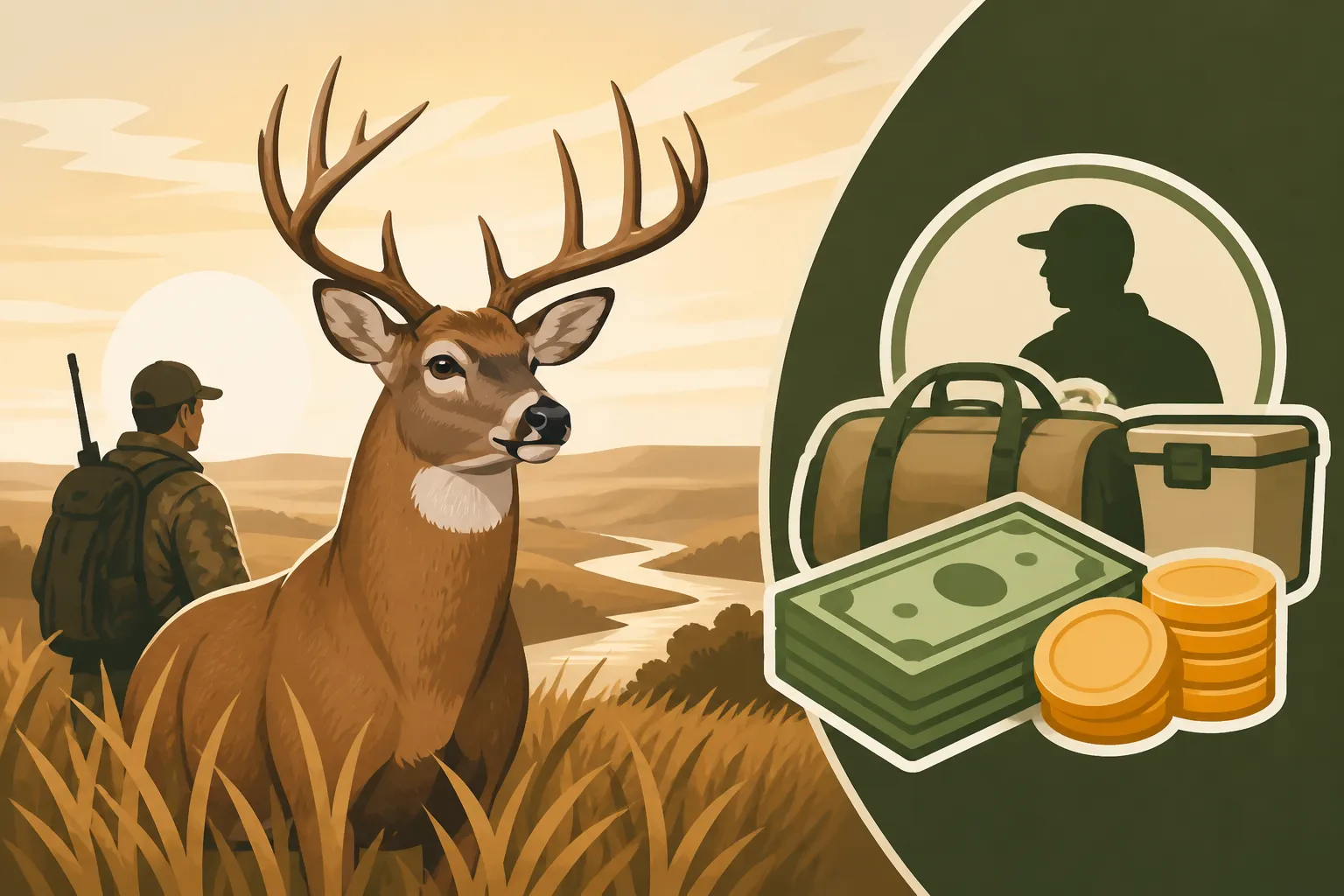
Deciding to book a guided deer hunt in North Dakota is an exciting step, but it often comes with a hefty dose of uncertainty about the financial commitment involved. It's not just about the upfront price tag from the outfitter; there are so many hidden layers of cost that can quickly add up, leaving many hunters feeling overwhelmed or even caught off guard. This guide is here to unravel the complexities of what a guided North Dakota deer hunt truly costs, breaking down every component from the daily rates to those often-overlooked expenses, so you can plan your adventure with confidence and a clear budget in mind.
Understanding the Elements of a Guided Deer Hunt Cost
When you start looking into guided deer hunts in North Dakota, you'll quickly realize that prices aren't just pulled out of thin air. They're a careful calculation of numerous factors, from the guide's time and expertise to the amenities provided. It’s like planning a vacation, but with the added thrill of pursuing a magnificent animal on its home turf.
The Base Daily Rate and Its Variations
At the core of most guided hunt costs is the base daily rate. This figure typically covers the fundamental services: your guide's time and knowledge in the field, access to hunting grounds (which might be private land or carefully scouted public areas), and usually some basic equipment like blinds or stands. Often, it includes transportation during the hunt itself, from the lodge to the hunting location. Think of it as the guide's salary for their invaluable service, plus the operational costs of running their business.
However, this daily rate isn't static; it fluctuates significantly. Reputation plays a huge role – highly sought-after guides with a long track record of success and exceptional client reviews will naturally command higher rates. Their extensive knowledge of deer behavior, local terrain, and effective hunting strategies is a commodity. The time of year also impacts pricing; hunts during the peak rut, particularly in early to mid-November for whitetails, are often at a premium due to increased deer activity and higher success potential. Early season hunts, perhaps during the North Dakota Archery Season Opening Day, or late-season opportunities after the rifle season, might offer different pricing structures depending on the outfitter's schedule and demand.
Hunt Duration and Package Structures
Most outfitters don't just sell hunts by the day; they structure them into packages, typically ranging from three to seven days. A three-day hunt might be ideal for someone on a tight schedule or budget, focusing intensely on a prime hunting window. On the other hand, a five-day or seven-day package offers more flexibility, allowing for different weather conditions, allowing you to move around if deer patterns change, and simply providing more time in the field to increase your chances of success.
You'll often find that as the duration of the hunt increases, the effective daily rate might slightly decrease, offering a better value for longer stays. These packages frequently bundle in more than just the guiding service. Many will include comfortable lodging, from rustic cabins that offer a true hunting camp feel to more luxurious lodges with all the modern conveniences. Meals are another common inclusion, ranging from hearty, home-cooked fare to catered gourmet experiences. Understanding what each package explicitly includes versus what's an add-on is crucial for accurate budgeting.
Factors Influencing North Dakota Deer Hunt Pricing
North Dakota is a diverse state, offering different deer hunting experiences, and these differences directly impact the price you'll pay for a guided trip. The species you're targeting, the type of amenities you expect, and even the guide-to-hunter ratio all factor into the final cost.
Species and Habitat: Whitetails vs. Mule Deer
One of the most significant cost drivers in a North Dakota deer hunt is the specific species you're pursuing and the habitat it occupies. North Dakota is home to both White-Tailed Deer Across North Dakota and Mule Deer in North Dakota's Badlands. A guided mule deer hunt, particularly in the rugged, breathtaking Badlands of western North Dakota, often comes with a higher price tag. This is largely due to the challenging terrain, which demands more specialized scouting, more physical exertion from both hunter and guide, and often more extensive glassing and spot-and-stalk tactics. The population of trophy-class mule deer, while present, can also be harder to consistently pattern, requiring more effort and expertise from the outfitter. The units for mule deer tags can also be highly coveted, affecting demand.
In contrast, guided whitetail hunts, found across a much broader range of the state—from the timbered river bottoms like those along the Missouri to shelterbelts and vast agricultural fields—might be comparatively more accessible and, in some cases, less expensive. While still requiring skill and knowledge, the hunting methods (like stand hunting over food sources, or still-hunting through riverine cover) can sometimes be less physically demanding or logistically complex than a full-on Badlands mule deer pursuit. Outfitters specializing in whitetails may operate on larger private land leases, which can influence their pricing structure. For example, a hunt focused on Hunting a Shelterbelt Edge for Deer will have different logistical demands than one in the Badlands.
Inclusions: Lodging, Meals, and Services
The level of "comfort" and service provided can significantly swing the price of your guided hunt. On one end of the spectrum, you might find a basic guided hunt that provides just the guide and access, expecting you to arrange your own lodging, meals, and other necessities. These bare-bones options might have a lower sticker price but require more personal planning and expense from your end.
Mid-range packages typically include comfortable, clean lodging—perhaps a farmhouse, a dedicated hunting lodge, or even a local motel—along with hearty, home-cooked meals served family-style. This is often the sweet spot for many hunters, offering good value and convenience. At the higher end, you'll find luxury lodges that boast private rooms, gourmet meals prepared by a chef, daily maid service, and other amenities that make the trip feel more like a resort vacation with hunting thrown in. These elevated experiences naturally command a premium price. Beyond room and board, consider other services: some outfitters include field dressing, caping your trophy, or even freezer space for your meat. Others might charge extra for these services or expect you to handle them yourself. Make sure to clarify these details upfront.
Guiding Style and Hunter-to-Guide Ratio
The ratio of hunters to guides is another key factor in pricing. A 1-on-1 hunt, where you have a dedicated guide solely focused on your success and experience, will always be the most expensive option. This personalized attention means the guide can adapt to your pace, preferences, and physical abilities, providing immediate feedback and making real-time adjustments to your hunting strategy. This is particularly valuable for challenging hunts or for hunters seeking a very specific kind of trophy.
More commonly, outfitters offer 2-on-1 hunts, where two hunters share one guide. This is a popular option as it splits some of the guide's cost, making the hunt more affordable for individuals or pairs traveling together. While still effective, it requires some compromise and coordination between the two hunters. Less common, but sometimes available, are larger group hunts (e.g., 3-on-1 or 4-on-1), which further reduce the per-person cost but also significantly dilute the individual attention you receive. The guiding style also impacts cost; a primarily Still-Hunting North Dakota's Missouri River Bottomland strategy might require a different guide skillset and physical endurance compared to sitting over a strategically placed food plot.
Additional Costs Beyond the Booking Fee
It's easy to focus solely on the outfitter's package price, but a truly comprehensive budget for your guided North Dakota deer hunt needs to account for several other crucial expenses. Overlooking these can lead to unpleasant surprises once you're on the ground.
Licenses, Tags, and Application Fees
Before you even step foot in the field, you'll need to secure the proper North Dakota hunting licenses and tags. For nonresidents, this is a multi-step process with associated costs that are separate from the outfitter's fees. First, you'll need a General Game and Habitat License, which is the foundational permit. Then comes the deer tag itself. For gun hunting, North Dakota operates on a lottery system for deer tags, meaning you'll need to apply, often well in advance of the season, and pay an application fee. You'll want to thoroughly review North Dakota Hunting Licenses and What They Cost to understand these prerequisites.
The cost of these licenses can vary depending on whether you're applying for an antlered or antlerless tag, and the type of weapon you plan to use. If you're planning a rifle hunt, understanding the North Dakota Deer Gun Lottery Application Process is paramount, as success in the lottery is never guaranteed, and the application fees are non-refundable. Archery tags are generally over-the-counter for nonresidents, but still carry their own fees. These expenses are paid directly to the North Dakota Game and Fish Department, not the outfitter, so ensure they are factored into your total budget.
Travel Expenses: Transportation and Gear Shipping
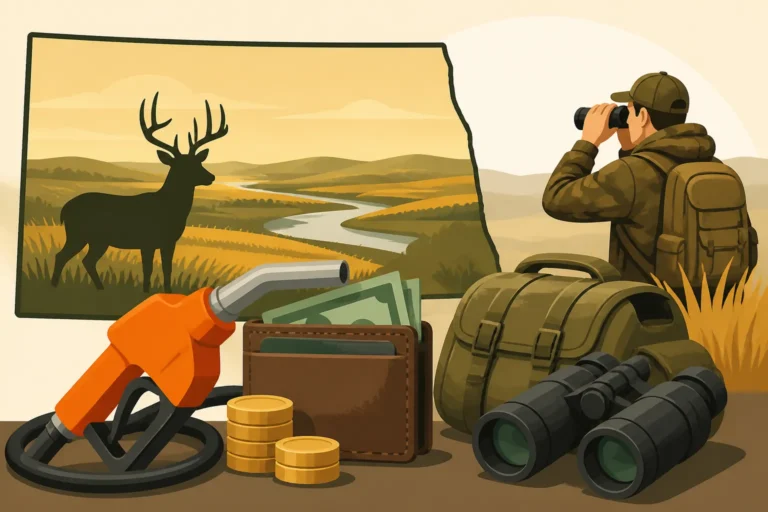
Unless you live locally, getting to North Dakota and then to your hunt location will incur significant costs. If you're flying, consider airfare to major hubs like Bismarck or Fargo, and then the cost of a rental vehicle to get to the outfitter's lodge, which could be several hours away in rural areas. The price of fuel for your vehicle, whether it's a rental or your own, also needs to be considered, especially if the hunt involves a lot of driving around vast North Dakota landscapes.
For hunters bringing their own firearms, there are costs associated with airline firearm policies, potentially including oversized baggage fees or specific shipping requirements. Similarly, if you plan to ship your harvested meat home, you'll need insulated coolers, dry ice, and shipping costs. The same applies to getting your trophy back to your taxidermist. These logistical considerations can easily add several hundred dollars, or even more, to your overall trip budget.
Gratuities and Taxidermy/Meat Processing
One of the most commonly underestimated expenses is gratuities for your guide and any lodge staff. Tipping is a customary way to show appreciation for hard work and excellent service in the hunting industry. While the exact amount is at your discretion, it's generally expected and should be budgeted for as a significant line item. Guides often work incredibly long hours, starting before dawn and finishing long after dark, performing tasks from scouting to tracking to field dressing. You can find more specific guidance on this topic by reading Tipping a North Dakota Hunting Guide.
Beyond the hunt itself, there's the cost of preserving your harvest. If you bag a deer, you'll likely want to have the meat professionally processed. Local processors offer services from basic butchering and wrapping to specialty cuts and sausage making, all for a fee that varies by animal size and desired services. For a trophy animal, you'll also incur taxidermy costs. These can range from a shoulder mount to a full-body mount, with prices that reflect the artist's skill and the complexity of the piece. Both meat processing and taxidermy are usually paid directly to the service provider, not the outfitter, so ensure these post-hunt expenses are included in your financial planning.
Finding the Right Value and Booking Smart
Navigating the world of guided hunts can feel like a maze, but with careful planning and research, you can find a hunt that aligns with your expectations and budget. It's about more than just the lowest price; it's about securing a quality experience and making an informed decision.
Researching and Vetting Outfitters
Before you commit a significant amount of money, thorough research is non-negotiable. Start by searching for outfitters operating in the regions of North Dakota that interest you, whether it's the Badlands for mule deer or river bottom country for whitetails. Look for detailed websites, read testimonials, and scrutinize photo galleries for evidence of consistent success. Online platforms can be incredibly useful here; resources like BookYourHunt often feature profiles of numerous outfitters, complete with pricing details, package inclusions, and, crucially, reviews from past clients. These firsthand accounts can provide invaluable insights into the outfitter's professionalism, the quality of their service, and the realism of their claims.
Don't shy away from asking outfitters for references from previous hunters. A reputable outfitter will be happy to provide contact information for clients who can vouch for their operation. When you connect with references, ask specific questions about the guiding experience, the accommodations, the food, and how the outfitter handled any unexpected situations. Additionally, verify that the outfitter is properly licensed and insured to operate in North Dakota. This due diligence is a critical step in Vetting a North Dakota Hunting Outfitter and protecting your investment.
Understanding Contract Details and Cancellation Policies
Once you've narrowed down your choices, pay meticulous attention to the outfitter's contract and cancellation policies. These documents outline the terms of your agreement, including deposit requirements, payment schedules, and what happens if you need to cancel your hunt. Deposits are almost always required to secure your spot, and they are frequently non-refundable or only partially refundable, especially as the hunt date approaches. Understanding these clauses is paramount.
Ask about their policy regarding unforeseen circumstances, such as extreme weather that might make hunting unsafe or unproductive. While North Dakota outfitters do their best to provide a successful hunt, nature is unpredictable. Some outfitters might offer to reschedule, while others might not. Consider purchasing travel insurance or specific hunting trip insurance that covers cancellations for personal reasons, medical emergencies, or unforeseen events. This extra layer of protection can offer peace of mind, especially when booking an expensive, multi-day trip.
| Hunt Type | Typical Inclusions | Typical Exclusions | Price Factor (Relative) |
|---|---|---|---|
| Basic Guided | Guide service, property access, field transportation | Lodging, meals, licenses, processing, tips | Low-Moderate |
| Semi-Guided | Guide consultation, scouted areas, some support | Full-time guiding, most amenities, licenses | Moderate |
| Full Package | Guide service, lodging, meals, field dressing, caping | Licenses, processing, taxidermy, tips, travel | Moderate-High |
| Premium/Luxury | All full package inclusions plus enhanced amenities | Licenses, taxidermy, tips, some travel | High-Very High |
Maximizing Your Investment: Preparation and Communication
The true value of your guided hunt isn't just in the services provided, but also in what you bring to the experience. Physical preparation is key, especially if you're venturing into challenging terrain like the Badlands for mule deer. While a guided hunt alleviates some of the scouting burden, being in good physical condition will allow you to keep up with your guide, cover more ground, and enjoy the hunt without being hampered by fatigue. Physical Prep for Badlands Elk Terrain (and deer) is a major advantage.
Effective communication with your guide is equally vital. Before and during the hunt, clearly articulate your expectations, physical limitations, and what kind of deer you're hoping to harvest. Be honest about your shooting abilities and any concerns you might have. A good guide will use this information to tailor the hunt to your needs, increasing your chances of success and satisfaction. Leading resources like GoHunt can also aid in your preparation, offering insights into drawing odds and unit analyses, helping you select the best opportunity before you even book your outfitter. Remember, your guide is there to help you, and a clear line of communication ensures you're both working towards the same goal: a safe, ethical, and memorable North Dakota deer hunting experience. When you book a specialized experience like a Booking a North Dakota Badlands Mule Deer Hunt, this level of planning becomes even more critical.
Disclaimer
This article is for general informational purposes only and does not constitute professional advice. Laws, prices and regulations vary by location and change over time. Consult a qualified professional for guidance on your specific situation.