North Dakota Outfitter License Requirements
Navigating the world of hunting outfitters in North Dakota can sometimes feel like traversing a maze, especially when you're trying to ensure you're working with a legitimate and reputable service. Many hunters, particularly those coming from out of state, wonder what legal hoops an outfitter has to jump through to operate, and frankly, what protections that offers them. This guide aims to clear up all that confusion by detailing the specific licensing requirements for hunting outfitters in North Dakota, empowering you to make informed decisions and ensure a safe, legal, and enjoyable hunting experience.
The Importance of Licensed Outfitters in North Dakota
When you're planning a hunting trip, especially one that involves significant travel or a substantial investment, you want peace of mind. That peace of mind often comes from knowing that the people you're entrusting your experience to are legitimate professionals. In North Dakota, the licensing of hunting outfitters isn't just bureaucratic red tape; it's a critical component that underpins the integrity of the hunting industry and provides essential safeguards for both the land and the hunters.
Working with a licensed outfitter means you're engaging with someone who has demonstrated a baseline level of competence, ethical practice, and financial responsibility. They are accountable to the state, and that layer of oversight can make a huge difference if something goes awry. It protects you from fly-by-night operations that might cut corners, disregard safety, or even operate outside the bounds of the law, potentially putting you and your hunting party at risk.
Protecting Hunters from Unethical Practices
Imagine arriving in North Dakota, full of anticipation for your Pheasant Hunting North Dakota's Prairie adventure, only to find your "outfitter" is disorganized, ill-prepared, and doesn't actually have access to the land they promised. Or worse, they operate in a way that puts you in legal jeopardy, perhaps by hunting illegally posted land or exceeding bag limits. These scenarios, unfortunately, can happen when dealing with unlicensed individuals who aren't bound by professional standards or state regulations.
A licensed outfitter, however, has gone through a vetting process. They typically have a physical address, a business structure, and a clear understanding of state hunting laws and regulations. This reduces the risk of encountering scams or shoddy services. The licensing process itself helps weed out individuals who might prey on unsuspecting hunters, especially nonresidents who may not be familiar with local customs or land access rules. It gives you a degree of recourse if their services don't meet reasonable expectations, which is something you simply won't have with an unlicensed operator. Before booking, it's always wise to dive into Vetting a North Dakota Hunting Outfitter to ensure your choice is sound.
Ensuring Quality and Safety Standards
Beyond legal and ethical considerations, licensed outfitters in North Dakota are expected to maintain certain standards of quality and safety. This isn't just about providing a nice lodge or good food; it encompasses everything from proper equipment maintenance to knowledgeable guidance in the field. They are often required to carry liability insurance, which offers a layer of protection should an accident occur during your hunt. This is a huge factor, as outdoor activities inherently carry risks.
For instance, if you're Duck and Goose Hunting North Dakota's Potholes with a licensed outfitter, you can generally expect them to provide safe transportation, well-maintained blinds, and guides who prioritize safe firearm handling and field conduct. These safety protocols are often part of the regulatory framework that governs their license. Without such oversight, there's no guarantee that an individual operating as a guide has even basic first aid certifications, let alone the necessary experience to handle emergencies in remote prairie or badlands environments.
Understanding North Dakota's Outfitter Regulations
North Dakota takes its hunting heritage seriously, and that extends to regulating those who profit from guiding others on hunts. The state's Game and Fish Department is the primary authority responsible for overseeing outfitter and guide licensing. Their regulations are designed to ensure fairness, conservation, and public safety. However, the exact definitions and requirements can sometimes be a bit nuanced, leading to confusion for both potential outfitters and hunters alike.
It's important to differentiate between someone who is genuinely acting as a paid guide or outfitter and a friend simply taking another friend out hunting. The law draws a clear line, primarily based on monetary compensation and the intent to provide a service that assists in the taking of game. Understanding these distinctions is crucial, not only for those considering becoming an outfitter but also for hunters who want to ensure they are compliant and not inadvertently hiring an illegal operator.
Who Needs an Outfitter License?
In North Dakota, an "outfitter" is generally defined as any person, firm, corporation, or other organization that, for compensation or gain, provides or offers to provide hunting services, facilities, or equipment to a hunter or hunters. This can include services like guiding, providing transportation to hunting areas, furnishing blinds or decoys, or offering accommodations as part of a hunting package. The key phrase here is "for compensation or gain." If money or anything of value changes hands specifically for these hunting services, a license is likely required.
"Guides" typically operate under an outfitter's license, meaning they are employees or contractors of a licensed outfitter. They don't usually need their own separate outfitter license, but they must adhere to the rules and standards set forth by the licensed outfitter they work for. It’s also important to note that specific game species might have different regulatory nuances. For example, guiding for big game like deer, elk, or moose has stringent requirements, as does guiding for migratory waterfowl, which also falls under federal regulations.
Distinguishing Between Guiding and Simply Helping
This is where the line can sometimes feel blurry, especially in a state like North Dakota where hospitality and helping neighbors is a strong tradition. The critical distinction lies in the exchange of money or services for hunting assistance. If you invite a friend or family member to come hunt with you, share your knowledge of the local terrain, and provide them with a place to stay, without receiving direct payment for those specific hunting services, you are generally not considered an outfitter.
However, if you start advertising your "services" to help hunters find pheasants on your land, charge a fee for access, provide transportation, and advise them on where and how to hunt, you are likely crossing into outfitter territory. The North Dakota Game and Fish Department looks at the totality of the circumstances. Are you actively soliciting business? Are you structuring your activities like a commercial enterprise? Do you have written agreements or payment schedules for hunting-related services? If the answer to these questions is yes, then pursuing the proper licensing is essential. Hunters should be particularly aware of this distinction when seeking Getting Private Land Permission in North Dakota, as a handshake agreement with a landowner who charges you a "trespass fee" but offers no guidance is different from a landowner who also actively guides you for an additional fee.
Key Requirements for Becoming a Licensed North Dakota Outfitter
Becoming a licensed outfitter in North Dakota is not a trivial undertaking. It involves a detailed application process, proving financial stability, demonstrating knowledge of hunting regulations, and committing to ethical conduct. The requirements are designed to ensure that those who offer commercial hunting services are professional, responsible, and capable of providing a safe and enjoyable experience for their clients, while also upholding conservation principles.
This rigorous process protects both the hunters and the state's natural resources. It means that when you engage with a licensed outfitter, you're not just hoping for the best; you have a reasonable expectation that they meet a certain standard. It also helps manage the impact of hunting pressure and ensures that commercial operations contribute positively to the state's hunting landscape rather than detracting from it.
Application Process and Fees
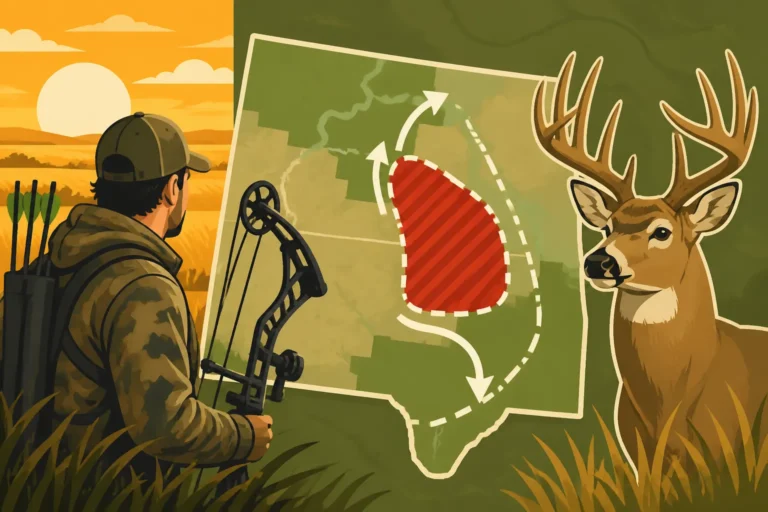
The journey to becoming a licensed North Dakota outfitter begins with a comprehensive application submitted to the North Dakota Game and Fish Department. This application typically requires a significant amount of detailed information about the applicant, their business structure, the types of hunts they plan to offer (e.g., Bowhunting North Dakota's Long Archery Season, Pheasant Hunting North Dakota's Prairie, Duck and Goose Hunting North Dakota's Potholes), and the areas they intend to operate in. You'll need to provide personal identification, business registration documents (if applicable), and detailed plans for your operations.
Along with the application, there are various fees involved. These fees cover the processing of the application, background checks, and the issuance of the license itself. While specific figures can change, it's safe to assume there will be an initial application fee, and then an annual license fee upon approval. These costs are part of the investment an outfitter makes to operate legally and demonstrate their commitment to the profession. It's a small but necessary barrier to entry that helps ensure only serious and committed individuals pursue licensing.
Insurance, Bonding, and Safety Certifications
One of the most critical aspects of outfitter licensing in North Dakota is the requirement for adequate insurance and often, bonding. This is a protection mechanism for both the outfitter and their clients. Liability insurance covers potential accidents, injuries, or property damage that might occur during a guided hunt. Given the inherent risks associated with hunting, from firearm accidents to injuries sustained in rough terrain, this insurance is non-negotiable.
A bond, if required, provides financial assurance that the outfitter will fulfill their contractual obligations to their clients. If an outfitter fails to deliver the promised services and becomes unresponsive, the bond can provide a mechanism for clients to recover funds. Additionally, outfitters and their guides are often required to hold specific safety certifications, such as first aid, CPR, or even advanced wilderness first responder training, depending on the scope and location of their operations. These requirements underscore the state's commitment to hunter safety. When you look at an outfitter on a platform like BookYourHunt, you might see references to their licensing and insurance, giving you confidence.
Residency and Experience Requirements
North Dakota often has residency requirements for certain licenses, and outfitter licenses can be among them. The exact details can vary, but generally, the state aims to ensure that outfitters have a vested interest in the state and its resources, often by requiring them to be residents for a certain period. This helps ensure accountability and local knowledge.
Beyond residency, applicants typically need to demonstrate relevant experience in guiding or hunting. This isn't just about personal hunting prowess, but about the ability to safely and effectively guide others, manage groups, navigate various terrains, and handle unforeseen circumstances. They might need to provide references, detail their hunting history, or even pass an examination on state hunting laws, ethics, and best practices. This ensures that a licensed outfitter isn't just someone with a truck and a dream, but someone with proven skills and a deep understanding of the local environment and game. For nonresidents considering becoming an outfitter, it's especially important to understand North Dakota Nonresident License Options before diving into this process.
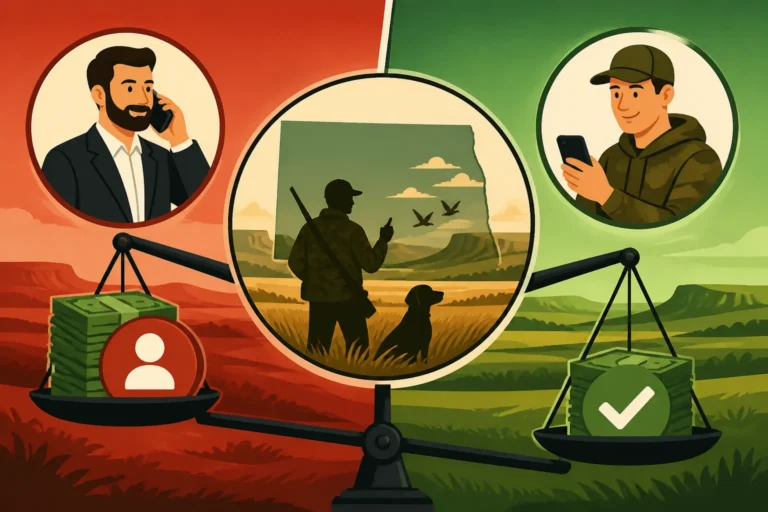
Here's a quick overview of what generally separates a legitimate, licensed outfitter from an unlicensed operator:
| Feature | Licensed Outfitter | Unlicensed Operator |
|---|---|---|
| Legal Status | State-approved and registered | Operating outside legal framework |
| Insurance | Required (Liability, etc.) | None, personal risk to client |
| Accountability | Accountable to ND Game & Fish Dept. | No formal accountability |
| Ethical Standards | Adheres to state-mandated ethics | Operates at own discretion, no oversight |
| Safety Protocols | Expected to follow safety guidelines, certified staff | No mandated safety training or equipment checks |
| Financial Security | May be bonded, established business | Often cash-only, no financial guarantees |
| Knowledge | Tested on laws, regulations, local knowledge | Varies widely, may be limited or inaccurate |
| Recourse for Hunter | State regulatory body, legal action possible | Very limited, "buyer beware" |
The Renewal Process and Ongoing Compliance
Obtaining an outfitter license is just the first step. Maintaining it requires ongoing commitment to compliance, ethical operation, and administrative diligence. North Dakota's regulations ensure that outfitters remain up-to-date with changes in hunting laws, continue to meet safety standards, and consistently provide a high-quality service. This continuous oversight is crucial for preserving the reputation of the state's hunting industry and safeguarding its wildlife resources.
The renewal process isn't merely about sending in a check; it's an annual re-evaluation that ensures the outfitter is still a responsible and qualified operator. It reinforces the state's commitment to professional standards and helps to ensure that hunters continue to receive the experience they expect and deserve when hiring a licensed professional.
Annual Renewals and Continuing Education
Just like many other professional licenses, North Dakota outfitter licenses typically require annual renewal. This process involves submitting an updated application, paying the current renewal fee, and confirming that all other requirements, such as insurance coverage, are still in good standing. This yearly check-in helps the Game and Fish Department keep an accurate roster of active outfitters and ensures that anyone operating commercially is still compliant.
In some cases, continuing education might be part of the renewal process or a strong recommendation. This could involve attending seminars on new hunting regulations, wildlife management updates, or advanced safety training. While not always a strict mandate for every license type, staying informed is critical for any reputable outfitter. For instance, changes in North Dakota's Expanding CWD Hunting Units require outfitters to be fully aware of new testing and transport protocols to properly advise their clients. A good outfitter will always be learning and adapting to ensure they provide the best, most compliant service possible.
Record Keeping and Reporting Obligations
Licensed outfitters in North Dakota often have specific record-keeping and reporting obligations. This might include maintaining detailed records of their client hunts, including hunter names, license numbers, species harvested, and specific dates and locations. These records are vital for several reasons. They can be used by the Game and Fish Department to monitor hunting pressure, track harvest data, and assess the health of game populations. This information contributes to sound wildlife management decisions.
Outfitters may also be required to submit annual reports detailing their operations, which helps the state understand the scope of commercial hunting activity. These reporting requirements also serve as a check on ethical conduct. An outfitter who consistently reports issues or discrepancies might trigger further review from the authorities. For a hunter, this means there's a paper trail, adding another layer of accountability to your chosen guide, which is a reassuring thought when considering a substantial investment in a Booking a North Dakota Deer Hunt.
Verifying an Outfitter's License and Avoiding Pitfalls
As a hunter, the onus is ultimately on you to ensure you're making smart choices when booking a guided trip. While North Dakota has a robust licensing system, it's still possible to encounter individuals operating without the proper credentials. Doing your due diligence not only protects your financial investment but also ensures you're participating in legal and ethical hunting practices. Think of it as part of your pre-hunt scouting, but for your guide service instead of the game.
Platforms like GoHunt, which often compile reputable outfitters, are a good starting point, but always verify independently. Knowing how to check an outfitter's status and recognizing red flags will save you a lot of headache and potential trouble down the line. It empowers you to demand professionalism and helps maintain the integrity of North Dakota's hunting heritage.
How to Check an Outfitter's Status
The most reliable way to verify an outfitter's license in North Dakota is to contact the North Dakota Game and Fish Department directly. They maintain a current list of all licensed outfitters and can confirm whether a specific individual or company holds a valid license. You can usually find this information on their official website or by calling their main office. Don't hesitate to ask the outfitter for their license number when you're making inquiries; a legitimate outfitter will be proud to provide it.
Another approach is to check online directories or review sites that specifically cater to hunting outfitters. While these can be helpful, always cross-reference the information with the official Game and Fish Department records. Some hunting consultants or booking agencies, like BookYourHunt, may also verify the licenses of the outfitters they represent, adding another layer of confidence, but direct verification is always best. This simple step can save you from a lot of grief and ensure you don't inadvertently book a hunt that falls outside the legal framework. It’s part of the Questions to Ask a North Dakota Outfitter before you send a deposit.
Common Red Flags to Watch For
When you're researching potential outfitters, keep an eye out for certain red flags that might indicate an unlicensed or disreputable operation. One major warning sign is an unwillingness to provide their North Dakota outfitter license number. If they hedge, deflect, or claim it's "not necessary," proceed with extreme caution. Another red flag is demanding cash-only payments without any formal invoice or contract. A professional business will always have clear payment terms and documentation.
Be wary of deals that sound too good to be true, especially significantly lower prices compared to competitors, or promises of guaranteed success that border on unethical. Aggressive sales tactics, poor communication, or a lack of clear answers to your questions about logistics, accommodations, or legal requirements should also raise concerns. Finally, check for online reviews, but be critical. While many positive reviews are great, a complete absence of reviews or only extremely vague, generic praise can also be a sign to dig deeper. Identifying these Red Flags When Booking a North Dakota Hunt is crucial for protecting your investment and your hunt.
Reporting Unlicensed Guiding Activity
If you suspect that an individual or business is operating as an unlicensed hunting outfitter in North Dakota, it's important to report it to the proper authorities. The North Dakota Game and Fish Department relies on concerned citizens and ethical hunters to help uphold the state's hunting laws. You can typically report such activities through their law enforcement division or by calling their dedicated tipline. Providing as much detail as possible—names, locations, dates, descriptions of the activity, and any evidence you might have—will assist them in their investigation.
Reporting unlicensed guiding isn't about being a "tattletale"; it's about protecting wildlife populations, ensuring fair chase, and safeguarding the hunting community from those who would undermine its integrity. Unlicensed operations often disregard bag limits, trespass laws, and other regulations, which can have detrimental effects on local game populations and landowner relations. By reporting these activities, you're contributing to the preservation of North Dakota's rich hunting opportunities for everyone.
Disclaimer
This article is for general informational purposes only and does not constitute professional advice. Laws, prices and regulations vary by location and change over time. Consult a qualified professional for guidance on your specific situation.