Booking a Multi-Species North Dakota Trip
Hunting North Dakota for one species is an adventure in itself, but the dream of a multi-species trip – perhaps chasing pheasants in the morning and calling geese in the afternoon, or blending a deer hunt with some upland action – can feel like an impossible puzzle. It’s certainly more complex than a dedicated single-species hunt, with tangled regulations, overlapping seasons, and logistical hurdles that can make even a seasoned hunter scratch their head. This guide will walk you through the ins and outs of planning, executing, and ultimately enjoying a multi-species hunting trip in North Dakota, addressing those frustrations head-on so you can make that diverse hunting dream a reality.
The Allure and Complexity of Multi-Species Hunting
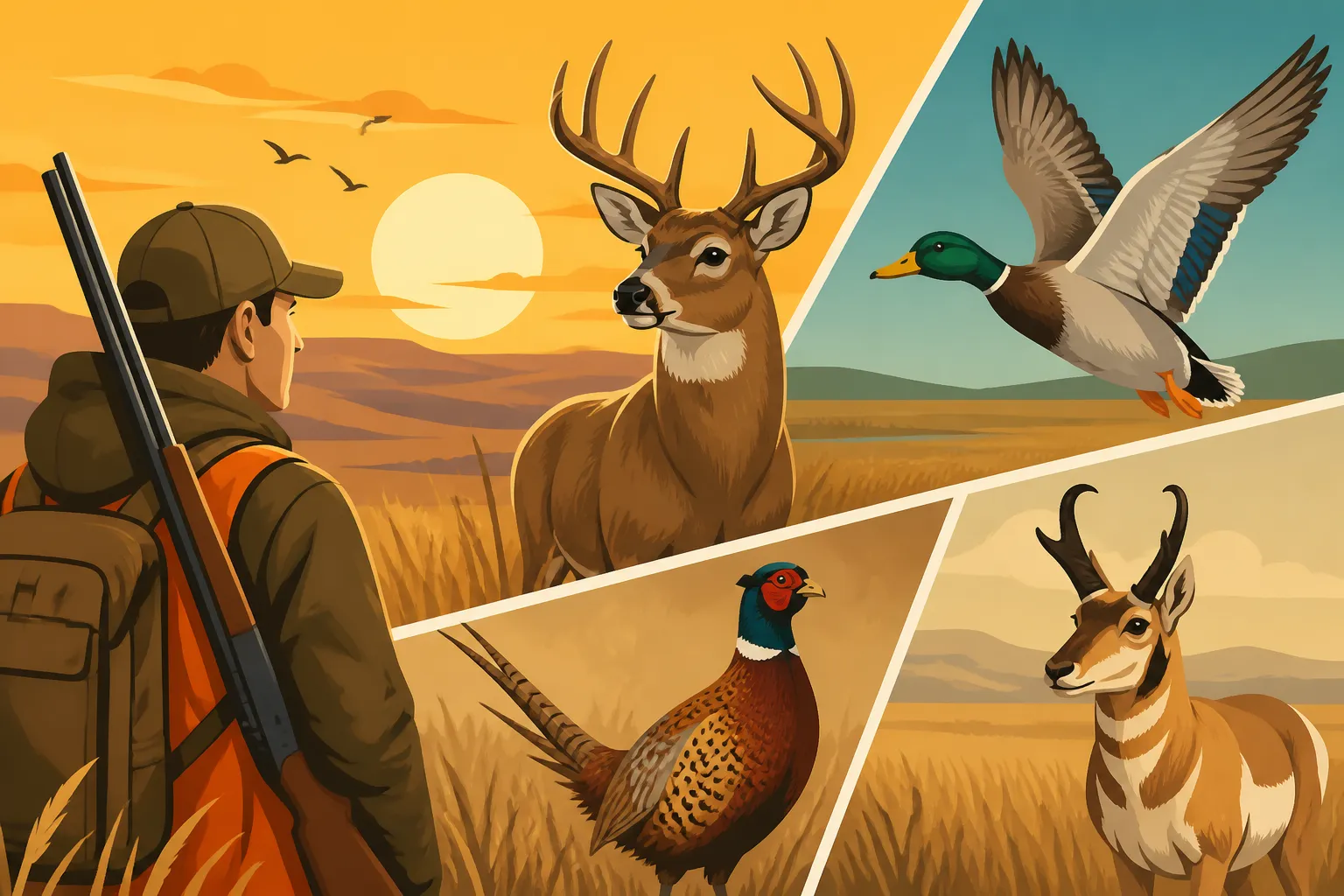
North Dakota is a hunter's paradise, offering an incredible diversity of game animals from the iconic ring-necked pheasant to vast flights of waterfowl, and robust populations of whitetail and mule deer. For many, the idea of pursuing more than one species during a single trip is the ultimate way to experience the state's abundant wildlife. It's about maximizing your time, expanding your skillset, and creating an even richer, more memorable outdoor experience. But this increased potential for adventure comes with a proportional increase in planning complexity.
Maximizing Your Time in the Field
One of the biggest draws to a multi-species hunt is the sheer efficiency it offers. If you're traveling a significant distance to get to North Dakota, dedicating your entire trip to just one type of game might feel like you're leaving opportunities on the table. Imagine a scenario where the pheasant hunting is slow during the midday lull, but you have the option to pack up your shotgun and move to a nearby slough for an afternoon duck hunt. Or perhaps you're primarily on a deer hunt, but the weather turns nasty, making deer movement minimal. Being able to pivot to chasing grouse or rabbits can salvage the day and keep spirits high. This flexibility is a huge advantage, allowing you to adapt to weather changes, game patterns, or simply changing desires, ensuring every moment afield is productive.
However, this flexibility is built upon meticulous groundwork. You can't just decide on the fly to hunt a new species without the proper licenses, gear, and knowledge of specific regulations. Trying to wing it will lead to frustration and potential legal issues. It’s about being prepared for multiple scenarios, which means more initial research and packing.
Understanding the Challenges
While the rewards are great, the challenges of a multi-species hunt are substantial. The first hurdle often involves overlapping seasons. While some species have nicely aligned seasons, others might have just a small window or require you to prioritize one over the other. Then there's the license matrix; North Dakota has different license requirements for different species, and these can vary for residents and non-residents. What works for deer certainly won't work for ducks. North Dakota Hunting Licenses and What They Cost is a great resource to begin unraveling this.
Beyond regulations, consider the sheer volume of gear. A waterfowl hunt requires decoys, waders, and specialized blinds, none of which are typically useful for pheasant hunting. A deer hunt demands different attire, optics, and weapons entirely. Juggling all this equipment, knowing which to prioritize, and transporting it efficiently can be a logistical nightmare. Furthermore, successfully hunting multiple species often requires diverse skill sets and knowledge of different habitats, making a "jack-of-all-trades" approach less effective unless you are truly well-versed in each pursuit.
Popular Multi-Species Hunting Combinations
When considering a multi-species trip to North Dakota, some combinations naturally lend themselves better to overlapping seasons and logistical ease than others. It's all about finding harmony between the target species' habits, habitats, and legal hunting periods.
Pheasant and Waterfowl
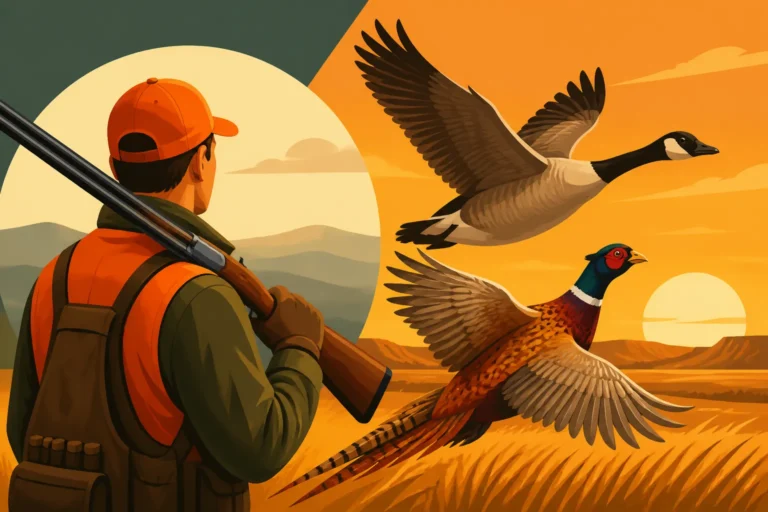
This is arguably the most classic and popular multi-species combo in North Dakota, especially for non-residents. The prime pheasant season often coincides beautifully with the peak waterfowl migration in the prairie pothole region. You can start your day setting up a decoy spread for ducks and geese on a slough or stubble field, enjoying the dawn flight. Once the birds have settled down for the day, you can transition to walking CRP fields, shelterbelts, and slough edges for pheasants and Hungarian partridge. Pheasant Hunting North Dakota's Prairie and Duck and Goose Hunting North Dakota's Potholes offer deep dives into each of these.
The beauty of this combination lies in several factors:
- Overlapping Seasons: Many prime weeks in October and November allow for both.
- Geographic Proximity: Pheasants, ducks, and geese often inhabit the same general prairie landscapes. You might find pheasants holding right on the edge of a cattail slough where you're set up for ducks.
- Shared Gear: While specific gear for each is needed, shotguns, appropriate hunting attire, and good retrieving dogs can serve both purposes with minor adjustments.
- Diverse Action: This combo offers high-action hunts, keeping you engaged throughout the day, whether you're breaking ice for ducks or busting a rooster out of heavy cover.
However, be mindful of the significant gear investment: a good spread of duck and goose decoys isn't cheap or light, and waders are often essential. Plus, the transition between hunts takes time, requiring efficient packing and unpacking.
Deer (Archery or Muzzleloader) with Upland Birds or Predators
Another fantastic option, especially for those interested in big game, is to combine a deer hunt with upland bird hunting or predator calling. North Dakota's archery deer season starts early, often aligning with the opening of sharptail grouse and Hungarian partridge seasons. Later in the fall, particularly during the muzzleloader season, pheasants are also fair game. The deer gun season, however, is short and intense, making it harder to truly integrate other species without sacrificing focus. Muzzleloader Deer Hunting in Select North Dakota Units details specific seasons.
Here’s why this combo can work:
- Archery Season Overlap: Early archery season provides ample opportunity to hunt deer during prime times (morning/evening) and then transition to upland birds during the middle of the day.
- Muzzleloader Flexibility: The late-season muzzleloader hunt often overlaps with colder weather and good pheasant hunting conditions.
- Habitat Diversity: Deer can be found in river bottoms, shelterbelts, and badlands draws, often adjacent to prime upland bird cover.
- Predator Opportunities: Coyote calling can be incredibly effective in the late afternoon or evening, especially during colder periods, offering excitement even when deer are bedded down. Coyote Calling North Dakota Farm Country could be a good resource.
The challenge with this combination is often the difference in mindset and equipment. Bowhunting requires a stealthy approach and quiet movements, which is quite different from walking through heavy cover with a shotgun and a barking dog. Muzzleloaders are also a very different weapon system than a shotgun. You'll need to be organized to switch between these disciplines effectively.
Navigating Licenses and Regulations for Multiple Species
The single biggest hurdle for most hunters planning a multi-species trip to North Dakota is understanding and acquiring the correct licenses and adhering to all the varied regulations. It's not just about one tag; it's a stack of permits, certifications, and endorsements. Get this wrong, and your dream trip can quickly turn into a legal headache.
Understanding North Dakota's License Structure
North Dakota requires specific licenses for different categories of game. For instance, to hunt deer, you'll need a deer license, which for gun hunters is typically acquired through a lottery system, while archers can usually purchase theirs over the counter. Then there's the General Game and Habitat License, which is often a prerequisite for other licenses and contributes to conservation efforts. For upland birds, you'll need a small game license. For waterfowl, it's a small game license PLUS a state duck stamp, a federal duck stamp, and a Harvest Information Program (HIP) certification.
Non-residents face additional complexities. For example, North Dakota Nonresident License Options will show you that there are different small game options, and for waterfowl, a special zone-restricted license or a specific combination license might be required. These are crucial details that often trip up out-of-state hunters. Furthermore, non-residents face restrictions on hunting big game on public land during the first 9.5 days of the archery season. These details require careful review of the North Dakota Game and Fish Department's regulations each year.
Critical Certifications and Endorsements
Beyond the basic licenses, you'll need to ensure you have all the necessary certifications.
- HIP Certification: If you plan to hunt migratory birds (ducks, geese, doves, snipe, coots), you must have HIP certification. It's usually a quick, free registration that collects harvest data. Forget this, and any migratory bird you shoot is technically illegal.
- Federal Duck Stamp: This is a physical stamp that must be signed and carried with you if you're 16 or older and hunting ducks, geese, or brant. It's a federal requirement, not just state-specific.
- Hunter Education: Most hunters born after a certain date (check current regulations, but typically December 31, 1961) must have successfully completed a hunter education course to hunt in North Dakota. An equivalent certification from another state or province is generally accepted. Make sure you carry proof of this with you. North Dakota Hunter Education Requirements covers this in detail.
- Blaze Orange/Pink: Depending on the season and species you're hunting, blaze orange (or blaze pink) requirements will vary. For example, during the deer gun season, specific amounts of blaze orange are mandatory, even if you are small game hunting. Know when and how much is required to stay safe and legal.
Always double-check the current year's regulations booklet. Regulations change. Deadlines for lotteries or specific license purchases are firm. There's no worse feeling than realizing you missed a critical step and can't pursue one of your target species.
Planning Logistics for a Multi-Species Trip
Once you've wrapped your head around the licenses, the next big challenge for a multi-species hunt is the logistics. This isn't just a simple gear list; it's about strategic timing, vehicle choice, meat care, and deciding whether to go guided or self-guided for multiple different pursuits.
Strategic Timing and Overlap
The key to a successful multi-species hunt lies in selecting a timeframe where your desired species' seasons optimally overlap. As mentioned, late October through mid-November is a sweet spot for many pheasant and waterfowl combos. For early archery deer hunters, September can offer deer, grouse, and partridge.
Consider these factors:
- Peak Activity: When are each of your target species most active or available? For waterfowl, it's often tied to migration waves. For deer, the rut can be a draw. For upland birds, post-harvest conditions improve visibility.
- Weather Patterns: North Dakota weather can be wildly unpredictable. An early-season pheasant hunt might be pleasant, but trying to combine late-season waterfowl with deer can mean brutal cold and snow. Pack accordingly and be prepared to adapt your plans.
- Hunter Pressure: Opening weekends, especially for pheasant and deer gun seasons, see high hunter numbers. If you're looking for a more solitary experience, aim for mid-week or slightly later in the season. Hunting Pressure on North Dakota Public Land is a good read.
A helpful strategy is to create a detailed calendar mapping out the open seasons for each species you intend to pursue and then highlight the windows of maximum overlap. This visual aid can really help clarify your options.
Gear and Vehicle Management
Packing for one species is enough; packing for three or four can feel like moving house. You'll need to consolidate and prioritize.
- Weapons: If you're combining archery deer with shotgun birds, you'll need both. If you're doing muzzleloader deer with birds, that's two very different weapon systems. Ensure all are properly secured and transported legally.
- Ammunition: Don't forget specific ammo for each. Deer slugs, birdshot for pheasants, steel shot for waterfowl. Label everything clearly.
- Clothing: Layering is paramount in North Dakota. You'll need waterproof outer layers for waterfowl, warm insulation for deer sits, and durable briar pants for pheasant covers. Much of this can be multi-purpose, but specialized items like waders are a must for ducks.
- Optics: Binoculars are vital for deer and glassing waterfowl fields. A rangefinder might be needed for archery.
- Processing Supplies: If you're successful with deer, you'll need field dressing knives, game bags, and perhaps a cooler large enough to hold quarters. For birds, good shears and zip-top bags are standard.
- Vehicle: A reliable 4×4 truck or SUV is highly recommended. You'll be traversing gravel roads, potentially muddy two-tracks, and need space for all your gear, decoys, and harvested game. A truck bed with a cap or a trailer can be invaluable.
Consider making a master checklist well in advance, separating items by species. This will help you identify overlaps and ensure you don't forget something critical for one hunt while focusing on another.
Going Guided vs. Self-Guided for Multi-Species
This decision becomes even more critical when planning a multi-species trip. The complexities are compounded, making a guide's expertise incredibly valuable, but at a significant cost.
| Aspect | Self-Guided Multi-Species Hunt | Guided Multi-Species Hunt |
|---|---|---|
| Cost | Lower initial out-of-pocket (licenses, travel, food, lodging) | Higher, covers guide fees, most lodging, some food, gear |
| Logistics | Entirely your responsibility: scouting, gear, transport, processing | Handled by guide: prime locations, decoys, dogs, transport |
| Knowledge | Requires extensive personal research, scouting, experience | Relies on guide's local expertise, current game patterns |
| Flexibility | High: adapt plans instantly to conditions, personal preferences | Moderate: bound by guide's schedule, expertise, and package |
| Success Rate | Varies wildly, dependent on skill, prep, and luck | Generally higher due to expert knowledge and resources |
| Gear Required | All your own gear for each species | Often provided: blinds, decoys, dogs; bring personal items |
| Time Commitment | Extremely high for planning and execution | Much lower for planning, higher for execution during trip |
For a first-timer to North Dakota, or someone new to one of the species, a guided hunt can remove immense stress and significantly increase your chances of success. A guide service might even offer specific multi-species packages, streamlining the whole process. Platforms like BookYourHunt can be a good place to start looking for outfitters offering such specialized experiences. However, if you thrive on the challenge of independence and have the time for meticulous research and scouting, a self-guided adventure offers unparalleled satisfaction.
Choosing an Outfitter or Going Self-Guided
The decision to hire an outfitter or tackle a multi-species hunt on your own is a pivotal one, shaping not only your budget but also the entire experience. Both avenues have distinct advantages and drawbacks, and understanding them is crucial for planning your North Dakota adventure.
Benefits of a Multi-Species Outfitter
For many hunters, the appeal of a guided multi-species hunt is the drastic reduction in planning headaches and the significant increase in efficiency. Imagine arriving in North Dakota, and a seasoned guide already has prime pheasant fields scouted, decoy spreads laid out for waterfowl, and understands the nuances of local regulations. This can be an absolute game-changer, especially for non-residents or those new to hunting some of North Dakota's diverse species. Vetting a North Dakota Hunting Outfitter provides excellent guidance on making the right choice.
Here’s why an outfitter shines for multi-species trips:
- Local Knowledge and Access: Outfitters live and breathe North Dakota hunting. They know the current game patterns, where birds are holding, and where deer are moving. Many have established relationships with landowners, securing access to private land that would be impossible for a self-guided hunter to obtain. This is invaluable when trying to juggle multiple species in varying habitats.
- Streamlined Logistics: All the daunting logistical challenges—scouting, setting up decoys, retrieving game, even basic lodging and meals—are typically handled. You just show up, hunt, and focus on the experience. They have the right dogs, the right blinds, and the right vehicles for the terrain.
- Optimized Timing: A good outfitter understands the subtle shifts in game activity and migration, maximizing your opportunities by moving you between different hunts as conditions dictate. They know when to switch from field hunting geese to slough hunting ducks, or when to transition from pheasants to deer if that’s part of your package.
- Reduced Gear Burden: While you'll still bring your personal hunting gear, the outfitter often provides heavy equipment like large decoy spreads, boats, permanent blinds, and even firearms for rent, significantly reducing what you need to haul yourself.
- Mentorship and Skill Development: Hunting with experienced guides can be a fantastic learning experience, offering insights into calling, shooting, and game behavior that you might take years to learn on your own.
Platforms like BookYourHunt are excellent resources for finding outfitters that specialize in multi-species packages. You can often filter by species, dates, and read reviews from other hunters. This is particularly helpful when trying to book complex trips such as combining Booking a Guided North Dakota Pheasant Hunt with Booking a North Dakota Waterfowl Guide.
The Self-Guided Multi-Species Challenge
For those who crave the ultimate challenge and the satisfaction of earning every bird or antler, a self-guided multi-species hunt is incredibly rewarding. However, it demands a significant investment of time, research, and self-reliance. This isn't a trip for the unprepared.
The challenges are amplified with multiple species:
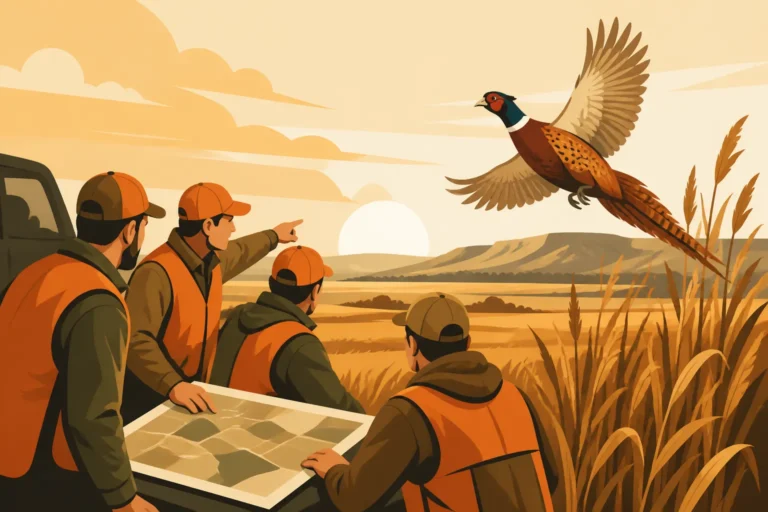
- Extensive Scouting and Research: You become your own guide. This means poring over maps, using digital tools like GoHunt or other mapping apps, understanding land ownership (PLOTS, National Grasslands, WMAs, private), and recognizing optimal habitat for each species. Scouting PLOTS Land Before Season is an absolute must-read.
- Land Access: Securing access to varied hunting grounds for different species can be tough. North Dakota has ample public land, but knowing how to effectively utilize it for multiple game types requires detailed planning. Public Hunting Land in North Dakota will be your bible. You might need to balance hunting a North Dakota Waterfowl Production Areas for ducks in the morning and driving to a Hunting North Dakota's Little Missouri National Grassland for deer in the evening.
- Logistical Overload: You are responsible for everything: all licenses, all gear, all transportation, all food, all lodging, and all game recovery and processing. This means detailed packing lists, a robust vehicle, and potentially a lot of driving between diverse hunting locations.
- Weather Adaptability: Without a guide to shift plans for you, you must be flexible. This could mean having backup plans for different species if weather patterns shut down one type of hunting.
- Equipment Investment: You'll need all the specialized gear for each species you plan to hunt, which can be a substantial upfront cost.
A self-guided multi-species hunt is the ultimate test of a hunter's planning, adaptability, and field skills. It requires a deep dive into North Dakota's regulations, geography, and game behavior for each animal on your list.
Budgeting for a Diverse Hunting Adventure
One of the most practical considerations for any hunting trip, and especially for a multi-species adventure, is the budget. It's easy to get caught up in the excitement and overlook the true financial commitment required to pursue multiple game animals across the vast landscape of North Dakota.
Breaking Down the Costs
A multi-species hunt involves more than just a single license fee. You’re essentially multiplying your expenses across several categories.
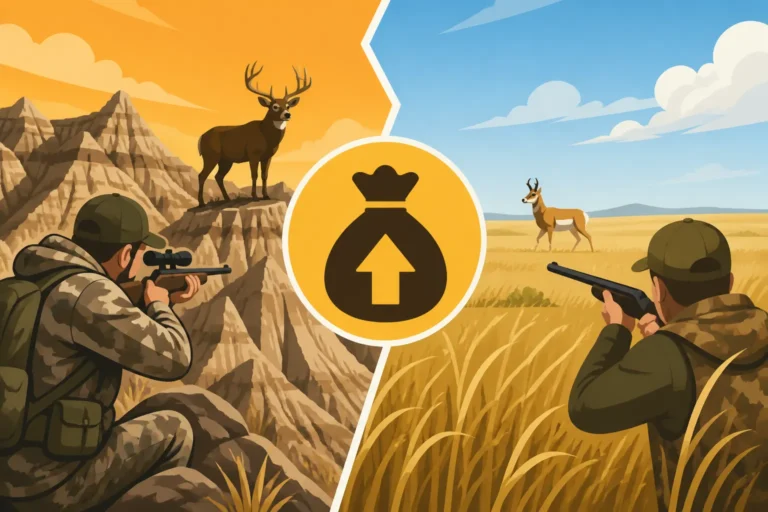
- Licenses and Permits: As discussed, you'll need a different license for each type of game, plus the General Game and Habitat License, HIP certification, and Federal Duck Stamp if hunting migratory birds. Non-resident fees are significantly higher than resident fees. For example, a non-resident small game license (for pheasants, grouse, partridge, waterfowl) combined with a deer bow license and all the stamps can quickly add up. Be sure to check North Dakota Nonresident License Options for current figures.
- Travel: This includes fuel for your vehicle (North Dakota is a big state, and you'll put on miles), or airfare if flying in. Don't forget potential vehicle rental costs if you're not bringing your own truck.
- Lodging: Hotel rooms, Airbnb rentals, or cabin rentals for the duration of your trip. If you're going self-guided, this can be a major cost. Guided hunts often include lodging in their package, which can simplify budgeting here.
- Food and Drink: Factor in groceries for cooking or restaurant meals. Staying fueled is critical for long days afield.
- Gear and Equipment: This is where costs can really escalate for a multi-species hunt. You might need specialized clothing for cold weather and briars, different weapons and ammunition, optics, decoys, calls, blinds, and game processing supplies. If you don't own it already, buying new gear for multiple species is a significant investment.
- Guide Fees (if applicable): If you choose a guided trip, this will be your largest single expense. Guide fees for multi-species hunts will naturally be higher than single-species trips due to the increased logistical complexity and specialized knowledge required. Average Cost of a Guided North Dakota Pheasant Hunt or Average Cost of a Guided Duck Hunt can give you an idea of individual costs, which would then be combined or negotiated into a package.
- Game Processing and Taxidermy: Don't forget the costs associated with butchering your harvested deer or getting birds professionally processed and packaged. If you plan to mount a trophy, taxidermy is a separate, often substantial, expense.
- Miscellaneous: Contingency funds for unexpected repairs, emergency supplies, or additional gear purchases once you're on the ground.
Creating a Realistic Budget Plan
To avoid sticker shock, sit down well in advance and create a detailed spreadsheet.
- List all potential expenses: Go through the categories above and estimate costs.
- Research license fees: Check the North Dakota Game and Fish Department website for the current year's exact license, stamp, and permit costs for residents and non-residents.
- Get guide quotes: If considering an outfitter, contact several and get detailed quotes for multi-species packages, ensuring you understand exactly what's included (lodging, meals, dogs, processing, etc.) and what's not.
- Factor in travel time: Don't just budget for hunting days; include travel days to and from North Dakota.
- Build a buffer: Always add a 10-15% buffer for unforeseen expenses.
By meticulously planning your budget, you can embark on your multi-species North Dakota hunt with a clear financial picture, reducing stress and allowing you to fully immerse yourself in the incredible hunting opportunities the state has to offer.
Disclaimer
This article is for general informational purposes only and does not constitute professional advice. Laws, prices and regulations vary by location and change over time. Consult a qualified professional for guidance on your specific situation.