Booking a Nonresident Bow Hunt Around the Access Restriction
For nonresidents, planning an archery deer hunt in North Dakota can feel like navigating a maze, especially with the unique public land access restrictions. It’s easy to get frustrated when you see an exciting opportunity, only to realize the rules make it complicated. This guide aims to demystify North Dakota's nonresident bow hunt access, helping you understand the regulations and develop a solid strategy for a successful hunt.
Understanding North Dakota's Nonresident Archery Public Land Restriction
North Dakota is a unique state when it comes to nonresident hunting, particularly for archery deer. Many hunters arrive with high hopes of hitting prime public land during the early season, only to discover a significant hurdle.
The "Why" Behind the Restriction
The core reason for North Dakota's nonresident archery public land restriction boils down to managing hunting pressure and prioritizing resident opportunities. The state aims to ensure that its own citizens have ample access to wildlife resources, particularly during the prime early season when deer patterns are often more predictable before heavy hunting pressure sets in. This policy helps distribute hunters and prevent overcrowding on popular public tracts, preserving a quality experience for everyone who hunts within its borders. While it can certainly feel like an uphill battle for nonresidents, understanding that this rule is in place to maintain a balanced ecosystem and a positive hunting culture can help frame your planning. It's not about keeping you out; it's about managing a finite resource for the benefit of all.
Key Dates and What They Mean for Nonresidents
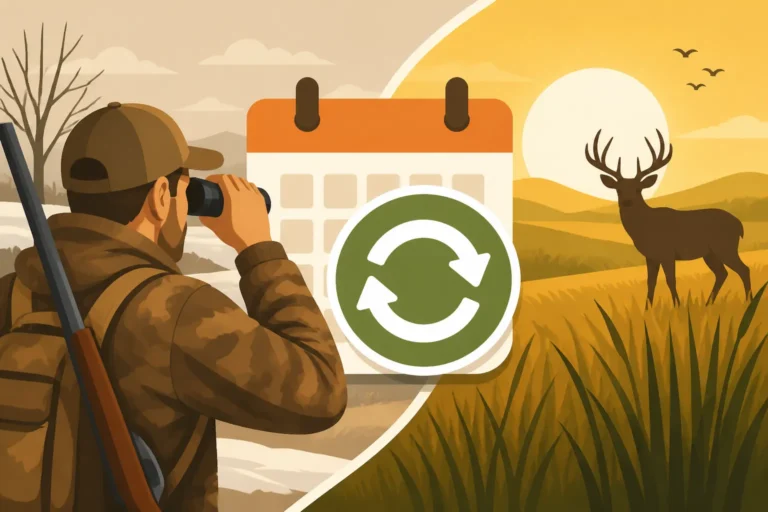
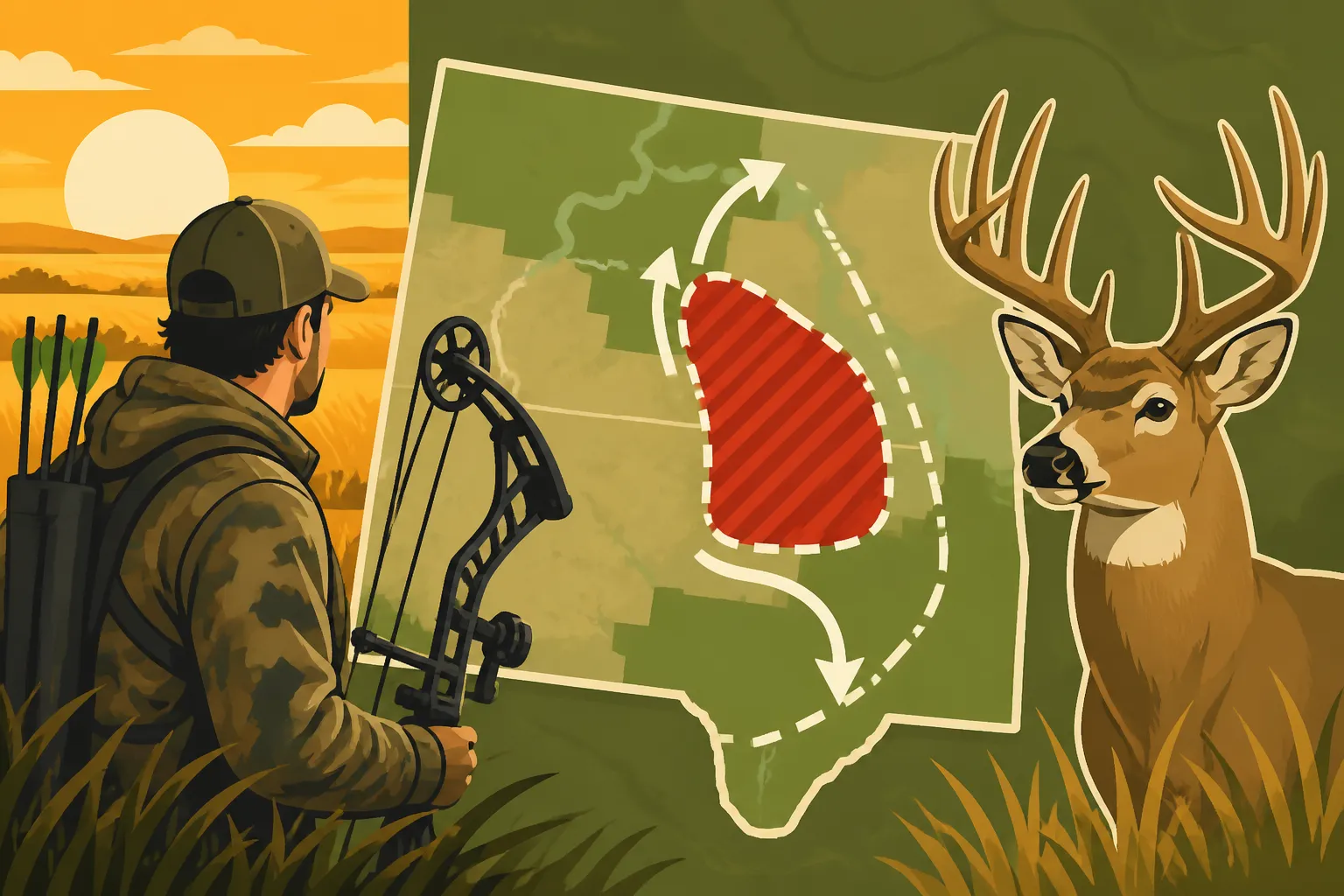
This restriction isn't a blanket ban; it's a timed access rule. For nonresidents, public land archery deer hunting does not open on the same date as it does for residents. Instead, there's a specific period, often until mid-September, where nonresidents are restricted from hunting deer on public lands. This means that if you're a nonresident, you can't just arrive on North Dakota Archery Season Opening Day and expect to hunt anywhere. You need to be acutely aware of How Many Days Nonresidents Wait for Public Land Bow Access. This period directly impacts strategy. Hunters planning an early season trip must either secure private land access or delay their hunt until the restriction lifts. This initial exclusion means missing out on the first few weeks of what can be prime early-season archery, when bucks are often still in summer patterns and predictable. After this initial period, nonresident archery hunters can utilize public lands, but by then, deer behavior might have shifted due to changing food sources, cooler weather, and potentially some localized hunting pressure. Knowing these dates precisely from the North Dakota Game and Fish Department is paramount for any nonresident planning a bow hunt.
What Is Considered Public Land for This Rule
It's crucial to understand what "public land" means in the context of this restriction. In North Dakota, public lands that fall under this early-season nonresident archery restriction include:
- Wildlife Management Areas (WMAs): Lands managed specifically for wildlife habitat and public recreation by the state.
- PLOTS (Private Land Open To Sportsmen): Privately owned lands enrolled in a state program to provide public access for hunting and fishing. These lands are clearly marked with yellow triangular signs.
- National Grasslands (e.g., Little Missouri National Grassland, Sheyenne National Grassland): Federally managed lands open to public use, including hunting.
- State School Lands: Parcels of land owned by the state, often interspersed with private land, that are typically open to public hunting unless specifically posted otherwise.
Basically, if it's not explicitly private land that you have permission to hunt, assume it's public land subject to the restriction. This distinction is vital because violating these rules can lead to serious penalties. Before you even think about setting foot in a potential hunting area, make sure you've clarified its status and your eligibility. Tools like onX Layers for North Dakota Land Status can be invaluable here, helping you delineate property boundaries and understand access rules from your mobile device.
Navigating Private Land Access for an Early Archery Hunt
Given the early-season public land restrictions, securing private land access becomes the primary and often only viable option for nonresident bowhunters wanting to hit the woods during the prime early weeks.
The Importance of Securing Private Land Permission
For any nonresident archer aiming to hunt North Dakota before the public land restriction lifts, gaining private land permission isn't just an advantage; it's a necessity. This is your golden ticket to those early-season opportunities when deer might still be on predictable summer patterns, hitting alfalfa fields or moving through timbered river bottoms before the major shifts of fall and the pressure of gun season. Without it, you're either waiting until mid-September or changing your hunt entirely. The challenge, of course, is that North Dakota is predominantly private land, and much of it is owned by farmers and ranchers who are busy, protective of their property, and often already have family or friends hunting. It requires diligence, respect, and a bit of luck to get that coveted "yes." The feeling of being able to hunt on your own terms, without competing with other public land users, is a huge draw for private land access.
Strategies for Finding and Contacting Landowners
Getting permission isn't always easy, especially from out of state, but there are proven strategies. First, digital scouting is your best friend. Utilize satellite imagery, plat maps, and apps like GoHunt or onX to identify potential properties with good habitat and reasonable access roads. Look for areas adjacent to known deer bedding or travel corridors that might be less intensely farmed. Once you have a list of landowners, the real work begins. The most effective method is often the old-fashioned way: Asking a North Dakota Farmer for Permission in person. This means showing up, looking presentable, and having a polite, respectful conversation. Explain who you are, what you're looking to do (bowhunt deer), and assure them you will be responsible, respect their property, and follow all rules. Offer to share meat or help with small chores. If an in-person visit isn't feasible, a well-written letter or a phone call can work, but it's harder to build that immediate rapport. Remember, a "no" isn't personal; it often just means they already have hunters or don't want the liability. Don't push, thank them for their time, and move on.
Formalizing Private Land Access Agreements
Once you've secured a verbal "yes," it's a smart practice to formalize that agreement, even if it's just a simple written note. This protects both you and the landowner. A written permission slip, signed by the landowner, can include:
- Your Name and Contact Information: So the landowner knows exactly who is on their property.
- Landowner's Name and Contact Information: For clear communication.
- Specific Dates of Access: To avoid any ambiguity about when you're allowed to hunt.
- Agreed-Upon Hunting Areas: Delineating boundaries, perhaps with a simple map.
- Game Species You're Targeting: In this case, deer.
- Specific Rules or Restrictions: Such as no driving off established trails, gate closures, or designated parking areas.
- Signatures and Date: Making it official.
While North Dakota law often requires only verbal permission for hunting on unposted private land, having something in writing provides peace of mind. It clarifies expectations, reduces potential misunderstandings, and shows respect for the landowner's property. This also proves invaluable if you ever encounter a game warden who might ask to see your permission. For more detailed guidance on this, consider resources like Booking a Nonresident Archery Hunt on Private Land.
Working with Outfitters and Guides for Nonresident Archery
For many nonresidents, the easiest and most reliable way to navigate North Dakota's archery access restrictions is to book a hunt with a licensed outfitter.
How Outfitters Solve the Access Problem
The biggest hurdle for nonresident bowhunters during the early season is private land access. This is precisely where a reputable North Dakota outfitter shines. These professionals have typically spent years, or even generations, cultivating relationships with local landowners. They often hold extensive private land leases, giving them exclusive or semi-exclusive hunting rights to thousands of acres. This means when you book with an outfitter, the problem of finding somewhere legal and productive to hunt before mid-September is essentially solved for you. Beyond just access, outfitters possess intimate knowledge of deer movement patterns on their specific properties, the best stand locations, and what tactics are working during a given week. They've done the legwork, scouting, and stand hanging, allowing you to focus purely on the hunt. This can be a huge time-saver and stress-reducer, especially if you're traveling a long distance and have limited time on the ground.
Vetting and Booking a Reputable North Dakota Archery Outfitter
Not all outfitters are created equal, so careful vetting is crucial. Start by doing your research online. Look for North Dakota outfitters who specifically cater to archery deer hunters, especially those advertising early-season nonresident opportunities on private land. You'll want to ask plenty of Questions to Ask Before Booking an Outfitter. Key questions should include:
- What specific private land access do they have, and can they provide references from past hunters who experienced successful early-season archery hunts?
- What are their typical success rates for bowhunters? (Be realistic; archery is challenging.)
- What's included in the hunt package (lodging, meals, guide services, transportation to stands, caping/quartering of game)?
- What stands or blinds do they provide, and what's the typical setup?
- What's their policy if you don't draw a tag (if applicable for a later rifle hunt)?
- Are they licensed and insured in North Dakota?
It’s also wise to check references. Any reputable outfitter will gladly provide a list of past clients you can contact. Reading reviews on platforms like BookYourHunt or GoHunt can offer additional insights, but always take them with a grain of salt and cross-reference. Remember, a good outfitter isn't just selling a hunt; they're selling an experience and a service.
Understanding Outfitter Packages and Costs
Outfitter packages for North Dakota archery deer hunts can vary significantly in price and what's included. Generally, you'll find a few types of offerings:
- Fully Guided Hunts: These are the most comprehensive, often including lodging, meals, transportation to and from stands, professional guides who will scout, hang stands, and assist with tracking and recovery. These offer the highest level of service and convenience.
- Semi-Guided Hunts: These might include lodging and access to pre-scouted areas or stands, but you'll be largely responsible for your own hunting, transportation to stands, and game recovery. This can be a good middle-ground for experienced hunters who want the access benefit without the full guidance.
- Drop Camps: Less common for archery deer in North Dakota's typically flatter terrain, but some outfitters might offer a "drop camp" experience where they provide transportation to a remote camp and then leave you to hunt independently.
The cost will fluctuate based on the length of the hunt, the level of service, and the amenities provided. Expect to pay a deposit upfront, with the balance due before or upon arrival. Always clarify what is not included, such as licenses, tags, gratuities for guides, or meat processing fees. When comparing packages, don't just look at the bottom line; consider the value proposition and what truly matters for your hunt experience.
| Feature | Self-Guided Private Land (Early Season) | Outfitted Private Land (Early Season) | Self-Guided Public Land (Late Season) |
|---|---|---|---|
| Access Restriction Nav. | Requires landowner permission | Outfitter provides leased land | Restriction lifts in mid-Sept |
| Cost | Moderate (travel, gear, license) | High (package price, tip, license) | Low (travel, gear, license) |
| Effort to Arrange | Very High (finding, contacting landowners) | Low (book and show up) | Moderate (scouting, research) |
| Local Knowledge Req. | Very High (extensive personal scouting) | Low (guide provides expertise) | High (extensive personal scouting) |
| Comfort/Amenities | DIY (camp, hotel) | Often includes lodging/meals | DIY (camp, hotel) |
| Pressure | Often low on exclusive land | Controlled by outfitter | Can be high, esp. after gun season |
| Best For | Dedicated, persistent DIY hunters | Hunters valuing convenience & access | Patient hunters on a budget |
Planning a Self-Guided Hunt After the Restriction Lifts
If an early-season private land hunt isn't in the cards, or if you prefer the challenge of public land, North Dakota still offers fantastic opportunities for nonresident bowhunters once the initial restriction has passed.
Strategies for Later Season Public Land Archery
Once the nonresident public land archery restriction lifts, typically in mid-September, a whole new world of hunting opens up. This later period offers its own unique advantages and challenges. Deer patterns often shift dramatically from the early-season green-field reliance. Now, hunters should focus on the changing food sources, staging areas near cover, and most excitingly, the lead-up to the rut. As October progresses into November, bucks will begin their seeking, chasing, and tending phases, making them more visible and vocal. This is a fantastic time for rattling, grunting, and decoying tactics. Furthermore, by the time the gun season starts (typically early November), the deer have usually been pressured, which can push them into thicker cover or more remote public land pockets, making mobile archery setups crucial. Understanding Hunting the Rut in Early-to-Mid November is key to maximizing your chances during this later window.
Researching Public Land Opportunities
North Dakota boasts a significant amount of public land accessible to hunters, including vast stretches of National Grasslands, numerous Wildlife Management Areas (WMAs), and thousands of acres enrolled in the PLOTS (Private Land Open To Sportsmen) program. For a self-guided hunt, extensive research is your best friend. Start by studying maps – topographical maps, satellite imagery, and the North Dakota Game and Fish Department's PLOTS guides. Tools like Scouting PLOTS Land With the ND Hunt App can literally put valuable information in your hand, allowing you to see property boundaries, habitat types, and even parking areas. Look for areas with diverse habitat: cattail sloughs, shelterbelts, river bottoms, and draws in the Badlands. Don't be afraid to focus on areas that require a longer walk or are further off main roads, as these often see less pressure. Identifying pinch points, bedding areas, and food sources using these digital tools before you ever set foot on the ground will dramatically increase your odds of success.
Essential Gear and Tactics for Self-Guided Success
Self-guided public land archery in North Dakota demands a prepared hunter. Your gear list should be robust, ready for varied conditions, and your tactics adaptable.
Gear Essentials:
- Mobile Treestand/Saddle or Ground Blind: You'll likely need to move to adapt to deer movement or pressure. A lightweight treestand or saddle setup offers flexibility. Alternatively, a pop-up ground blind brushed into natural cover can be very effective in open prairie or field edges.
- Mapping GPS/App: Beyond finding boundaries, this helps you navigate in low light, mark sign, and record stand locations.
- Quality Optics: Binoculars are a must for glassing vast expanses, especially in Badlands terrain or open prairie potholes.
- Weather-Appropriate Clothing: North Dakota weather is famously unpredictable. Be prepared for everything from warm Indian summer days to bitter cold, wind, and snow. Layering is critical.
- Game Cart/Pack Frame: Even if you're not deep in the backcountry, a game cart can be a lifesaver for getting a harvested deer out of a coulee or across a field.
- First-Aid Kit: Always prioritize safety, especially when hunting alone.
Tactics:
- Wind and Thermals: These are paramount, especially in undulating terrain like the Badlands or along river breaks. Always play the wind.
- Patience and Persistence: Public land deer, especially after the initial rush, can be wary. Be patient, sit long hours, and be willing to move if your spot isn't producing.
- Reading Sign: Learn to identify fresh rubs, scrapes, and tracks. These tell you where deer are active and when.
- Calling and Decoying: During the rut, grunt calls, doe bleats, and rattling can be highly effective. A small buck decoy can draw an aggressive buck into bow range.
- Adaptability: Don't get stuck on one strategy. If deer aren't moving through a pinch point, scout for new food sources or bedding cover and adjust your setup.
Permit and License Logistics for Nonresident Archery
Beyond understanding access restrictions and hunting strategies, successfully bowhunting in North Dakota as a nonresident hinges on correctly navigating the state's license and permit system.
Obtaining Your North Dakota Nonresident Archery License
Unlike the highly competitive gun deer lottery, obtaining a nonresident archery deer license in North Dakota is generally more straightforward, as it's not a lottery system. However, there are still specific procedures and requirements you need to follow. First, you'll need to purchase a North Dakota Nonresident License Options which includes a general game and habitat license, and then add your archery deer tag. These are typically available for purchase online through the North Dakota Game and Fish Department website. It's crucial to be aware of the exact North Dakota Archery Season Dates to ensure your purchase and hunt align with legal timelines. You’ll also need to have completed a Hunter Education course, which is a mandatory requirement for hunters born after a certain date. Keep your Hunter Education certificate readily accessible, as you may need to provide proof during the license purchase process or if asked by a game warden.
Understanding Unit Restrictions and Specific Tags
While the archery license itself isn't a lottery, you still need to understand unit restrictions and what kind of deer your tag allows you to harvest. North Dakota divides the state into numerous hunting units, and while many archery tags are "any-deer" (meaning you can harvest either a buck or a doe), some units may have specific restrictions or offer antlerless-only tags. Always consult the current year's hunting proclamation from the North Dakota Game and Fish Department before you hunt. This document is your bible for understanding legal game, open units, bag limits, and any special regulations that might apply. Failing to understand these unit-specific rules can lead to serious legal trouble. Make sure the unit you plan to hunt matches the type of tag you hold.
CWD Considerations and Reporting Requirements
Chronic Wasting Disease (CWD) is a serious concern for wildlife managers across North America, and North Dakota is actively monitoring its deer herds. Nonresident hunters, just like residents, have a critical role to play in these efforts. If you plan to hunt in one of North Dakota's CWD hunting units (these units are clearly identified in the proclamation), you may be subject to mandatory CWD testing of your harvested deer. Even outside of mandatory testing areas, voluntary testing is often encouraged. It's vital to know the locations of CWD sampling stations and how to properly prepare a sample if required. Additionally, all harvested deer in North Dakota must be reported. This can often be done easily online or via a mobile app, but it's essential to meet the North Dakota Deer Reporting Deadline. This data helps the Game and Fish Department monitor herd health and population numbers, which in turn influences future hunting seasons and tag allocations. Familiarize yourself with all CWD guidelines and reporting procedures before you head afield.
Disclaimer
This article is for general informational purposes only and does not constitute professional advice. Laws, prices and regulations vary by location and change over time. Consult a qualified professional for guidance on your specific situation.