Self-Guided North Dakota PLOTS Land Pheasant Hunting Costs
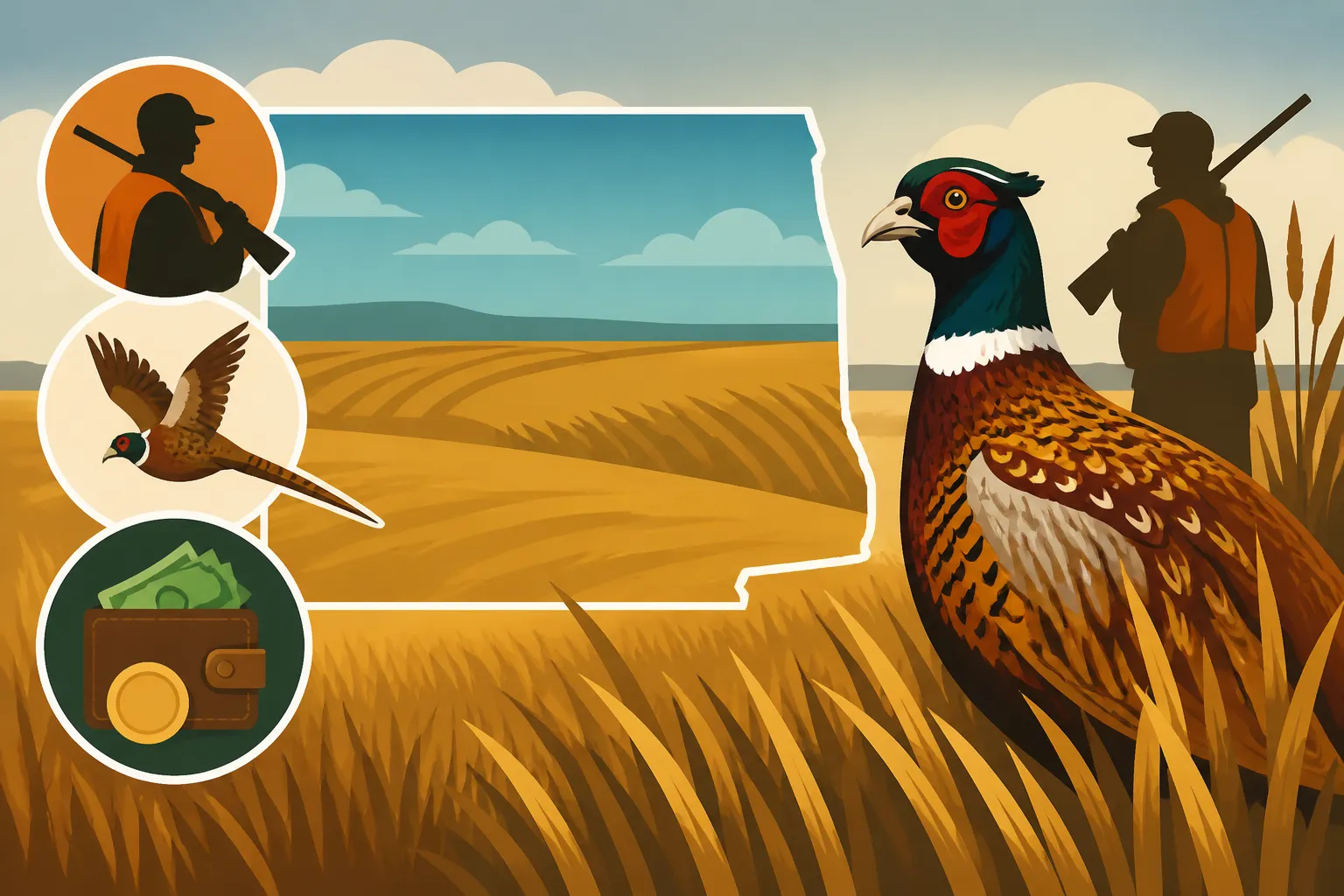
Many hunters dream of chasing ringnecks across North Dakota's vast prairies, picturing the satisfaction of a completely self-guided adventure. There's a certain allure to going it alone, relying on your own scouting and skills, and for many, the assumption is that "self-guided" automatically means "cheap." But here's the reality check: while you can certainly save on outfitter fees, a truly successful self-guided pheasant hunt on North Dakota's PLOTS (Private Land Open To Sportsmen) land still comes with a significant list of expenses. This guide will walk you through the various financial considerations, both obvious and hidden, to help you budget realistically for your prairie pheasant pursuit.
Understanding the Foundation: Licenses and Stamps
Before you even step foot on a golden stubble field, you need to be legally ready to hunt. The initial investment in licenses and stamps forms the bedrock of your self-guided costs, and it's where the most significant difference lies between residents and nonresidents.
Nonresident vs. Resident License Structure
For North Dakota residents, the licensing structure is relatively straightforward and cost-effective. You'll typically need a basic hunting license, often bundled with a general game and habitat license, and then your small game endorsement. These combined permits give you the legal right to pursue pheasants and other upland birds across the state. The idea is to make hunting accessible to those who live and work here, fostering local participation in wildlife management.
However, if you're coming from out of state, the picture changes dramatically. North Dakota’s nonresident licenses are, by design, more expensive, reflecting the demand for hunting opportunities and helping fund the state's conservation efforts. A nonresident will need to purchase a nonresident general game and habitat license, which is a foundational requirement, and then specifically add a nonresident small game license. It’s a substantial jump in price, and it's often the first eye-opener for those planning a self-guided trip from afar. It's crucial to understand these distinctions before you budget. For a detailed breakdown, you'll want to review North Dakota Hunting Licenses and What They Cost.
Federal and State Stamp Requirements
Beyond the basic licenses, bird hunters often overlook a couple of crucial stamps. While the Federal Duck Stamp is primarily associated with waterfowl hunting, many bird hunters acquire it as a general migratory bird hunting requirement, or simply to support wetlands conservation. Even if you're solely focused on pheasants, which are resident upland birds, understanding all migratory bird requirements is part of being a responsible hunter.
More directly relevant to upland birds is the state's Harvest Information Program (HIP) certification. This is a mandatory program for all migratory bird hunters in North Dakota, regardless of species or residency. It's usually a quick, free registration that helps the North Dakota Game and Fish Department gather vital harvest data, which in turn informs population management and future season setting. Don't skip this step – even if it costs you nothing but a few minutes online, it's a legal requirement to have your North Dakota HIP Certification for Bird Hunters if you plan to hunt any migratory birds, which can sometimes overlap with pheasant hunting areas.
Youth and Apprentice Hunter Options
North Dakota is a fantastic state for introducing new hunters to the tradition, and they offer programs designed to reduce financial barriers for youth and those new to the sport. Young hunters, typically under a certain age, can often purchase significantly discounted licenses. There are also specific youth hunting weekends that allow them to participate earlier in the season, sometimes with less stringent licensing requirements, especially when accompanied by a licensed adult.
The state also provides an apprentice hunter license program. This is a great option for adults who are new to hunting and want to experience the field before committing to a full hunter education course. An apprentice hunter must be accompanied by a licensed adult mentor who stays within a certain distance, providing guidance and ensuring safety. While these options don't eliminate all costs, they can certainly trim the initial license expense, making that first self-guided pheasant trip more affordable for beginners. Be sure to check North Dakota Hunter Education Requirements to see if these options apply to your situation.
| License Type | Resident Cost Category | Nonresident Cost Category | Notes |
|---|---|---|---|
| Base/General Game & Habitat | Moderate | High | Foundational license, required for most hunting. |
| Small Game License | Low | High | Specific to upland birds and small game. |
| Federal Duck Stamp | Moderate | Moderate | Required for migratory birds (ducks, geese, doves). Not for pheasants, but often purchased by bird hunters. |
| HIP Certification | Free | Free | Mandatory for all migratory bird hunters (including doves), tracks harvest data. |
| Youth/Apprentice License | Very Low | Low | Discounted options for new or young hunters when accompanied by a mentor. |
Essential Gear: Upfront and Replenishment Costs
Stepping onto the prairie means facing the elements and being prepared for the hunt itself. This category encompasses everything from your firearm to the clothes on your back, and it represents a significant portion of your self-guided pheasant hunting costs, especially if you're starting from scratch.
Firearms, Ammunition, and Cleaning Supplies
First and foremost, you'll need a reliable shotgun. While the initial purchase of a shotgun can range from a few hundred dollars for a solid pump-action to thousands for a high-end over/under, many hunters already own one. If you're buying new, factor this in as a one-time, significant investment. For pheasant, a 12-gauge or 20-gauge is most common, often with improved cylinder or modified chokes for open prairie shots.
Beyond the gun itself, ammunition is a recurring cost that adds up quickly. Pheasant hunting involves a lot of walking and, hopefully, a lot of shooting. You'll want to bring plenty of shells, and it's always wise to have a few boxes more than you think you'll need. Prices vary by brand, shot size, and availability, but expect to spend a fair bit. Finally, maintaining your firearm is crucial for safety and longevity. A good cleaning kit with oil, solvent, brushes, and patches is a small upfront cost that saves you headaches down the line. A clean gun is a reliable gun, and you don't want a malfunction when that rooster flushes.
Clothing and Footwear for Prairie Conditions
North Dakota weather is famously unpredictable and can change on a dime, especially during pheasant season. You need clothing that can handle everything from warm, sunny days to freezing wind and unexpected snow squalls. Layering is key: moisture-wicking base layers, insulating mid-layers, and a durable, waterproof/windproof outer shell are non-negotiable. Don't forget proper hunting pants or chaps to protect against thorns, barbed wire, and dense cover. Blaze orange is also a requirement for safety, so a vest or hat in a highly visible color is a must-have.
Footwear might be the most critical piece of gear. You'll be covering miles over varied terrain – stubble fields, thick grass, muddy sloughs, and possibly rocky areas. High-quality, waterproof, and comfortable hunting boots with good ankle support are an absolute must. Skimping here will lead to blisters, wet feet, and a miserable hunt. Expect to invest in a good pair, and consider bringing a backup. The overall cost for durable, multi-season hunting clothing and footwear can easily run into several hundred dollars if you're buying everything new.
Navigation and Communication Tools
In the vast expanses of North Dakota, especially on PLOTS land which can be remote and unfamiliar, reliable navigation and communication are paramount. While a paper map and compass are classic backups, most self-guided hunters today rely on digital tools. A premium hunting app like those found through resources like GoHunt provides invaluable layers, showing property boundaries, PLOTS land, topo maps, and satellite imagery. Many of these apps allow you to download maps for offline use, which is critical because cell service can be spotty or non-existent in many prime hunting areas. There's often a subscription cost for the best features, but it's money well spent for safety and efficiency. Scouting PLOTS Land With the ND Hunt App covers this in more detail.
Beyond navigation, a reliable way to communicate is vital. Your cell phone is the primary tool, but consider a satellite messenger device if you plan to hunt truly remote areas alone. These devices allow you to send emergency messages and share your location even without cell service, providing peace of mind. A portable power bank to recharge your phone and other devices is also a smart, low-cost investment.
Travel and Accommodation: Getting There and Staying Put
The sheer size of North Dakota means that travel is a significant cost, whether you're coming from across the state or across the country. And once you arrive, you need a place to lay your head and fuel your body. These logistical expenses can quickly add up, often surprising first-time self-guided hunters.
Fuel and Vehicle Maintenance
If you’re driving to North Dakota, or even just driving from a major city like Fargo or Bismarck to prime pheasant country, fuel costs will be substantial. The state is large, and good pheasant hunting often requires covering many miles, not just to reach your initial hunting unit, but also to scout and access different PLOTS tracts daily. You might drive hundreds of miles each day simply bouncing between promising spots.
Factor in not just the gas to get there and back, but also the daily driving. This is particularly true if you're targeting areas like the western badlands or the south-central prairie where PLOTS tracts can be spread out. Ensuring your vehicle is in top mechanical shape before you leave is also a wise, albeit sometimes costly, "maintenance" expense. A breakdown far from civilization can turn an exciting hunt into a frustrating, expensive ordeal. Think about tire condition, fluid levels, and general reliability.
Lodging Options: From Camping to Motels
When you're self-guided, your lodging choices directly impact your budget and comfort. The cheapest option is often camping, especially if you have an RV or can rough it in a tent. Many state parks, national grasslands like the Little Missouri, or even some private campgrounds offer sites at a relatively low nightly rate. This can be a great way to save money and stay immersed in the outdoors, but it requires appropriate gear for potentially cold North Dakota nights.
For those who prefer a solid roof over their heads, motels in small towns throughout pheasant country are a popular choice. The costs vary greatly by location and time of year, with opening weekend and peak rut dates often seeing higher prices. Book well in advance, especially for popular hunting towns, to secure a decent rate. Another option, particularly for groups, is renting an Airbnb or a small cabin, which can sometimes be more cost-effective per person than individual motel rooms and offers cooking facilities. Consider a variety of resources, even using platforms like GoHunt for area information that might indirectly help you pinpoint lodging options near prime public hunting land.
Food and Drink Considerations
Feeding yourself on a self-guided hunt can range from budget-friendly to surprisingly expensive. The cheapest approach is to pack most of your own groceries and cook your meals, especially if your lodging has kitchen facilities. Bringing coolers stocked with sandwich supplies, easy dinners, and snacks saves a ton of money compared to eating out.
However, after a long day of walking, the allure of a hot meal at a local diner can be strong. Small towns often have charming, but sometimes pricey, local eateries. Budgeting for a mix of packed meals and a few restaurant treats is a realistic approach. Don't forget to factor in plenty of water and other beverages to stay hydrated while you're out in the field. Dehydration is a real risk when you're exerting yourself in dry prairie air.
Scouting and On-the-Ground Logistics
Being self-guided means you are the scout, you are the guide, and you are responsible for all the little details that make a hunt successful. This requires investing time and, sometimes, money into preparation and execution.
Pre-Season Scouting Resources
The beauty of PLOTS land is that it's designed for public access, but it's not a guarantee of birds. Successful self-guided pheasant hunting relies heavily on thorough pre-season scouting. This means diving deep into resources like the North Dakota Game and Fish Department's PLOTS guides, often available online and sometimes as physical booklets. These maps show you precisely where the public access acres are located.
Modern hunters also heavily utilize digital mapping tools. As mentioned before, a good hunting app with satellite imagery, public land overlays, and topography can be your best friend. Services like GoHunt offer advanced mapping features and data that can help you analyze potential habitat, identify travel corridors, and mark promising cover before you ever leave home. Subscriptions to these services are an investment, but they dramatically increase your efficiency and chances of success on unfamiliar ground. You can even use them to plan how you'll approach a specific piece of cover. Finding PLOTS Ground Others Walk Past is an excellent resource for leveraging these tools.
Field Dressing and Game Care Supplies
Once you've successfully harvested a pheasant, the work isn't over. You need to properly field dress and care for your birds to ensure the meat is handled well and you comply with regulations. Essential supplies include a sharp knife, game shears, disposable gloves, and a cooler with plenty of ice. Some hunters prefer to breast out birds in the field, while others will take the whole bird back to camp for processing. Either way, cleanliness and rapid cooling are vital, especially on warmer days, to preserve the quality of the meat.
Consider bringing sealable bags to keep the birds clean and separated in your cooler. If you plan to travel a long distance with your harvest, you might also need supplies for freezing or even shipping. These small items seem minor but are crucial for the ethical and practical conclusion of your hunt.
Dog-Related Costs If Applicable
For many, pheasant hunting simply isn't complete without a good bird dog. If you plan to bring your canine companion, you need to factor in their specific costs. This includes extra dog food, a portable water bowl, and plenty of water for them in the field. Hunting dogs also need protective gear, such as a sturdy blaze orange vest to keep them safe and visible, and potentially boot covers if they'll be running through particularly rough or icy terrain.
Beyond daily needs, there's always the potential for unexpected vet bills. Dogs can get cut, poked by thorns, or encounter other hazards in the field. Having a basic dog first-aid kit on hand is a smart move, but serious injuries could mean an emergency vet visit, which is a significant, albeit unpredictable, expense. Training expenses, if you've invested in a professionally trained dog, are also part of the overall cost of having a hunting partner. Running Pointing Dogs on North Dakota Pheasant delves into more specific tactics if you plan to hunt with dogs.
Hidden Costs and Unexpected Expenses
Even the most meticulously planned self-guided hunt can throw you a curveball. There are always those "hidden" costs or unexpected events that can impact your budget, turning a seemingly affordable trip into a pricier adventure.
Unexpected Gear Breakdowns and Replacements
Picture this: you're miles from the nearest town, and your favorite hunting boots suddenly blow a seam, or your shotgun develops a minor but debilitating issue. These aren't just inconveniences; they can be trip-enders or force expensive, immediate replacements. Maybe you drop your rangefinder, or your headlamp stops working. Being prepared for these eventualities, both mentally and financially, is key.
Having a small emergency fund specifically for gear mishaps is a smart move. It allows you to replace a broken item quickly rather than losing valuable hunting time. Sometimes, a quick stop at a sporting goods store in a larger North Dakota town like Bismarck, Minot, or Dickinson can save the day, but those urgent purchases can often be more expensive than planned.
Processing and Shipping Game Home
After a successful hunt, you'll be faced with a bounty of pheasant meat. What's next? If you're staying locally, you might process all your birds yourself at camp. This is the most cost-effective method but requires time, effort, and a good setup. However, many hunters, especially those traveling long distances, opt to use a local wild game processor. While convenient, this comes with a per-bird fee that adds up quickly if you have a full bag limit.
If you need to get your birds home across state lines, shipping them is another cost to consider. This typically involves specialized insulated containers, dry ice, and expedited shipping services, which can be quite expensive. Always check current regulations for transporting game across state lines, as well as any airline restrictions if you're flying. Don't let the excitement of a successful hunt lead to unexpected expenses when it comes to getting your hard-earned meat home.
Time Off Work and Opportunity Costs
While not a direct monetary cost in the same way licenses or fuel are, the value of your time should absolutely be factored into the overall "cost" of your self-guided hunt. If you're taking vacation days from work, those days have an inherent value, representing lost income or lost leisure time that could be spent elsewhere.
Beyond the actual days off, there's the opportunity cost. What else could you be doing with the money you're spending on this trip? For many, the experience of a North Dakota pheasant hunt is priceless, but it's still a decision to allocate resources. Acknowledging these non-monetary costs provides a more complete picture of the investment you're making in your self-guided adventure.
Comparing Self-Guided to Guided Hunts: A Cost Perspective
It’s easy to assume that self-guided is always cheaper than a guided hunt, and in terms of upfront outfitter fees, it often is. However, a closer look at the true costs reveals a more nuanced comparison. Understanding this can help you decide if self-guided truly aligns with your budget and expectations.
Initial Outlay vs. All-Inclusive Packages
When you book a guided pheasant hunt in North Dakota, you're paying a premium for an all-inclusive or semi-inclusive experience. These packages often cover lodging, meals, transportation in the field, expert guides, trained dogs, and sometimes even bird cleaning. The per-day or per-package price can seem steep when viewed in isolation. For example, you might find a Booking a Guided North Dakota Pheasant Hunt package that covers many of these items.
A self-guided hunt, by contrast, has a much lower initial "booking" cost because there isn't one. However, you then pay for everything à la carte. Your license, gear, fuel, lodging, food, dog supplies, and all the miscellaneous items pile up individually. While each line item might be cheaper than what a guide charges for that specific service, the cumulative effect can sometimes rival the cost of a basic guided package, especially for nonresidents traveling a long distance. It’s important to tally up all your individual self-guided expenses accurately to get a true comparison.
Value of Local Knowledge and Resources
One of the biggest "invisible" costs of a self-guided hunt is the lack of local knowledge. When you hunt with an experienced North Dakota outfitter, you're paying for their years of experience, their intimate understanding of local pheasant movements, their knowledge of specific private land access (sometimes beyond PLOTS), and their ability to put you on birds quickly and efficiently. They know which cover holds birds on which wind, where the birds are feeding, and how hunting pressure impacts them.
As a self-guided hunter, you have to acquire all of that knowledge yourself, often through trial and error, wasted time, and burning extra fuel to scout. While resources like the PLOTS maps and apps like GoHunt are invaluable for identifying public access points and terrain features, they can't replace the real-time, nuanced insights of someone who lives and breathes North Dakota pheasant hunting. This isn't to say self-guided isn't rewarding; it absolutely is. But the "cost" of that learning curve, in terms of time, effort, and potentially fewer birds in the vest, is a factor to consider. If you're purely focused on maximizing bird opportunities with minimal fuss, a guided hunt might offer a different kind of value. Conversely, for those who relish the challenge and the deep satisfaction of truly earning every bird, the "cost" of self-guided is well worth it.
Disclaimer
This article is for general informational purposes only and does not constitute professional advice. Laws, prices and regulations vary by location and change over time. Consult a qualified professional for guidance on your specific situation.