Booking a Late-Season Pheasant and Goose Combo
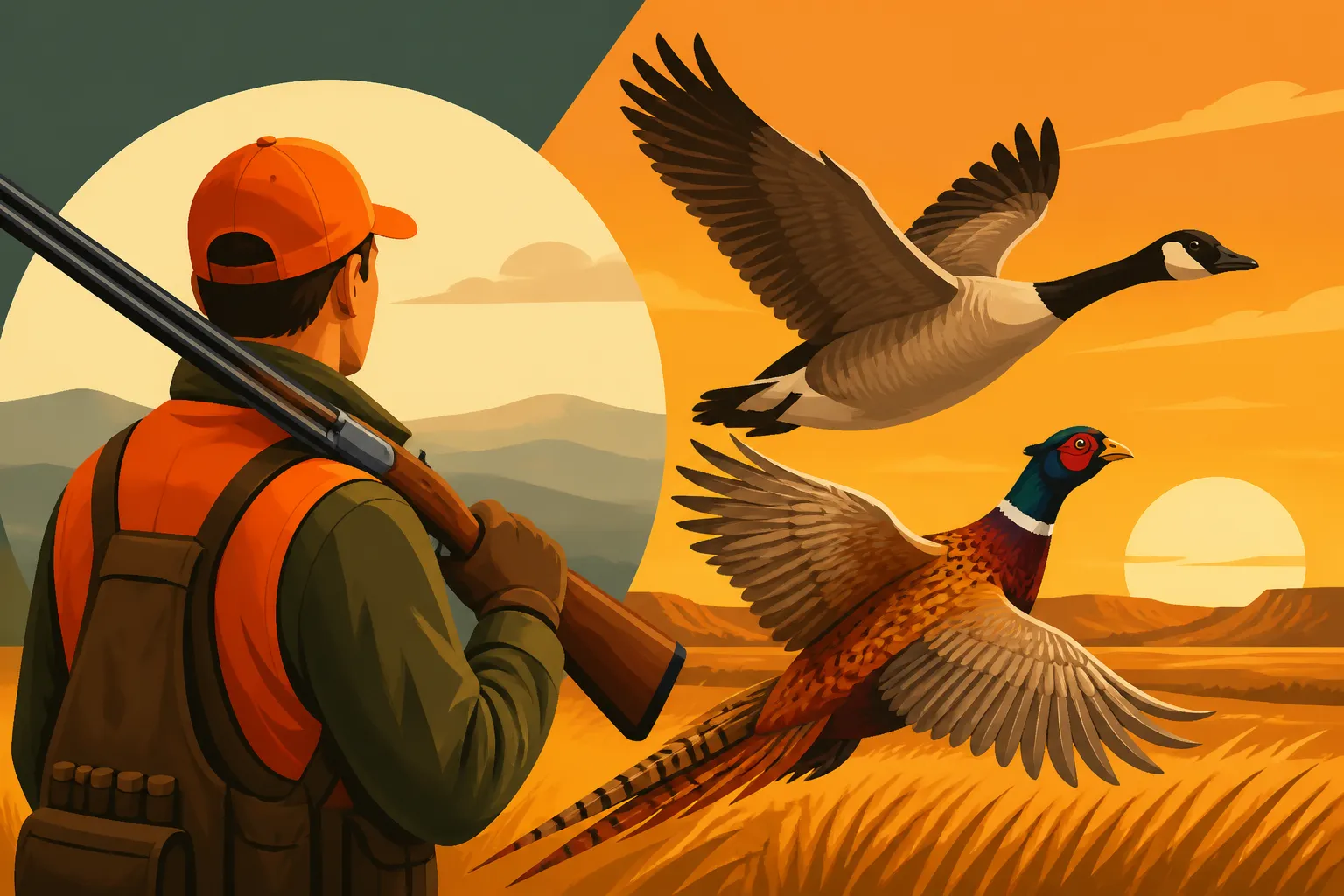
Many hunters dream of a late-season North Dakota hunt, picturing crisp air, snow-dusted fields, and birds flushing. But the reality of combining a pheasant and goose hunt in those challenging conditions, especially as the season winds down, can feel overwhelming when you're trying to plan it yourself. This guide is here to walk you through the ins and outs of securing a fantastic late-season pheasant and goose combo hunt in North Dakota, covering everything from finding the right outfitter to understanding the unique demands of this rewarding endeavor.
The Allure and Obstacles of Late-Season Combo Hunting
There's something truly special about hunting North Dakota when winter starts to truly settle in. The landscape transforms into a stunning, stark beauty, and the hunting takes on a different, often more challenging, character. For many, the idea of a late-season pheasant and goose combo hunt represents the pinnacle of a prairie hunting adventure. You're not just chasing one species; you're immersing yourself in the full spectrum of what North Dakota offers when the mercury drops.
Why Late Season is Different and Often Better
Late season, generally from late November through December, offers some distinct advantages and a unique set of challenges. For pheasants, the cover has often been beaten down by snow or harvested crops, concentrating birds into thermal cover like cattail sloughs, shelterbelts, and dense tree rows. They're often grouped up, and when they flush, it can be an explosion of feathers. Geese, on the other hand, are typically well-established in their winter feeding patterns, having seen plenty of hunting pressure. They become incredibly smart, but if you can get on their pattern, the flights can be spectacular.
The biggest advantage is often the sheer number of birds. Migratory geese have poured into the state, staging on major water bodies and feeding in agricultural fields. Pheasants, those that have survived early season pressure, are hardened, mature birds. You're often looking for bigger, smarter roosters and dealing with vast concentrations of geese. It's a game of patience, stealth, and adapting to the conditions. You might be Hunting Standing Corn for Late-Season Geese in the morning and then transition to walking dense cover for pheasants in the afternoon, which requires a guide with diverse skills.
Navigating the Weather and Terrain Challenges
Let's be real: late-season North Dakota weather can be brutal. We're talking single-digit temperatures, bitter wind chills, and often a decent blanket of snow. This isn't just about wearing an extra layer; it's about understanding how the cold affects the birds, your gear, and your body. Pheasants will hunker down, making them harder to flush but often holding tighter for a pointing dog. Geese will be fixated on calorie intake, making their feeding patterns somewhat predictable if you can scout them effectively.
The snow itself, while beautiful, adds layers of difficulty. Walking through deep drifts can be exhausting, and tracking game can be a double-edged sword – easier to see tracks, but also easier for game to see you. Frozen ground can make retrieving downed birds a challenge. You need to be prepared for anything from a mild, sunny day to a full-blown blizzard, often within the same week. This necessitates proper layering, insulated boots, hand warmers, and reliable equipment that won't fail in extreme cold. It's a commitment, but the rewards are often worth every frozen toe.
Finding and Vetting Outfitters for a Combined Experience
Once you've decided a late-season pheasant and goose combo hunt is for you, the next hurdle is finding the right outfitter. This isn't as simple as picking a pheasant-only lodge or a goose-only guide. You need someone with expertise in both, and who understands the nuances of hunting these species when winter truly sets in. Many outfitters specialize, and finding one that genuinely excels at both late-season challenges can be tough.
Researching Dedicated Combo Hunt Outfitters
The first step is always thorough research. Don't just pick the first name that pops up. Look for outfitters who explicitly advertise late-season combo hunts, not just separate pheasant and goose packages. This indicates they have the necessary gear, dogs, scouting programs, and expertise to execute both types of hunts effectively, often on the same day. Online hunting directories like BookYourHunt can be a great starting point for finding North Dakota outfitters who offer these specialized packages. You can filter by species and season, which helps narrow down the field significantly.
Once you have a list, dig deeper. Check out their websites, social media, and read reviews on independent forums. Look for consistent feedback regarding their late-season success rates, the quality of their guides, their equipment (especially layout blinds, decoys, and dog kennels for the cold), and their flexibility in adapting to changing weather or bird movements. A good outfitter will have specific strategies for Late-Season Pheasant Tactics in Deep Snow and for decoying wary geese.
Key Questions to Ask Potential Outfitters
When you start contacting outfitters, come prepared with a detailed list of questions. Their answers will help you gauge their expertise and suitability for a late-season combo hunt. Don't be shy about getting into the specifics.
Here’s a table of essential questions to ask:
| Category | Key Questions to Ask | Why it Matters |
|---|---|---|
| Experience | How many years have you been guiding late-season combo hunts? | Experience with both species late in the year is crucial. |
| What's your typical late-season pheasant/goose hunting strategy? | Shows their approach to challenging conditions (e.g., Hunting a Standing Corn Field for Deer for geese, working dense cover for pheasants). | |
| Logistics | What's a typical day's schedule for a combo hunt? | Helps you understand the flow – morning geese, afternoon pheasants, travel time. |
| What equipment do you provide (decoys, blinds, dogs)? | Ensures they have the right tools for both hunts, especially good waterfowl spreads and well-trained pheasant dogs. | |
| What are the accommodations like, and are meals included? | Important for comfort, especially in cold weather, and overall trip planning. | |
| Conditions | How do you adapt to extreme cold or heavy snow? | Reveals their contingency plans and commitment to hunter safety and comfort. |
| What's your policy if weather cancels a hunting day? | Crucial for understanding potential refunds or rebooking options. | |
| Costs/Licenses | What is the total cost, and what is not included (licenses, tips)? | Avoids surprises. Be clear on what you need to purchase separately, like your North Dakota Nonresident Combination License Options and Federal Duck Stamp. |
| Do you assist with license acquisition or give guidance? | A helpful outfitter will guide you through the North Dakota Game and Fish Department process, especially for the specific waterfowl endorsements required. |
Beyond these questions, don't hesitate to ask for references from past clients who have done late-season combo hunts with them. Talking to other hunters is invaluable. Platforms like GoHunt also provide a lot of information on hunting units and draw odds, which, while more relevant to big game, can sometimes offer insights into general hunting pressure or habitat quality in certain regions, aiding your overall research.
Logistics and Planning Your North Dakota Combo Hunt
Once you've selected an outfitter, the real planning begins. There are several critical logistical elements to consider for a successful late-season combo hunt, particularly for nonresidents.
Understanding North Dakota License Requirements
This is paramount. North Dakota has specific licensing requirements for both pheasants and waterfowl, and these can be complex for nonresidents. You'll need a general game and habitat license, a small game license, and a migratory bird endorsement. For waterfowl, you'll also need a Federal Duck Stamp and HIP (Harvest Information Program) certification. It's vital to apply for and obtain these well in advance of your trip. Don't wait until the last minute, as processing times can vary, and you don't want to arrive in North Dakota without the proper paperwork. Your outfitter should be able to guide you on the exact licenses needed, but ultimately, it's your responsibility to have them. Ensure you understand the North Dakota Nonresident Waterfowl Zone Map if your hunt involves specific zones, as well as the North Dakota Duck and Goose Bag Limits.
Gear Essentials for Extreme Cold
Hunting in late-season North Dakota demands serious cold-weather gear. You'll be sitting motionless in a layout blind for geese in the morning, then potentially walking miles for pheasants in the afternoon. Layering is key, starting with moisture-wicking base layers, insulating mid-layers, and a waterproof, windproof outer shell. Hand warmers and foot warmers are your best friends. Invest in quality insulated boots, a warm hat, and gloves that allow for dexterity while shooting. Remember that North Dakota Blaze Orange Requirements apply for pheasant hunting, so ensure your outer layers meet the visibility standards.
Beyond clothing, consider the specific gear for each type of hunt. For geese, a comfortable, well-brushed layout blind might be provided by your outfitter, but having your own seat pad or extra insulation can make a huge difference. For pheasants, comfortable and durable walking boots are a must, as are briar-proof pants. Having a good quality shotgun that handles cold well is also important. Ensure you have plenty of shells for both species, as you don't want to run out mid-hunt!
Travel and Accommodation Considerations
Most outfitters offering combo hunts will include some form of lodging, ranging from rustic cabins to comfortable lodges. Confirm what's included and what's not, especially regarding meals. If you're driving, factor in potential winter driving conditions. North Dakota roads can become treacherous quickly with snow and ice, so a reliable 4×4 vehicle and a winter emergency kit are strongly recommended. If flying, plan for potential delays due to weather.
Consider the location of your outfitter. Are they centrally located for both pheasant and goose hunting opportunities? Sometimes, traveling between optimal pheasant cover and goose fields can take significant time. Discuss travel times with your outfitter to manage expectations for your hunting days. A good outfitter, perhaps one you found through a referral on GoHunt or BookYourHunt, will transparently lay out the daily plan, including travel, ensuring you maximize your hunting time.
What to Expect: A Day in the Field During a Late-Season Combo Hunt
So, you’ve planned, you’ve packed, and you're finally in North Dakota. What does a typical late-season pheasant and goose combo day actually look like? It's often a long, exhilarating, and sometimes grueling experience, but incredibly rewarding.
The Goose Morning: Decoys, Layouts, and Calling
Your day will likely start well before dawn, with a hearty breakfast and a quick drive to the goose field. This is where the outfitter's scouting pays off. You'll set up decoys, often hundreds of them, with your guides ensuring everything looks natural. You'll climb into a layout blind, getting completely covered, blending into the stubble or cornstalks. The cold can be intense while waiting, so those layers and hand warmers become vital.
As legal shooting light approaches, the magic begins. You'll hear the distant calls of geese, then see specks on the horizon that slowly resolve into V-formations and strings. Your guides will work their calls, coaxing the wary birds into range. It's a symphony of calling and watching, a test of patience. When the geese commit, circling and dropping their feet, the adrenaline surges. The command to shoot breaks the silence, and you rise, engaging with the flock. Recovering birds can be tough in frozen fields, but dedicated retrieving dogs make all the difference. What's Included in a Waterfowl Guide Day will often clarify these details, from decoys to dog handlers.
The Pheasant Afternoon: Dogs, Walking, and Roosters
After the goose hunt wraps up, you'll head back, perhaps for a quick warm-up and lunch, before transitioning to pheasant gear. This is where the physical aspect of the hunt truly comes into play. You'll be walking, often through thick cattail sloughs, standing cover, or CRP fields. Your outfitter's dogs will be working hard, quartering ahead, noses to the ground, searching for the scent of a wily rooster.
Late-season pheasants are experts at running and holding tight. It takes a well-trained dog and often a strategic push by hunters to get them to flush. When they do, they explode with a cackle, usually heading straight for the horizon. It's fast-paced, instinctual shooting. The guides will orchestrate drives, positioning hunters to cover escape routes. The feeling of a big, vibrant rooster flushing from thick cover on a cold, snowy day is unparalleled. This phase of the hunt requires good communication within your group and with your guides, especially when Deer Drives With Three or Four Hunters (a different species, but the principle of strategic movement applies) are being conducted in dense cover.
The Aftermath: Bird Care, Camaraderie, and Tipping
Once the day's hunting is done, the work isn't over. You'll help retrieve any remaining birds, consolidate your gear, and head back to the lodge or meeting point. Your guides will often assist with cleaning and packaging your birds, or direct you to facilities to do so. This is a crucial time to properly handle your harvest, especially in cold weather, to ensure the meat is preserved.
The evenings are often filled with camaraderie, sharing stories from the day, and enjoying warm meals. It's a time to relax and appreciate the adventure. Before you leave, remember to properly Tipping a North Dakota Hunting Guide. Tipping is a standard practice and a way to show appreciation for their hard work, scouting, and dedication to your hunting experience. It's customary to tip based on the quality of service, effort, and overall experience, not solely on the number of birds harvested. A good guide works incredibly hard, regardless of the birds in the bag.
Disclaimer
This article is for general informational purposes only and does not constitute professional advice. Laws, prices and regulations vary by location and change over time. Consult a qualified professional for guidance on your specific situation.