Gas and Gear Costs for a Self-Guided Trip
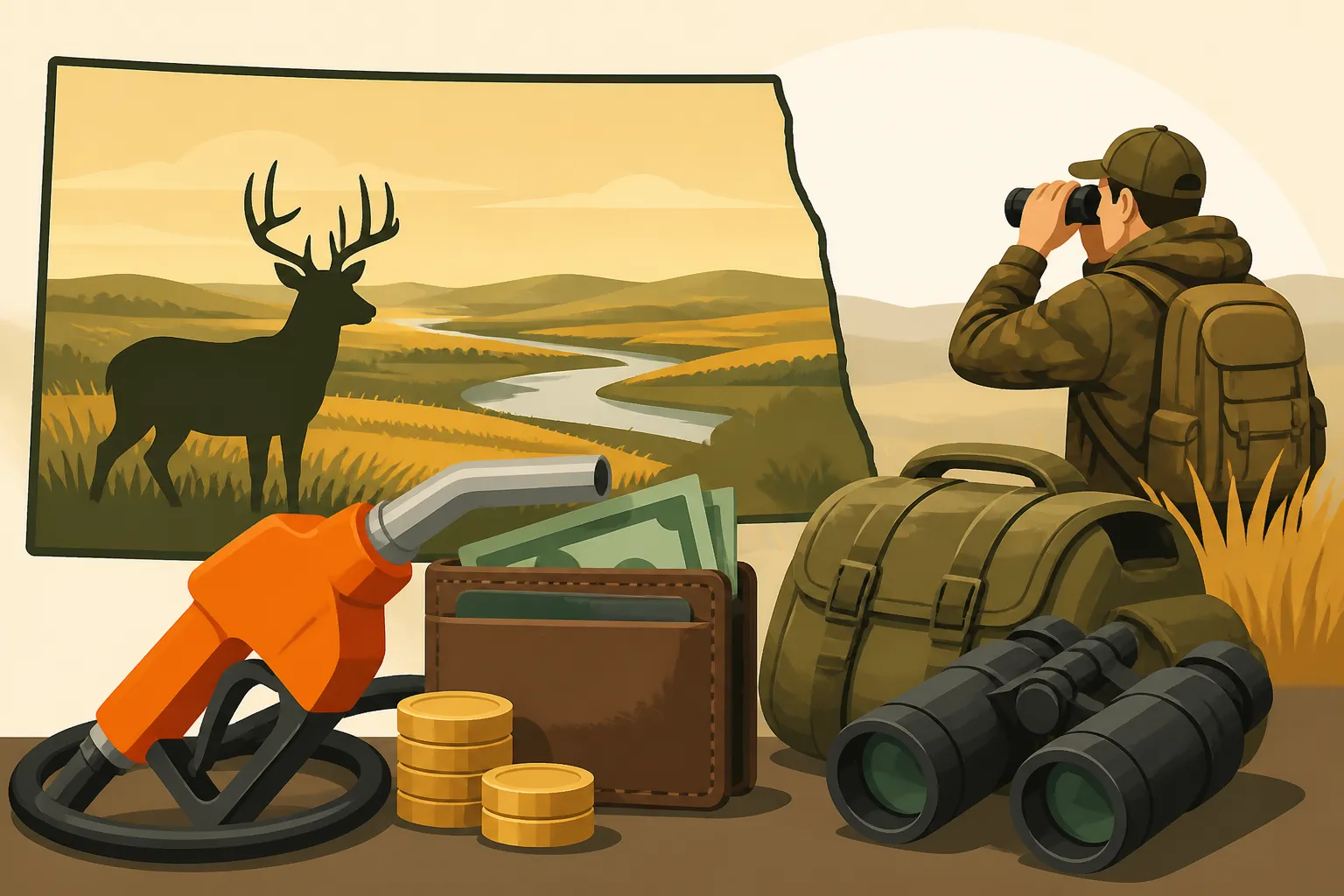
Dreaming of a self-guided hunting trip to the vast, open spaces of North Dakota is an exciting prospect, full of visions of sunrise stalks and hard-earned successes. But let's be real for a moment: those dreams often come with an unspoken asterisk, because the actual cost of getting yourself and your gear out there, and keeping it all running for a week or more, can quickly add up to a truly eye-watering sum that most hunters simply don't factor in properly. This guide isn't about the licenses themselves, but about dissecting all those other vital, often overlooked, gas and gear costs that can make or break your adventure, so you can plan a realistic budget and avoid those unwelcome surprises.
The Unseen Price Tag of Getting There: Fueling Your North Dakota Ambition
You've probably already shelled out for your North Dakota Hunting Licenses and What They Cost, but that's just the tip of the iceberg. North Dakota is a big state, and reaching those prime hunting grounds often means covering hundreds, if not thousands, of miles. Whether you're coming from across the country or just driving to a remote corner of the state, the cost of fuel and the wear and tear on your trusty hunting rig can eat a significant chunk out of your budget. It's not just about getting to the state line; it's about all the driving you'll do once you're there.
Fueling Your Adventure, Mile by Mile
Let's talk about gas. Your pickup or SUV might be a beast for hauling gear, but it's likely not winning any awards for fuel efficiency. Think about the round trip to North Dakota. If you're coming from, say, Ohio or Texas, that could be 1,000 to 1,500 miles one way. That's 2,000 to 3,000 miles just to get there and back, and we haven't even started talking about driving once you're hunting. North Dakota hunting often involves a lot of "windshield time" – scouting, driving between PLOTS (Private Land Open To Sportsmen) tracts, checking out different sections of Hunting North Dakota's Prairie Pothole Region, or navigating the rugged roads of Hunting North Dakota's Badlands.
Imagine a typical pheasant hunt in the central part of the state. You might drive 50-100 miles a day simply accessing different public parcels or working landowner permissions. For a week-long trip, that's another 350-700 miles easily. Now, if you're pulling a trailer with ATVs or extra gear, your fuel economy will plummet even further. These are not insignificant costs, and ignoring them can leave you stranded or short on funds for other essentials. Always overestimate your fuel needs, and factor in the higher prices you might find at small-town gas stations compared to major city hubs.
Vehicle Maintenance and Wear and Tear
Beyond just the gas tank, consider what your vehicle endures. A long drive, especially if it includes gravel roads, muddy tracks, or even light off-roading to access remote areas, puts serious strain on tires, suspension, and your engine. Before you leave, a full tune-up, oil change, and tire rotation are almost mandatory. A blown tire on a remote gravel road in North Dakota isn't just an inconvenience; it can derail your entire hunt and cost a pretty penny for a roadside repair or tow.
Think about the conditions: early season dusty roads can clog air filters, while late-season mud and snow can challenge your drivetrain. You might need to air down tires for better traction, then air them back up for highway travel. Having a reliable spare tire, a jack, and tools for minor repairs is crucial. I once saw a hunter nearly miss the last few days of a deer hunt because a tree branch punched a hole in his radiator on a two-track road. These kinds of incidents, while rare, highlight the importance of not just having a reliable vehicle, but also setting aside a contingency fund for unexpected repairs. It's peace of mind, really, knowing you won't be completely sunk if something goes wrong.
Essential Gear: Equipping Your North Dakota Self-Guided Hunt
When you're self-guided, you're the outfitter, the guide, and the pack mule all rolled into one. This means every piece of gear, from the clothes on your back to the optics around your neck, is your responsibility. This category can quickly become a money pit if you're not disciplined, especially for new hunters or those upgrading their kit. It’s far more than just your weapon and ammunition.
Hunting-Specific Equipment
First, let's talk about the items directly related to the act of hunting itself. You'll need appropriate clothing layers for North Dakota's famously unpredictable weather, which can swing from warm and sunny to bitter cold with snow in a matter of hours. A good quality waterproof and windproof outer layer is non-negotiable, along with insulating layers for warmth. Don't forget durable, comfortable, and waterproof boots – you'll be putting in a lot of miles on foot, especially if you're Walking North Dakota PLOTS Land for Pheasant or hiking coulees for deer.
Optics are another major investment. A quality pair of binoculars is essential for spotting game on the vast prairie or glassing distant hillsides in the Badlands. A rangefinder is crucial for ethical shots, and if you're hunting big game, a spotting scope can save you countless steps by confirming what you're seeing from afar. Your weapon, be it a rifle, shotgun, or bow, will need ammunition or arrows, and potentially accessories like a sling, bipod, or release aid. Don't forget calls, decoys (if waterfowl hunting), and scent control products for deer. Resources like GoHunt can be invaluable here, offering gear lists and reviews to help you decide what's truly essential versus what's just nice to have, helping you avoid impulse buys that break the bank.
Camp, Field Supplies, and Game Processing Essentials
Beyond the direct hunting gear, you'll need all the support equipment that makes a multi-day self-guided trip possible. This includes food and water, cooking equipment if you're camping (stove, pots, pans, utensils), and a cooler big enough to hold your provisions, plus any game you might harvest. A comprehensive first-aid kit is absolutely critical, as you might be miles from the nearest town or reliable cell service.
Navigation tools are also non-negotiable. While your phone's GPS is great, a dedicated GPS unit or a reliable hunting app with downloaded maps (like the ND Hunt App, which is great for Scouting PLOTS Land With the ND Hunt App) is a lifesaver, especially if you lose cell signal in remote areas. Headlamps or flashlights are essential for early mornings and late evenings. Game processing supplies – knives, gloves, game bags, and perhaps a sharpening stone – are often overlooked. You'll need them to properly Field Dressing a Deer in Cold Weather or prepare pheasants for the cooler. Think about how you'll keep meat cold, especially if temperatures are mild; dry ice can be an unexpected cost but is vital for meat preservation.
| Category | Example Items | Why it Varies |
|---|---|---|
| Travel | Fuel, vehicle maintenance (oil, tires), emergency repair kit | Distance traveled, vehicle fuel efficiency, road conditions (gravel, mud), unforeseen breakdowns |
| Clothing | Layering system, waterproof outerwear, insulated boots, gloves, blaze orange | Brand preference, synthetic vs. natural fibers, weather conditions (early vs. late season), North Dakota Blaze Orange Requirements |
| Optics | Binoculars, rangefinder, spotting scope | Quality/brand (entry-level vs. high-end), specific hunting needs (e.g., long-range glassing) |
| Weapon & Ammo | Firearm/bow, ammunition/arrows, broadheads, cleaning kit | Caliber/gauge, specific brand of ammo, quantity needed, accessories (scope, sling, quiver) |
| Camp/Field Gear | Tent, sleeping bag, cooking stove, cooler, food, water, first-aid kit, GPS | Duration of trip, comfort level desired, group size, specific food choices, necessity for particular items |
| Game Processing | Knives, game bags, gloves, cooler, dry ice, butcher fees | Species hunted, whether you DIY or use a processor, distance to processor, meat shipping needs |
| Licenses/Permits | Base license, specific game tags, federal duck stamp, HIP certification | Resident vs. nonresident, species pursued, number of tags, specific state requirements (e.g., North Dakota Migratory Bird Certification) |
The Hidden Costs and Unexpected Expenses of Self-Guiding
Beyond the obvious categories of gas and gear, there are a host of "hidden" costs that can quickly derail an otherwise well-planned budget for a self-guided hunt in North Dakota. These are the expenses that often catch hunters by surprise because they aren't directly related to the hunt itself, but are absolutely necessary for a successful and legal trip.
Lodging Alternatives and Your Food Bill
Unless you're planning on sleeping in your truck or a tent for the entire duration, lodging can be a significant cost. While camping on designated public lands like the Little Missouri National Grassland can be relatively inexpensive or even free, staying in a local motel for a week or more adds up. Even if you choose to camp, you might still need to pay campground fees, especially if you want access to amenities like showers or electricity. Many small towns across North Dakota offer basic motels, but these can be booked solid during peak hunting season, and prices often reflect the demand.
Then there's food. Eating out for every meal, even at modest diners, will quickly drain your wallet. Self-guided hunters often budget for groceries and cooking their own meals, which is a great way to save money. However, don't underestimate the cost of a week's worth of hearty, high-calorie meals needed to fuel long days in the field. Snacks, drinks, and incidentals also add up. If you're staying in a place like Devils Lake for a waterfowl hunt, remember that even a quick run to a grocery store still means money out of your pocket.
Game Processing, Shipping, and Contingency Funds
What happens after the shot? If you're successful, you'll have more costs. If you decide to take your animal to a local butcher, processing fees can be substantial, varying based on the animal (deer vs. elk) and the cuts you request. If you're traveling a long distance, you might also need to factor in the cost of dry ice and specialized coolers to transport your meat home safely. For trophy animals, shipping antlers or capes to a taxidermist can be another unforeseen expense. A quick search on resources like BookYourHunt might show you how outfitters often roll these costs into a package, but when you're self-guided, every one of these elements is on your ledger.
Finally, and perhaps most importantly, is the contingency fund. No matter how meticulously you plan, something almost always goes wrong. A flat tire, unexpected severe weather forcing an extra night in a hotel, a minor gear failure that requires a replacement purchase, or even just a craving for a hot meal after days of camp food – these are all legitimate scenarios. Having an emergency buffer of a few hundred dollars can save your trip from turning into a disaster. It's the difference between a minor setback and a complete breakdown of your adventure.
Planning Your Self-Guided North Dakota Hunt Budget: A Realistic Approach
Let's face it, a self-guided hunt isn't automatically cheaper than a guided one if you don't plan carefully. While you save on guide fees, you take on all the other costs yourself. A realistic approach to budgeting means doing your homework and being honest about what you're willing to spend.
Researching Costs Thoroughly Before You Go
The key to avoiding sticker shock is proactive research. Before you even apply for your licenses, get a rough estimate of your fuel costs. Use online mapping tools to calculate mileage and check current gas prices along your route and in the areas you plan to hunt. Call a few local motels or campgrounds in your target hunting zones to get current rates. This is especially important during peak season when prices can fluctuate wildly.
If you plan to use a professional meat processor, call a few in the region you'll be hunting to understand their pricing structure and turnaround times. Same goes for taxidermists if you're hoping for a mount. Look into the cost of shipping meat or antlers if you're flying home. Websites like GoHunt provide excellent information on specific hunting units and can give you a better idea of the terrain, which might influence your fuel usage and gear needs. Reading blogs and forums from other self-guided hunters can also offer invaluable, real-world cost insights. Think about everything from coffee to bug spray; it all adds up.
Saving Where You Can Without Sacrificing Safety
Once you have a realistic cost estimate, look for areas to trim. Maybe you pack more of your own non-perishable food to reduce grocery runs, or opt for free camping over a motel for a few nights. Prioritize your gear investments: instead of buying the top-of-the-line everything, focus on essential, reliable items that fit your budget. For instance, a quality pair of mid-range binoculars might serve you just as well as the most expensive pair.
Consider borrowing some gear from a friend or looking for used items in good condition. Doing your own meat processing can save a lot, provided you have the skills and tools. Remember, saving money shouldn't compromise safety or the legality of your hunt. Always ensure you have enough fuel, adequate clothing for the weather, and a solid first-aid kit. A successful self-guided hunt in North Dakota is absolutely achievable, but it's a testament to diligent planning and an honest assessment of all the financial commitments involved.
Disclaimer
This article is for general informational purposes only and does not constitute professional advice. Laws, prices and regulations vary by location and change over time. Consult a qualified professional for guidance on your specific situation.