Self-Guided Versus Outfitted North Dakota Hunts
The dream of a North Dakota hunt is powerful—vast prairies, challenging badlands, and the promise of incredible game. But once that dream takes hold, a huge question inevitably crops up: do you tackle this adventure on your own, or do you lean on the expertise of an outfitter? This choice can feel overwhelming, like standing at a crossroads with a dozen paths diverging into the unknown. This comprehensive guide is here to untangle that decision, helping you understand the real differences between self-guided and outfitted hunts in North Dakota, so you can pick the path that truly suits your style, budget, and hunting aspirations.
The Lure of the Prairie: Why North Dakota Calls Hunters
North Dakota, often affectionately called the "Peace Garden State," is a hidden gem in the hunting world. It's not always the first place that comes to mind for big game or bird hunting, but those who discover it quickly learn its profound appeal. The landscape itself is a character in the hunting story, shaping the experiences and demanding a unique set of skills. This isn't just a place to tag an animal; it's a place to immerse yourself in the wild.
North Dakota's Abundant Game Species
From the iconic ringneck pheasants exploding from cover to the elusive mule deer ghosting through the Badlands, North Dakota offers a truly diverse hunting experience. Whitetail deer thrive in the river bottoms and agricultural fields, presenting different challenges than their mule deer cousins in the rugged western units. White-Tailed Deer Across North Dakota are a common target, but many hunters also dream of Mule Deer in North Dakota's Badlands. Waterfowl hunters flock to the state's famous Prairie Pothole Region, where ducks and geese stage during their migration. Upland bird enthusiasts find happiness pursuing Ring-Necked Pheasants in North Dakota and the fast-flying Hungarian partridge. Even once-in-a-lifetime tags for species like elk, moose, and bighorn sheep are available through lottery systems, adding another layer of excitement for resident hunters. The sheer variety means there's usually something in season to pursue, no matter your preference. This abundance is a major draw, but it also means hunters need to be prepared for varied terrain and different game behaviors.
The Unique Challenge of the Landscape
Hunting in North Dakota isn't for the faint of heart or the unprepared. The landscape is as beautiful as it is demanding. The Badlands, with their steep coulees and eroded buttes, test endurance and glassing skills. The vast, open prairies, while seemingly flat, hide subtle draws, sloughs, and shelterbelts that hold game, requiring strategic approaches and often long walks. Weather can change in an instant, from warm, sunny days to biting winds and sudden snowfalls, especially during the later seasons. This isn't dense timber hunting where visibility is limited; this is often a game of spotting distant animals and planning long stalks across expansive terrain. Understanding Wind and Thermals in Badlands Terrain or how to approach a Prairie Pothole Region for waterfowl is crucial. The unique blend of open country, scattered cover, and sometimes extreme weather presents a challenge that many hunters crave, pushing them to develop new skills and truly earn their success.
Understanding the Self-Guided North Dakota Hunt
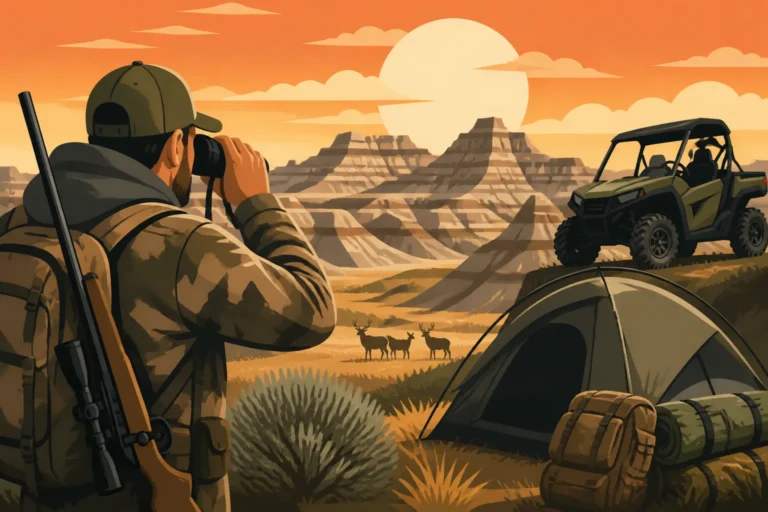
For many, the very essence of hunting lies in the self-guided adventure. It’s about charting your own course, relying on your skills and preparation, and experiencing the raw, unfiltered wild. This path offers a profound sense of accomplishment, but it's important to walk into it with eyes wide open, understanding both the immense rewards and the very real demands it places on you.
The Appeal of DIY: Freedom and Cost Savings
The biggest draw of a self-guided hunt is undoubtedly the freedom it offers. You set your own schedule, choose your own pace, and hunt the way you want to hunt. There's no pressure to adhere to an outfitter's itinerary, no need to adapt to a guide's style, and you can truly immerse yourself in the experience. For many, this autonomy is priceless. You can wake up when you want (though often that's before dawn!), decide which piece of public land to explore, and change your tactics on a whim if conditions shift. This independence fosters a deeper connection to the land and the hunt itself.
Beyond the freedom, the potential for significant cost savings is a huge motivator. Outfitters charge for their expertise, equipment, lodging, and services, which can add up quickly. By going self-guided, you're primarily paying for your North Dakota Hunting Licenses and What They Cost, travel, food, and basic gear. For hunters on a tighter budget, this can make the difference between dreaming of a North Dakota hunt and actually making it happen. You get to allocate your funds to things like better optics, more fuel for scouting, or an extra day in the field, all while keeping the overall investment lower.
Essential Planning for a Self-Guided Adventure
While the freedom is liberating, it comes with a heavy dose of responsibility. Planning a successful self-guided North Dakota hunt is a meticulous, time-consuming process that begins long before you ever set foot in the field. First and foremost, you need to understand the regulations inside and out. This means deep-diving into the North Dakota Game and Fish Department's proclamations for the specific species you're pursuing, understanding unit boundaries, weapon restrictions, and reporting requirements like North Dakota Deer Reporting Requirements. Getting the right licenses, whether it's a general game and habitat license, a specific deer tag from the North Dakota's Lottery-Based Deer Gun Season, or a migratory bird certification, is paramount.
Next, comes the crucial task of finding land to hunt. North Dakota offers a wealth of public access, but it's not always easy to locate or understand. Programs like The PLOTS Program Explained provide access to private land, but you need to know how to use tools like the ND Hunt App or detailed maps to navigate these areas effectively. Utilizing resources like GoHunt can be a game-changer for self-guided hunters. Their platform often includes detailed mapping layers showing public land boundaries, habitat types, and even historical harvest data, allowing you to scout from your couch. You'll spend hours pouring over satellite imagery, topographical maps, and public land designations. Identifying potential bedding areas, feeding locations, water sources, and travel corridors is critical. This initial research and mapping effort lays the groundwork for your entire hunt and can literally make or break your success. Don't underestimate the sheer volume of this preparation; it's practically a full-time job in the months leading up to your trip.
The Reality of Self-Guided Challenges
Let's be real: a self-guided hunt isn't always picturesque sunsets and easy success. It's tough, and it demands resilience. The biggest challenge is often the sheer amount of unknown you'll face. You might spend days scouting a promising area only to find it's either barren or overrun with other hunters. Unlike an outfitter who has years of local knowledge and adjusts plans daily, you're constantly adapting on the fly, learning from trial and error. This can lead to frustration, wasted time, and, yes, even going home empty-handed.
Logistics also become your responsibility. You're the chef, the mechanic, the navigator, and the game processor. If your truck breaks down, you're arranging the tow. If you tag an animal, you're field dressing it, loading it, and figuring out the meat processing. In North Dakota, where towns can be far apart and cell service spotty, these challenges are magnified. Recovering a deer from a deep coulee or across miles of open prairie can be physically exhausting, and you don't have a team to help you. Dragging a Deer Out of a Coulee is a real test of grit. This rugged independence is part of the appeal, but it requires a high level of self-sufficiency, problem-solving skills, and a willingness to push through setbacks without external support.
The Benefits of an Outfitted North Dakota Hunt
While the self-guided path offers raw adventure, an outfitted hunt provides a different kind of value: efficiency, expertise, and a significantly reduced stress load. For hunters seeking a higher probability of success, a more comfortable experience, or simply a way to streamline their limited vacation time, an outfitter can be an invaluable partner.
Expertise and Local Knowledge at Your Fingertips
When you book an outfitted hunt, you're essentially buying access to years, if not decades, of accumulated local knowledge. A good North Dakota outfitter lives and breathes hunting in their specific area. They know the property, the game patterns, the best times to hunt certain cover, and how the animals react to different weather conditions. They're tuned into the nuances that take years for an outsider to learn. They'll know exactly Where Badlands Bucks Bed or where to find Late-Season Food Sources for North Dakota Whitetails. This expertise isn't just about finding game; it's about understanding behavior, predicting movement, and adapting tactics in real-time.
Furthermore, outfitters often have access to prime private land that would be impossible for a self-guided hunter to secure. While Getting Private Land Permission in North Dakota is possible, it takes a lot of legwork. An outfitter often has established relationships with landowners, securing exclusive hunting rights to large tracts that hold consistent numbers of quality game. This access to well-managed, less-pressured land can drastically increase your chances of success, especially for species like deer or pheasants. They monitor these properties, often running trail cameras and scouting regularly, so they know where the animals are before you even arrive.
Convenience and Logistics Handled
One of the most appealing aspects of an outfitted hunt is the sheer convenience. Imagine flying into Bismarck or Fargo, getting picked up at the airport, and having almost every detail of your hunt taken care of from that moment on. No need to worry about cooking, cleaning, navigating unfamiliar roads, or even the intricacies of field dressing and initial game care. The lodge provides comfortable accommodations, delicious meals, and a place to relax and unwind after a long day in the field. Your guide will take you to the best spots, often having already set up blinds or decoys.
This logistical support extends to the hunt itself. If you're on a pheasant hunt, the outfitter provides experienced bird dogs and handlers, eliminating the need for you to bring your own or train one. For waterfowl, they have the spreads, the blinds, and the calling expertise ready to go. Decoy Spreads for Prairie Pothole Mallards can be elaborate and time-consuming to set up, but with a guide, all you do is step into the blind. This level of support frees you to focus entirely on the hunt, the camaraderie, and the experience itself, rather than being bogged down by the details of travel, camping, or meal prep. It transforms a potentially stressful expedition into a true vacation.
Enhanced Success Rates and Experiences
Let's be honest, most hunters want to be successful. While there are no guarantees in hunting, an outfitter significantly increases your odds. Their local knowledge, access to prime land, and ability to adapt to changing conditions mean they can put you in front of more game. They scout continuously, understand escape routes, and know how to call or stalk effectively for the specific animals in their area. For example, a quality pheasant outfitter in North Dakota will know exactly Walking a Pheasant Field at Midday where birds hold tight, and how to work the cover efficiently.
Beyond just punching a tag, an outfitted hunt often provides a richer, more educational experience. Guides are passionate about hunting and are usually keen to share their knowledge. You'll learn about game behavior, tracking techniques, reading sign, and local ecology. Many outfitters also handle the initial processing of your game, ensuring it's properly cared for from field to freezer, and can even arrange for taxidermy or meat processing services. For many, the camaraderie built with guides and fellow hunters at the lodge creates lasting memories, far beyond the harvest itself. You're not just hunting; you're gaining an immersive experience crafted by professionals.
Costs: Breaking Down the Investment
The financial aspect is almost always the deciding factor for hunters weighing self-guided versus outfitted hunts. It's not just about the sticker price; it's about understanding where your money is going, what value you're getting, and how to budget effectively for either option. There are significant differences in the shape of the investment, even if the total spend can sometimes overlap.
Financial Outlay for Self-Guided Hunts
When you choose to go self-guided, you become responsible for every line item in your budget. The initial costs include your North Dakota Hunting Licenses and What They Cost. For a nonresident, this can include a basic small game license, a specific deer tag if you draw one, and any necessary endorsements like a migratory bird stamp. Then there's travel: fuel for your vehicle, or flights if you're coming from out of state, plus vehicle rental if needed. Accommodation can range from free dispersed camping on national grasslands to state park campgrounds (which typically have a fee), or budget motels in small towns.
Food and drink are entirely on you, from groceries for camp meals to restaurant stops. Don't forget the wear and tear on your vehicle, especially if you're putting on hundreds of miles on gravel roads. Crucial gear, which an outfitter might provide, such as quality optics, mapping apps (like GoHunt), sturdy boots, proper layering for North Dakota weather, and potentially a game cart or processing supplies, also needs to be factored in. While the daily rate is effectively zero, the cumulative cost of self-reliance for multiple days can still be substantial. However, you have direct control over every dollar, allowing you to prioritize and save where possible.
Understanding Outfitter Pricing Structures
Outfitted hunts come with a clear, all-inclusive (or mostly inclusive) price tag. This usually covers:
- Guide Services: The professional expertise and time of your guide.
- Access Fees: Compensation for access to private land.
- Lodging: Comfortable accommodations, often in a dedicated lodge or bunkhouse.
- Meals: Typically three square meals a day, often home-cooked and hearty.
- Transportation: From the lodge to the hunting grounds, and sometimes airport pickup.
- Field Care: Initial field dressing and transportation of harvested game.
Some outfitters offer different packages. For instance, a Booking a Guided North Dakota Pheasant Hunt might be a multi-day package including dog handlers, while a deer hunt could be focused on finding a trophy animal. The price will vary significantly based on the species, the number of hunting days, the amenities offered, and whether it's a "fully guided" (one guide per hunter or two) or "semi-guided" experience (less direct guiding, more logistical support). You might see day rates, or packages for 3-5 days. It's vital to get a detailed breakdown of what's included and what's not, as some "all-inclusive" packages might still require you to cover licenses, gratuities for the guides, or meat processing beyond the initial field care. While the upfront cost is higher, it consolidates many expenses into a single figure, simplifying your budget.
Weighing the Value: Cost vs. Experience
The choice between self-guided and outfitted ultimately boils down to what you value most in your hunting experience. If the challenge of total independence, the thrill of finding your own game, and the satisfaction of overcoming obstacles on your own are paramount, and your budget is tight, then self-guided is likely for you. You're trading convenience and a higher probability of success for raw adventure and financial control.
If, however, your time is limited, your hunting experience is less extensive, or you simply want to maximize your chances of success and minimize logistical stress, then an outfitted hunt offers tremendous value. You're paying for expertise, efficiency, convenience, and a higher-quality experience tailored to your specific goals. It's an investment in a smoother, often more successful, and certainly more comfortable hunt. Think of it not just as a cost, but as paying for a curated experience where many variables are managed for you.
Here's a simplified comparison:
| Feature | Self-Guided Hunt | Outfitted Hunt |
|---|---|---|
| Primary Cost | Licenses, travel, food, personal gear, maps, fuel | Package fee (includes guide, lodging, meals, access) |
| Control/Freedom | Maximum – you make all decisions | Limited – follow outfitter's plan, guide's direction |
| Logistics | Your responsibility for everything | Handled by outfitter (food, lodging, transport) |
| Local Knowledge | Requires extensive personal research and scouting | Provided by experienced guides |
| Land Access | Primarily public land (PLOTS, WMAs, National Grasslands) | Often includes prime private land, less pressured |
| Success Rates | Highly dependent on personal skill, luck, research | Generally higher due to expertise and access |
| Physical Demands | Can be very high (packing, tracking, processing) | Can be high, but logistical support eases burdens |
| Time Investment | Huge pre-hunt research and planning | Minimal pre-hunt planning on your part |
Licenses, Tags, and Regulations: A Critical Consideration
North Dakota, like any state with a robust hunting tradition, has a detailed framework of licenses, tags, and regulations designed to manage game populations and ensure ethical hunting. Navigating this can be daunting, especially for those new to the state or nonresident hunters. Understanding these rules is not just a formality; it's a crucial part of a legal and successful hunt.
Navigating North Dakota's License Requirements
Before you even think about packing your bags, securing the correct licenses and tags is the absolute first step. Every hunter, resident or nonresident, needs a basic hunting license. On top of that, you'll likely need specific tags for the game you're pursuing. For deer, North Dakota operates a lottery system for many gun tags, especially for bucks, meaning drawing a tag is not guaranteed. North Dakota's Lottery-Based Deer Gun Season details this process, and knowing the application deadlines is critical. Archery deer tags are typically available over-the-counter or online, but nonresidents often face restrictions on public land access during the early season.
Upland birds and waterfowl usually require a small game license, plus federal and state migratory bird stamps (for ducks and geese) and Harvest Information Program (HIP) certification. North Dakota Migratory Bird Certification is a simple but mandatory step. It's not uncommon for hunters to need several different stamps and licenses, depending on the variety of species they wish to pursue. Beyond the general licenses, hunters must be aware of special permits, such as those for youth hunters under North Dakota Mentored Youth Hunting Rules or specific tags for fall turkey. Always check the current year's hunting proclamation, as rules and season dates can change annually.
How Guides Can Assist with Regulatory Compliance
This is where a good outfitter truly shines for many hunters. Navigating the maze of regulations, license types, and application periods can be a headache, especially for nonresidents who aren't familiar with North Dakota's specific rules. A reputable outfitter will be intimately familiar with all the current regulations for the species they guide. They can advise you on exactly which licenses and stamps you need, guide you through the application processes, and remind you of important deadlines.
For example, when Booking a North Dakota Deer Hunt, an outfitter can explain the draw odds for specific units, suggest backup plans, and ensure you understand the requirements for reporting a harvested animal. They'll know the nuances of North Dakota Deer Reporting Requirements and when and how to register your harvest. For waterfowl or upland hunts, they'll ensure you have all the necessary migratory bird certifications and stamps. While they can't buy your licenses for you (that's always on the individual hunter), their guidance is invaluable in preventing costly mistakes or compliance errors that could jeopardize your hunt. This peace of mind, knowing you're fully legal and compliant, is a significant benefit of booking with a professional.
Special Considerations for Nonresident Hunters
Nonresident hunters face an additional layer of complexity and sometimes stricter rules. For instance, North Dakota has implemented New 2026 North Dakota Nonresident Waterfowl Restrictions, including a zone-restricted license and specific resident-priority hunting days. If you're planning a waterfowl trip, understanding these rules, especially when Booking Around the Nine Resident-Priority Days, is critical. Nonresident deer archery hunters also have limitations on hunting certain public lands for the first week or so of the season.
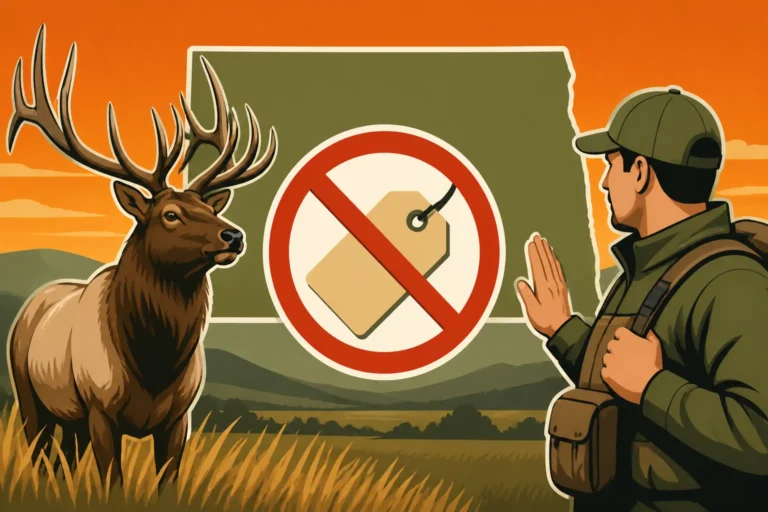
Furthermore, trophy species like elk, moose, and bighorn sheep are generally resident-only draws, meaning nonresidents cannot apply for them. This needs to be understood upfront to manage expectations. Nonresidents often pay higher license fees than residents, a common practice across states. All of these factors underscore the importance of meticulous research for nonresidents. A platform like BookYourHunt can connect nonresidents with outfitters who specialize in nonresident hunts and can expertly guide them through these unique challenges, ensuring they meet all legal requirements and understand any access limitations. It prevents the heartbreaking scenario of traveling all the way to North Dakota only to find you're not properly licensed or can't hunt the public land you intended.
Finding the Right Fit: Matching Hunt Style to Hunter
Deciding between a self-guided and an outfitted hunt isn't about one option being inherently "better" than the other. It's about finding the style that aligns best with your personal hunting philosophy, experience level, budget, and time constraints. There's a perfect North Dakota adventure waiting, whether you're roughing it or living it up in a lodge.
When a Self-Guided Hunt is Best
A self-guided hunt truly shines for specific types of hunters. If you are deeply independent, thrive on challenges, and possess a strong DIY spirit, this path will resonate with you. It’s ideal for those who:
- Have extensive hunting experience: You're comfortable with navigation, game processing, tracking, and adapting to changing conditions without outside help. You’ve likely hunted multiple states or a variety of species.
- Are on a tight budget: While not necessarily "cheap," self-guided offers the most control over expenses. You can camp, pack your own food, and cut costs wherever possible.
- Have ample time for preparation: This isn't a last-minute trip. You need weeks or months to scout, study maps, understand regulations, and plan logistics.
- Value the learning process: Every mistake, every success, is a lesson learned directly. You want to understand the why and how of every aspect of the hunt.
- Prioritize solitude and independence: You cherish the quiet of the wild, making your own decisions, and having a hunt that is entirely your own creation.
- Are physically fit and capable: North Dakota's terrain, especially the Badlands, can be demanding. Recovering game, walking miles, and setting up camp requires good physical conditioning.
- Are hunting readily available public land species: For example, chasing pheasants on North Dakota Waterfowl Production Areas or Walking North Dakota PLOTS Land for Pheasant is very achievable for a prepared self-guided hunter.
When an Outfitted Hunt is Your Best Bet
Conversely, an outfitted hunt offers undeniable advantages for hunters who have different priorities or face certain limitations. This option is often best for those who:
- Have limited time off: If you only have a few days to hunt, an outfitter maximizes your chances by putting you on game quickly, without wasting time on initial scouting or setup.
- Are new to North Dakota hunting: The state can be overwhelming for first-timers. A guide provides invaluable local insight, ensuring you're in the right place at the right time.
- Seek higher success rates: While not guaranteed, outfitters consistently put clients on game due to their knowledge, private land access, and scouting efforts.
- Prioritize comfort and convenience: You want to focus purely on the hunting experience, without the distractions of cooking, cleaning, or navigating. Lodge life, hot meals, and comfy beds are appealing.
- Are looking for a specific trophy animal: Outfitters specializing in deer or elk often have properties and strategies geared towards finding larger, more mature animals.
- Are traveling with a group or family: Outfitted hunts often provide a more structured and comfortable environment for groups, with amenities and support for all members.
- Don't have all the necessary gear or dogs: Outfitters provide specialized equipment, like decoys and blinds for waterfowl, or trained bird dogs for pheasants, which can be costly to acquire personally. Booking a North Dakota Devils Lake Goose Hunt without a guide and all the gear is a Herculean task.
Hybrid Approaches and Semi-Guided Options
It's not always an either/or situation. Many hunters find a middle ground that combines the benefits of both approaches. A semi-guided hunt is a popular hybrid. In this scenario, an outfitter might provide access to private land, basic lodging, and point you in the right direction, but you're still responsible for your own hunting, cooking, and daily logistics. They might tell you where to find Scrape Lines Along a Section Line Trail but leave the stalk entirely up to you. This can be a more affordable alternative to a fully guided trip while still providing significant advantages over a purely DIY approach, especially in terms of private land access.
Another hybrid could involve a self-guided hunt on public land for a species like pheasants, coupled with hiring a local "scout" or "spotter" for a few days to help you locate animals or learn the terrain. Some hunters also start with an outfitted trip to learn the ropes of a new area, then transition to self-guided hunts on subsequent trips once they've gained confidence and local knowledge. This phased approach can be a smart way to gradually build your expertise and independence.
Vetting Outfitters and Resources for Self-Guided Hunters
Whether you're entrusting your hunt to an outfitter or relying solely on your own wits, doing your homework is non-negotiable. For outfitters, it's about ensuring a legitimate, ethical, and successful experience. For self-guided hunters, it's about leveraging every available tool to maximize your odds.
Questions to Ask Before Booking an Outfitter
If you lean towards an outfitted hunt, the vetting process is critical. You're investing significant time and money, so you want to ensure you're choosing a reputable and effective operation. Here are some essential Questions to Ask a North Dakota Outfitter:
- What's included in the price? Get a detailed breakdown. Are licenses, tags, gratuities, meat processing, or taxidermy included or extra?
- What's the typical guide-to-hunter ratio? This indicates how much personalized attention you'll receive.
- What are the success rates? Be wary of guarantees. A good outfitter will provide realistic expectations and harvest percentages, perhaps even broken down by weapon type or unit.
- How long have you been operating in North Dakota, and specifically in this area? Experience matters, especially local knowledge.
- What kind of land will we be hunting? Public, private, or a mix? How many acres of private land do they have access to?
- Can you provide references from past clients? This is perhaps the most important question. Call those references and ask about their experience, what they liked, what they didn't, and if they'd book again.
- What's your policy on wounded game? Ethical outfitters will have a clear, humane policy for tracking and recovering injured animals.
- What's your cancellation or rescheduling policy? Understand this fully, especially regarding weather or unforeseen circumstances.
- What equipment do I need to bring? Don't assume anything.
- Are you licensed and insured? North Dakota Outfitter License Requirements are in place for a reason. Verify this information.
Platforms like BookYourHunt can be a great starting point for finding outfitters, as they often include reviews, detailed package descriptions, and can help streamline the communication process. However, always follow up with direct conversations and reference checks.
Tools and Platforms for DIY Planning
For the self-guided hunter, your "outfitter" is your planning prowess and the tools you use. Investing in the right technology can dramatically increase your chances of success.
- Mapping Apps: This is non-negotiable. Apps like GoHunt (or others like onX Hunt) are invaluable. They provide detailed satellite imagery, topographic maps, public land boundaries, PLOTS program overlays, and often landowner information. You can drop waypoints, measure distances, and plan routes from home, saving precious time in the field. Understanding Scouting PLOTS Land With the ND Hunt App is essential.
- North Dakota Game and Fish Department Website: This is your primary source for regulations, season dates, lottery application information, harvest reports, and detailed maps of Wildlife Management Areas.
- Aerial Photos and Topo Maps: Even beyond apps, physical maps are crucial as a backup, especially where cell service is unreliable (which is common in rural North Dakota). Learning Reading Aerial Photos for Badlands Deer will give you an edge.
- Online Forums and Social Media Groups: These can be treasure troves of information from other hunters who have experience in North Dakota. Be discerning, but they can offer real-world insights into hunting pressure, tactics, and specific areas.
- Weather Apps and Resources: North Dakota weather is famously fickle. Having reliable access to current and forecasted conditions is vital for safety and strategic planning.
Community and Mentorship for New Hunters
Whether self-guided or considering an outfitter, new hunters, especially those new to North Dakota, can benefit immensely from community and mentorship. Don't be afraid to connect with experienced hunters. Many are willing to share advice, tips, and even offer to take a newcomer out. Joining local hunting clubs, participating in online forums, or even attending hunter education courses (North Dakota Hunter Education Requirements) can build your network.
For self-guided newcomers, consider starting with more accessible species like pheasants on easily identifiable public land, or focus on a [Long-tail] hunt such as Hunting a Shelterbelt Edge for Deer. These provide valuable learning experiences without the high stakes or logistical complexity of a multi-day backcountry deer or elk hunt. Sometimes, the best "guide" is an experienced friend who knows the area, even if you still provide the majority of the planning and effort.
Making Your Decision and Preparing for Success
The choice between a self-guided and an outfitted hunt is deeply personal, reflecting your priorities, financial flexibility, and the kind of experience you're chasing. No matter which path you choose, thorough preparation is the bedrock of a successful and enjoyable North Dakota hunting adventure.
Final Considerations Before Committing
Before you pull the trigger on either option, take a moment to reflect on a few key points:
- Your experience level: Be honest with yourself. If you're new to hunting, or new to hunting in a vast, open landscape like North Dakota, an outfitter might be a safer and more rewarding initial experience.
- Your hunting goals: Are you after a trophy? Looking for freezer meat? Or simply seeking to immerse yourself in nature and enjoy the pursuit? Outfitters often cater to specific goals, while self-guided offers more flexibility in pursuit.
- Your available time: How many days can you dedicate to scouting, travel, and the actual hunt? An outfitter condenses the effective hunting time significantly.
- Your support system: If self-guided, are you going alone or with a partner? Having a buddy can make a huge difference in logistics and safety.
- Your adaptability: North Dakota hunting can throw curveballs. Are you able to adjust tactics and plans if the weather turns or the game isn't where you expected?
If you're still on the fence, consider speaking with outfitters even if you plan to go self-guided. Many will offer insights or advice during a casual conversation, which can help clarify your decision.
Physical and Mental Preparation
Regardless of whether you have a guide or not, hunting in North Dakota can be physically demanding. Long walks across CRP fields for pheasants, navigating deep draws in the Badlands for deer, or wading through icy potholes for ducks all require a decent level of fitness. Start an exercise routine months before your hunt that mimics the activities you'll be doing. Walking with your pack, hiking uneven terrain, and even some strength training will pay dividends in the field. This is particularly true for hunts like Packing for an Eight-Day North Dakota Elk Hunt, which can be incredibly strenuous.
Mentally, prepare for challenges and potential setbacks. Hunting, by its nature, involves unpredictability and often requires patience and resilience. Be prepared for early mornings, long days, cold weather, and the possibility of not harvesting an animal. A positive attitude and a flexible mindset will make the experience far more enjoyable, even when things don't go exactly as planned. Embrace the journey, the camaraderie, and the unique beauty of North Dakota's wild places.
Post-Hunt Logistics
Once the hunt is over, there are still responsibilities to consider. For any harvested game, understand the North Dakota Deer Reporting Requirements or similar regulations for other species. This often involves online registration or physical check stations within a specific timeframe. Proper meat care is crucial, especially if you're processing it yourself. In cold North Dakota weather, Aging Venison in Cold Weather can be an option if you have the facilities. If you used an outfitter, they often assist with initial field care and can direct you to local processors.
For self-guided hunters, planning your cooler space, ice, and transportation for meat is a vital step often overlooked. If you harvested a trophy, researching local taxidermists or preparing the cape for transport back home is another consideration. Don't let the excitement of the hunt overshadow the important steps to ensure your hard-earned game is properly handled and legally documented.
Disclaimer
This article is for general informational purposes only and does not constitute professional advice. Laws, prices and regulations vary by location and change over time. Consult a qualified professional for guidance on your specific situation.