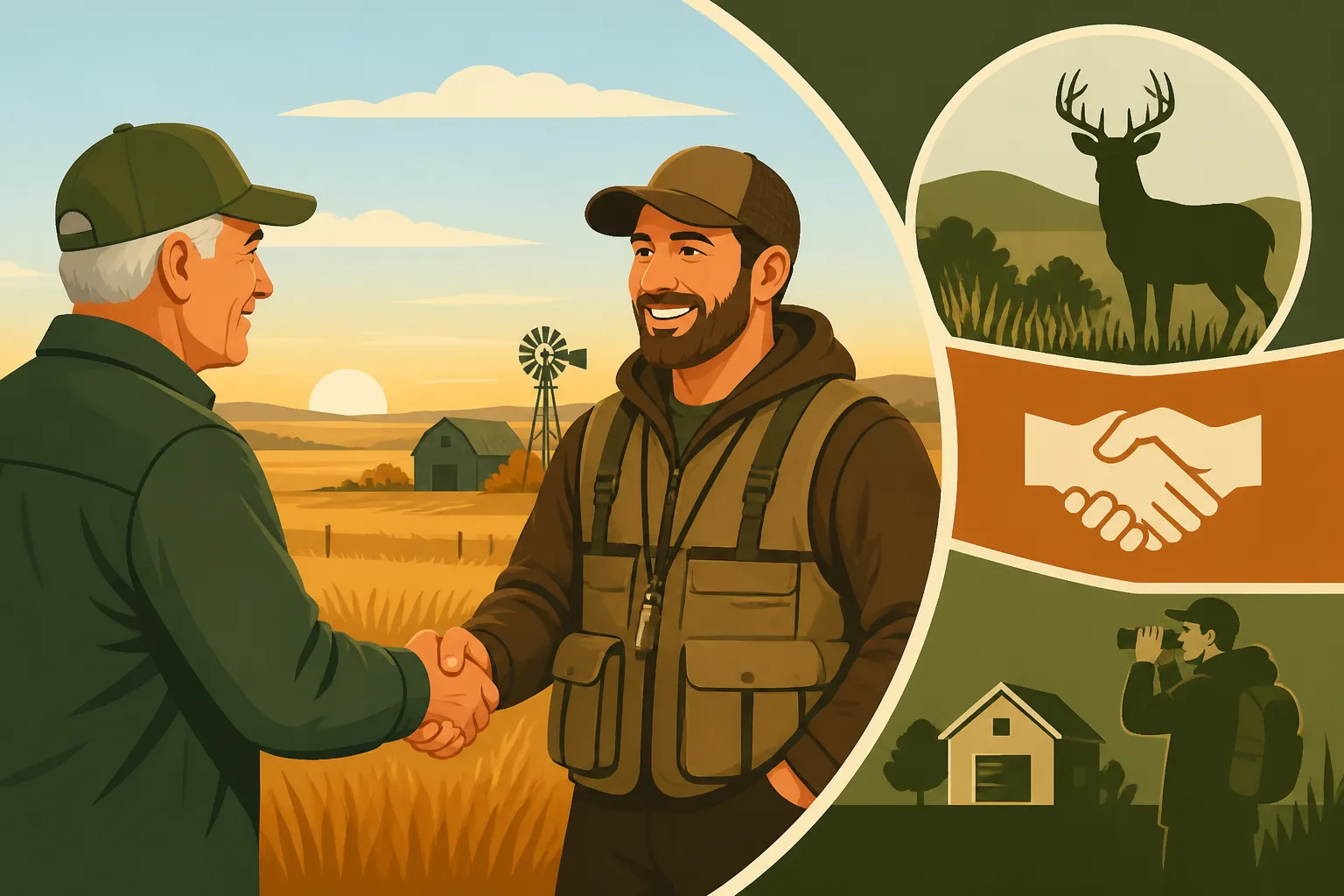
What a Landowner-Guide Arrangement Looks Like
Navigating the hunting landscape in North Dakota can sometimes feel like you're choosing between crowded public lands where every tree stand has a neighbor, or expensive, fully-outfitted trips that can feel a bit impersonal. But there's a unique and often rewarding middle ground that many hunters and landowners are discovering: the landowner-guide arrangement. This guide will explore what such a partnership entails, the distinct advantages it offers to both parties, and the practical considerations for making these arrangements successful in North Dakota.
What Exactly is a Landowner-Guide Arrangement?
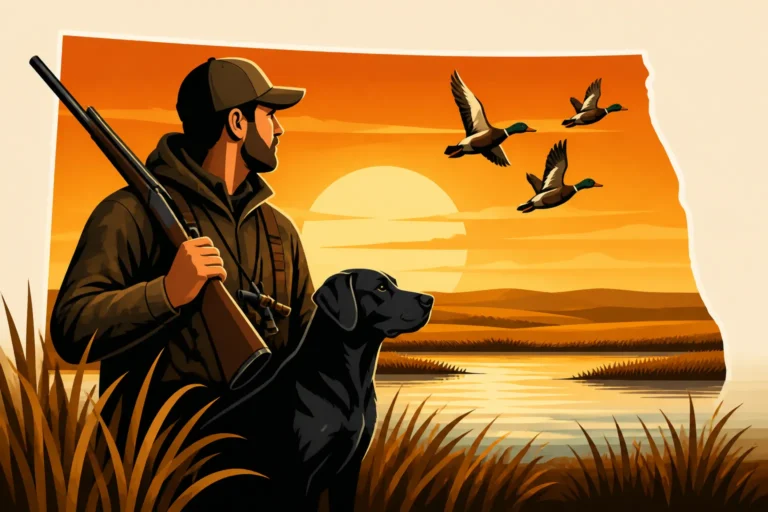
Forget the simple handshake deal for permission to cross a field, or the high-dollar, all-inclusive package from a commercial outfitter. A landowner-guide arrangement is something entirely different, a more nuanced blend of private land access and personalized expertise that truly sets it apart. It’s an intimate partnership where the landowner is not just providing a place to hunt but is actively involved in facilitating the hunt itself, drawing upon their deep, inherent knowledge of their property and its resident wildlife.
Beyond Just Land Access: A Service-Oriented Partnership
At its core, a landowner-guide arrangement means that a hunter is paying for access to private land, yes, but they are also receiving a level of service and localized guidance that goes far beyond a simple "permission slip." Think of it this way: when you knock on a door asking for permission to hunt a few acres, the landowner might grant it, perhaps out of neighborly goodwill or a desire for some deer control. They point you to a gate, give you the boundaries, and wish you luck. That's land access.
In a landowner-guide arrangement, the landowner takes on a more active role. They might scout the property with you, explaining where the deer typically cross a creek, or where the pheasants often hold up in a particular cattail slough. They may share intel on recent game movement, explain preferred bedding areas, or even help you set up stands or blinds. It’s not just a transaction for ground access; it’s a more comprehensive service built around the specific nuances of their specific piece of land. This intimate connection and hands-on approach are what define this unique relationship, offering a richer, more guided experience without necessarily being a full-blown commercial operation. It's about tapping into generations of observation and familiarity with the terrain and its inhabitants.
The Blended Role: Landowner as Host and Local Expert
The beauty of this arrangement lies in the landowner's dual role. They are, first and foremost, the stewards of the land. They live there, work there, and likely have an emotional and generational tie to the property. This means they possess an unparalleled understanding of the micro-habitat, the local weather patterns, and the behavioral tendencies of the animals residing on their farm or ranch. They know which draws hold whitetails when the wind blows from the north, or where the sharptail grouse typically feed after a fresh snow.
Secondly, they act as a guide. This doesn't always mean they're physically walking beside you with a clipboard, but rather that they are sharing their invaluable insights, offering advice, and often providing assistance with logistics like game retrieval or processing. For example, a rancher in western North Dakota might point you to the specific coulee where a mature mule deer buck has been seen routinely for the past three seasons. They'll tell you the best approach route, considering the prevailing winds and thermals in that specific badlands terrain. Or, a farmer might have a specific field of standing corn or sunflowers where geese routinely feed, and they'll help you brush in a blind or set up a decoy spread based on their intimate knowledge of the birds' flight paths and habits. This blend of land ownership and guiding expertise creates a truly authentic and often highly successful hunting experience, rooted in deep local understanding.
Why Hunters Seek Out Landowner-Guide Experiences
Hunters are increasingly drawn to landowner-guide arrangements for several compelling reasons, primarily centered around a desire for better quality hunting, more personal experiences, and a deeper connection to the land they pursue game on. It’s a way to escape common frustrations and tap into something truly special.
Escaping the Crowds and Accessing Prime Habitat
One of the biggest headaches for any hunter, especially in areas with significant public land pressure, is simply finding a quiet spot away from other hunters. North Dakota's public lands, while abundant through programs like PLOTS (Private Land Open To Sportsmen), can still see considerable traffic, especially during peak seasons like the pheasant opener or the rifle deer season. Hunting Pressure on North Dakota Public Land is a very real concern for many, leading to frustrating experiences and often pushing game into less accessible areas.
A landowner-guide arrangement often provides exclusive access to private land that would otherwise be completely off-limits. This means you're not competing with dozens of other vehicles along a section road or crossing paths with other hunting parties throughout the day. Instead, you're hunting grounds that are often rested, strategically managed, and undisturbed, leading to higher quality encounters with game. Imagine having hundreds of acres of prime whitetail habitat, carefully managed shelterbelts, or rich prairie potholes all to yourself, with the landowner's expert advice on where the biggest bucks or the densest pheasant coveys are. This private, low-pressure environment significantly enhances the hunting experience and the chances of success.
Unlocking Generations of Local Knowledge
Another invaluable aspect that draws hunters to these arrangements is the unparalleled local knowledge held by the landowner. Unlike a commercial outfitter who might lease several properties and rely on recent scouting reports, a landowner has often spent a lifetime observing the wildlife on their specific property. They know the historical travel corridors, the preferred food sources during different times of the season, and how game animals react to specific weather events or agricultural practices.
This isn't just theory; it's practical, boots-on-the-ground intel that can dramatically improve your hunt. They can tell you where a particular spring-fed creek crossing is a reliable water source for deer, or which patch of old-growth cattails consistently holds pheasants late in the season. They might know exactly when the deer rut peaks on their land or the best time to call coyotes over a specific winter feed site. This deep, intimate understanding of the local ecosystem is something no map or app can fully replicate. It transforms a typical hunt into an educational experience, making you a more effective hunter and connecting you more deeply to the rhythm of the land. The subtle nuances of Reading a Missouri River Bottom for Deer or predicting where Badlands Bucks Bed are pieces of wisdom often passed down through generations that a landowner-guide can share.
The Appeal for Landowners: Stewardship and Income
For landowners in North Dakota, opening their property to hunters through a landowner-guide arrangement isn't just about collecting a fee. It's often a multifaceted decision that blends economic necessity with a strong sense of land stewardship and a desire to manage wildlife populations responsibly.
Diversifying Income and Managing Wildlife
Farming and ranching are demanding professions with unpredictable financial returns. Droughts, fluctuating market prices, and increasing operational costs mean that many landowners are constantly looking for ways to diversify their income streams to keep their operations viable. Offering hunting opportunities, particularly in a guided or semi-guided capacity, provides a valuable supplemental revenue source. This income can help cover property taxes, invest in habitat improvements, or simply provide a cushion during lean agricultural years.
Beyond the financial aspect, many landowners are deeply invested in wildlife management on their property. Deer, for example, can cause significant damage to crops, particularly during late season. North Dakota Deer Damage Permits for Farmers exist precisely because these issues are common. By managing hunting access, landowners can strategically reduce deer populations, especially antlerless animals, to mitigate crop damage while still maintaining a healthy herd. They can also focus hunting pressure on certain areas or age classes of animals, contributing to better overall wildlife health and habitat balance. This arrangement allows them to actively participate in the conservation and management of the game species that share their land.
Maintaining Control and Ethical Hunting Practices
When a landowner grants free, unrestricted access to their property, they often relinquish a significant degree of control. This can lead to concerns about property damage, gates left open, litter, or unethical hunting practices by individuals who may not respect the land or its rules.
With a landowner-guide arrangement, the landowner retains a high degree of control over who hunts on their property, when they hunt, and how they conduct themselves. They can vet hunters, establish clear rules of conduct, and ensure that only ethical and responsible individuals are allowed access. This control is paramount for maintaining the integrity of their land and their relationship with the local community. It allows them to set expectations regarding game recovery, shot placement, and respect for the environment. For example, a landowner can insist on specific entry and exit routes through standing sunflowers or other sensitive crop fields, ensuring minimal disturbance and damage. This structured approach fosters a safer, more respectful, and ultimately more enjoyable hunting experience for everyone involved, reinforcing a strong bond between the hunter and the land.
Practicalities and Pitfalls: Navigating the North Dakota Landscape
Entering into a landowner-guide arrangement, whether you're the hunter or the landowner, involves more than just a verbal agreement. It requires clear communication, a solid understanding of North Dakota's specific regulations, and due diligence to ensure a positive and lawful experience.
Clear Communication and Written Agreements
The foundation of any successful landowner-guide arrangement is absolutely clear communication. Assumptions can lead to misunderstandings, which can quickly sour the experience for both parties. Before any hunt takes place, both the hunter and the landowner should have a detailed, written agreement outlining every aspect of the arrangement.
This agreement should cover:
- Dates and Duration: Exact start and end times for the hunt.
- Species and Bag Limits: What specific game can be hunted, and what are the agreed-upon harvest limits beyond state regulations?
- Fees and Payment Schedule: The total cost, what's included (e.g., lodging, meals, game retrieval), and when payments are due.
- Boundaries: Precise boundaries of the hunting area, perhaps with a map.
- Rules and Expectations: Anything from vehicle use, weapon restrictions, ethical shot distances, blood trailing policies, to behavior around livestock or family residences.
- Liabilities and Waivers: A clear understanding of responsibility in case of accidents, which is crucial for both parties.
- Cancellation Policy: What happens if the hunter needs to cancel or if the landowner has unforeseen circumstances?
- Guidance Level: Specify if it's fully guided, semi-guided, or just land access with intel.
Without a detailed agreement, disputes over trophy fees, what constitutes "guidance," or property damage can quickly turn a promising partnership into a regrettable situation. It protects both the hunter's investment and the landowner's property and reputation.
Understanding North Dakota's Outfitter and Trespass Laws
North Dakota has specific regulations regarding guiding services and land access that both parties must be aware of. A landowner who regularly provides "guided" services for a fee might, by law, be considered an outfitter and could be subject to specific licensing requirements. North Dakota Outfitter License Requirements are in place to ensure professionalism and accountability. If a landowner is actively guiding, scouting for clients, providing equipment beyond basic access, or offering lodging as part of a paid package, they likely need to be a licensed outfitter. Hunters should always verify that anyone advertising guided services holds the appropriate state licenses.
Furthermore, hunters must understand North Dakota's trespass laws. What North Dakota Trespass Law Requires states that you generally need permission to hunt on private land. This is usually communicated via posted signs or direct notification. It's always best to have written permission, even if the landowner-guide arrangement is formal. Never assume that access to one part of a property extends to others, especially if not explicitly stated in your agreement. Understanding North Dakota Posted Land Rules is also vital to avoid accidental trespass, which can lead to legal penalties and damage to the reputation of hunters. The safest approach is always to err on the side of caution and ensure all agreements are clearly documented and understood.
Finding and Vetting Landowner-Guide Opportunities
For hunters, finding these unique landowner-guide arrangements can be a bit like finding a hidden gem. They're often not advertised as widely as larger outfitting operations. However, there are several avenues to explore:
- Networking and Word of Mouth: Often, the best opportunities come from friends, family, or fellow hunters who have had positive experiences.
- Local Connections: Spending time in small North Dakota towns, visiting local diners, or even reaching out to local conservation groups can open doors. Knocking on Doors in North Dakota Farm Country is still a viable strategy, albeit one that requires patience and respect.
- Specialized Online Platforms: Websites and apps are emerging that help connect landowners with hunters. While not always focused exclusively on "landowner-guide" specifically, some platforms, like BookYourHunt or GoHunt, might list landowners offering more personalized access or services rather than full outfitting packages. When using these platforms, pay close attention to the description of the hunt.
- Direct Outreach to Landowners: If you identify a promising area, respectfully reaching out to landowners with a clear proposal can sometimes yield results. Emphasize your ethical approach and respect for their property. Remember, Getting Private Land Permission in North Dakota often starts with a genuine conversation.
For landowners looking to offer such services, advertising locally, joining landowner cooperatives, or using some of the aforementioned online platforms can help connect with interested hunters. No matter which side of the arrangement you're on, vetting is crucial. For hunters, ask for references, check reviews (if available on platforms like GoHunt or BookYourHunt), and thoroughly communicate expectations. For landowners, screen potential hunters, clarify rules, and ensure they understand the commitment.
When comparing a full outfitting service to a landowner-guide, consider the table below:
| Feature | Full-Service Outfitter | Landowner-Guide Arrangement |
|---|---|---|
| Land Access | Leases multiple properties; diverse terrain options | Exclusive access to specific family-owned land |
| Local Knowledge | Professional scouts; broad regional understanding | Deep, intimate knowledge of their property |
| Services Provided | All-inclusive (meals, lodging, transport, processing) | Varies; often more basic, focused on hunting support |
| Personal Connection | More commercial, client-focused | Often more personal, authentic, host-guest feel |
| Cost Structure | Typically higher, fixed packages | Variable; often more flexible, customized fees |
| Legal Status | Requires state outfitter license | May or may not require outfitter license (depends on level of service) |
| Availability | More widely advertised | Often through networking, niche platforms |
Both options have their merits, but the landowner-guide arrangement truly shines for those seeking a more personal, deeply knowledgeable hunting experience rooted in the specific character of a North Dakota farm or ranch.
Disclaimer
This article is for general informational purposes only and does not constitute professional advice. Laws, prices and regulations vary by location and change over time. Consult a qualified professional for guidance on your specific situation.