Hunting a Standing Corn Field for Deer
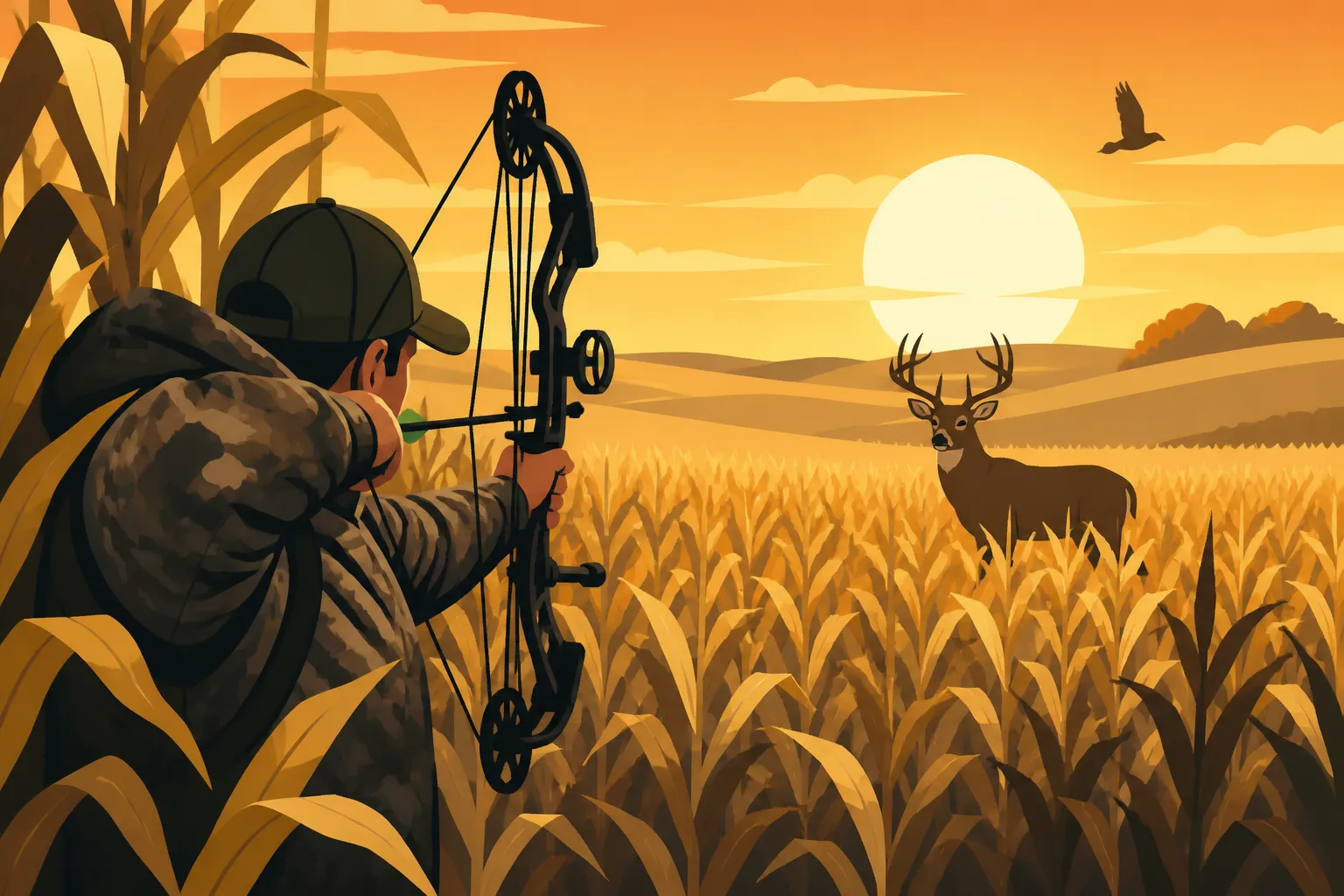
Hunting deer in a standing corn field in North Dakota often feels like stepping into a labyrinth where the prize is elusive, and the walls are literally made of food. It’s a profound challenge that frustrates even the most seasoned hunters, making you wonder if those whitetails just vanish into thin air. This guide is here to unravel the mysteries of hunting these golden fortresses, offering strategies and insights to help you navigate the tall stalks and, hopefully, fill your tag.
Why Standing Corn is a Deer Magnet and a Hunter's Headache
There’s no denying that standing corn is an absolute haven for deer, particularly whitetails. It’s a magnetic draw, and for good reason, but what makes it so appealing to them is precisely what makes it such a monumental headache for us hunters. Understanding this dynamic is the first step in figuring out how to approach these challenging fields.
The Ultimate Food and Cover Combo
Imagine a place that offers both an endless buffet and impenetrable shelter all in one package. That's a standing corn field to a deer. The corn itself provides a high-energy, readily available food source, crucial for packing on weight before the harsh North Dakota winter truly sets in. Deer will gorge themselves, especially in the weeks leading up to and during the rut, when they need all the calories they can get. It's not just the kernels; they’ll browse the leaves and stalks too.
Beyond the caloric benefits, the sheer density of a mature cornfield provides unparalleled cover. Visually, you can't see more than a few feet, which makes deer feel incredibly secure. This is especially true in open prairie country where natural timber or thick brush might be scarce. The tall stalks also offer fantastic thermal cover, shielding deer from biting winds and driving snow, allowing them to conserve energy during colder spells. They can bed down in the thickest parts of the field, completely out of sight and often out of mind, feeling virtually invulnerable. This dense environment also serves as a fantastic sanctuary from human pressure, often becoming a default safe zone when surrounding areas are disturbed.
The Hunter's Dilemma
While deer revel in this environment, hunters face a stark reality. The very things that attract deer—the dense cover and abundant food—are our biggest obstacles. Visibility is practically zero, making shot opportunities rare and often fleeting. Trying to still-hunt or stalk through dry corn is like trying to sneak through a field of potato chips; every step crunches and announces your presence. The noise is amplified in the quiet of a field, and deer, with their superior hearing, will be long gone before you ever get close.
Scent control becomes an even greater challenge. With minimal air movement within the dense rows, thermals can swirl unpredictably, carrying your scent directly to a bedded deer. It's a frustrating dance of trying to predict the unpredictable. Furthermore, once a deer is wounded inside a vast cornfield, tracking it can become a nightmare. The ground is often dry and hard-packed, making blood trails difficult to follow, and the dense cover can swallow a fallen animal whole. It's a mental game as much as a physical one, demanding patience, precise planning, and a deep understanding of deer behavior in this unique habitat.
Scouting Strategies for Standing Corn Fields
Before you ever set foot into a standing corn field with your bow or rifle, thorough scouting is absolutely non-negotiable. Trying to hunt these areas blind is a recipe for frustration. You need to gather as much intelligence as possible to turn the odds even slightly in your favor. This isn't just about finding deer; it's about understanding how they use the corn, and where they're most vulnerable.
Reading the Edges and Entry Points
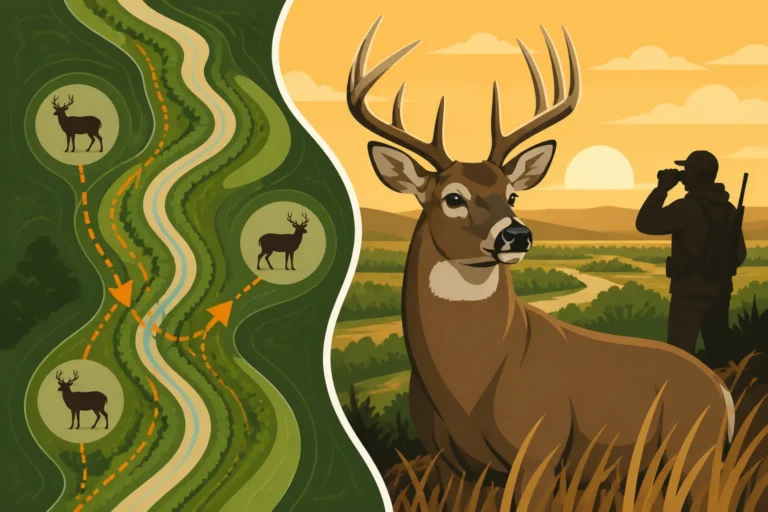
Deer rarely spend their entire lives deep within a cornfield. They have preferred entry and exit routes, often along natural funnels, drainages, or where the corn meets another habitat type like a shelterbelt, river bottom, or even a fenceline. These edges are your primary scouting grounds. Look for heavily worn trails, fresh tracks, and droppings. Pay close attention to corners or points where the field shape changes, as these often act as natural pinch points. Entry Routes Through Standing Sunflowers can offer similar insights into how deer navigate dense agricultural plots.
Utilize tools like aerial imagery through mapping apps such as GoHunt. This allows you to visually dissect the field from above, identifying subtle features you might miss on the ground. Look for darker patches within the field that might indicate lower spots where water collects, or even areas where the corn is thinner. These anomalies can be natural travel corridors or bedding areas. Also, note any adjacent cover, like small woodlots or creek beds, as these will almost certainly connect to the cornfield and funnel deer movement.
Trail Cameras and Advanced Mapping
Trail cameras are your eyes and ears when you can't be in the field. Placing cameras on established trails along the edges, at pinch points, or near any natural funnels will provide invaluable data on deer movement patterns, preferred times of travel, and even individual bucks. While it’s hard to place them deep inside a standing cornfield, focusing on the very perimeter will give you a good idea of what’s entering and leaving. Consider cameras that send photos to your phone, reducing disturbance.
Beyond simple cameras, advanced mapping features in platforms like GoHunt can layer topographic lines, property boundaries, and even historical harvest data, giving you a holistic view of the landscape. You can mark specific sign you find, plot wind directions, and even note potential bedding areas based on cover and proximity to food and water. This digital reconnaissance, combined with boots-on-the-ground validation, creates a powerful scouting advantage. For broader scouting across public lands, remember to use resources like the Scouting PLOTS Land With the ND Hunt App for North Dakota's expansive public access areas.
Post-Harvest Intelligence
Even after the combines roll through and harvest the corn, your scouting isn't over. In fact, post-harvest scouting can reveal crucial information that was hidden by the tall stalks. The flattened stubble fields will expose all those hidden trails, scrapes, and rubs that deer made within the cornfield. You'll see exactly where they were traveling, where they might have been bedding, and which sections of the field they favored. This information isn't just for late-season hunting; it's invaluable for planning your approach for next year. Reading North Dakota Mud for Fresh Deer Movement can be incredibly telling after a rain, even in a stubble field. Take photos, mark waypoints on your GPS, and truly understand the highways and bedrooms that were once concealed.
Effective Hunting Tactics in Standing Corn
Once you've done your homework scouting, it's time to put a plan into action. Hunting a standing cornfield demands very specific tactics, often requiring a blend of patience, stealth, and sometimes, a little controlled chaos. Forget walking through the middle of the field solo; that's rarely productive and often just pushes deer out.
Strategic Stand Placement
Since entering the dense corn is often counterproductive, your best bet is typically to set up on the edges. Look for areas where the cornfield bottlenecks, where it meets a wooded draw, a creek bed, or a fenceline that funnels deer movement. Positioning a tree stand or a well-brushed ground blind on these natural travel corridors, downwind of known entry/exit points, is key. Think about where deer might transition from the security of the corn to other food sources or bedding areas. Early morning and late evening often see deer moving along these edges, using the last rows of corn as a shield.
Consider a setup that allows for shots into the corn, even if it's just a few rows deep. Sometimes, a deer will stick its head out or offer a quartering-away shot just inside the cover. Ensure your shot lanes are clear, accounting for the height of the corn. A strategically placed Ground Blind on PLOTS Land can offer excellent concealment and scent protection when set up carefully along a field edge.
The Art of the Deer Drive
For those hunting in a group, a well-executed deer drive can be one of the most effective ways to extract deer from a standing cornfield. This isn't a chaotic free-for-all; it requires coordination, clear communication, and an emphasis on safety. Designate "drivers" to walk through the corn, pushing deer towards "posters" positioned along the field's downwind edges or escape routes. The key is for drivers to move slowly and deliberately, pausing occasionally, to encourage deer to walk out rather than burst out in a dead run.
Before any drive, everyone must know where others are positioned and clearly understand shooting lanes. Blaze orange is paramount for all participants. For insights into group hunting strategies, consider resources on Deer Drives With Three or Four Hunters. Remember, the goal is to make the deer feel slightly uncomfortable, not terrified, giving posters a better opportunity for a clean shot. This tactic is especially effective during colder weather when deer are less likely to leave thick cover.
Late-Season Considerations and Weapon Choice
As the season progresses and much of the corn is harvested, the remaining standing fields become even more critical havens for deer. These isolated pockets offer Late-Season Food Sources for North Dakota Whitetails and crucial cover after surrounding fields are bare. Hunting these last standing cornfields in late November or December can be incredibly productive, as deer will congregate there.
Regarding weapon choice, the dense nature of cornfields often means close-range encounters. A shotgun with slugs or a lever-action rifle can be very effective in these tight quarters, offering quick follow-up shots if needed. For archers, a well-placed ground blind can give you the edge needed for a shot, but patience and perfect wind are paramount. Always adhere to North Dakota's legal requirements for firearms, such as the Minimum Bullet Diameter for North Dakota Rifles. When tracking, if you do get a shot, even a faint Tracking a Deer in Fresh Prairie Snow can be a game-changer for recovery.
Safety and Regulations When Hunting Corn Fields
Hunting in standing corn fields presents unique safety challenges that hunters must be acutely aware of. Given the limited visibility and potential for group activities like drives, adhering to safety protocols and understanding regulations is not just important—it's absolutely critical.
Maximize Visibility and Situational Awareness
The number one rule when hunting in or around standing corn, especially during firearms season, is to wear plenty of blaze orange. North Dakota has specific North Dakota Blaze Orange Requirements that dictate how much hunter orange must be visible. This isn't just about legal compliance; it's about making yourself visible to other hunters, particularly if you are part of a hunting party or if another group is driving an adjacent field. You simply cannot see other hunters in thick corn, so your orange becomes your best defense.
Beyond wearing orange, maintaining constant situational awareness is vital. If you are participating in a drive, know the exact location of all drivers and posters. Communicate frequently, whether by radio or clear, pre-arranged signals. Never take a shot without being absolutely certain of your target and what lies beyond it. The dense corn can obscure not only deer but also people and even farm equipment. Always treat every sound as if it could be another hunter.
Respecting Property Boundaries and Retrieval
North Dakota's landscape is a mosaic of private and public lands, and often, cornfields stretch across these boundaries. It is absolutely imperative that you know where property lines lie, especially if you're on private land with permission. Using a mapping app like GoHunt to pinpoint your exact location relative to property lines is a non-negotiable step. Accidentally trespassing can lead to serious legal consequences and damage relationships with landowners. Understanding What Counts as Posted Land in North Dakota will help ensure you're always on legal ground.
The frustrating reality of hunting corn is that a wounded deer might cross onto neighboring private property where you do not have permission. North Dakota law, like many states, has provisions for Retrieving Game From Private Land in North Dakota, but it almost always requires landowner permission. Never assume you can cross a fence or boundary without explicit permission. Always carry a phone to call the landowner or, if necessary, the game warden for assistance. Being respectful and following the proper channels not only keeps you legal but also maintains good hunter-landowner relations, which are crucial for future hunting access in North Dakota.
General Hunter Education and Ethics
Even if you've been hunting for years, refreshing your knowledge on general hunter education principles is always a good idea, especially before tackling challenging environments like standing corn. Resources like North Dakota Hunter Education Requirements cover crucial topics like firearm safety, ethical shot placement, and game recovery, all of which are amplified in difficulty within a cornfield.
Ultimately, ethical hunting means doing everything in your power to make a clean kill and recover your animal. In a standing cornfield, this means taking only high-percentage shots, being intimately familiar with your equipment, and having a solid game plan for tracking and recovery. It’s tough, yes, but with the right mindset, preparation, and adherence to safety and regulations, hunting standing corn for deer can be one of the most rewarding challenges North Dakota has to offer.
Comparing Cornfield Hunting Tactics
To help visualize the different approaches to hunting standing corn, here's a quick comparison of tactics, highlighting their pros and cons.
| Tactic | Description | Pros | Cons | Best Use Case |
|---|---|---|---|---|
| Stand Hunting | Setting up a tree stand or ground blind on the edge of the cornfield. | Good visibility on edges; scent control if wind is right. | Limited view into dense corn; deer might stay deep inside. | Solo hunters; targeting deer moving to/from the field at dawn/dusk. |
| Deer Drives | Group of hunters (drivers) push deer towards waiting hunters (posters). | Highly effective for moving deer out of thick cover. | Requires multiple hunters; high safety risk; can be chaotic. | Group hunts (3+ people); forcing deer out of large fields. |
| Still-Hunting | Slowly, quietly moving through the corn, looking for deer. | Can surprise bedded deer; covers ground. | Extremely noisy; very limited visibility; high chance of being busted. | Very small fields; wet corn (less noisy); highly skilled, patient solo hunters. |
| Ambush/Pinch Pts | Setting up on natural funnels or narrow sections where deer are concentrated. | High probability of deer movement; predictable deer paths. | Requires extensive scouting; limited to specific terrain features. | Targeting specific travel corridors identified during scouting. |
| Post-Harvest Stalk | Hunting remaining unharvested pockets of corn or along fresh stubble. | Deer congregate in remaining cover; easier tracking on stubble. | Limited cover available; deer are highly concentrated and wary. | Late season; after main harvest; targeting the last safe spots. |
Disclaimer
Hunting is an inherently dangerous activity. This guide provides general information and recommendations, but it is crucial for every hunter to exercise caution, follow all local and state regulations, and prioritize safety. Always know your target and what lies beyond it. Obtain all necessary licenses and permits. Consult the North Dakota Game and Fish Department for the most current rules and regulations.