Hunting a Muzzleloader Unit After Gun Season Closes
The crisp autumn air eventually gives way to the bite of winter, and for many deer hunters in North Dakota, the closure of the general gun season marks the end of their pursuit. However, for a select group, the sound of the rifle going silent simply signals the beginning of a different, often more challenging, but incredibly rewarding hunting opportunity: pursuing deer with a muzzleloader in units where the season extends. This guide will help you understand how to navigate and succeed in these unique late-season hunts, leveraging the silence and solitude of a post-gun season landscape.
Understanding North Dakota's Muzzleloader Season Structure
It’s a common misconception that once the general firearm deer season wraps up, all deer hunting is over in North Dakota. While many units do close, certain specific units offer an extended muzzleloader season. This isn’t a blanket statewide rule; it’s a targeted approach by the North Dakota Game and Fish Department (NDGFD) to manage deer populations and provide additional hunting opportunities.
The Overlap and Extended Opportunities
The general gun deer season typically runs for a limited number of days, often concentrated in early to mid-November. But if you're holding a valid muzzleloader tag for one of the designated units, your season might stretch well into December, long after most hunters have packed up their rifles and headed home. This creates a completely different hunting environment. Suddenly, the woods aren't buzzing with activity and orange vests. The whitetails and mule deer that have been bumped and pushed for weeks start to settle into more predictable patterns, making them, in some ways, more accessible if you know how to adapt. This extended period, often running through much of December, gives patient hunters a real chance to connect with a deer that has survived the initial gun season pressure. It's a true test of grit and skill, especially as the weather often turns more severe.
Why Some Units Have Extended Muzzleloader Hunting
There are several strategic reasons why the NDGFD offers these extended muzzleloader seasons. Primarily, it's a tool for wildlife management. In units where deer populations are higher or where antlerless harvest is encouraged to balance the herd, an extended season provides more opportunities to meet harvest objectives. Additionally, it provides a unique recreational opportunity for hunters who specifically enjoy the challenge and historical aspect of muzzleloader hunting. It also acts as a pressure valve in some areas. For instance, in units dealing with Chronic Wasting Disease (CWD), extending the season allows for more harvest and sampling, which is crucial for monitoring and managing the disease. You can learn more about specific regulations in the article, Muzzleloader Deer Hunting in Select North Dakota Units. These units are carefully selected based on population data, habitat, and hunter success rates from previous seasons, ensuring that the extension serves both conservation goals and hunter satisfaction without over-harvesting.
Key Gear and Preparations for Late Muzzleloader Hunting
Late-season muzzleloader hunting demands a different kind of preparation than an early fall rifle hunt. The weather can be unforgiving, and the unique challenges of a muzzleloader require specific attention. You can’t just grab your regular deer rifle; you need to think about how your equipment performs when temperatures drop and moisture is a constant threat.
Muzzleloader Specifics for Cold Weather
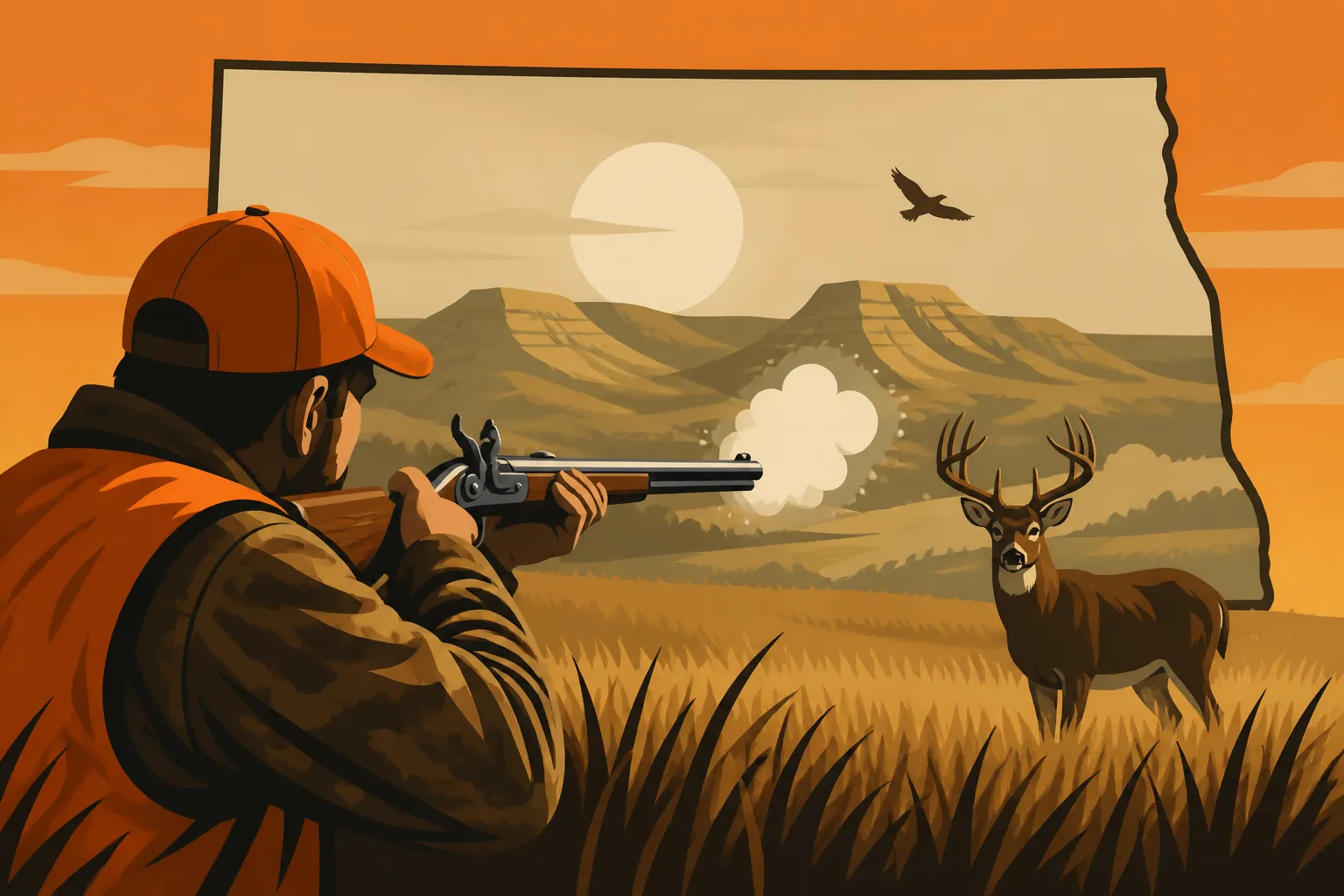
Your muzzleloader is your primary tool, and it needs to be ready for the cold. Black powder and its substitutes can be finicky in freezing temperatures. Consider using a hotter primer, like a 209 shotgun primer, which reliably ignites even in harsh conditions. When it comes to projectiles, saboted bullets are popular for their accuracy, but traditional conical bullets can also perform well. Practice shooting your specific setup in cold weather before the hunt. You’ll want to ensure your powder charge, projectile, and primer combination performs consistently when the mercury drops. Many hunters prefer a traditional percussion cap system in very cold, wet conditions, as the sealed cap can sometimes be more reliable than exposed primers in driving snow. Be sure to carry a reliable cleaning kit, as black powder fouls quickly, and a damp swab can freeze in your bore if not managed. Tools like those found on GoHunt can help you research the best cold-weather muzzleloader components.
Cold Weather and Visibility Gear
The late season in North Dakota often means snow, ice, and biting winds. Layering is not just a suggestion; it's a necessity. Start with a moisture-wicking base layer, add insulating layers like fleece or down, and top it off with a waterproof and windproof outer shell. Don't forget insulated boots with good traction, heavy-duty gloves or mittens, and a warm hat that covers your ears. Hand warmers and toe warmers are absolute game-changers, especially if you plan on a cold-weather sitting strategy on the prairie. Visibility is also crucial. While the general gun season's blaze orange requirements might be fresh in your mind, remember to confirm the specific blaze orange regulations for the muzzleloader season, as they can sometimes vary or remain in effect even when hunter numbers are lower. A good set of binoculars, preferably fog-proof, will be invaluable for glassing distant cover, especially when the landscape is covered in snow, making deer stand out.
Tactics for Success in Post-Gun Season Muzzleloader Units
After the initial gun season closes, the deer landscape changes dramatically. The animals are warier, and their patterns shift. Your tactics need to evolve to match these new conditions. This is where patience, observation, and understanding deer behavior become paramount.
Hunting Pressure and Deer Movement
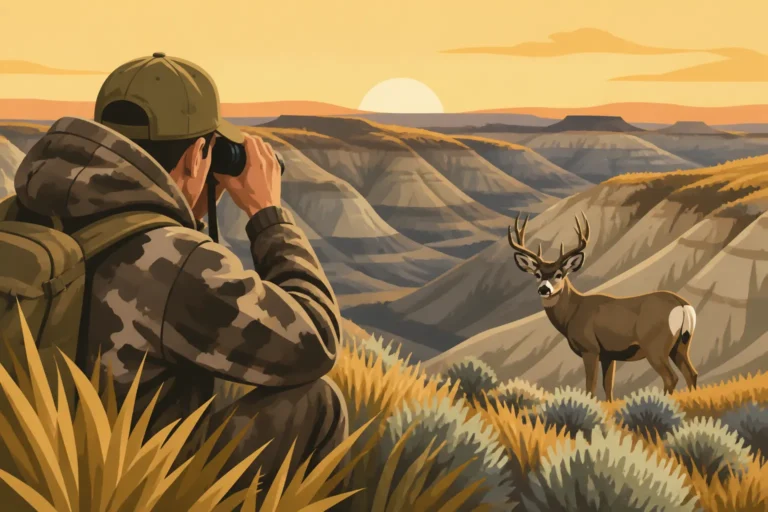
Deer that have survived the general gun season are inherently more cautious. They've been pushed, pursued, and likely heard a lot of gunfire. They will retreat to the thickest, most secluded cover they can find. This might be dense cattails in a slough, a deep coulee in the Badlands, a thick shelterbelt, or the dense undergrowth along a river bottom. The key is to think like a deer under pressure. They'll move less during daylight hours and often stick to thick escape routes when they do move. Instead of actively chasing them, focus on intercepting them between these bedding areas and late-season food sources. This often means very slow, deliberate still-hunting, or setting up for a long, cold sit overlooking a prime travel corridor. Understanding how deer react to intense pressure is vital, and you can gain more insight into this by reading about Hunting a Muzzleloader Unit After Gun Season Closes.
Tracking and Still-Hunting in Winter Conditions
One of the significant advantages of hunting after a snowfall is the ability to track. Fresh snow tells a story, revealing deer movement, size, and direction. Learning to read these tracks is an art form. Look for deer traveling from dense bedding areas towards feeding grounds. Pay attention to how deer move through various terrains – they'll often follow the path of least resistance or utilize cover to their advantage. When still-hunting, move incredibly slowly, pausing often to scan ahead, listening for the crunch of snow or the subtle flick of an ear. The vast, open nature of North Dakota's terrain means visibility can be excellent, but also makes it easier for deer to spot you. Utilize topography, sparse timber, and brush lines to break up your silhouette. If you find a fresh, large track headed into thick cover, a slow, methodical approach could put you in position for a shot.
Leveraging Late-Season Food and Cover
As winter truly sets in, food sources become scarce, and deer prioritize calorie intake and thermal cover. This is your biggest advantage. Focus your scouting on areas with standing agricultural crops like corn or beans, winter wheat fields, or even oak stands that might still hold acorns. These become critical late-season food sources for North Dakota whitetails. Deer will travel significant distances from their bedding areas to access these resources, especially during the low-light hours of dawn and dusk. Simultaneously, identify the best thermal cover. This includes south-facing slopes that catch more sun, dense conifer stands, thick river bottom timber, or even deep, brushy coulees that offer protection from the wind. Combine food and cover knowledge. For example, a standing corn field adjacent to a thick shelterbelt offers both sustenance and security. This is often where you'll find deer concentrated. For deeper insights into this tactic, consider reading about Hunting a Standing Corn Field for Deer or Late-Season Food Sources for North Dakota Whitetails.
Navigating Regulations and Public Land Access
Hunting in North Dakota, especially after the main gun season, requires a keen understanding of the rules and where you can legally hunt. Don't assume anything; always double-check the current regulations for your specific unit and license type.
Checking Unit-Specific Muzzleloader Dates
This cannot be stressed enough: always verify the exact opening and closing dates for the muzzleloader season in the specific unit you hold a tag for. The North Dakota Game and Fish Department publishes a detailed annual proclamation that outlines these dates. A unit that had a general gun season might not have an extended muzzleloader season, or the dates could vary significantly from one unit to another. Relying on outdated information or assumptions can lead to serious legal trouble. You can typically find this information on the NDGFD website or through their official app. Knowing the precise dates is the first step to successful and legal hunting.
Public Land Access After Gun Season
North Dakota offers a significant amount of public hunting land, including PLOTS (Private Land Open To Sportsmen) areas, Wildlife Management Areas (WMAs), and National Grasslands. The good news is that after the general gun season, the pressure on these public lands often decreases dramatically. This can provide a more tranquil and productive hunting experience for muzzleloader hunters. The PLOTS program is particularly valuable; these are private lands leased by the state for public hunting, marked with distinctive yellow signs. While all hunters can use them, the decreased pressure post-gun season means you might have larger tracts to yourself. You can utilize resources like the ND Hunt App to identify PLOTS areas, WMAs, and other public land parcels. The GoHunt app also offers excellent mapping tools to show property boundaries and public land designations, helping you plan your approach and avoid trespassing. Remember to always respect posted boundaries and observe any specific rules for the type of public land you are hunting, such as vehicle restrictions or rules regarding temporary blinds. For more on navigating public access, see Using the PLOTS App Without Cell Service.
Comparative Characteristics: General Gun vs. Extended Muzzleloader Seasons
To better illustrate the differences and unique aspects of hunting during an extended muzzleloader season, let's look at a comparative table. This highlights why your approach needs to change once the general gun season closes.
| Characteristic | General Gun Season (Typically November) | Extended Muzzleloader Season (Typically December) |
|---|---|---|
| Duration | ~17-21 days, fixed statewide | ~2-4 weeks, unit-specific |
| Hunter Pressure | High, especially opening weekend | Significantly lower, often solitary |
| Weapon Type | Rifles, shotguns, handguns, muzzleloaders | Muzzleloaders only |
| Deer Behavior | Highly pressured, erratic, nocturnal | Settling, focused on food/cover, still wary |
| Weather | Mild to cold, some snow | Often severe cold, deep snow, high winds |
| Visibility | Variable, depends on foliage/snow | Often high due to snow, low sun angles |
| Focus | Driving, still-hunting, stand hunting | Still-hunting, tracking, cold sits near food/cover |
| Challenges | Hunter density, deer unpredictability | Extreme weather, muzzleloader reliability |
This table clearly shows that the extended muzzleloader season is a distinct animal, requiring different skills and a tougher mindset than the earlier general firearm season.
Disclaimer
The information provided in this guide is for general informational purposes only and does not constitute legal advice. Hunting regulations, season dates, and unit boundaries can change frequently. It is the hunter's sole responsibility to consult the official North Dakota Game and Fish Department (NDGFD) hunting proclamations, maps, and regulations for the most current and accurate information before engaging in any hunting activities. Always ensure you have the appropriate licenses and adhere to all local, state, and federal laws.