Hunting Deer After a Cold Front
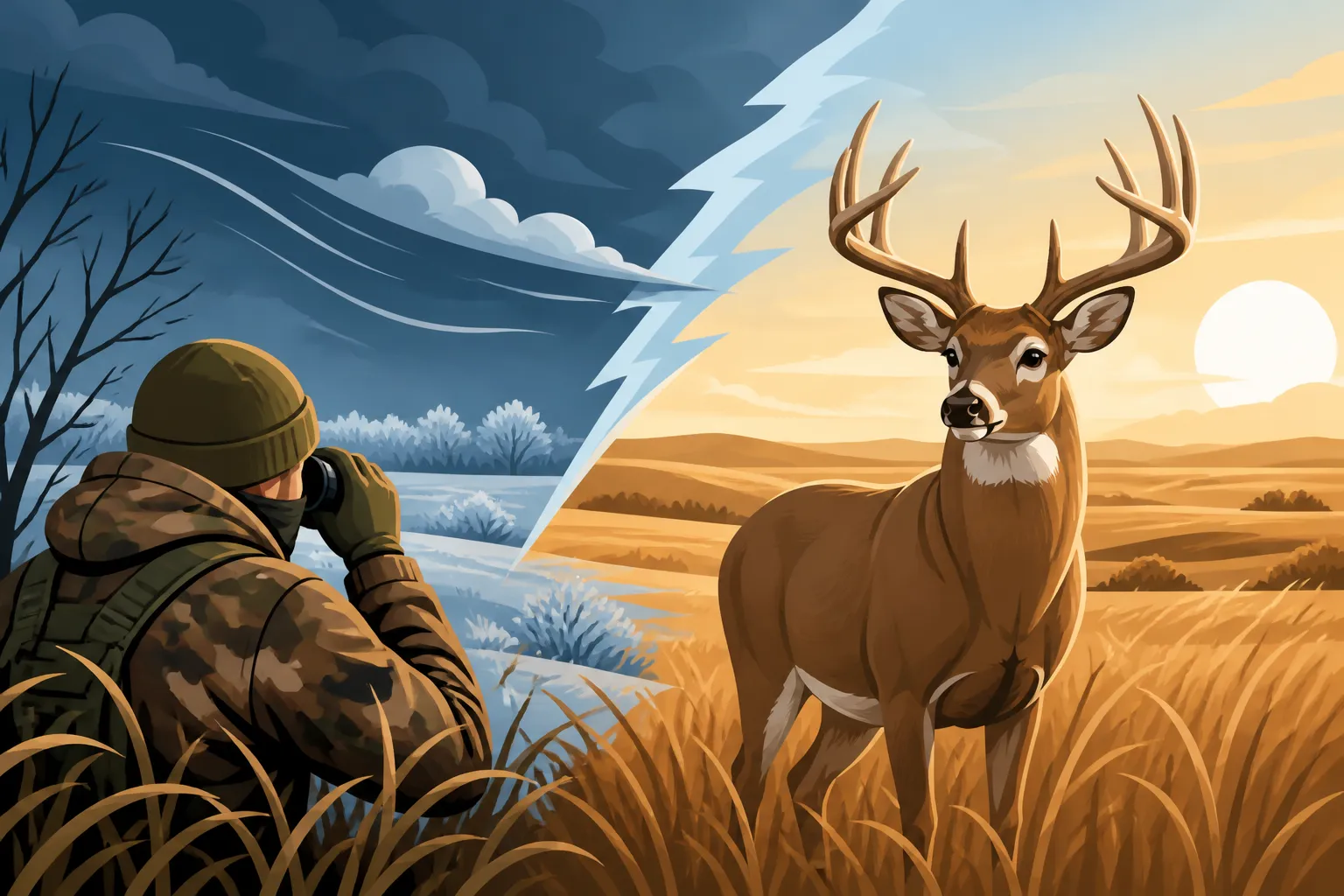
There’s nothing quite as frustrating as waking up after a beautiful, crisp fall morning turns into a brutal cold front, only to find the deer sign you were seeing has vanished. One day they're moving, the next it feels like the prairie has swallowed them whole. It's a common dilemma for hunters across North Dakota: how do you adapt your strategies when a sudden dip in temperature completely changes the game? This guide is dedicated to dissecting deer behavior after a cold front rolls through and equipping you with the tactics you need to stay successful, even when the thermometer plummets.
Understanding Deer Behavior During a Cold Front
When a cold front hits North Dakota, it's not just a minor inconvenience; it's a profound shift in the deer's world. Their survival instincts kick into overdrive, dictating every move they make. Ignoring these changes means you'll be hunting empty woods and fields.
The Immediate Impact of Temperature Drops
Deer are creatures of habit, but those habits are heavily influenced by weather. Before a significant cold front arrives, especially one bringing with it a sharp drop in temperature and possibly precipitation, you'll often see a surge in deer activity. This is their biological clock telling them to fuel up. They know conditions are about to get tough, so they'll hit food sources hard, often in daylight, to pack on calories. If you can hunt the day before a major front, that's often prime time.
Once the front actually hits, particularly if it's accompanied by strong winds or heavy snow, deer tend to hunker down. Think about it: would you want to be out in a howling blizzard, or tucked away in the warmest, most sheltered spot you can find? Deer are no different. They prioritize conserving energy and minimizing exposure. This doesn't mean they stop moving entirely, but their movements become much more purposeful and often limited to periods of lower wind or brief windows of daylight. They become experts at using topography, thick cover, and even man-made structures like old farmsteads or shelterbelts to block the wind and retain body heat.
Food Sources and Survival Instincts
After a cold front, especially one that brings snow, preferred food sources can become harder to access or less appealing. Deer will shift their focus dramatically from varied browse to high-energy options. Standing corn, soybean fields, and even forgotten patches of alfalfa become incredibly attractive. They need every calorie they can get to generate heat and simply survive. This is where hunters can really capitalize. Instead of looking for random trails in the woods, focus your scouting on those high-calorie food sources. Knowing what Late-Season Food Sources for North Dakota Whitetails are available can make or break your hunt. Deer will often bed very close to these food sources, minimizing their travel distance in harsh conditions. They're not looking for a scenic stroll; they're looking for efficiency.
Their survival instinct also means they'll be highly attuned to predators, including hunters. Movement will often be slower, more deliberate, and they'll stick to heavy cover as much as possible, only breaking out into the open when absolutely necessary, often during low light or when pressure is minimal.
How Precipitation Affects Movement
The type of precipitation a cold front brings plays a huge role in how deer react. Light, dusting snow can actually improve visibility for hunters and make tracking easier, offering unique opportunities like Tracking a Deer in Fresh Prairie Snow. However, a heavy, driving snowstorm will typically send deer straight into the thickest cover available, where they'll stay put until the worst passes. Rain, especially freezing rain, can be particularly miserable for deer. It soaks their insulating hair, making them lose body heat rapidly. They'll seek shelter under evergreens, in dense willow thickets along river bottoms, or in the lee side of hills and coulees to avoid the icy downpour.
Conversely, a fresh blanket of snow after the front has passed can be a gift. It quiets the woods, makes deer visible against the white backdrop, and provides a perfect canvas for fresh tracks. However, if the snow crusts over and becomes noisy, deer movement might again be suppressed, as every step they take sounds like a gunshot to them, making them feel vulnerable.
Strategic Adjustments for Cold Front Hunting
Hunting effectively after a cold front demands more than just grit; it requires a complete overhaul of your typical tactics. You need to think like a deer, anticipating their needs and vulnerabilities in the face of harsh conditions.
Timing Your Hunts for Peak Activity
Forget those early morning and late evening hunts that usually dominate your strategy. After a cold front, especially one with significant temperature drops and wind, deer often become more active during the warmest parts of the day. As the sun rises higher, the air temperature might climb a few degrees, and the wind could die down slightly. This short window, typically from late morning through mid-afternoon, is when deer are most likely to get up, stretch, and move towards a food source or shift bedding locations. Don't be afraid to sleep in a little and hit the woods around 9 or 10 AM, staying out until 2 or 3 PM. This is often when you’ll catch them on their feet, moving between their secure thermal cover and a crucial calorie source.
Another key timing consideration is the stability after the front. The day after the initial bitter cold and wind has passed, even if it's still cold, can be fantastic. The deer have had a day or two to recover, and if temperatures moderate even slightly, they’ll be more willing to move. This is when a Cold-Weather Sitting Strategy on the Prairie can really pay off, allowing you to intercept deer that are finally getting back to their routines, albeit a modified one.
Scouting and Locating Post-Front Bedding and Feeding Areas
Your usual scouting spots might be less productive after a cold front. Deer will shift to areas that offer maximum thermal protection and easy access to high-energy food. This means focusing your efforts on dense coniferous cover, thick riparian zones along rivers, deep coulees, and the sunny, leeward sides of hills or shelterbelts. These spots offer a break from the wind and often hold snow cover that insulates the ground. When you're out, look for fresh tracks entering and exiting these areas, paying close attention to trails that lead directly to standing grain fields or other calorie-rich forage. Using mapping tools like those from GoHunt can be incredibly helpful here. You can identify potential thermal cover, analyze topography to predict wind breaks, and pinpoint isolated food sources that might be overlooked by other hunters. Scouting these areas, even quickly, can give you the edge you need.
It's also crucial to identify bottlenecks or pinch points between these bedding areas and food sources. A narrow strip of timber, a fence line, or a dip in the terrain can funnel deer movement, making your ambush spot much more effective. Deer will take the path of least resistance and greatest security in harsh weather, and these funnels often offer both.
Adapting Your Approach to Wind and Thermals
North Dakota’s open landscapes mean wind is almost always a factor, and it becomes even more critical after a cold front. Deer rely heavily on their sense of smell, so playing the wind is paramount. When it's bitter cold, deer will try to bed with the wind at their back, facing downwind, or quartering into the wind, allowing them to smell anything approaching from behind and see anything coming from the front. This is a classic survival strategy.
Your approach needs to factor this in. If you’re hunting a shelterbelt or river bottom, consider how the wind swirls and eddies. In hilly or broken terrain, understanding Wind and Thermals in Badlands Terrain becomes critical, even outside the badlands, as the same principles apply. Cold air sinks, warm air rises. As the sun warms the ground mid-day, thermals will often rise, creating unpredictable wind currents. In the evening, as the air cools, thermals will fall, carrying your scent down into valleys. Always try to approach from a direction that keeps your scent blowing away from where you expect deer to be. A constantly shifting wind might require a mobile strategy, moving with the wind to stay undetected.
Essential Gear and Tactics for Success
Hunting after a cold front isn't for the faint of heart, but with the right gear and well-executed tactics, it can be one of the most rewarding times to be in the field. The deer are focused on survival, which can make their movements more predictable.
Staying Warm and Concealed
This cannot be stressed enough: if you're not warm, you're not focused, and if you're not focused, you're not hunting effectively. Layering is king. Start with a good base layer that wicks moisture away, add insulating mid-layers like fleece or down, and top it with a windproof and waterproof outer shell. Don't forget your extremities – insulated boots, hand warmers, a thick beanie, and a face mask are non-negotiable. Sitting still in sub-zero temperatures requires serious thought about your body's heat retention.
For concealment, after a cold front brings snow, you might need to adapt your camo. While North Dakota's natural prairie colors are often muted, a fresh blanket of snow might call for more white or snow-patterned gear, especially if you're using a ground blind or stalking. Remember, deer are on high alert, and any unnatural silhouette or movement will send them packing. Consider a ground blind for a Brushing In a Blind on a Field Edge approach, as it helps break up your outline and offers some protection from the wind.
Utilizing Scents and Calls Effectively
Deer after a cold front are often more wary and less tolerant of aggressive calls. Instead of loud rattling or aggressive grunts, opt for subtle, softer vocalizations. A quiet doe bleat or a short, conservative grunt call can pique a deer's curiosity without alarming them. Remember, deer are conserving energy, so they're less likely to come crashing into a full-blown rattling sequence. However, if the rut is still somewhat active during an early season cold snap, a few soft Grunt Calls in River Bottom Timber might still draw in a curious buck looking for a late-season doe.
When it comes to scents, think about covering your human odor first and foremost. Scent eliminators, scent-free laundry detergent for your hunting clothes, and careful handling of gear are crucial. As for attractant scents, a well-placed doe-in-estrus scent might still work if the secondary rut is kicking in, but fresh deer urine or interdigital gland scents mimicking deer passing through can be effective curiosity lures without being too aggressive. Just be mindful of freezing temperatures; some liquid scents can freeze solid, rendering them useless.
Tracking and Recovery in Cold Conditions
One of the undeniable benefits of a cold front, especially one that leaves fresh snow, is the opportunity for tracking. Deer tracks stand out vividly, and a steady snowfall can help you determine how fresh the tracks are. If you make a shot, the fresh snow also makes blood trailing significantly easier. Even if there's no snow, frozen ground can sometimes hold impressions of hoof prints better than soft dirt. Be meticulous in your tracking, marking the last blood or track, and moving slowly. Deer shot in cold weather may not bleed as profusely due to vasoconstriction, so pay attention to subtle signs like disturbed snow, broken twigs, or hair.
However, be prepared for a longer recovery. Deer hit poorly in cold weather can travel a long way before expiring, driven by adrenaline and the sheer will to survive the elements. If a deer beds down after a shot, give it ample time, even longer than usual, before pressing in. Pushing a wounded deer in bitter cold is a recipe for losing it. Knowing how to methodically Blood Trailing After Dark in North Dakota could be critical if the recovery pushes into the evening. Once recovered, field dressing quickly is important to prevent the meat from freezing solid before you can get it processed.
Real-World Scenarios for North Dakota Cold Fronts
North Dakota's diverse landscapes present different challenges and opportunities when a cold front descends. Understanding how deer utilize specific terrain features is key to adapting your strategy.
Hunting River Bottoms and Shelterbelts
North Dakota's major river systems, like the Missouri River and its tributaries, and smaller rivers like the James and Souris, offer fantastic thermal cover that deer flock to during cold fronts. The dense timber, thick brush, and often steep banks create microclimates that are significantly warmer and less windy than the open prairie. Deer will often bed on the leeward sides of bluffs or in the thickest willow and cottonwood stands within the river bottoms. Learning to effectively read a Reading a Missouri River Bottom for Deer can reveal hidden travel corridors and bedding areas. They'll also use these areas to travel securely from one food source to another, especially if agricultural fields are adjacent to the river. Your strategy here should focus on still-hunting slowly through these thickets during midday, or setting up a stand or ground blind on trails leading into and out of these areas, particularly near river bends or pinch points.
Similarly, shelterbelts, those linear plantings of trees found throughout the agricultural landscape, become magnets for deer after a cold front. They offer crucial windbreaks and thermal cover in otherwise exposed country. Deer will often bed down inside the densest parts of shelterbelts, especially where rows of conifers provide extra protection. Hunting a Shelterbelt Edge for Deer can be highly productive, but you need to be mindful of your entrance and exit to avoid spooking deer. Set up on the downwind side, or along trails that funnel deer along the edge, catching them as they move from the shelter to a nearby corn or soybean field.
Tactics for Open Prairie and Pothole Regions
The vast, open prairie and pothole regions of North Dakota present a different kind of challenge. Without extensive timber, deer rely on subtle terrain features for shelter. During a cold front, they'll seek out coulees, draws, deep cattail sloughs, and patches of thick, undisturbed CRP grass. Even a slight dip in elevation can offer significant protection from biting winds. When Hunting a North Dakota Prairie Pothole Slough Edge, you might find deer bedded on the downwind side of the cattails, taking advantage of the insulation. These areas are often adjacent to standing stubble fields, which become valuable food sources.
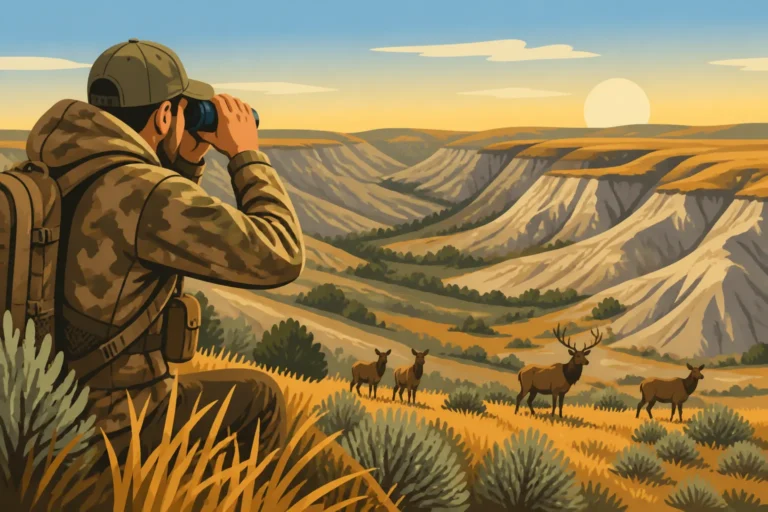
For open country, glassing becomes your most potent tool. Use high-quality binoculars or a spotting scope to scan distant coulees and draws for bedded deer. They might be incredibly difficult to spot, blending into the muted winter landscape. Once spotted, a strategic stalk, often using the terrain to your advantage to stay out of sight and downwind, is necessary. Mobility is key here. Don't be afraid to cover ground, using your vehicle (where legal) to quickly access different vantage points, then putting in the boot leather to investigate promising cover. Targeting high-calorie food sources like Hunting a Standing Corn Field for Deer is also crucial, as deer will brave the open more readily for vital nutrition.
Disclaimer
Hunting is an inherently dangerous activity. This guide provides general information and recommendations. Always consult the official North Dakota Game and Fish Department regulations for the most current and specific rules and laws. Adhere to all safety guidelines, ethical hunting practices, and local land access regulations. The author and publisher are not responsible for any accidents, injuries, or legal issues that may arise from hunting activities.