Why Spring Turkey Stays Resident-Only
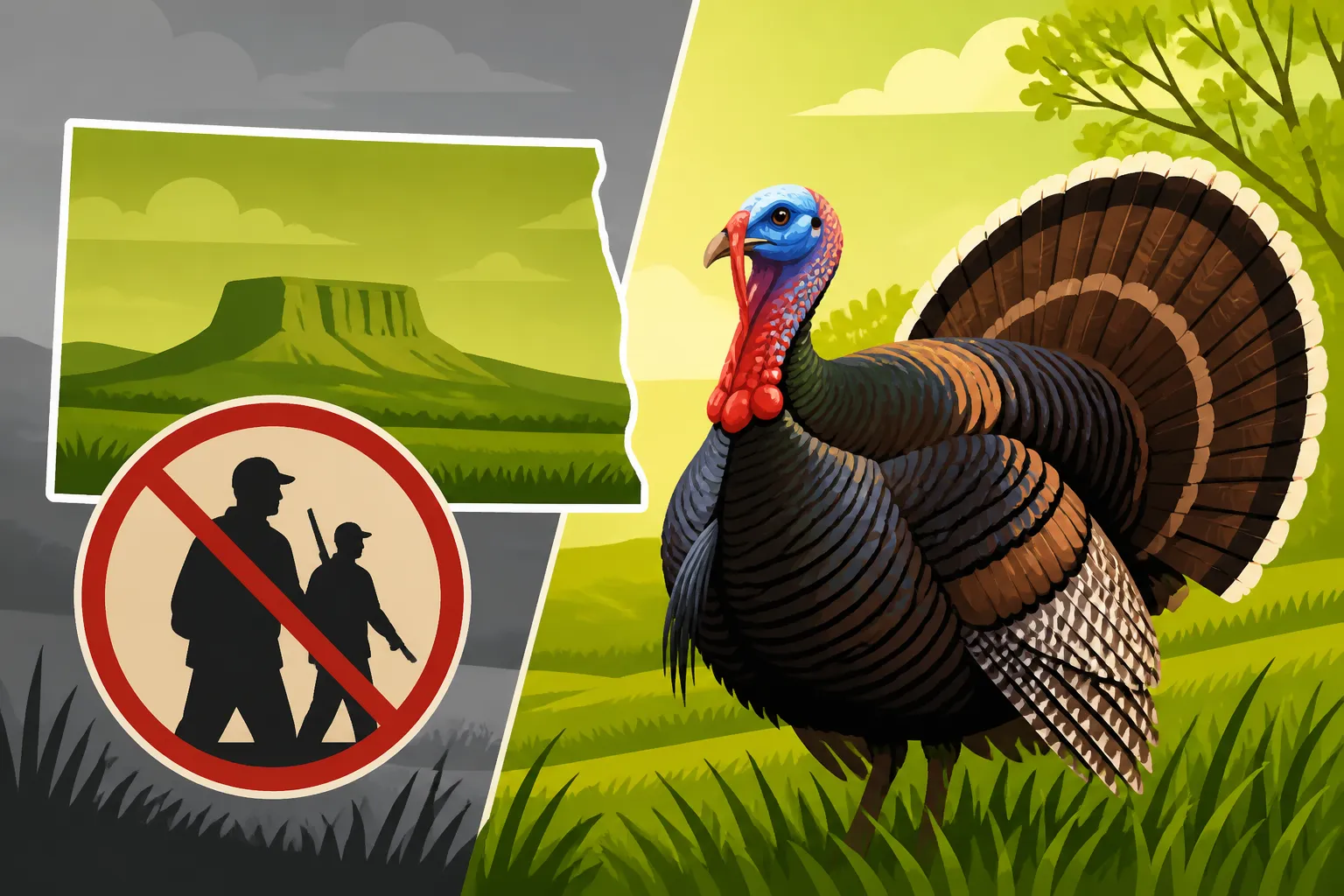
It’s a familiar sting for many nonresident hunters: you’ve got spring turkey fever, visions of strutting gobblers filling your dreams, and you set your sights on North Dakota’s vast, beautiful prairies. Then, you hit the brick wall – North Dakota’s spring turkey season is strictly resident-only. This regulation can be incredibly frustrating for those of us who travel to hunt, eager to experience the state’s unique landscapes and wildlife. This guide will dive deep into why this policy exists, what it means for your hunting plans, and what viable alternatives you might consider to still enjoy turkey hunting in the Roughrider State.
Understanding the Resident-Only Spring Turkey Policy
When you first discover that North Dakota's spring turkey season is off-limits to nonresidents, it can feel like a personal slight. You might wonder why a state with seemingly abundant wildlife would put such a restriction in place. The truth, however, lies in a carefully considered approach to wildlife management, conservation history, and prioritizing opportunities for the state's residents. It’s a policy rooted in the long-term health of the turkey population and a commitment to those who call North Dakota home.
The History of Turkey Restoration and Conservation
North Dakota wasn't always a turkey hunting destination. In fact, wild turkeys were completely extirpated from the state by the early 1900s due to habitat loss and unregulated hunting. It wasn't until the 1950s and 60s that the North Dakota Game and Fish Department (NDGFD), along with local conservation groups and dedicated residents, began an ambitious reintroduction program. This involved trapping wild turkeys from states like South Dakota and Nebraska and relocating them to suitable habitats within North Dakota, primarily in the timbered river bottoms and rugged badlands.
This program was a huge success, leading to the thriving populations we see today. However, this success didn't come overnight, nor was it without significant investment from the state's residents through license fees and conservation efforts. Because of this history, the NDGFD maintains a conservative approach to managing the turkey population, especially during the crucial spring breeding season. The spring hunt, in particular, targets gobblers, but its timing coincides with the peak of breeding activity, making careful management essential to ensure sustainable reproduction. Prioritizing residents for this season is a way to ensure that the core population remains healthy and robust for generations to come, as those residents have been the primary stakeholders in the species' return. You can learn more about How Turkeys Were Restored to North Dakota and their journey back to the landscape.
Prioritizing Resident Hunting Opportunity
Beyond conservation, the resident-only policy for spring turkey is a direct reflection of the NDGFD's mandate to provide ample hunting opportunities for its own citizens. North Dakota's overall turkey population, while healthy, isn't as vast or widespread as in some other states. This means that spring turkey tags are often limited, especially in popular units. When you have a finite resource, the state typically prioritizes its residents, who contribute directly to the state's wildlife management through their taxes and license purchases year-round.
This isn't unique to spring turkeys. North Dakota also reserves its highly coveted big game tags for species like elk, moose, and bighorn sheep exclusively for residents, acknowledging that these are once-in-a-lifetime opportunities that should be primarily for those who live in the state. If you’re curious about these other restricted hunts, you can look into Why Elk, Moose and Pronghorn Stay Resident-Only. The spring turkey season falls into a similar category of high-demand, limited-opportunity hunts where resident preference is deemed paramount. It’s about ensuring that the residents who enjoy turkey hunting year after year have a consistent and fair chance at drawing a tag without increased competition from out-of-state hunters.
The Frustration of Nonresidents and Exploring Alternatives
For nonresidents passionate about spring turkey hunting, this policy can be a real punch to the gut. I've been there, staring at regulation books, excited about a new hunting experience, only to find a bold "Residents Only" next to my desired season. It definitely makes you feel excluded, especially when you’re eager to explore new territories and chase gobblers in a new environment. However, understanding the why behind the rule can help reframe your approach and open your eyes to other excellent opportunities within North Dakota.
What the Resident-Only Rule Means for Your Spring Hunt
Practically speaking, if you’re a nonresident, you simply cannot apply for or purchase a spring turkey license in North Dakota. There are no exceptions, no special permits, and no nonresident quota. This means that if spring turkey hunting in North Dakota is on your bucket list, you'll need to either establish residency (which is a significant life change!) or redirect your efforts to other states that offer nonresident spring turkey opportunities.
It's a firm line in the sand, and while it might feel discouraging, it's consistent. The state invests heavily in maintaining its wildlife, and a portion of that is ensuring its residents have first crack at certain seasons. When you're planning any hunting trip, checking these specific state-by-state regulations, perhaps using a detailed resource like GoHunt, is absolutely critical. It helps manage expectations and directs your planning efficiently, so you don't run into these kinds of surprises last minute.
North Dakota's Fall Turkey Season: A Nonresident Opportunity
While spring turkey might be off-limits, don't write off North Dakota entirely for turkey hunting! The state offers a fantastic fall turkey season that is very much open to nonresidents. This is a crucial distinction and a great alternative for those looking to experience North Dakota's turkey woods. Fall turkey hunting offers a different challenge, focusing more on breaking up flocks and calling birds back in, often with less competition than the spring.
Fall turkey tags are generally more available, and the season typically runs from mid-September through early January, providing a much wider window for hunting. Many nonresidents find this an excellent way to combine a turkey hunt with other fall hunting pursuits, like deer or upland birds. Exploring North Dakota Fall Turkey Season Rules will give you all the details on dates, units, and licensing. This is where a tool like GoHunt can be incredibly helpful, allowing you to compare regulations and opportunities side-by-side with other states or even different seasons within North Dakota.
| Season Type | Eligibility | Tag Availability | Hunting Style (Typical) | Nonresident Access |
|---|---|---|---|---|
| Spring Turkey | Resident Only | Limited, Lottery-based | Calling strutting gobblers | No |
| Fall Turkey | Resident & Nonresident | Generally more available | Breaking up flocks, calling in | Yes |
Other North Dakota Hunting Adventures for Nonresidents
If spring turkey isn't an option, North Dakota still boasts an incredible array of hunting experiences for nonresidents. Don't let one restriction overshadow the myriad of other adventures waiting for you. The state is renowned for its pheasant hunting, with expansive CRP and PLOTS lands, and some of the best waterfowl hunting in the country across its prairie potholes.
You might consider planning a trip for Pheasant Hunting North Dakota's Prairie or experiencing Duck and Goose Hunting North Dakota's Potholes. The state also offers nonresident deer archery tags, allowing for opportunities to chase whitetails or even mule deer in the Badlands. For those considering a general hunting trip to the state, understanding North Dakota Nonresident License Options is your first step. Even if your initial dream was spring turkey, a little research into other species or the fall turkey season can reveal an equally rewarding and accessible North Dakota hunting experience.
The North Dakota Game and Fish Department's Management Vision
It’s easy for us as hunters to feel the immediate impact of a regulation, but behind every rule is a complex tapestry of scientific data, public input, and a long-term vision for the species and the state's hunting heritage. The North Dakota Game and Fish Department's decisions regarding turkey seasons are no different, stemming from a commitment to responsible wildlife stewardship.
Population Trends and Tag Allocation
The NDGFD constantly monitors the North Dakota Turkey Population Trends through various surveys, including brood counts and hunter harvest reports. These data points are critical for determining the health of the population and the number of tags that can be issued each year without negatively impacting future breeding success. Because turkey populations can fluctuate due to severe winters, habitat changes, or disease, the department often leans towards conservative management to ensure stability.
In North Dakota, suitable turkey habitat is somewhat localized, primarily along river corridors and in the wooded draws of the Badlands and Pembina Hills. This naturally limits the overall carrying capacity for turkeys compared to states with more expansive timberlands. Therefore, the number of tags available, even for residents, is carefully controlled through a lottery system for most units. If the number of tags is already limited for residents, opening it up to nonresidents would dilute the opportunity significantly for everyone, often leading to very low draw odds and a diminished experience. The department's priority is to maximize success rates and provide a quality hunting experience for its resident hunters within these population constraints.
Balancing Opportunity and Sustainability
The overarching goal for the NDGFD is to strike a balance between providing robust hunting opportunities and ensuring the long-term sustainability of the wildlife resource. For spring turkey, this balance currently tips towards resident preference as a means of managing pressure on a species that was successfully reintroduced with significant state and local investment. The spring season, with its focus on breeding-age gobblers, requires a more cautious approach than the fall season, where harvesting birds typically has less impact on overall population dynamics.
By keeping spring turkey resident-only, the department can more easily manage hunter numbers, monitor harvest rates, and respond to population changes without the added complexity of nonresident demand. This approach allows them to fine-tune unit-specific tag allocations based on localized population health, ensuring that hunting pressure doesn't compromise the future of the flock. It's a pragmatic decision aimed at safeguarding the resource while still offering a cherished hunting tradition to those who live there.
Seeking Alternatives and Special Circumstances
Just because the general North Dakota spring turkey season is resident-only doesn't mean your plans are entirely dashed for the year or that there aren't other unique avenues to explore. Flexibility is key when hunting, and North Dakota offers a couple of interesting considerations for nonresidents looking for turkey action.
The Standing Rock Nation's Separate Turkey Tags
One truly unique and often overlooked opportunity for nonresidents is hunting on the Standing Rock Sioux Reservation. The Standing Rock Nation manages its own hunting seasons and issues its own licenses, which are separate from the North Dakota Game and Fish Department's regulations. Importantly, the Standing Rock Nation does offer spring turkey tags for nonresidents, making it a distinct possibility for those looking to experience North Dakota turkeys in the spring.
However, hunting on tribal lands comes with its own set of regulations and requirements, and it's essential to understand and respect these. You would need to purchase a separate tribal hunting license and follow their specific season dates and bag limits. This can be an incredibly rewarding experience, offering a chance to hunt in unique habitats and support tribal wildlife management. If this piques your interest, definitely look into The Standing Rock Nation's Separate Turkey Tags for detailed information on how to acquire them and what to expect. This is an example of where careful research, perhaps aided by the detailed state and regional breakdowns found on GoHunt, can uncover a viable path forward that isn't immediately obvious in the general state regulations.
Planning a Fall Turkey Hunt
As mentioned earlier, the fall turkey season remains your most straightforward nonresident option for turkey hunting in North Dakota. This is often an over-the-counter license situation, meaning tags are readily available, removing the stress of a lottery draw. While it's a different style of hunting than the spring, fall turkey can be incredibly exciting, especially when you master breaking up flocks and calling in scattered birds.
Many hunters prefer the fall season for its relaxed atmosphere, the challenge of different tactics, and the opportunity to spend more time afield. It also allows you to enjoy the beautiful North Dakota autumn. If you're dead set on a North Dakota turkey, pivoting to a fall trip is a highly recommended and accessible plan. For more specific tactics, consider researching guides like Calling a Fall Gobbler Flock to prepare yourself. This flexibility allows you to still achieve your goal of hunting turkeys in North Dakota, even if it's not the traditional spring gobbler hunt you initially envisioned.
Exploring Spring Turkey in Other States
If spring turkey hunting is truly your priority and North Dakota's resident-only rule is a deal-breaker, then your best bet is to look to neighboring states or other regions known for robust nonresident spring turkey opportunities. States like South Dakota, Nebraska, and Montana often have nonresident spring turkey tags available, though regulations and draw odds vary greatly.
This is where a comprehensive hunting resource like GoHunt really shines. You can use it to research draw odds, application dates, and license costs across multiple states, making an informed decision on where to focus your efforts. Each state has its own quirks and appeal, and while North Dakota's spring season might be out of reach, there's a whole world of spring turkey hunting awaiting you elsewhere. Don't be afraid to broaden your horizons and explore what other states have to offer.
Disclaimer
Please remember that hunting regulations and seasons can change. Always consult the most current North Dakota Game and Fish Department regulations and tribal regulations (for Standing Rock Nation) before planning your hunt. This guide is for informational purposes only and does not supersede official government documentation.