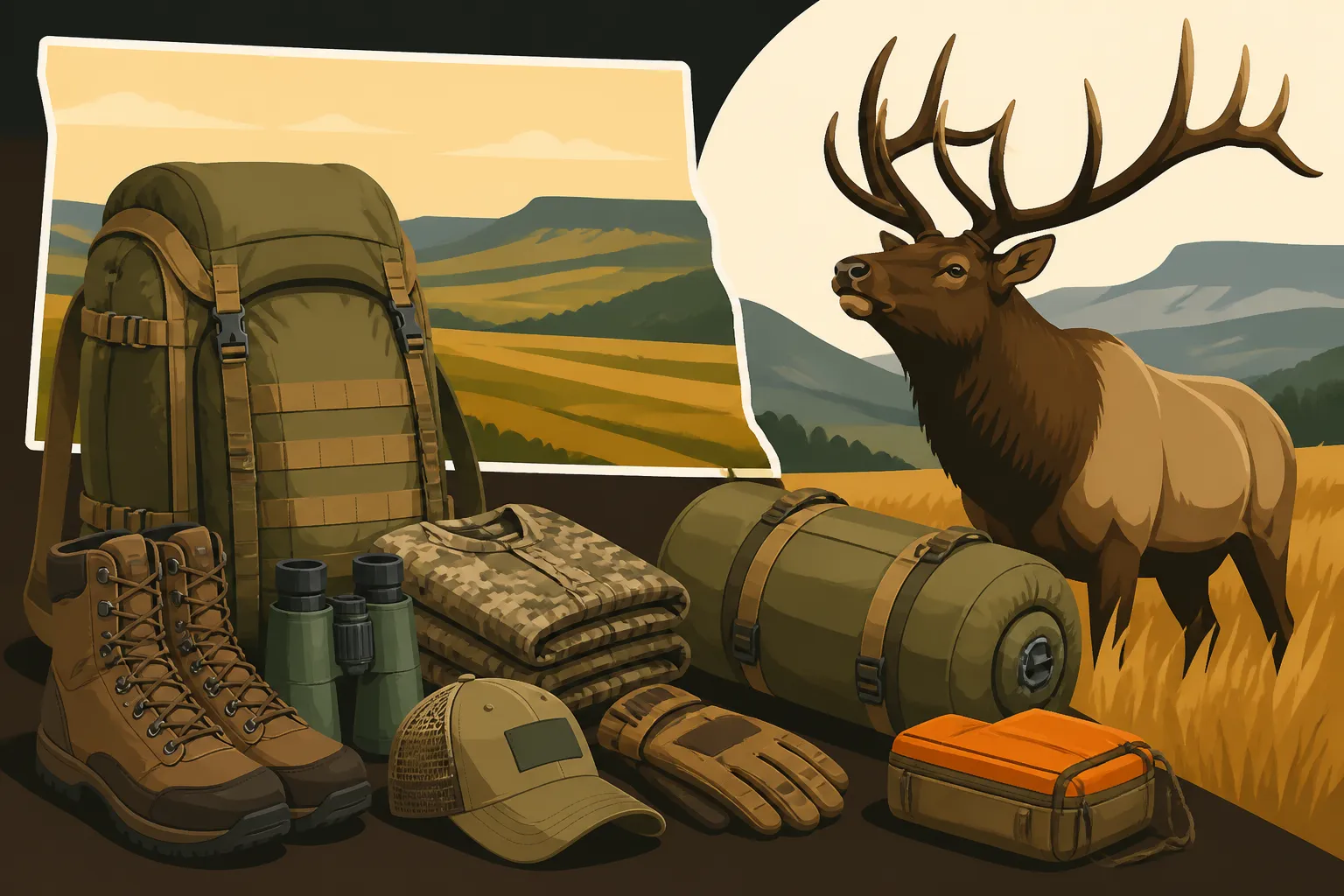
Packing for an Eight-Day Elk Hunt
Planning an eight-day elk hunt in the rugged and unpredictable North Dakota Badlands can feel like trying to pack for three different seasons at once, all while knowing you’ll be pushing your physical limits far from civilization. It’s a daunting task to ensure you have everything you need without overpacking, especially when you consider the sheer effort of hauling gear across challenging terrain. This comprehensive guide will walk you through the essential packing strategies, from core gear to sustenance, ensuring you’re well-prepared for the rigors and potential triumphs of chasing elk in the rough country of North Dakota.
Assembling Your Core Gear for Remote Elk Hunting
When you're embarking on an eight-day elk hunt, especially in a place like North Dakota's Badlands, your core gear isn't just about comfort; it's about survival and success. Every item needs to earn its spot in your pack, pulling double duty where possible. This isn't a casual stroll; it's an immersive experience in some of the state's most challenging landscapes.
Backpack Selection and Organization
Choosing the right backpack is perhaps the most critical gear decision you’ll make. For an eight-day backcountry elk hunt, you're looking for a pack in the 65-80 liter range, maybe even slightly larger if you anticipate packing out a lot of meat. The key here isn't just volume, but how it carries weight. You'll be hauling not only your camp and personal effects but, hopefully, several hundred pounds of elk meat. This is where a robust external frame or a well-designed internal frame with a load shelf truly shines. Brands like Kifaru, Mystery Ranch, and Stone Glacier are popular for their ability to comfortably carry extreme loads.
Think about how you'll organize this beast. Use dry bags or stuff sacks to compartmentalize your gear. Keep your sleeping bag and spare clothes in waterproof compression sacks at the bottom, your tent and cooking system in the middle, and quick-access items like water, snacks, and rain gear at the top. Many elk-specific packs include features for carrying a rifle or bow securely, which is invaluable. A dedicated meat shelf that keeps fresh quarters off your back and allows for good ventilation is non-negotiable for success. Remember, even with the best gear, if your pack isn't adjusted correctly, those miles will feel exponentially longer. Take the time to dial in the fit before you head out.
Essential Tools and Navigation Aids
The Badlands can be disorienting, even with clear skies. Reliable navigation tools are paramount. Always carry a primary GPS device, like a Garmin inReach, which also offers satellite communication for emergencies – a literal lifesaver if you find yourself in a bind, injured, or simply need to check in with family without cell service. Complement this with a robust mapping app on your smartphone, like those offered by GoHunt, which allows you to download detailed topographic maps and overlay crucial information such as public land boundaries, ensuring you're always aware of where you stand. While these digital tools are amazing, a physical map of the area, like the detailed sections of the Little Missouri National Grassland, and a reliable compass are absolute must-haves as a backup. Batteries die, screens crack, and signals drop; paper doesn’t.
Beyond navigation, a quality headlamp with extra batteries is non-negotiable for early morning starts or late-night retrieves. A sturdy hunting knife (and a spare!) for field dressing, a compact bone saw, and a multi-tool will be your best friends. Fire-starting materials – a Bic lighter, waterproof matches, and a ferro rod – provide critical redundancy. And please, don't forget a comprehensive first-aid kit tailored for backcountry use, including blister treatment, pain relievers, wound care, and any personal medications. Knowing you have these items will offer immense peace of mind.
Optics for Western Hunting
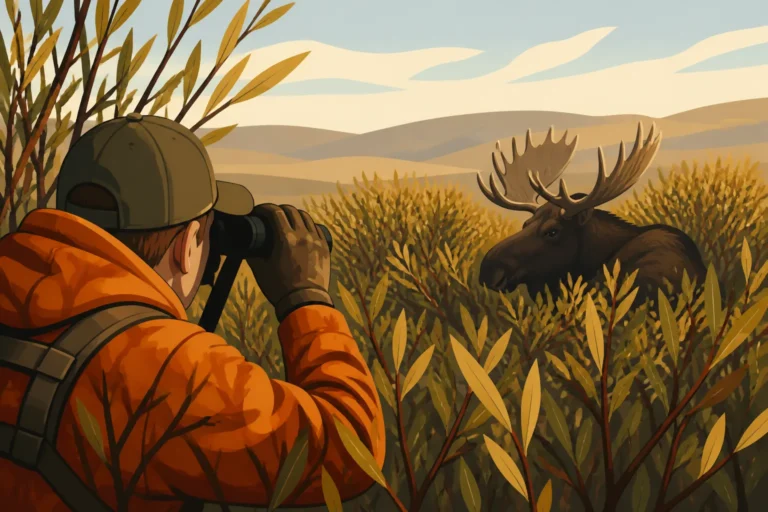
Elk hunting, especially in North Dakota's expansive Badlands, is often won or lost through your optics. You’ll spend countless hours glassing distant coulees and ridge lines for the telltale flick of an ear or the gleam of an antler. A good pair of 10×42 or 12×50 binoculars, paired with a comfortable chest harness, will be your primary tool. Don't skimp on quality here; clear, bright glass reduces eye strain and helps you pick out subtle details in varied lighting conditions. Brands like Vortex, Maven, or Leupold offer excellent performance for the money.
For those long-range observations, a spotting scope (typically 15-45x or 20-60x) mounted on a lightweight tripod can be invaluable. This allows you to scrutinize animals from a distance, determine their sex, size, and whether they're worth the strenuous hike. A reliable rangefinder is also essential for ethical shooting and for understanding distance in the undulating terrain. You can’t make an accurate shot if you don’t know the exact yardage, especially with the steep angles you'll encounter while Glassing Badlands Coulees for Elk. All these optics, combined with practice, will significantly increase your success rates.
Dressing for North Dakota's Unpredictable Elements
North Dakota weather during elk season can be famously fickle. One day you might be sweating in 60-degree sunshine, the next battling a freezing rain and dropping temperatures. Proper layering isn't just a suggestion; it's a critical strategy to stay comfortable, safe, and effective in the field.
Base Layers for Moisture Management
Your base layers are the foundation of your entire clothing system, responsible for managing moisture and providing initial insulation. Forget cotton; it holds moisture and will leave you cold and miserable. Instead, opt for merino wool or high-quality synthetics. Merino wool is a fantastic choice because it's soft, naturally odor-resistant, and retains warmth even when damp. Synthetics, while not as naturally odor-resistant, often excel at wicking moisture away from your skin quickly and are generally more durable.
For an eight-day hunt, you'll want at least three sets: a lightweight for active hunting in milder temps, a midweight for colder days or when glassing for extended periods, and a dedicated dry set for sleeping or camp use. Remember, the goal is to stay dry, as moisture is your enemy in cold weather. Having a clean, dry base layer to put on at the end of a long day can dramatically improve your comfort and help prevent hypothermia, especially when you consider Hunting Into a December Cold Snap.
Mid and Outer Layers for Variable Conditions
Mid-layers provide insulation and can be added or removed as temperatures fluctuate. Fleece jackets or vests are excellent for this, offering warmth without excessive bulk. A good puffy jacket, filled with either high-quality synthetic insulation or treated down, is a non-negotiable item. This layer provides incredible warmth for its weight and compresses down small, making it perfect for throwing on during glassing sessions or while sitting in camp. Look for options with a durable outer shell to protect against light abrasion or sparks from a campfire.
Your outer layer is your shield against the elements. A durable, waterproof, and windproof shell jacket and pants are essential. Gore-Tex or similar proprietary membranes will keep you dry through rain, sleet, or snow, while blocking biting winds that sweep across the prairie and Badlands ridges. Ensure your shell layers are quiet; noisy fabric can give you away when you're trying to sneak in close to an elk. These layers need to be tough enough to withstand pushing through brush and scrambling up steep inclines, crucial for success when Physical Prep for Badlands Elk Terrain is so important.
Footwear and Hand Protection
Your feet are your vehicle, and protecting them is paramount. Invest in high-quality, waterproof, and broken-in hunting boots with good ankle support. An eight-day hunt means covering significant mileage over uneven, rocky, and potentially muddy terrain. Brands like Crispi, Kenetrek, or Schnee's are favored by many Western hunters for their durability and comfort. Pair these boots with multiple pairs of merino wool socks (at least 3-4 pairs for an 8-day trip), ensuring you have fresh, dry socks to prevent blisters. Consider a thin liner sock underneath for added comfort and moisture-wicking.
For hand protection, a layered approach is best. Start with thin, synthetic or merino wool liner gloves that offer dexterity for operating your rifle or bow, and using your phone or GPS. Over these, carry a warmer, mid-weight glove for active hunting in colder conditions. Finally, pack a heavy, insulated, waterproof glove or mitten for extreme cold or periods of inactivity in camp. Keeping your hands warm and functional is vital for safety and effectiveness in the field.
| Layer Type | Item Examples | Key Features |
|---|---|---|
| Base Layers | Lightweight Merino Top/Bottom | Moisture-wicking, odor-resistant, warm when damp, active insulation |
| Midweight Synthetic Top/Bottom | Quick-drying, durable, active insulation | |
| Mid Layers | Fleece Jacket/Vest | Breathable, warmth without bulk, layering flexibility |
| Synthetic Puffy Jacket | High warmth-to-weight, compressible, insulation for static periods | |
| Outer Layers | Waterproof/Windproof Shell Jacket | Essential for rain/snow/wind, durable, quiet fabric |
| Waterproof/Windproof Shell Pants | Protection for legs against elements and brush | |
| Footwear | Waterproof, High-Ankle Hunting Boots | Support, grip, protection for diverse terrain, broken in |
| Merino Wool Socks (multiple weights) | Blister prevention, warmth, moisture management | |
| Handwear | Thin Liner Gloves | Dexterity, light warmth, moisture wicking |
| Midweight Hunting Gloves | Moderate warmth, protection, still allow for fine motor skills | |
| Heavy Insulated/Waterproof Gloves/Mittens | Extreme cold protection, crucial for static periods or harsh weather | |
| Headwear | Beanie (wool/fleece), Wide-Brimmed Hat, Balaclava | Sun protection, warmth, face protection against wind and cold |
Sustenance and Camp Comfort in the Backcountry
An eight-day elk hunt is not a time for dieting. You'll be burning a tremendous amount of calories, and proper nutrition and hydration are essential to maintain energy levels and focus. Beyond food, a comfortable and functional camp is crucial for recharging after demanding days.
Food Planning and Hydration Systems
Packing enough high-calorie, lightweight food is a delicate balancing act. Aim for shelf-stable options that don't require refrigeration. Dehydrated or freeze-dried meals are fantastic for dinners, offering a good calorie-to-weight ratio. Supplement these with high-energy snacks for throughout the day: jerky, nuts, trail mix, protein bars (GoHunt often reviews great options for these), and calorie-dense chocolate. Plan for approximately 3,000-4,000 calories per day, adjusting based on your activity level and metabolism. Don't forget your morning coffee or tea!
For hydration, a robust system is key. You'll want a collapsible water reservoir (like a Hydrapak or Platypus) for carrying water, typically 2-3 liters, along with a reliable water filter or purification system (Sawyer Squeeze, Katadyn BeFree, or purification tablets). North Dakota's Badlands can have limited water sources, so knowing where they are (and having the means to purify them) is critical. Understanding the terrain through tools like the GoHunt app can help identify potential water caches or natural springs before you even step foot in the field, helping you map out your Entry Routes Through Standing Sunflowers or other cover to water sources.
Shelter and Sleep System
Your shelter needs to be lightweight, durable, and capable of withstanding the varied conditions North Dakota can throw at it. A three-season backpacking tent designed for one or two people (depending on if you're solo or with a partner) is generally sufficient, but consider a four-season tent if hunting late into the season or expecting severe weather. Look for models that offer good wind resistance and are easy to set up. A lightweight tarp or bivy sack can also serve as an emergency shelter or a minimalist option for warmer nights.
Your sleep system is paramount for recovery. A quality sleeping bag rated for at least 0 to -10 degrees Fahrenheit is a safe bet for elk season in North Dakota, even if daytime temps are warmer. Nights can get surprisingly cold. Pair this with an insulated sleeping pad (R-value of 3.0 or higher) to prevent heat loss to the ground. Sleeping on a cold surface will quickly sap your energy, regardless of your sleeping bag's rating. A small, inflatable pillow can make a huge difference in comfort for minimal weight.
Game Care and Recovery Essentials
This is where many hunters, especially those new to backcountry elk hunting, often fall short. Successful elk hunting means you will be dealing with a large animal far from any road. Packing out an elk is brutal work, and having the right tools makes it manageable.
You absolutely need sturdy, breathable game bags – not just cotton pillowcases, but quality synthetic bags that allow air circulation while protecting the meat from flies and debris. Brands like Argali or Kuiu make excellent options. A heavy-duty external frame pack, or a pack with a dedicated meat shelf, becomes crucial here. It’s impossible to pack out quarters without one. A compact bone saw or a good quality saw blade that fits into a multi-tool can save you immense time and effort when quartering. Don't forget extra knives, a sharpening stone or sharpener, and some paracord for hanging meat or securing quarters. Thinking ahead about game care and recovery is part of respecting the animal and ensuring the venison makes it home in prime condition, especially when considering Field Dressing a Deer in Cold Weather or an elk.
Specialized Elk Hunting Considerations
Beyond the basics, an eight-day elk hunt in North Dakota requires a few specialized items and considerations unique to pursuing these majestic animals in this particular environment.
Calling, Scent Management, and Hunting Strategy
Elk are vocal animals, and mastering various elk calls can be a game-changer. Pack a variety of calls: a diaphragm bugle call, a cow call (or two with different tones), and maybe a small estrus squeal. Practice extensively before your hunt. Knowing when and how to use each call can draw in a curious bull or help locate a herd. However, remember that over-calling can spook elk, especially pressured animals.
Scent management is another critical aspect. Elk have an incredible sense of smell. While completely eliminating human odor is impossible, you can significantly reduce it. Use scent-free soaps and detergents for your hunting clothes, store them in scent-free bags, and consider using scent eliminator sprays. Playing the wind is always your best strategy. Before you leave for the hunt, study the topography and prevailing winds for your hunting unit, understanding that Wind and Thermals in Badlands Terrain can create swirling, unpredictable air currents in coulees and draws. Using a puff bottle to check wind direction frequently is a simple but effective habit.
Weapon and Ammunition Considerations
Whether you're carrying a rifle or a bow, an eight-day hunt means you need to be confident in your weapon system. For rifle hunters, bring enough ammunition for sighting in, practice, and the hunt itself. A small cleaning kit can be useful for maintaining your rifle, especially if you encounter dust or moisture. Ensure your scope is securely mounted and has been thoroughly sighted in. For archers, extra arrows, broadheads, and a small bow repair kit (allen wrenches, string wax, nock pliers) are prudent. A bow press might be overkill, but having the tools for minor adjustments can save your hunt.
Regardless of your weapon, practice shooting from various positions – kneeling, sitting, standing, and even from steep angles. The Badlands terrain rarely offers a perfectly flat, level shot. Know your ethical maximum range and stick to it. Confirming your zero before leaving home and again upon arrival (if possible) is a non-negotiable step.
Emergency Preparedness and Communication
Even with all the best planning, things can go wrong. A dedicated emergency kit within your main pack is crucial. This should include a satellite communication device (like the Garmin inReach mentioned earlier), which allows for two-way texting and SOS functionality, even without cell service. This is invaluable if you need to alert someone you'll be late, or, in a true emergency, summon help.
Other emergency essentials include an emergency blanket or bivy, a whistle for signaling, extra high-calorie food (energy bars, hard candy), and a small but powerful flashlight. Sharing your float plan with a trusted person back home – including your intended route, expected return date, and emergency contacts – is vital. Even if you don't expect to use it, having a solid plan gives you peace of mind and provides a safety net. After all, when you're Hunting North Dakota's Badlands Mule Deer Country or elk, you're often far from any quick assistance.
By meticulously planning and packing, you're not just preparing for a hunt; you're preparing for an adventure. An eight-day elk hunt in North Dakota is a serious undertaking that offers incredible rewards for those who are well-prepared. Take the time to consider every item, practice with your gear, and understand the challenges and opportunities the Badlands present. Good luck out there!
Disclaimer
Hunting is an inherently dangerous activity. This guide provides general information for packing for an elk hunt in North Dakota. Always prioritize safety, adhere to all local, state, and federal hunting regulations, and be prepared for unforeseen circumstances. It is your responsibility to understand and comply with all applicable laws and to hunt ethically and responsibly. The author and publisher are not liable for any accidents, injuries, or legal issues that may arise from the use of this information.