Coyote Calling at First Light
The pre-dawn chill in North Dakota can be biting, but for those of us dedicated to predator hunting, it holds a unique allure. Trying to call in a wily coyote as the first hints of light touch the horizon can feel like an impossible puzzle, often leaving hunters frustrated with unresponsive stands or coyotes that hang up just out of range. This comprehensive guide is here to unravel the mysteries of "Coyote Calling at First Light," offering proven strategies and insights to help you consistently bring those prairie song dogs within shooting distance during those crucial early morning hours.
Why First Light is Prime Time for Coyotes
There's a reason seasoned predator hunters drag themselves out of bed long before the sun even considers making an appearance. First light isn't just a tradition; it's a strategic advantage when targeting coyotes in North Dakota. Understanding why this period is so effective is the first step to truly mastering your early morning calling efforts.
Understanding Coyote Circadian Rhythms
Coyotes, like many predators, operate on a rhythm tied closely to the rising and setting sun. They are naturally more active during crepuscular hours – dawn and dusk. This isn't just about visibility; it's deeply ingrained in their biology and hunting patterns. As the night gives way to day, coyotes are often on the move, either finishing up their nocturnal hunts, heading back to bedding areas, or actively searching for one last meal before settling down. This transition period creates a critical window of opportunity. Their guard might be slightly lower, and their hunger drive still high. They've spent the night patrolling, marking territory, and looking for prey. A sudden, distressful sound mimicking an easy meal can be incredibly tempting to a coyote whose stomach might be rumbling from an unsuccessful night or one that just wants to capitalize on minimal effort. This heightened activity makes them more susceptible to a well-executed call sequence.
Advantages of Low Light Conditions
The low light of dawn offers significant advantages for the hunter, too. For one, your visibility is still limited, which can make it harder for coyotes to spot you, especially if you're positioned correctly against a dark background or in dense cover. Coyotes have exceptional eyesight, particularly sensitive to movement, so anything that helps you remain undetected is a massive benefit. Furthermore, the dim light often creates longer shadows and softer edges in the landscape, providing natural concealment that disappears once the sun is high. This can be particularly useful when hunting in open areas common to North Dakota's prairies, where cover can be scarce. It allows for more aggressive calling sequences and gives you precious extra seconds to get your rifle up and settle your crosshairs before a wary coyote might pinpoint your location. The cooler temperatures also mean less thermal interference, potentially helping your scent dissipate slightly slower, but more importantly, it means the coyotes are less likely to be bedded down trying to escape the heat of the day.
Essential Gear and Setup for Early Morning Calling
To maximize your chances when calling coyotes at first light, having the right gear and knowing how to set up effectively are paramount. North Dakota's varied terrain, from dense river bottom timber to wide-open farm country, demands thoughtful preparation.
Camouflage and Concealment
When you're dealing with animals as keen-eyed as coyotes, your camouflage is your first line of defense. It's not just about wearing camo; it's about breaking up your outline and blending into your specific surroundings. For first light, consider patterns that incorporate grays, browns, and dark greens, mimicking the transitioning light and landscape. Often, a darker, shadowed backdrop is more important than the specific pattern. If you're setting up on a ridge, try to sit just over the crest to break your silhouette against the sky. In the Badlands, finding a rocky outcrop or the base of a cedar tree can provide excellent cover. In more open areas, like much of North Dakota's central and eastern regions, a good ground blind or even a simple camouflage netting can make all the difference, especially when a coyote might approach from an unexpected angle. Always scan your surroundings for any unnatural shapes or colors that could give you away. For useful resources on identifying prime locations, you might consult detailed aerial photos for Badlands deer or even consider the insights from Scouting PLOTS Land With the ND Hunt App, as understanding the terrain for any species can inform your setup for coyotes.
Electronic Calls Versus Hand Calls
The choice between electronic and hand calls often sparks debate among predator hunters. Both have their place, especially at first light.
- Electronic Calls: Brands like FoxPro or Lucky Duck dominate this space. They offer a vast array of realistic sounds, from distress cries of various prey animals (rabbits, birds, fawns) to coyote vocalizations (howls, barks, pup distress). The biggest advantage for first light is the ability to place the call away from your position. This draws the coyote's attention away from you, buying you critical time to get into position and take the shot. You can also adjust volume and change sounds with a remote, which is incredibly useful for adapting to how a coyote responds. When calling in areas where coyotes might be more educated, subtle changes in volume or switching to a different distress sound can sometimes make the difference.
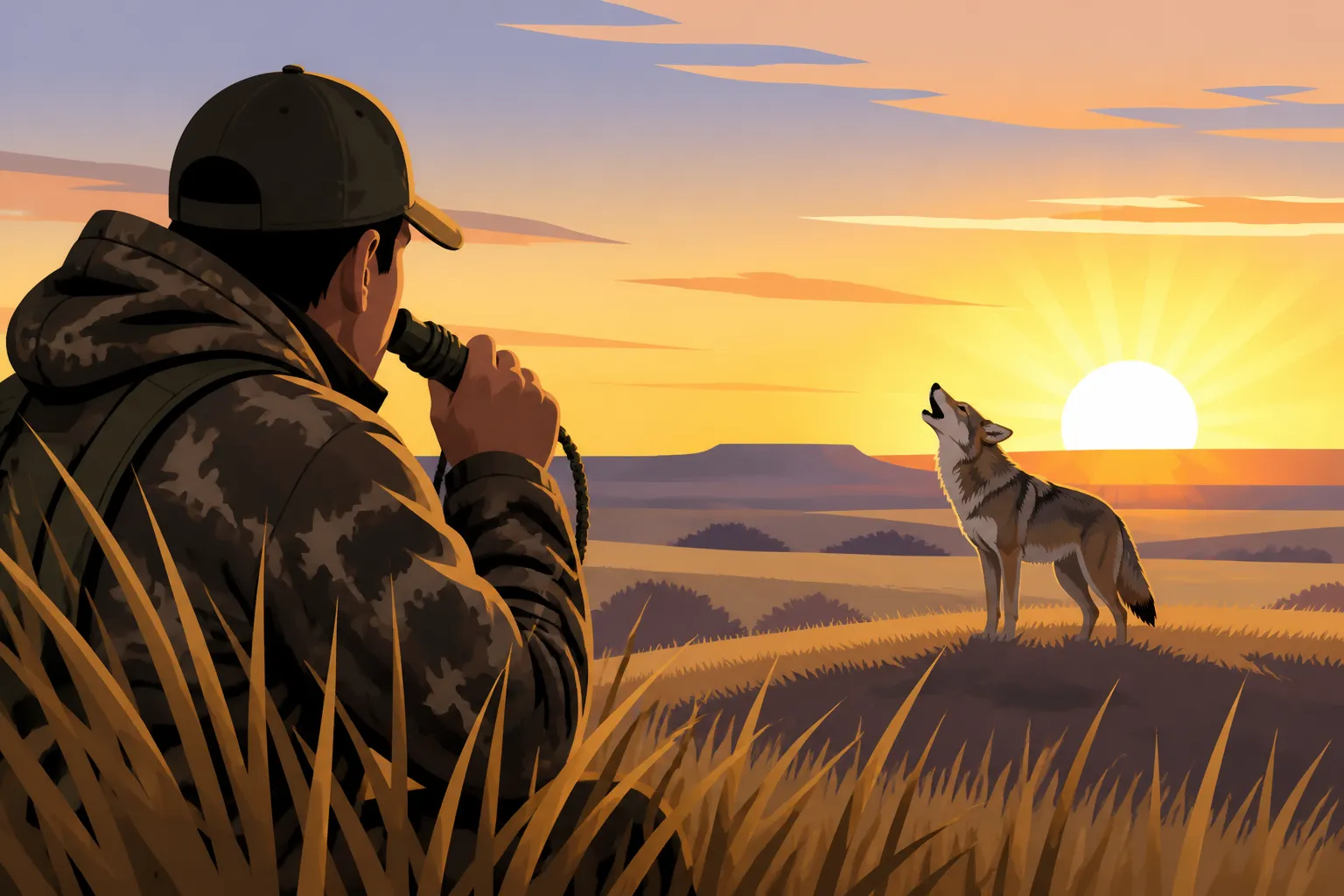
- Hand Calls: These require more skill and practice but offer unparalleled realism and adaptability. The subtle nuances you can achieve with a hand call – a slight waver, a change in pitch, or a dying squall – can be incredibly convincing. They're also lightweight, durable, and don't rely on batteries, which is a big plus on cold North Dakota mornings. For hunters who enjoy the art of calling, a good hand call like those from Primos or Haydel's can be incredibly rewarding. Many hunters use a combination: an electronic call to initially grab attention or broadcast over long distances, and then switch to a hand call for close-in finesse work or to offer more realistic, quieter sounds as a coyote approaches. Remember to practice your calls before heading out; a poorly executed call is often worse than no call at all.
Scent Control and Wind Awareness
This cannot be stressed enough: coyotes live and die by their nose. Even at first light, when their other senses might be on high alert, their sense of smell is always working. Without proper scent control and absolute wind awareness, your efforts will likely be fruitless. Always play the wind. Period. Before you even think about setting up, check the wind direction. Use a small squeeze bottle of powder or a handheld anemometer (though a simple piece of string or ribbon tied to your rifle barrel works just fine) to constantly monitor it. Your scent needs to blow away from the direction you expect coyotes to approach.
Beyond wind direction, meticulous scent control is essential. Wash your hunting clothes in scent-eliminating detergent and store them in airtight bags or containers. Shower with scent-free soap before your hunt. Avoid strong-smelling foods, colognes, or even bug sprays on your skin or clothes. Consider using scent elimination sprays on your boots and outer layers, especially if you have to walk through heavy cover. Many hunters overlook their boots, which can leave a strong scent trail for a coyote to pick up. When setting up, try to walk around your primary calling area, not through it, to minimize the scent cone you leave behind. GoHunt resources often emphasize the importance of wind for all predator hunting, a truth that holds strong whether you're coyote calling North Dakota farm country or deeper in the Badlands draws.
Calling Strategies for North Dakota Coyotes at Dawn
Once you're in position, concealed, and have the wind in your favor, it’s time to bring those coyotes in. This involves a calculated approach to your stand, your call sequences, and your shooting.
Approach and Setup Tactics
Your approach to the calling stand is just as important as the stand itself. Coyotes are incredibly wary, and any sign of human presence can send them packing. Start your walk to the calling location well before legal shooting light, allowing yourself ample time to move slowly and quietly. Use natural contours of the land, fencelines, or treelines to remain out of sight. Avoid silhouetting yourself on ridgelines. When you reach your chosen setup, take a moment to observe. Look for any existing tracks or sign that indicates recent coyote activity. Position yourself so that you have a clear shooting lane in the direction you expect the coyote to appear, but also ensure you have decent visibility to your flanks, as coyotes often try to circle downwind. Always have your rifle or shotgun ready, safety on, but positioned for a quick, smooth mount. Consider placing your electronic call 30-50 yards upwind of your position. This not only draws the coyote's attention away from you but also means if they circle downwind, they'll likely hit the scent of the call unit before your own. This buys you more time before they wind you.
Vocalizations and Sequence
The type of calls and the sequence you use can vary widely based on the time of year, coyote behavior, and location, but some general principles apply to first light.
- Start Soft and Build: Especially at first light, when the world is just waking up, don't blast a full-volume distress call right off the bat. Start with softer, more subtle sounds, like a few short rabbit squeals or bird distress calls. This can pique a coyote's curiosity without alarming them. If no response after a minute or two, gradually increase the volume and intensity.
- Vary Your Prey: Don't stick to just one sound. Coyotes become accustomed to common calls. Have a repertoire of sounds like cottontail distress, jackrabbit distress, fawn bleats, or even a woodpecker in distress. Switch between them if you're not getting a response. The idea is to present an irresistible, easy meal.
- Incorporate Coyote Vocalizations: Sometimes, a bit of challenge or curiosity is what it takes. A lone howl or a pair of challenge howls can often bring in other coyotes looking to defend their territory or simply investigate. Pup distress calls can be particularly effective in late spring and summer, as adult coyotes might come running to protect their young. Just be mindful of calling other coyotes to a fight if you use aggressive challenges.
- Listen and Wait: This is crucial. After each calling sequence (which might last 1-2 minutes), go silent for 3-5 minutes. Listen intently. Coyotes are masters of stealth; they might be responding with a quiet approach, or you might hear a distant bark or howl. Many hunters call too much, too loudly, and don't listen enough. Silence is golden for detecting a subtle approach.
- Be Patient: A typical calling stand should last at least 20-30 minutes, especially at first light. Some coyotes will come charging in, but many will take their sweet time, carefully circling or approaching cautiously. Don't pack up early. You might just miss that wary old male finally committing. Knowing the general hunting hours, especially North Dakota Public Land Hunting Hours, can help you plan your duration.
Here's a sample table outlining common calls and their use cases:
| Call Type | Primary Use | Ideal Season | Notes |
|---|---|---|---|
| Cottontail Distress | Universal and effective for all coyotes seeking an easy meal. | Year-round | Good starting call, vary intensity. Effective in areas where rabbits are common, like North Dakota's mixed grass prairie. |
| Jackrabbit Distress | Louder, higher-pitched. Excellent for covering large distances or windy days. | Year-round | Aggressive distress, good for grabbing attention from far off. |
| Fawn Bleat | Extremely effective during spring/early summer, and into fall. | Spring, Summer, Fall | Mimics vulnerable young deer. Can attract both coyotes and even bobcats. |
| Kiyis (Pup Distress) | Mimics a coyote pup in trouble, often drawing in protective adults. | Spring, Early Summer | Be prepared for an aggressive response from adult coyotes. |
| Coyote Howls (Lone) | Locates coyotes or evokes a territorial response. | Year-round | Good for locating coyotes before setting up to call, or for getting a response from a pack. |
| Coyote Barks | Often signals alarm or curiosity; can be used to stop a running coyote. | Year-round | Use sparingly; too many can alert coyotes to danger. Effective for stopping a moving animal for a shot. |
| Bird Distress | Softer, often good for shy coyotes or close-in work. | Year-round | Can be particularly effective in timbered areas or shelterbelts. |
Shot Placement and Follow-Up
When a coyote finally commits and presents a shot opportunity, precision is key. Coyotes are tough animals, and a poorly placed shot can lead to a long, often unsuccessful, tracking job. Aim for the vital zone: directly behind the shoulder, slightly low, to hit the heart and lungs. If the coyote is quartering away, aim to penetrate the vitals by aiming slightly forward of the opposite shoulder.
Always be ready for a follow-up shot. Coyotes are often tough and may not drop instantly even with a solid hit. Keep your scope on the animal and be prepared to shoot again until it’s down for good. If you're using a shotgun, understand its effective range with your chosen load. Many hunters prefer a .223 Remington or a .22-250 Remington rifle for their flat trajectory and adequate stopping power on coyotes. When a coyote does go down, approach cautiously. Sometimes, they can be "playing possum" or still have enough fight left to be dangerous. Use a stick or your rifle barrel to nudge it if you're unsure before fully approaching. Understanding the various hunting regulations, such as those covered in Coyote Hunting Season Rules, is also important for legal shooting times.
Common Challenges and Troubleshooting
Even with the best planning, coyote hunting at first light can present challenges. Being able to adapt and troubleshoot on the fly is a hallmark of a successful predator hunter.
Dealing with Educated Coyotes
North Dakota's coyotes are often highly educated, especially in areas with consistent hunting pressure. These animals have heard it all, seen it all, and survived. They're masters of hanging up out of range, circling downwind, or simply ignoring common calls.
- Change Your Routine: If you're hunting an area regularly, change your approach. Vary your calls, try new locations, and alter your calling sequences. Don't always start with the same rabbit distress. Try a lone howl first, then switch to a bird distress.
- Utilize Coyote Vocalizations: Educated coyotes might ignore distress calls, but they often can't resist responding to a challenge or a social howl. A pair of coyotes yipping and howling can be particularly effective at drawing in a curious or territorial animal.
- Go Silent or Mimic Non-Threatening Sounds: Sometimes, the best call is no call at all. After an initial sequence, try 5-10 minutes of complete silence, especially if you suspect a coyote is slowly approaching. You might also try a very subtle, low-volume rodent squeak using a mouth call.
- Decoys: Motion decoys, like a flapping bird or a wiggling rabbit, can be incredibly effective. They add a visual element that can convince a wary coyote the distress is real, especially at first light when visibility is still dim. Place them near your electronic call to draw attention.
- Scout More, Call Less: Often, the problem isn't the calling, but the location. Spend more time scouting for fresh tracks, scat, and active travel corridors. This is where tools like GoHunt can be invaluable for identifying potential hotspots and understanding game movement. Identifying areas with high North Dakota coyote range and density can significantly improve your odds.
Adapting to Weather Changes
North Dakota weather is notoriously fickle. A beautiful, calm morning can quickly turn windy, cold, or even bring unexpected snow. Adapting your strategy is crucial.
- Wind: High winds make it harder for coyotes to hear your calls and can scatter your scent uncontrollably. On windy days, use louder calls like a jackrabbit distress or focus on areas with natural windbreaks like deep coulees or thick shelterbelts. Try to position yourself so the wind is blowing across your calling area, allowing coyotes to come in from either side without winding you immediately.
- Cold: Extreme cold can make coyotes less active, but also more driven by hunger. They might be slower to respond, but a convincing distress call could represent a critical, easy meal. Dress warmly in layers, including hand and foot warmers, so you can remain motionless and comfortable for extended periods. Your hands need to be functional for shooting, so good gloves are a must.
- Snow: Fresh snow can be a gift and a curse. It makes tracking easier, allowing you to identify active areas. However, coyotes are also highly visible against snow. This demands even stricter attention to camouflage and concealment. A distress call immediately after a fresh snowfall can be deadly, as coyotes might be struggling to find food and are more receptive to an easy opportunity. Always consider the terrain, whether you're dealing with Hunting North Dakota's Badlands Mule Deer Country or open prairie; snow impacts both.
Safety Considerations
Hunting, especially in the low light of dawn, carries inherent risks. Prioritizing safety is non-negotiable.
- Positively Identify Your Target: This is paramount. Never, ever shoot at movement or sound alone. Wait until you have positive visual identification of a coyote and are certain of your background. In low light, it’s easy to misidentify an animal or mistake another hunter for game.
- Know Your Zone of Fire: Be acutely aware of what's behind and beyond your target. This is especially important when hunting in areas near roads, farms, or other properties. Always use binoculars to scan the area before and during your call.
- Communicate with Hunting Partners: If hunting with a partner, always know where they are. Maintain visual contact or consistent verbal communication. Use bright blaze orange when walking to and from your stand (though remove it or cover it once you’re set up to hunt).
- Legal Hours: Understand North Dakota's legal shooting hours, which typically begin 30 minutes before sunrise. Check a sunrise/sunset table for your specific location and date. Never shoot outside of legal hours. Information on general hunting regulations can be found in resources like North Dakota Hunting Licenses and What They Cost and North Dakota Hunter Education Requirements.
- First Aid: Always carry a basic first-aid kit, especially one equipped for trauma. Hunting alone in remote areas means self-reliance is key. Let someone know where you are going and when you expect to return.
By paying meticulous attention to these details—from understanding coyote behavior at dawn to precise setup, effective calling, and unwavering safety—you’ll be well on your way to consistent success when coyote calling at first light in the wide-open spaces of North Dakota.
Disclaimer
The information provided in this guide is for informational purposes only and is not a substitute for official hunting regulations. Always consult the most current North Dakota Game and Fish Department regulations before planning any hunt. Hunting carries inherent risks, and it is the responsibility of each hunter to ensure their own safety and abide by all local, state, and federal laws.