What the Zone-Restricted License Requires
It can be incredibly confusing, can't it? You're dreaming of those vast North Dakota skies, filled with mallards and geese, but then you stumble upon talk of "zone-restricted licenses" and "nine-day waiting periods" for nonresidents, and suddenly your perfectly planned waterfowl hunt feels like it's been thrown into a blender. This isn't just bureaucratic jargon; it's a very real hurdle that can drastically impact your hunting trip. This guide is here to untangle the complexities of North Dakota's zone-restricted waterfowl license, explaining exactly what it requires, why it exists, and how you can successfully navigate it for a memorable hunt on the prairie.
Understanding North Dakota's Zone-Restricted Waterfowl License
When you're planning a waterfowl trip to North Dakota as a nonresident, you quickly realize it's not as simple as just buying a general license and heading out. The state has implemented specific rules designed to manage hunting pressure and prioritize its resident hunters, especially during the prime early season. This is where the zone-restricted waterfowl license comes into play, and understanding its nuances is critical for a legal and successful hunt.
Why This License Exists for Nonresidents
North Dakota is a jewel in the Central Flyway, a magnet for millions of migrating ducks and geese. This abundance naturally draws a huge number of nonresident hunters eager to experience world-class waterfowl hunting. To balance this demand with the desires of its own citizens and to ensure fair access, the state introduced measures like the zone-restricted license. Simply put, it's a tool to spread out hunting pressure and give residents a bit of a head start on the prime hunting days, particularly during the first part of the season when local birds are plentiful and the migration is just kicking off. It's not meant to be punitive; it's a management strategy to maintain healthy populations and a quality hunting experience for everyone in the long run.
Who Absolutely Needs This License
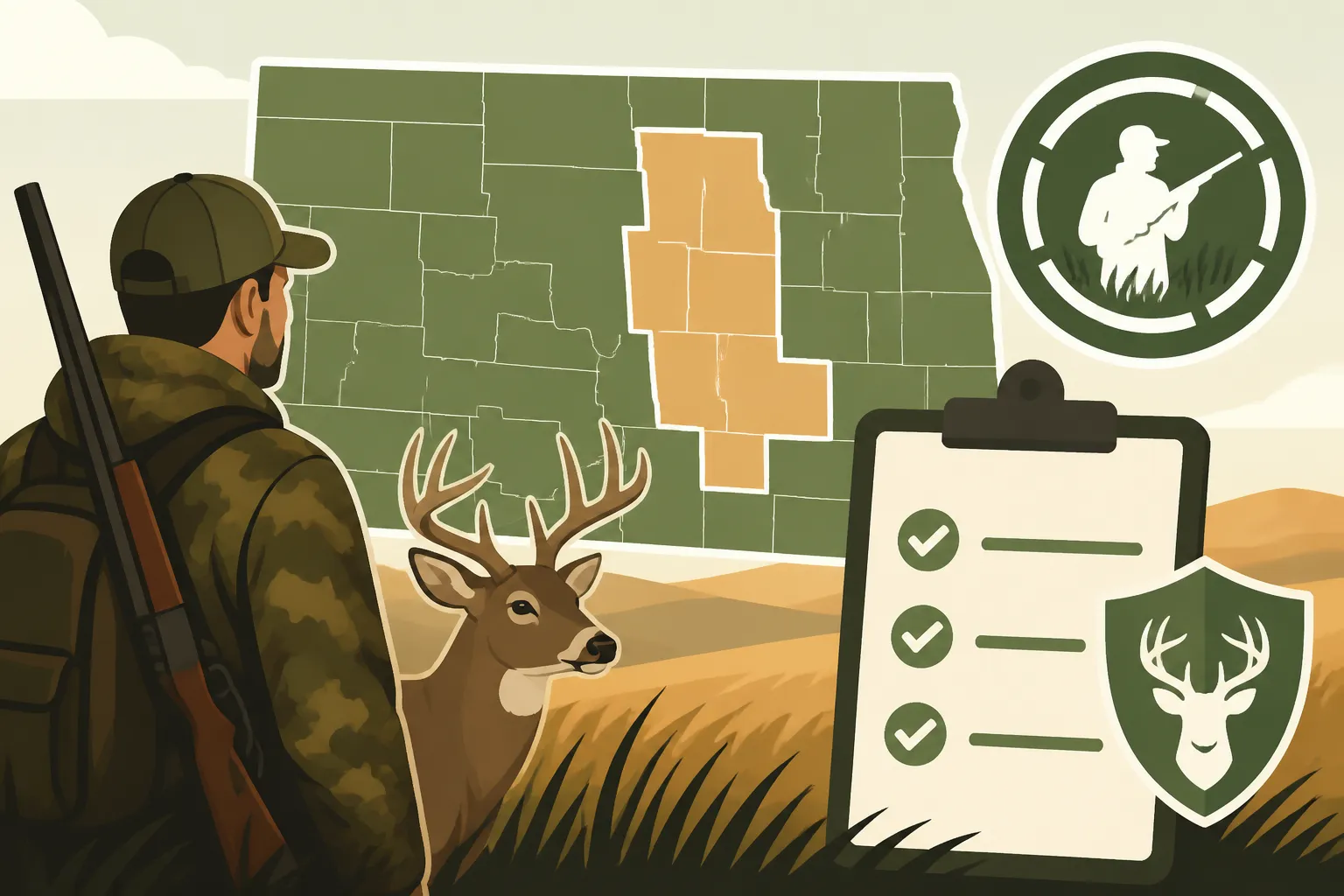
If you're a nonresident hunter planning to chase ducks and geese in North Dakota, this license is almost certainly going to be part of your required paperwork, especially if you're coming during the early season. The core group that must have the zone-restricted license are nonresidents who intend to hunt waterfowl within the designated "Zone 1" during a specific initial period of the season. This Zone 1 generally covers the prime prairie pothole region, where much of the state's waterfowl hunting action happens. If you're hunting outside this specific zone, or later in the season when the restriction period has passed, a different nonresident waterfowl license might suffice. Always double-check the current regulations, as boundaries and dates can sometimes see minor tweaks year to year. It's paramount to ensure you have the correct North Dakota Nonresident Waterfowl License Options for your planned trip.
The Core Nine-Day Restriction Explained
The heart of the zone-restricted license lies in its "nine-day restriction." For nonresidents hunting waterfowl in Zone 1, there's an initial period, typically the first nine days of the waterfowl season, where you simply cannot hunt. This isn't a suggestion; it's a hard and fast rule. For example, if the season opens on a Saturday, nonresident hunters with the zone-restricted license cannot legally hunt in Zone 1 until the second Monday of the season. This creates a window of resident-only hunting, allowing locals to enjoy the initial flush of birds without competing with out-of-state pressure. It can be frustrating, especially if you've got vacation time limited to specific dates, but it's the reality of hunting waterfowl in North Dakota during that early window. This rule impacts when you can buy a nonresident license as well, further reinforcing the state's approach to managing hunter numbers.
Navigating the Early Season Waterfowl Landscape
Planning a nonresident waterfowl hunt in North Dakota requires a strategic approach, especially if you're aiming for the early season. The zone-restricted license dictates much of this planning, turning what might be a simple trip elsewhere into a logistical puzzle. You need to be acutely aware of the calendar, the geography, and how these rules translate into actionable hunting decisions.
Planning Your Arrival Around the Initial Block
Given the nine-day nonresident waiting period, you have a couple of primary options for planning your early-season arrival. The most straightforward is to simply schedule your trip to start after the restriction lifts. If the season opens on September 20th, for instance, you'd plan to arrive no earlier than September 29th to begin hunting in Zone 1. This avoids the entire restriction headache altogether. However, if your schedule means you'll be in the state during those first nine days, you need to be aware of What Nonresidents Can Do During the First Nine Days. This might involve scouting, familiarizing yourself with public land access, or exploring opportunities for other small game hunting outside of Zone 1 waterfowl. Some hunters choose to hunt a different species entirely during this period, or simply take the time to set up camp and enjoy the scenery.
Understanding the Zone Boundaries and Their Impact
North Dakota isn't just one big waterfowl free-for-all. The state is divided into specific waterfowl zones, and the zone-restricted license specifically applies to Zone 1, which encompasses a large portion of the state known for its prime prairie pothole habitat. It's crucial to consult the latest North Dakota Game and Fish Department (NDGFD) waterfowl guide or their website to view the official zone map. Knowing these boundaries is vital because if you hunt outside Zone 1 during the restricted period, different rules might apply. For example, you might be able to hunt in Zone 2 without the nine-day waiting period, but Zone 2 typically has fewer wetlands and different hunting opportunities. Apps like GoHunt, with their detailed mapping layers, can be invaluable for pinpointing these zone lines and ensuring you don't inadvertently cross into restricted areas. Always verify your hunting location against the official map to avoid a potential violation.
Practical Hunt Planning with the Restriction in Mind
Once you understand the restriction, you can build your hunt plan. For many nonresidents, this means focusing on hunts that start on or after the 10th day of the season. This allows access to the rich hunting grounds of Zone 1 without issue. If you're booking a guided hunt, reputable North Dakota Waterfowl Outfitters will be intimately familiar with these rules and will schedule their nonresident clients accordingly, often starting later in the season. If you're going the do-it-yourself route, you'll need to meticulously plan your travel, lodging, and hunting days to align with the legal hunting window. This might mean missing the absolute opening days, but it ensures you can legally pursue ducks and geese in the most productive areas. Alternatively, some nonresidents choose to arrive early and pursue Sharptail Grouse Hunting Mixed Grass Prairie or Hungarian Partridge Hunting North Dakota Farmland during the initial resident-only waterfowl period, making the most of their travel time.
Securing Your Zone-Restricted License and Other Essentials
Getting your hands on the right licenses and stamps is more than just a formality; it's a critical step to ensure your hunt is legal and ethical. For North Dakota waterfowl, this means understanding the specific purchasing process and bundling it with other federal and state requirements. Don't wait until the last minute, or you might find yourself scrambling.
The Online Purchase Process and What to Look For
North Dakota has a streamlined online portal for purchasing hunting and fishing licenses, which is generally quite user-friendly. When you're ready to buy your North Dakota's Zone-Restricted Waterfowl License, navigate to the NDGFD website. You'll need to create an account or log in if you already have one. The key is to select the correct "Nonresident Waterfowl License" option. It will usually be clearly labeled as "Zone-Restricted" or indicate the dates it's valid. The Cost of the Zone-Restricted Waterfowl License will be listed, and you'll typically pay with a credit card. While the process is straightforward, always double-check your dates and license type before finalizing the purchase. Make sure you also consider any other required licenses, such as the General Game and Habitat License, which is often a prerequisite for hunting in North Dakota.
Mandatory Federal and State Certifications
Beyond the state-specific zone-restricted license, there are other crucial pieces of paper you absolutely need for waterfowl hunting anywhere in the U.S., and North Dakota is no exception. First and foremost, you'll need a Federal Duck Stamp. This isn't purchased through the state but through the U.S. Fish & Wildlife Service, often available at post offices, sporting goods stores like SCHEELS, or online. Without a valid Federal Duck Stamp, your state license is essentially null and void for migratory bird hunting.
Second, you'll need to complete your Harvest Information Program (HIP) certification. This is usually a quick, free process integrated into the state's online license system when you purchase your waterfowl license, or sometimes available as a separate check-box. It’s simply a survey about your past hunting success to help wildlife managers track harvest trends. Don't skip it! Both the Federal Duck Stamp and the North Dakota Migratory Bird Certification are non-negotiable for legal waterfowl hunting.
Tips for Staying Compliant and Avoiding Fines
The rules around the zone-restricted license are taken seriously, and ignorance is rarely an acceptable excuse. To avoid fines or worse, always carry your physical licenses and stamps with you while hunting, or have verifiable digital copies on your phone, though physical is often preferred in the field. When scouting or hunting, use a reliable mapping app like GoHunt with public and private land layers, and specifically, the North Dakota waterfowl zone boundaries marked. This can prevent accidental trespass or hunting in the wrong zone during the restricted period. Pay close attention to the North Dakota Duck and Goose Bag Limits, possession limits, and shooting hours, which are also critical for compliance. When in doubt, call the North Dakota Game and Fish Department directly. Their game wardens are generally helpful and prefer you ask questions before you hunt rather than making a mistake in the field.
Strategies for a Successful Nonresident Waterfowl Hunt
Once you've wrapped your head around the zone-restricted license, the next step is to strategize how to make your North Dakota waterfowl hunt a success. This means looking at timing, seeking help, and understanding where you can truly make the most of your hunting days.
Considering a Later Hunt Date for Easier Access
One of the simplest ways for nonresidents to avoid the complexities of the zone-restricted license is to simply plan your trip for later in the season. After the initial nine-day restriction lifts, nonresidents can hunt waterfowl in Zone 1 without further special limitations related to that particular license. Often, hunting later in October or even into November brings a different set of challenges and rewards. The local birds might have moved on, but the mass migrations begin, bringing fresh waves of ducks and geese down the flyway. You might be dealing with colder weather and potentially snow, but the sheer numbers of birds can be incredible. Many seasoned nonresident hunters prefer this timeframe anyway, as the migration peaks, and weather fronts can concentrate birds in incredible ways.
The Role of Guides and Private Land Access
For many nonresident waterfowl hunters, especially those new to North Dakota, booking a guide can simplify the entire experience. Experienced North Dakota Waterfowl Guides know the regulations inside and out, including the nuances of the zone-restricted license and how to plan around Hunting North Dakota's Nine Resident-Only Waterfowl Days. They also often have access to private land, which can offer phenomenal hunting opportunities away from public pressure. If you're considering this, make sure your guide is legitimate and that their booking aligns with legal nonresident hunting dates.
Alternatively, for the DIY hunter, gaining private land permission is a fantastic way to find quality hunting. While the zone restriction still applies to private land in Zone 1 during the initial nine days, securing permission for after that period can open up incredible opportunities. Many farmers are willing to grant access, especially for goose hunting, but it requires knocking on doors, being respectful, and always asking for permission well in advance. Remember, even if you have permission, the zone-restricted license rules still apply during their designated period. If you can't get private land access, public areas like Waterfowl Production Areas can still offer great hunting, but require more scouting and often face higher pressure. Apps like GoHunt can again be useful here for identifying potential private and public land access points.
Making the Most of Public Access Post-Restriction
Once the nonresident restriction for Zone 1 is lifted, the vast expanses of North Dakota's public lands, including countless prairie potholes and Waterfowl Production Areas, become accessible. This is where diligent scouting truly pays off. Rather than focusing on those first nine days, concentrate your efforts on identifying prime spots for later in the season. Look for areas with good food sources, ample roosting water, and less obvious access points that might deter other hunters.
- Scout, Scout, Scout: Before and during your trip, utilize aerial maps to find small, overlooked sloughs and potholes. Decoy Spreads for Prairie Pothole Mallards or Layout Blind Hunting a Cut Wheat Field are common tactics, but success often comes down to finding undisturbed birds.
- Be Mobile: North Dakota hunting can be a mobile game. Be prepared to drive, glass, and move to find birds. Don't get stuck on one spot if it's not producing.
- Adapt to Weather: Weather systems play a huge role in waterfowl movement. Pay attention to fronts, wind direction, and temperature drops. A sudden cold snap can push new birds into the area and make for incredible hunting.
- Consider Combination Hunts: Many nonresidents combine waterfowl hunting with other opportunities later in the season, such as Pheasant Hunting North Dakota's Prairie, maximizing their trip.
The Zone-Restricted Waterfowl License isn't designed to be a barrier, but a management tool. By understanding its requirements and planning accordingly, nonresidents can still enjoy truly exceptional waterfowl hunting experiences in North Dakota.
| Feature | Nonresident Waterfowl (Zone-Restricted) | Nonresident Waterfowl (Unrestricted Zones/Dates) | Resident Waterfowl License |
|---|---|---|---|
| Who Needs It | Nonresidents hunting Zone 1 during first 9 days of season | Nonresidents hunting outside Zone 1 or after first 9 days in Zone 1 | North Dakota Residents |
| Primary Restriction | Cannot hunt waterfowl in Zone 1 for the first 9 days of season | No initial zone/date restrictions specific to this license type | No state-level zone/date restrictions |
| Required Certifications | Federal Duck Stamp, HIP Certification | Federal Duck Stamp, HIP Certification | Federal Duck Stamp, HIP Certification |
| Typical Purchase Method | NDGFD Online Portal | NDGFD Online Portal | NDGFD Online Portal |
| Purpose | Manage early-season pressure, prioritize residents | General nonresident access outside peak pressure | General resident access |
Disclaimer
Please note that hunting regulations, license requirements, and season dates are subject to change by the North Dakota Game and Fish Department. While this guide provides a comprehensive overview, it is essential for all hunters to consult the most current official North Dakota hunting proclamations and regulations before planning and undertaking any hunting activity. Always verify information directly with the NDGFD to ensure compliance.