Hunting a Clover Plot at First Light
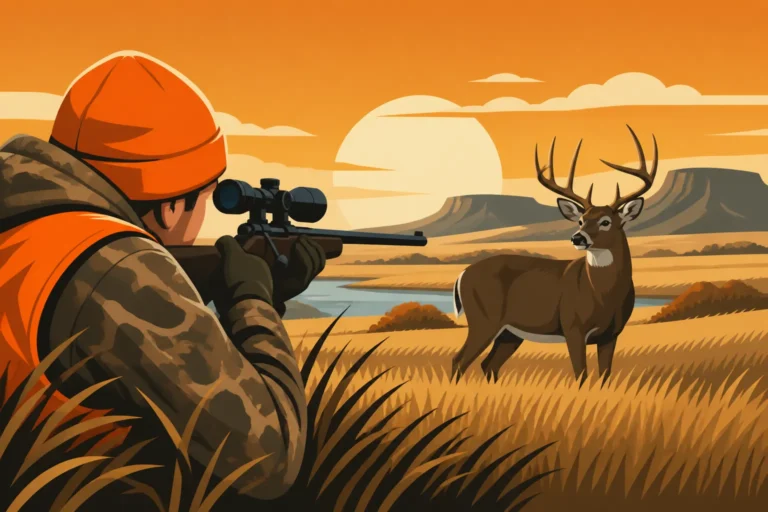
Hunting a clover plot at first light can be one of the most exciting, yet nerve-wracking, experiences for any deer hunter. The challenge isn't just about finding the deer; it's about getting into position without alerting those keen senses when the woods are just barely waking up, and deer might already be on their breakfast buffet. This guide will help you understand deer behavior around clover plots in North Dakota and equip you with the strategies to successfully hunt them during those critical early morning hours.
Understanding Clover Plots and Early Morning Deer Behavior
Clover plots are absolute magnets for deer, drawing them in with their rich nutrition and delicious taste. But hunting them effectively at dawn requires a deep understanding of why deer love them and what unique challenges those pre-sunrise moments present.
Why Deer Love Clover Especially at Dawn
Deer, much like us, are driven by their stomachs, and clover offers an irresistible combination of high protein and easy digestibility that makes it a top choice for their diet. A well-maintained clover plot provides a consistent, high-quality food source that deer will seek out regularly. It’s particularly appealing after a night of activity, when they’re looking to refuel before heading to their bedding areas. Think of it as their favorite diner, always open for a hearty breakfast.
These plots are often strategically placed in transition zones, tucked away between bedding cover and larger agricultural fields, making them a natural stopping point for deer moving between evening feeding and morning rest. The cool, damp air of dawn often enhances the aroma of the clover, making it even more enticing to a hungry whitetail. It's not just about calories; it's about the optimal nutrition for antler growth and overall health, which is why mature bucks and does alike gravitate to them.
The Challenges of First Light Hunting
While enticing, hunting clover plots at first light comes with its own set of hurdles. One of the biggest is simply the low light. What looks like a clear shooting lane at midday can be a maze of shadows and indistinct forms in the gloom before the sun crests the horizon. Your ability to identify your target and place an ethical shot is significantly reduced.
Another major challenge is the potential for deer to already be on the plot when you make your approach. Deer are early risers, and many will already be feeding actively, or at least lingering, on the clover before legal shooting light. Spooking them on your way in is a common frustration, turning a promising hunt into a bust before it even truly begins. We’ve all been there, hearing that tell-tale snort-wheeze in the pre-dawn darkness as a deer busts out of the plot you were just about to settle in on.
Then there's the ever-present battle against scent and noise. As the day begins, thermals can be tricky, often sinking initially then gradually rising with the sun, carrying your scent in unpredictable directions. Any crunch of leaves or accidental twig snap during your approach can echo in the quiet morning air, signaling your presence to deer that are already on high alert. This is where meticulous planning and a disciplined approach truly pay off, helping you overcome these inherent difficulties.
Strategic Approach and Setup for Clover Plots
Success in hunting a clover plot at first light isn't just about showing up; it's about a well-thought-out plan that minimizes your impact and maximizes your opportunities. Every decision, from your entry route to your stand placement, plays a crucial role.
Scouting Your Entry and Exit Routes
Long before the season even opens, dedicated scouting is paramount. This isn't just about finding the plot itself, but about understanding the surrounding terrain and how deer use it. I always recommend using mapping tools, like the ones offered by GoHunt, to identify potential pinch points, natural funnels, and dense cover that can shield your approach. Look for any draws, creek beds, or low spots that allow you to stay out of sight and sound as you move towards your stand.
The wind direction is the absolute king when it comes to planning your approach. You should never, ever, approach a clover plot with the wind blowing your scent directly into it or across typical deer travel lanes leading to it. This means having multiple entry and exit routes scouted for different wind directions is essential. For instance, if the plot is bordered by a dense shelterbelt, you might plan an entry route that parallels the wind, keeping your scent off the plot itself. This same meticulous planning applies to your exit route, ensuring you don't blow out deer that may still be lingering near the plot or moving towards bedding cover.
Consider the actual ground you'll be covering. If you can, clear any noisy leaves, sticks, or brush from your preferred path before the season. This might seem like overkill, but the silence it affords you in the pre-dawn darkness is invaluable. When you're planning your entry, remember that deer often travel along features like fencelines or field edges. Utilizing these natural corridors, while staying just inside the timber or brush, can greatly improve your chances. If a clover plot is adjacent to a field of standing sunflowers, for instance, you might find that using "Entry Routes Through Standing Sunflowers" offers excellent concealment and minimizes noise, especially on those calm, dewy mornings.
Optimal Stand or Blind Placement
Once you've nailed down your approach, the next critical step is selecting the perfect location for your stand or ground blind. Again, wind dictates everything. You must position yourself so that your scent cone blows away from the plot and any likely deer travel routes. This often means being on the downwind side, or at least crosswind, of where you expect deer to approach and feed.
Placement should be just inside the edge of cover, whether that's a tree line, a thicket, or a brushy fenceline. The goal is to blend in completely with your surroundings, breaking up your outline against the backdrop. For a treestand, aim for a height that gives you a good vantage point while allowing your scent to dissipate above deer level for as long as possible. For ground blinds, brush them in extensively, making them look like a natural part of the landscape. Remember that on North Dakota's expansive public lands, using a ground blind on PLOTS land can be a fantastic option, offering flexibility and concealment, but requires proper setup.
Crucially, trim your shooting lanes before the season. This ensures clear, unobstructed shots at all the vital areas of the clover plot and its approaches. You don't want to be fumbling with a saw or struggling to thread an arrow through a tiny gap when that buck steps out. Also, consider the sun. At first light, the rising sun can be a killer if it's directly in your face, making it hard to see. Conversely, having it directly behind you can silhouette your form, making you an easy target for a deer's keen eyesight. Position yourself so the sun either doesn't factor, or provides a slight advantage, perhaps illuminating the deer without glaring into your eyes. If you’re hunting a clover plot along a tree line, think about "Hunting a Shelterbelt Edge for Deer" as this provides excellent cover and natural funnels for deer movement.
Executing Your First Light Clover Hunt
All the scouting and preparation in the world won't matter if your execution falters. The moments leading up to and during shooting light are incredibly delicate, and precision is key.
Timing Your Arrival and Setup
This is where the rubber meets the road. To avoid bumping deer already on the plot, you absolutely need to arrive early – and I mean early. For first light hunting over a clover plot, I aim to be in my stand or blind a good 60 to 90 minutes before legal shooting light. This gives you ample time to move slowly, deliberately, and quietly, allowing the woods to settle down around you before the deer begin their earnest morning movements.
Your entry must be as silent as a ghost. Every step should be intentional. Lift your feet, place them down gently, and use the terrain to your advantage to muffle any sound. Headlamps should be used sparingly, and only with a red or green light filter, as the white beam can spook animals from a surprising distance. Even with all the pre-season clearing, you'll inevitably encounter some noise-makers, so move at a snail's pace.
Scent control becomes paramount at this hour. Shower with scent-eliminating soap, use clean hunting clothes, and apply scent eliminators diligently. Remember those tricky thermals at dawn? They often drop into low areas before starting to rise with the sun, so paying attention to your scent is a constant battle. If you've been diligently watching a GoHunt map for wind predictions, you'll know exactly how crucial your chosen entry is. Getting set up in total darkness allows your scent to begin dissipating and the area to calm before deer start moving.
Reading the Morning and Taking the Shot
Once you're settled in, the most important virtue you can possess is patience. Resist the urge to draw or even lift your binoculars until legal shooting light is well established. The subtle increase in ambient light will eventually define shapes and forms more clearly. This is a great time to observe. Deer already on the plot might offer clues to their behavior, showing you where they prefer to enter, exit, or focus their feeding. Look for subtle shifts in the air currents; understanding how thermals are changing as the sun rises can tell you if your scent is still being carried away or starting to drift.
When the moment of truth arrives, and you have legal shooting light and a clear shot, focus on ethical shot placement. Practice shooting in low-light conditions before the season. Your target acquisition should be second nature. Don't rush. Wait for the deer to present a broadside or quartering-away shot. While not directly related to clover plots, understanding general deer vocalizations, like how "Grunt Calls in River Bottom Timber" can attract curious deer, can be valuable. A soft grunt might even get a deer to stop for that perfect shot opportunity. However, at first light, deer are often less responsive to aggressive calling unless they are already moving through the area.
If you're hunting open prairie near a plot, you might consider using rattling for a buck, but know your audience. The "Rattling Volume on the Open Prairie" needs to be adjusted based on the calm morning air; a softer, subtle rattle can be more effective than an aggressive clash that might spook deer already close by. The key is to be an observer first, and a participant second, letting the morning unfold before acting.
Post-Shot Strategy and Recovery
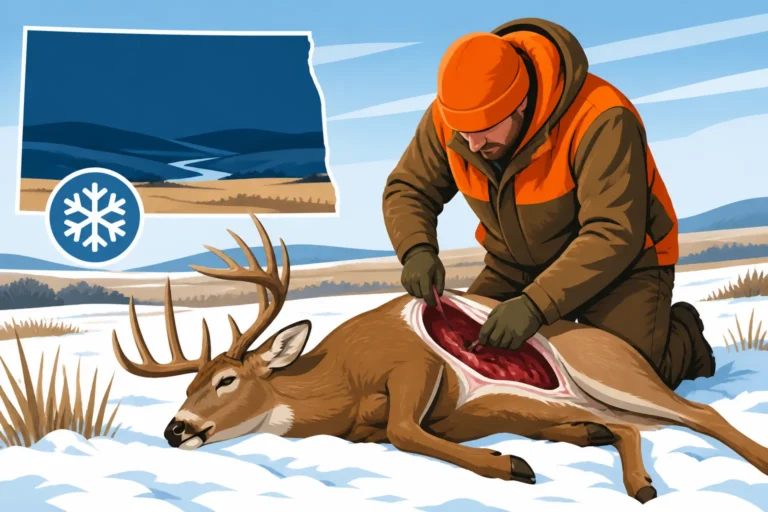
You've taken the shot – now what? The biggest mistake many hunters make is rushing the recovery. No matter how confident you are in your shot, always give the deer time. For a suspected gut shot, that might mean waiting 6-8 hours. For a good lung shot, 30-60 minutes is usually sufficient. Use this time to calm your nerves, replay the shot in your mind, and mentally mark where the deer was standing and its last known direction of travel.
Before you even step out of your stand, mark the precise spot the deer was standing when you shot it, and then mark the last place you saw it. Use a landmark, a GPS point, or a piece of flagging tape. These reference points are crucial, especially in the low light of early morning or if the deer has run into thick cover. When you do get down, approach slowly and cautiously, looking for signs: blood, disturbed earth, broken branches. Tracking a deer can be challenging, particularly if the blood trail is sparse. Knowing strategies for "Blood Trailing After Dark in North Dakota" can be invaluable if your initial daylight search is unsuccessful, preparing you for a more thorough search later.
If the deer runs into challenging terrain, like a deep ravine or coulee, be prepared for a difficult recovery. Understanding how to handle situations like "Recovering a Deer From a Coulee" can save you a lot of headache and ensure you don't lose your animal. Always prioritize safety and take your time. A successful hunt isn't just about the shot, but the responsible and efficient recovery of your game.
| Stand/Blind Type | Pros for First Light Clover Hunting | Cons for First Light Clover Hunting |
|---|---|---|
| Treestand | Elevated vantage point, scent dissipates better, good visibility over plot. | Noisy to get into in dark, limited mobility, requires suitable trees. |
| Ground Blind | Excellent concealment, easy to set up pre-season, good for bowhunters, can be warmed. | Scent closer to ground, limited visibility over tall vegetation, requires brushing in. |
| Natural Blind | Cost-effective, blends perfectly, adaptable to terrain. | Limited concealment options, less weather protection, requires careful scouting/construction. |
Disclaimer
Hunting is an inherently unpredictable activity. While these strategies are designed to increase your success, there is no guarantee of harvesting game. Always prioritize safety, adhere to all North Dakota hunting regulations, and respect wildlife and private property. Conditions can change rapidly, so be prepared for various scenarios and always let someone know where you are hunting.