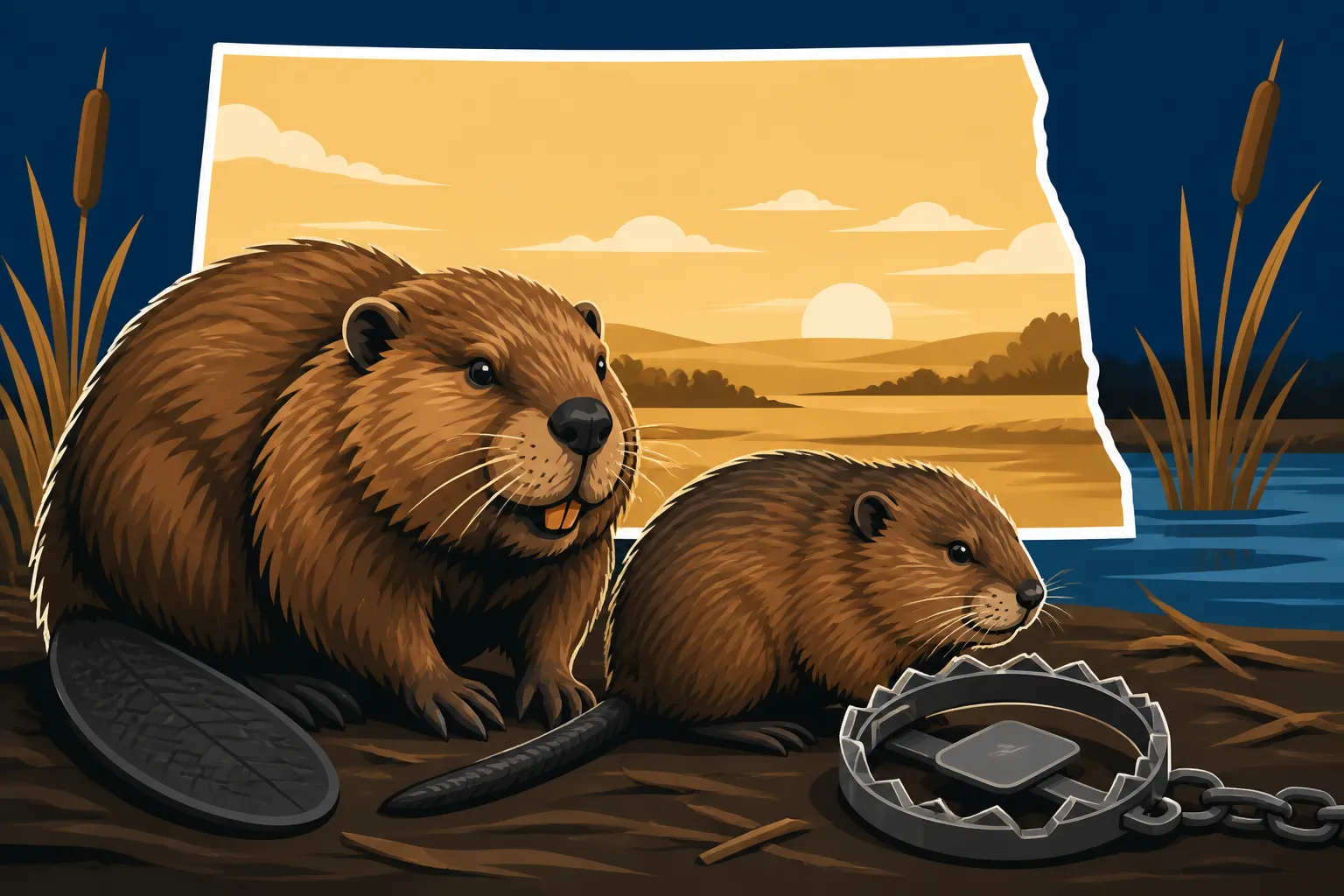
Trapping North Dakota Beaver and Muskrat
For many folks across North Dakota, the thought of beaver and muskrat can bring a mixed bag of feelings. Maybe you’re a landowner dealing with a flooded culvert or eroding streambank, or perhaps you're an aspiring trapper eager to connect with the land and harvest some valuable fur. Whatever your motivation, navigating the specifics of trapping these semi-aquatic furbearers can feel a bit daunting, with regulations, effective techniques, and ethical considerations all weighing on your mind. This guide aims to demystify the process, offering practical advice and a clear roadmap for successful and responsible beaver and muskrat trapping in our beautiful state.
Understanding North Dakota's Furbearer Regulations and Seasons
Before you even think about setting a trap, understanding the rules of the game is absolutely paramount. North Dakota takes its wildlife management seriously, and for good reason. These regulations ensure healthy populations and responsible harvesting for all trappers. It’s not just about avoiding a fine; it's about being a good steward of the resource. Without a solid grasp of the legal framework, you could inadvertently break the law, or worse, negatively impact the very furbearer populations you’re hoping to manage.
Essential Licensing and Permitting
First things first: you need the right paperwork. Just like with hunting, trapping requires specific licenses. Every trapper, regardless of age, needs a valid furbearer license. For residents, this typically means a general game and habitat license along with the furbearer license itself. Non-residents have a slightly different structure, but the principle is the same. You can find detailed information on these requirements, including costs and purchase options, on the North Dakota Game and Fish Department's website, or even review general details in our comprehensive guide on North Dakota Hunting Licenses and What They Cost. It’s always a good idea to check the current year’s proclamation as dates and specific rules can sometimes shift. Don’t wait until the last minute; make sure your licenses are in order before heading out.
Beyond the general furbearer license, there might be specific permits or considerations depending on where you plan to trap. For example, if you're on federal lands like a Waterfowl Production Area (WPA) or National Grassland, there could be additional restrictions or requirements. Private land, of course, always necessitates permission from the landowner, and it's best to get that in writing to avoid any misunderstandings. It's truly a no-brainer that having proper permissions sorted out is just as important as having your license. The North Dakota Trapping License Requirements outlines everything you need to know about what's legal to carry in the field.
Open Seasons for Beaver and Muskrat
Timing is everything in trapping, and knowing the open seasons for beaver and muskrat is critical. While beaver seasons in North Dakota are often quite liberal, sometimes running from early fall well into spring, muskrat seasons tend to be more restrictive, usually aligning with cooler weather when their fur is prime. These dates are set by the North Dakota Game and Fish Department and are published annually in the furbearer proclamation. It's your responsibility to know these dates cold. Trapping outside of the open season, even by accident, can lead to significant penalties.
For beaver, their long season often allows trappers to target them when waterways are open or later in the winter under the ice. This flexibility is a huge advantage. Muskrat, on the other hand, are often targeted more intensely during their shorter window, typically in late fall and early winter. This is when their pelts are at their thickest and most valuable. Remember, these seasons are in place to ensure sustainability. Always consult the official North Dakota Game and Fish Department proclamation for the most current and accurate season dates before planning any trips or thinking about Running a Trapline in Rural North Dakota.
Effective Beaver Trapping Strategies
Beaver are powerful, intelligent animals, and trapping them effectively requires a blend of observation, proper equipment, and strategic set placement. They can cause significant property damage through dam building and tree cutting, which is often why landowners seek to have them removed. However, they also play a vital role in wetland ecosystems, so responsible trapping is key. The goal isn't just to catch a beaver, but to do so efficiently and humanely.
Essential Gear and Setup Locations
When it comes to beaver trapping, you'll primarily be looking at two main types of traps: large body-grip traps (often called "Conibear" or "connibear-style" traps) and foothold traps. Conibear traps, like the #330 or #280, are designed for quick, humane dispatch and are often favored for their efficiency. Footholds, typically a #3 or #4, are also effective, especially in situations where a body-grip might be difficult to set safely or legally. Always check your specific regulations regarding legal trap sizes and setting methods. For example, some areas might have restrictions on how close a body-grip trap can be to a public trail. Using a tool like GoHunt's map features can help you scout potential locations and note any public access restrictions from the comfort of your home.
Prime locations for beaver sets include active runs, dam breaks, lodge entrances, and feed piles. Look for freshly cut saplings, mud slides on banks, and channels where beaver are consistently traveling. Submerged sets are highly effective, as beaver often travel underwater. Setting a #330 body-grip trap in a narrow run that forces the beaver through the trap can be incredibly productive. For footholds, blind sets along a bank where a beaver climbs out, or castor mound sets (using beaver castor as a lure) are excellent choices. Always secure your traps properly to something solid, like a heavy stake or a nearby tree, to prevent the beaver from dragging it away. Thinking about North Dakota Beaver Population and Damage can help you identify areas where trapping might be most beneficial for landowners or resource management.
Advanced Beaver Trapping Techniques
Moving beyond the basics, advanced beaver trappers often employ strategies that maximize efficiency and success, especially in challenging conditions. One such technique is the "dam break set," where you intentionally breach a beaver dam just enough to create a flow, then set a large body-grip trap in the resulting current. Beaver are compelled to repair their dams, and they’ll often swim directly into your trap while attempting to plug the breach. This is a classic and highly effective method.
Another advanced approach involves understanding and exploiting water levels. In areas with fluctuating water, beaver will often use specific channels or deeper pockets. Learning to read these subtle cues and setting traps in pinch points that concentrate beaver movement can be a game-changer. For example, if you notice beaver are consistently using a deeper channel to access a new food source, setting a conibear there, perhaps even using a natural constriction, can yield excellent results. Pay close attention to current conditions, especially after heavy rains or snowmelt, as these can drastically alter beaver travel routes. While you're at it, remember to check into North Dakota River Otter Trapping Season if you're targeting other furbearers in similar habitats; otter can sometimes be caught incidentally in beaver sets.
Mastering Muskrat Trapping
Muskrats are prolific furbearers found in nearly every wetland and waterway across North Dakota. Their fur is often sought after, and they provide an excellent opportunity for both novice and experienced trappers. While smaller than beaver, they require their own specific tactics and attention to detail.
Ideal Trap Types and Set Placements
For muskrats, smaller body-grip traps, typically the #110 or #120, are the workhorse. They are efficient and humane. Foothold traps, particularly the #1.5 coilspring or longspring, are also excellent choices. Again, always ensure your traps meet legal size requirements and are set appropriately. Muskrats are less powerful than beaver, so smaller, lighter anchoring systems are usually sufficient, but still ensure they cannot escape with the trap.
Muskrats favor shallow water environments, marshes, sloughs, and the edges of ponds and rivers. Look for their distinctive "push-ups" (mounds of vegetation built in shallow water), feed beds, and runs along the bank or through aquatic vegetation. Prime set locations include narrow channels in cattails, entrances to bank dens, and trails leading to feed beds. A simple "run set" with a #110 body-grip trap placed in a well-used muskrat travel lane can be incredibly effective. Another classic is the "feed bed set," where a trap is placed on a muskrat's feeding platform. Using a carrot, apple, or even commercially available muskrat lure can enhance these sets. GoHunt’s detailed aerial maps can be incredibly useful for pinpointing these marshy areas and identifying ideal spots for muskrat sign before you even leave your truck.
Seasonal Muskrat Strategies and Under-Ice Trapping
Muskrat trapping success is highly seasonal. The best time for prime fur is typically late fall and early winter, once temperatures have consistently dropped. During this period, muskrats are actively foraging and building up their winter reserves, making them more predictable in their movements. As winter sets in and ice forms, under-ice trapping becomes a dominant strategy. This technique involves cutting holes in the ice to access muskrat runs, push-ups, or bank dens, then setting traps below the surface. This can be very productive as muskrats are confined to underwater travel routes.
When trapping under the ice, specialized tools like an ice chisel or auger are necessary. You’ll need to locate active areas – look for bubbles under the ice, which indicate muskrat activity, or feel for solid push-ups that haven't frozen solid. Placing a #110 or #120 body-grip trap directly into a run or at the entrance to a push-up can yield consistent catches. Make sure to mark your sets clearly to prevent accidents and to make locating them easier, especially under fresh snow. Don't forget to check the North Dakota Muskrat and Mink Trapping Trends to get an idea of population dynamics and what to expect in a given season, helping you refine your strategies.
Essential Gear for the North Dakota Trapper
Beyond the traps themselves, a successful and safe trapping season relies heavily on having the right supplementary gear. A well-equipped trapper is a more efficient and comfortable trapper.
| Item | Purpose | Beaver Trapping Specifics | Muskrat Trapping Specifics |
|---|---|---|---|
| Traps | Primary capture device | #330, #280 Body-Grips; #3, #4 Footholds | #110, #120 Body-Grips; #1.5 Footholds |
| Trapping Tools | Setting, securing, and retrieving traps | T-bar, setter tool (for body-grips), pliers, wire | Small setter tool (for #110), pliers, snare wire |
| Waders/Hip Boots | Staying dry in aquatic environments | Chest waders essential for deep water | Hip boots often sufficient for shallow marshes |
| Gloves | Protection and scent control | Waterproof, insulated for cold water | Standard work gloves, sometimes waterproof |
| Axe/Hatchet/Saw | Cutting branches, ice, preparing stakes | Crucial for ice holes, cutting anchor stakes | Useful for cutting through ice or vegetation |
| Pack/Basket | Carrying traps, lures, gear | Large capacity for bulky traps and anchors | Smaller, lighter for quick trips |
| Lures/Baits | Attracting furbearers | Commercial beaver lure, castor, aspen branches | Commercial muskrat lure, carrot, apple, sweet corn |
| Poles/Stakes | Anchoring traps, guiding animals | Heavy rebar or wood stakes for beaver | Lighter stakes for muskrats |
| Safety Gear | First aid, knife, rope | Always carry a knife, personal locator beacon | Standard first aid kit, extra clothing |
| Mapping/Navigation | Finding locations, marking sets | GPS, phone with mapping app (e.g., GoHunt), compass | GPS, phone, physical map |
Post-Capture Care and Pelt Preparation
Once you’ve successfully trapped a beaver or muskrat, the work isn't over. Proper handling and pelt preparation are crucial to maximizing the value of your catch. A poorly handled pelt fetches a much lower price, essentially undermining all your hard work. Ethically, we also want to ensure the animal is dispatched humanely and processed respectfully.
For both beaver and muskrat, the first step is quick and humane dispatch if the animal is still alive, followed by immediate care to prevent spoilage. This means keeping the carcass cool, especially in warmer weather. The real work begins with skinning. Both species require careful skinning to avoid cuts or damage to the valuable fur. Beaver are typically "blanket" or "round" skinned, while muskrats are "cased" skinned. This process involves precise cuts and careful separation of the hide from the flesh. Having sharp knives and a proper fleshing beam is invaluable here.
After skinning, the pelt needs to be fleshed – removing all fat and membrane from the hide. This is a critical step for preventing spoilage and ensuring a clean, supple leather. Finally, the pelt is stretched and dried. Beaver pelts are traditionally stretched on large, round hoops, while muskrat pelts are stretched on wire or wood stretchers designed for cased furs. Proper stretching ensures a uniform shape, which also contributes to better market value. Air drying in a cool, well-ventilated area is essential. Avoid direct sunlight or excessive heat, which can damage the fur. With the market often fluctuating, understanding these nuances is essential, much like understanding the specific dynamics of North Dakota's Expanding CWD Hunting Units for deer hunters—each requires specialized knowledge for success and compliance.
Ethical Considerations and Conservation Practices
Trapping, like all forms of wildlife harvest, comes with a deep responsibility. Ethical trappers prioritize humane methods and contribute to conservation. This means using properly sized and maintained traps, checking traps frequently (daily is generally recommended and often required by law), and dispatching animals quickly and humanely. Minimizing non-target catches is also a key ethical consideration. This can be achieved through careful set placement and avoiding areas where other species might be at risk.
Furthermore, trappers can play an active role in conservation. By removing nuisance animals, trappers can help landowners mitigate property damage and maintain ecological balance. For example, trapping beavers in areas where they are causing flooding can protect valuable timber or agricultural land. By reporting unusual wildlife observations or disease signs to the North Dakota Game and Fish Department, trappers contribute valuable data to wildlife management efforts. Participation in trapper education courses is also highly recommended, as these programs instill best practices and foster a strong conservation ethic. Always strive to leave the environment as you found it, packing out all trash and minimizing your impact on the landscape. Consider looking into resources for North Dakota Wildlife Management Areas to see how you can further contribute to responsible land use.
Disclaimer
The information provided in this guide is for informational purposes only and is not a substitute for official North Dakota Game and Fish Department regulations. Hunting and trapping laws, dates, and regulations can change frequently. Always consult the most current official North Dakota Game and Fish Department proclamation and local land use regulations before engaging in any hunting or trapping activities. It is the responsibility of the individual to know and follow all applicable laws.