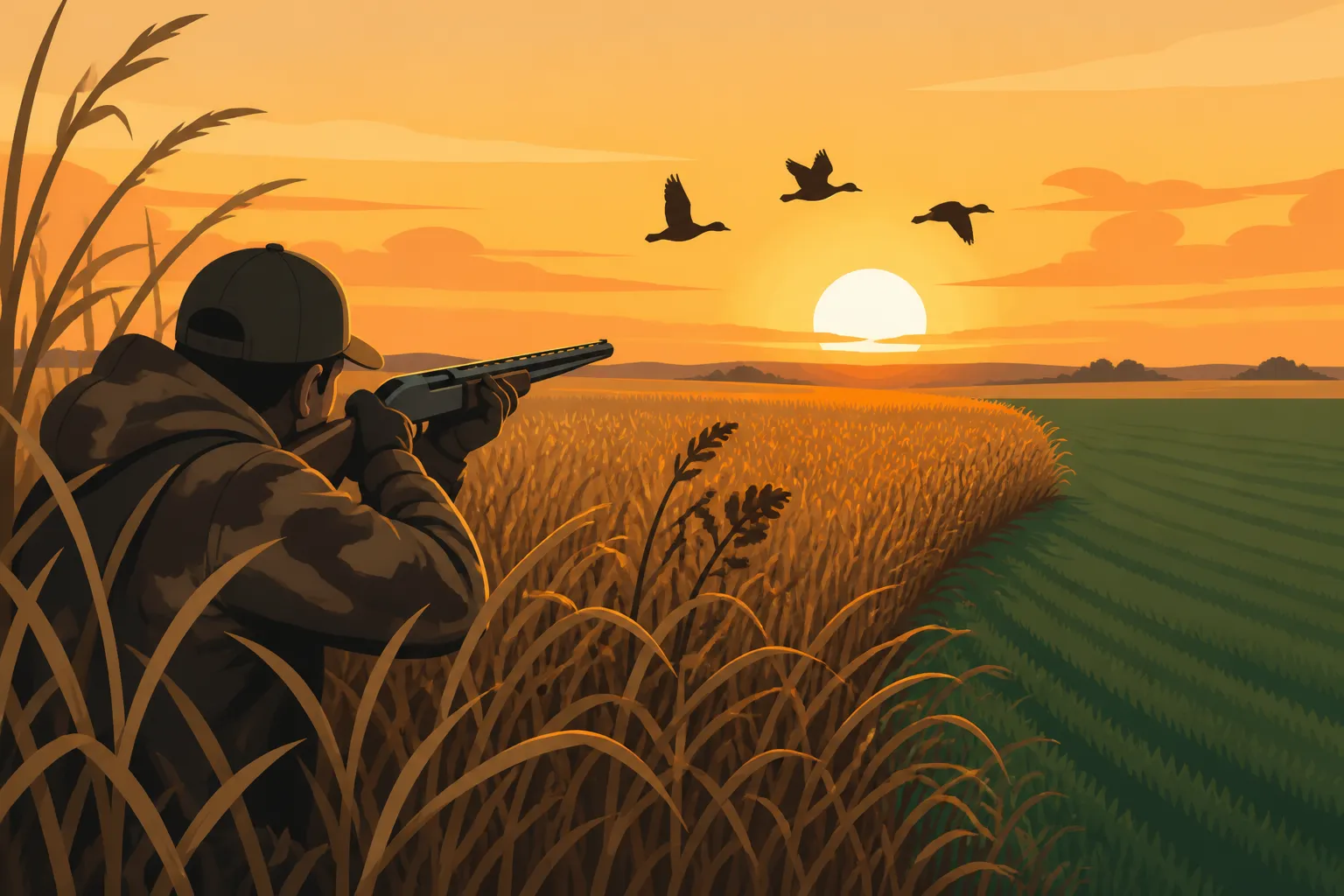
Hunting a CRP Field Edge at First Light
There’s nothing quite like the crisp air of a North Dakota morning, the frost crunching underfoot as you make your way to a prime hunting spot. But let’s be real, successfully hunting a CRP field edge at first light is often easier said than done, fraught with challenges like unpredictable wind shifts and the constant worry of spooking game before legal shooting hours even begin. This guide aims to pull back the curtain on these frustrations, offering deep insights and actionable strategies to significantly increase your chances of connecting with that buck or rooster as the prairie awakens.
Why CRP Edges Are Morning Hotspots
Those sprawling fields of Conservation Reserve Program (CRP) land in North Dakota aren't just pretty to look at; they are absolute magnets for wildlife, especially during the critical low-light hours of dawn. CRP offers a unique blend of dense cover, thermal regulation, and often, proximity to vital food sources. For a deer, it’s a secure bedroom. For a pheasant, it’s a haven. Understanding why these edges are so attractive at first light is the first step in formulating a successful hunting strategy. Animals feel safe emerging from or returning to the thick cover under the cloak of darkness, making that transition zone where the CRP meets a field or timber line incredibly active.
Understanding CRP Habitat and Deer Movement
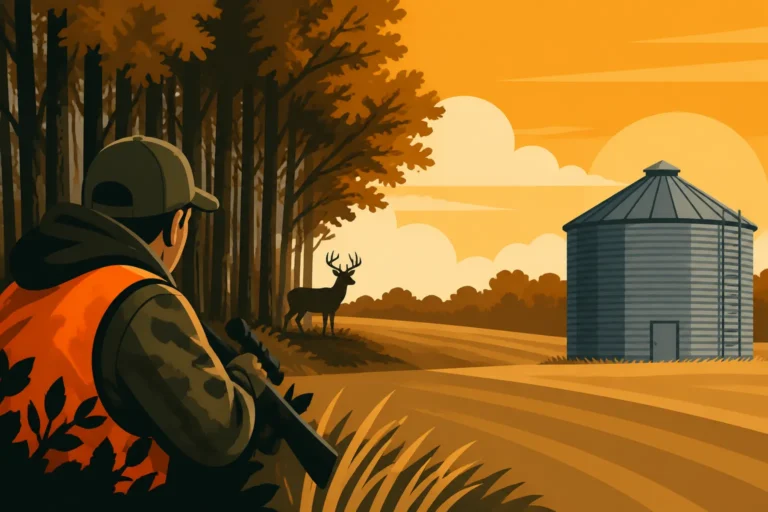
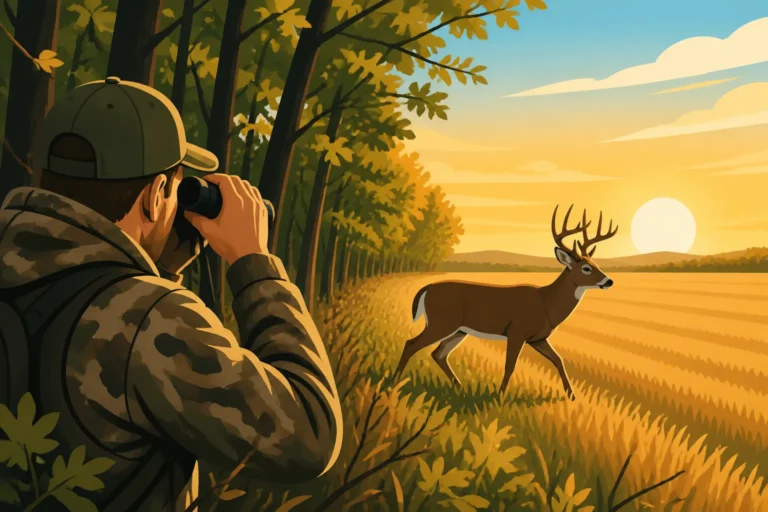
CRP land is specifically designed to take marginal cropland out of production, allowing it to revert to native grasses, wildflowers, and other beneficial vegetation. This dense, often chest-high cover provides phenomenal bedding and thermal protection for deer, particularly during the brutal North Dakota winters. When it comes to deer movement, especially at first light, they’re typically moving in one of two directions: either from a feeding area back into the CRP to bed down, or, less commonly, emerging from the CRP to head towards a nearby food plot or agricultural field. The key is identifying these patterns. Imagine a buck that’s been out all night feeding on standing corn or a green winter wheat field. As the sun begins to lighten the eastern sky, his internal clock tells him it’s time to seek the sanctuary of that thick CRP. He'll follow established trails, often along the edge, using the cover for security. This is your window.
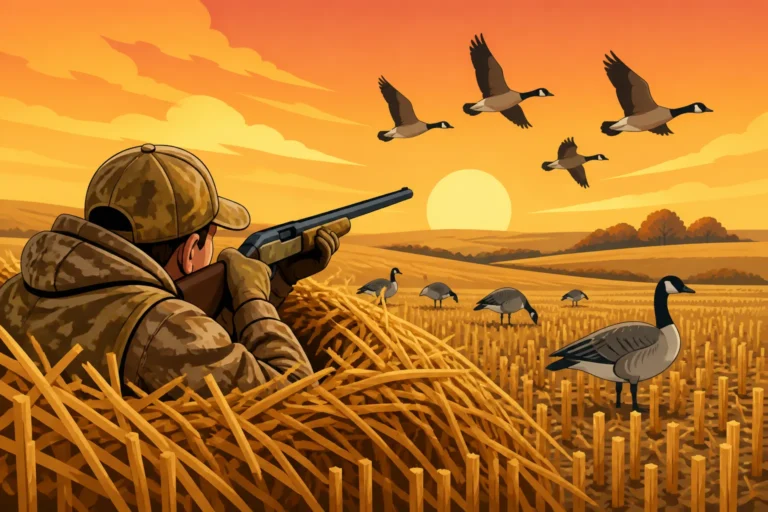
Conversely, pheasants often roost in tall CRP grass overnight and will start moving towards grain fields or areas with more sparse cover to feed and dust as light increases. The edges are their highways, too. You can use tools like GoHunt's mapping features to identify these expansive CRP blocks and observe how they connect to other habitat types, such as nearby timber, shelterbelts, or agricultural fields. This visual intel can be crucial for predicting where deer or pheasants will be moving.
Reading the Landscape for Optimal First Light Access
Approaching a CRP field edge effectively at dawn requires careful consideration of several factors: wind direction, thermals, and identifying discreet entry routes. The open nature of much of North Dakota's landscape means wind is almost always a factor, and at first light, thermals begin to change, often shifting from downhill drafts to uphill currents as the sun warms the earth. Ignoring these can spell disaster.
First, always check the wind. A prevailing west wind might be your friend if you’re approaching from the east, but a slight shift can put your scent right into the bedding area. A reliable weather app or dedicated hunting app can provide real-time wind speed and direction, which is essential for planning your approach. When hunting CRP edges, think about areas where the CRP transitions into timber, a creek bottom, or a slight elevation change. These subtle landscape features can funnel deer movement and provide natural cover for your approach. You want to pick an entry route that keeps your scent out of the primary travel corridors and potential bedding areas. This might mean walking an extra half-mile, but it's worth it to avoid blowing your hunt before it even begins. Remember, the goal is to be set up well before the first hint of civil twilight, minimizing your disturbance. Looking at aerial photos on your GoHunt app can really highlight these subtle features, helping you identify safe, covered approaches and potential funnel points along the edge. Sometimes, what looks like a flat, featureless edge from the road reveals subtle dips, fencelines, or even a small clump of trees that can offer concealment upon closer inspection.
Strategic Approaches for First Light Success
Hunting a CRP field edge at first light isn't just about showing up; it's about a calculated, disciplined approach that respects the acute senses of the animals you're pursuing. Every step, every movement, and every scent molecule matters when you're trying to intercept wildlife at their most vulnerable yet vigilant time of day. This meticulous planning is what separates a successful hunt from just a nice morning walk.
Stealth and Scent Control for Early Morning Hunts
Let's be blunt: deer and pheasants have noses that put most bloodhounds to shame. At first light, when the air is cool and damp, scent travels particularly well. This makes scent control absolutely paramount. It’s not just about spraying down with scent eliminator; it’s a whole regimen. Start with scent-free laundry detergent for your hunting clothes. Shower with scent-free soap, and store your hunting gear in airtight containers or bags, away from household odors like gasoline, food, or campfire smoke.
When you're walking in, move slowly and deliberately. If there's frost or snow on the ground, every step will be amplified. Try to pick routes that minimize noise – perhaps along an old tractor path, a grassy two-track, or even in the ditch alongside a field if it offers cover and a favorable wind. Avoid snapping twigs or rustling dry leaves if at all possible. This commitment to stealth begins long before you even leave your truck. Think about your gear: minimize metal-on-metal clanking, ensure zippers are quiet, and carry only what you truly need to reduce bulk and potential noise. Even the crunch of fresh snow can carry a long way across the open prairie, so picking your path carefully, especially during a North Dakota deer camp, can make all the difference.
Stand Placement and Ground Blind Considerations
Choosing where to set up along that CRP edge is critical. For deer, you're looking for pinch points, funnels, or areas where trails converge. These might be where the CRP narrows between two fields, where a small drainage intersects the edge, or where a slight rise offers a vantage point without silhouetting yourself.
Tree Stands: If there are trees along the edge, a well-placed tree stand offers several advantages. It gets your scent up and away from ground level, assuming a favorable wind. It also provides a better vantage point for spotting deer moving through the taller grass of the CRP or along its boundary. When hanging a stand on a shelterbelt edge, consider the angle of the rising sun to avoid glare and how shadows will play at first light. You want to be hidden in the shadows, not against the bright sky.
Ground Blinds: In many parts of North Dakota, mature trees are scarce, making ground blinds a primary option. The key to a successful ground blind setup is brushing it in naturally well in advance. Don't just pop up a blind the morning of the hunt. Deer are wary of new objects. If possible, set it up weeks before the season, allowing animals to become accustomed to its presence. Place it just inside the CRP edge, or slightly off it, to break up your silhouette. Ensure you have clear shooting lanes without having to make excessive noise to open windows. For hunters targeting pheasants, a carefully placed ground blind, or even just using natural terrain for concealment, can be effective where CRP meets a crop field. For general guidance, check out tips on using a ground blind on PLOTS land.
Integrating Technology and Scouting
In today's hunting world, technology isn't a crutch; it's an essential tool for maximizing your chances. Pre-season scouting, both boots-on-the-ground and digital, is non-negotiable for first-light success on CRP edges.
Mapping Apps: Utilize mapping apps like those found on GoHunt. These platforms allow you to overlay public land boundaries, identify CRP tracts, analyze topography for funnels and bedding areas, and mark potential stand or blind locations. You can even use them to scout from home, pinpointing likely travel corridors and entry/exit routes long before you ever step foot in the field. This helps you develop a strategic plan that you can then confirm with real-world scouting.
Trail Cameras: Deploying trail cameras along CRP edges can provide invaluable intelligence. Position them on known game trails, at fence crossings, or where field edges meet. Check them regularly (but sparingly, to avoid disturbing the area) to understand deer movement patterns: when are they using that edge? Are they entering or exiting the CRP? Which direction are they heading? This data allows you to fine-tune your setup and hunting times. Observing reading North Dakota mud for fresh deer movement can help you decide where to place these cameras for maximum impact.
Wind and Weather Apps: As mentioned, wind is critical. A reliable weather app that provides hourly wind forecasts, direction, and even thermal predictions can guide your morning approach. You want to be able to predict how your scent will carry and adjust your strategy accordingly. Don't forget to account for North Dakota's propensity for sudden weather changes, which can drastically alter animal behavior.
Overcoming North Dakota's Unique Challenges
North Dakota is a land of wide-open spaces, stark beauty, and formidable hunting challenges. While CRP edges are productive, the specific environment of the state adds layers of complexity that hunters must respect and prepare for. From the relentless wind to the pressure on public lands, anticipating these issues is half the battle.
Navigating Open Prairie and Weather Variables
The North Dakota prairie is notoriously open, which makes stealthy approaches to CRP edges particularly challenging. Without dense timber to hide your movements, you're often exposed. This amplifies the need for pre-dawn entry and slow, deliberate movement. Utilize any available terrain features like coulees, draws, or even the slight undulations of the landscape to stay hidden.
The weather in North Dakota is another beast entirely. High winds are common, which can play havoc with scent control, but also can work in your favor by masking sound. Cold snaps, especially in late fall and early winter, can shift deer patterns dramatically towards thicker cover and specific late-season food sources for North Dakota whitetails. Snow, while beautiful, can make stealth difficult due to the amplified crunching sounds, but it also provides excellent opportunities for tracking a deer in fresh prairie snow. Always dress in layers, prioritizing warmth and moisture-wicking materials. A bitter morning on a CRP edge can turn a fantastic opportunity into a miserable experience if you’re not properly insulated. Remember that even if you're not in the Badlands, wind and thermals in Badlands terrain principles still apply to varying degrees across the state.
Dealing with Hunting Pressure on Public Land
North Dakota boasts a robust PLOTS (Private Land Open To Sportsmen) program, offering excellent public access, but popular areas can see significant hunting pressure, especially around prime CRP fields. This pressure can push deer deeper into cover or make them nocturnal. The trick is to find those less-pressured spots or to hunt smart where pressure is unavoidable.
One strategy is to walk further than most. While many hunters stick close to road access points, animals quickly learn to avoid these areas. By putting in the extra mileage, you might find an overlooked pocket of CRP that holds undisturbed game. Using the GoHunt app or the official ND Game and Fish PLOTS guide to scout areas for public access that might require a bit more effort to reach can pay dividends. Consider hunting mid-week when pressure is typically lighter, or focusing on areas that require crossing different habitat types, which can deter casual hunters. Understanding how many acres of PLOTS land North Dakota has can give you perspective on the vastness, but also the concentration of hunters.
Another approach is to be patient and observant. Watch how deer react to pressure in your chosen area. Do they bolt into the deepest part of the CRP, or do they sneak out the back side into adjacent private land? Knowing their escape routes can inform your next setup. For more detailed information on public access, be sure to check out the PLOTS program explained. When scouting PLOTS land with the ND Hunt app, pay attention to the boundaries; knowing finding North Dakota property lines is crucial to stay legal.
Post-Shot Strategy and Recovery
Connecting with a deer or pheasant at first light on a CRP edge is exhilarating, but the work isn’t over. Recovering your game, especially a deer, requires a clear plan. CRP grass, while excellent cover, can make blood trailing incredibly difficult. The thick vegetation can wick away blood, making sparse trails even harder to follow.
If you make a shot on a deer, take a moment to compose yourself and mentally mark the exact spot where the animal was standing and where it went into the CRP. Do not immediately rush in. Give the deer time, at least 30 minutes for a good shot, and several hours for a questionable shot, to expire. This reduces the chance of bumping a wounded animal and pushing it further into the thick cover.
When you begin tracking, move slowly and deliberately. Look for blood, broken branches, disturbed grass, and anything that indicates the deer's path. If the blood trail peters out, expand your search in ever-widening circles. Having a partner for blood trailing can be immensely helpful. If you’re dealing with a deeper drainage or coulee next to the CRP, be prepared for a difficult recovery – recovering a deer from a coulee is no easy feat. For pheasants, marking the fall zone is critical, as they can be surprisingly difficult to find in dense grass. A good bird dog is invaluable for pheasant recovery in CRP. Always be mindful of North Dakota trespass and permission law if your game crosses onto private land.
| CRP Edge Condition | Deer Movement at First Light | Pheasant Movement at First Light | Ideal Setup Recommendation |
|---|---|---|---|
| CRP to Grain Field | Moving from field back to CRP to bed; some emerging from CRP to feed. | Moving from CRP to feed in grain. | Stand or blind on CRP side, facing grain field. |
| CRP to Timber/Shelterbelt | Transitioning between thick cover; bedding in CRP, moving to/from timber. | May roost in timber, move to CRP/fields. | Stand in timber, overlooking CRP edge. |
| CRP to Creek Bottom/Drainage | Using bottom as travel corridor to/from water/cover. | May use drainage for travel/cover. | Blind or stand near a crossing or funnel point in the drainage. |
| CRP to Open Prairie | Often use edge as secure travel before moving into open. | Roosting in CRP, moving to open for bugs/dust. | Ground blind just inside CRP, focusing on visible trails. |
| CRP to Food Plot | Moving directly to/from food plot. | May move to food plot for insects. | Stand or blind overlooking the food plot from the CRP edge. |
Disclaimer
Hunting is an inherently dangerous activity. Always prioritize safety, understand and follow all North Dakota hunting regulations, and ensure you have the appropriate licenses and permits. This guide provides general information and strategies; local conditions and wildlife behavior can vary. It is the responsibility of each hunter to scout thoroughly, practice ethical hunting, and adhere to all laws.