North Dakota’s Record Pheasant Crowing Counts
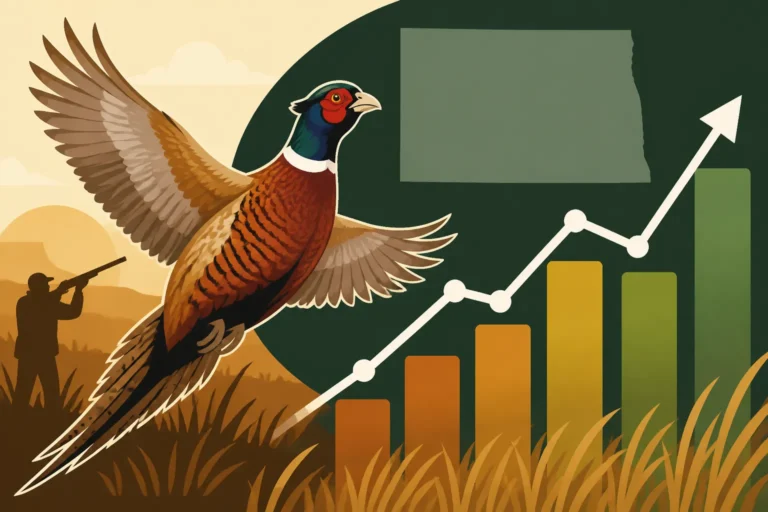
It can be incredibly frustrating to hear whispers of a great pheasant season coming, only to find sparse birds when you actually get out there. Hunters often wonder if the buzz is real, or just wishful thinking. This guide will take a deep dive into North Dakota's pheasant crowing counts, breaking down what these numbers truly signify, why recent years have seen record highs, and how you can leverage this invaluable information to plan a truly successful hunt.
Understanding Pheasant Crowing Counts
When you're anticipating a new pheasant season in North Dakota, one of the most talked-about indicators of bird numbers is always the annual crowing count. But what exactly are these counts, and how do wildlife managers even get these figures? It's not just a casual estimate; it's a systematic effort by the North Dakota Game and Fish Department (NDGFD) to gauge the health and reproductive potential of our pheasant population each spring. Knowing the methodology behind these counts can give you a much clearer picture of what the numbers truly represent.
How the Counts Are Conducted
The NDGFD conducts its pheasant crowing counts annually, typically starting in late April and running through mid-May, right when the roosters are most vocal. Think of it as the pheasants' version of a morning roll call. Biologists and trained volunteers drive established routes, usually about 20 miles long, at dawn on calm mornings. They stop at designated intervals, usually every two miles, and listen for two minutes, recording every rooster crow they hear. This isn't a one-and-done deal; routes are run multiple times to average out variability caused by individual birds being more or less vocal on a given day, or fluctuating environmental factors like wind. These routes are strategically placed across different habitat types and regions of the state to provide a representative sample of the pheasant population. It's a precise, labor-intensive process, and the dedication of these folks provides the foundational data we all rely on.
These specific routes, often running along section roads or less-traveled county roads, allow for consistency year after year. By repeating the same routes, the department can compare data not just across different areas in a single year, but also track trends over decades. This long-term data is crucial for understanding population cycles, the impacts of habitat changes, and the effectiveness of management strategies. When they report an increase in crowing counts, it's usually based on the average number of crows heard per stop on these established routes compared to previous years. It's this consistency that makes the data so valuable for hunters trying to get a read on the upcoming season.
What the Numbers Actually Represent
So, when the NDGFD announces "record pheasant crowing counts," what does that really mean for us hunters? It means that in the spring, during the breeding season, biologists heard more male pheasants crowing along their survey routes than in previous years. A higher number of crowing roosters generally correlates with a larger breeding population of adult birds that survived the winter. Since each crowing rooster is vying for hens, a robust showing of males usually indicates that there's a strong foundation for the year's reproduction. These counts are primarily an index of the breeding population – the adult pheasants that made it through the previous winter and are ready to start another generation.
However, it's important to remember that these are breeding bird counts, not a direct measure of how many birds you'll see in your vest come October. The crowing counts are a fantastic predictor of potential for the fall harvest, but they don't account for what happens during the critical nesting and brood-rearing period. A strong crowing count gives us hope, but favorable weather, adequate insect populations, and safe cover throughout late spring and summer are still essential for those young chicks to hatch and survive to maturity. Without good brood survival, even a high number of breeding adults won't translate into a fantastic fall hunt. Still, it's the first, and often most exciting, piece of the puzzle for hunters eager to hit the field.
The Science Behind the Record Numbers
North Dakota’s recent record pheasant crowing counts aren’t just a stroke of luck; they’re often the result of a complex interplay of environmental factors and habitat availability. For any wild game population to truly thrive, several key conditions need to align perfectly, and pheasants are no exception. Understanding these underlying biological drivers gives us a deeper appreciation for the resilience of these birds and the efforts made to support them.
Winter Survival
Perhaps the most critical factor influencing spring crowing counts is the severity of the preceding winter. North Dakota winters can be brutal, with deep snow and prolonged periods of extreme cold capable of decimating pheasant populations. When the NDGFD reports record crowing counts, it almost invariably points back to a mild winter. Less snow means birds can access food sources more easily, expend less energy trying to stay warm, and are less vulnerable to predators. A winter where snow cover is light and temperatures remain relatively moderate allows a higher percentage of adult birds, both roosters and hens, to survive into the spring breeding season. This directly translates to more crowing roosters on the survey routes and a larger pool of hens ready to nest.
Imagine a winter with a foot of hard-packed snow for months. Pheasants struggle to find grit, corn, or even weed seeds. They burn through their fat reserves just to stay alive, making them weak and susceptible to disease or predation. Now, picture a winter with intermittent snowfalls that melt quickly, or just a few inches of soft snow that birds can easily scratch through. This is the kind of winter that allows birds to maintain their health and vigor, leading to robust numbers when spring finally arrives. When you hear about great crowing counts, know that a less harsh winter likely played a significant role in allowing a strong number of birds to survive and breed, giving the season a fantastic head start. For more on this, check out our piece on Winter Survival and North Dakota Pheasant Numbers.
Spring Nesting and Brood Rearing Conditions
Even with a healthy breeding population, the success of the pheasant season hinges on the conditions during nesting and brood rearing. This critical period, roughly from May through July, determines how many chicks actually make it to flying age. Ideal conditions involve a warm, relatively dry spring and early summer. Cold, wet weather during nesting can chill eggs, lead to abandonment, or result in high chick mortality. Young pheasant chicks are particularly vulnerable to hypothermia and a lack of insects, which are crucial for their rapid growth and development.
A spring with good soil moisture for grass growth, followed by warm, sunny days, provides perfect conditions. Lush cover helps hens conceal their nests from predators, and the warmth allows chicks to dry quickly and regulate their body temperature. Furthermore, dry conditions promote a booming insect population, which is the primary food source for growing chicks. If a spring follows a mild winter with these favorable nesting and brood-rearing conditions, that's the recipe for an exceptional pheasant year. The crowing counts tell us we have the birds to produce, and good spring weather tells us they did produce, often translating into excellent North Dakota Pheasant Harvest Numbers come fall.
Habitat Quality and Conservation Efforts
Underpinning everything is the quality and availability of habitat. Even with perfect weather, pheasants need secure nesting cover, brood-rearing habitat, and winter thermal protection. North Dakota has a strong tradition of conservation, with programs like the federal Conservation Reserve Program (CRP) playing an immense role. CRP lands, along with other habitat initiatives, provide expansive tracts of dense grasses and wildflowers that are vital for pheasants throughout the year. These areas offer safe havens for nesting hens, abundant insect life for chicks, and crucial winter cover that helps birds survive those inevitable cold snaps.
The more acres enrolled in CRP or managed through state programs like PLOTS (Private Land Open To Sportsmen), the more robust our pheasant populations tend to be. When the landscape is fragmented, or when too much cover is lost to agricultural expansion, even the best weather can't entirely compensate. So, when we see record crowing counts, it's often a testament not just to favorable weather, but also to the cumulative effect of these conservation programs that have preserved or restored essential pheasant habitat across the state. Understanding North Dakota CRP Acres and Pheasant Numbers helps paint a fuller picture of why these counts fluctuate and what truly supports a thriving pheasant population.
Interpreting Crowing Counts for Your Hunt
Okay, so we know what crowing counts are and why they've been good. But how do you, as a hunter, actually use this information to put more pheasants in your vest? The numbers are more than just bragging rights for the state; they're a powerful tool for planning your hunt, identifying promising areas, and setting realistic expectations for the upcoming season.
Predicting Fall Pheasant Numbers
The primary value of pheasant crowing counts for hunters is their ability to predict the general abundance of birds in the fall. A significant increase in spring crowing activity usually signals a higher density of pheasants across the landscape when hunting season rolls around. This isn't a perfect one-to-one correlation, as summer weather always has its say, but it's the strongest early indicator we have. If counts are up 20% statewide, you can generally expect to see more birds, or at least have a higher chance of finding them, than in a year with flat or declining counts. It sets the baseline for your season.
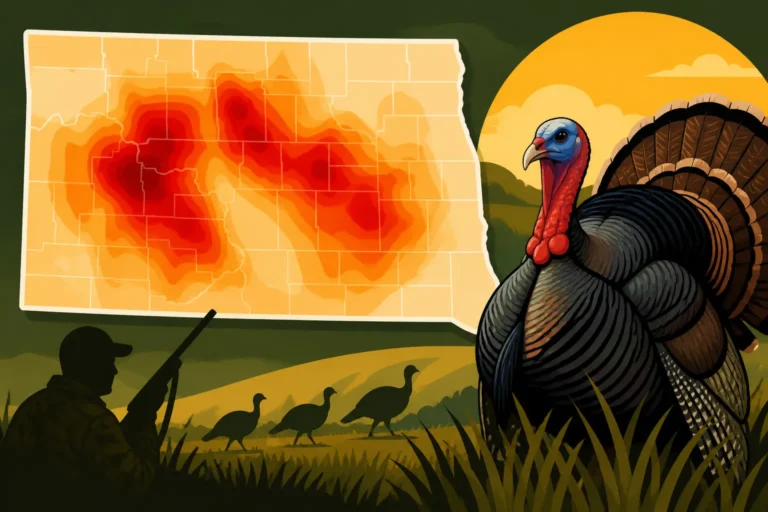
However, it's crucial to remember that these are average increases. Your specific hunting area might not perfectly mirror the statewide trend. One particular county might have seen a 50% jump, while another, just a few miles away, might have seen only a 5% increase due to local weather patterns or habitat conditions. That’s why digging into the specific regional breakdowns of the crowing count reports, often provided by the NDGFD, is so important. This data, often integrated into mapping tools like those offered by GoHunt, can help you visualize where the highest concentrations of breeding birds were, which is a great starting point for predicting fall numbers.
Identifying High-Potential Hunting Units
The NDGFD typically releases crowing count data broken down by hunting unit or region. This detailed information is where the rubber meets the road for hunters. Instead of just knowing "pheasants are up," you can pinpoint where they're up the most. These reports often highlight which areas experienced the best winter survival and spring breeding conditions, making them prime candidates for your hunting efforts. For example, if the southwest region of North Dakota reports a substantial increase in crowing counts compared to the central region, it might be wise to focus your scouting and initial hunting efforts towards the southwest.
Looking at these regional breakdowns can save you a lot of windshield time. It allows you to prioritize areas that show the highest potential for dense bird populations. While you might have a favorite spot you always hit, knowing which units are showing exceptional promise can lead you to discover new, productive grounds. This kind of data-driven planning is a cornerstone of modern hunting and can really elevate your success, especially when you're traveling a distance. You can often find detailed information on Where North Dakota Pheasants Are Densest in these reports, guiding your choices.
Planning Your Trip Around Stronger Numbers
Once you’ve identified those high-potential units, the crowing counts help you fine-tune your trip planning. Knowing which areas had the best numbers might influence when you choose to hunt there. For instance, if a particular region had an outstanding spring, that might be a great place to focus your early-season efforts when birds are less pressured and still holding to thicker cover. Conversely, areas with more modest increases might be better suited for mid-season hunts after some of the initial pressure has died down, or late-season pushes when birds are concentrated in heavy winter cover.
This strategic approach extends to how you prepare. If the counts are through the roof in a certain area, you might anticipate more hunters. This could prompt you to seek out more remote public lands or spend extra time knocking on doors for private land permission. Conversely, if counts are only moderate, you might adjust your expectations for the number of flushes per hour. The crowing count becomes a foundational piece of your pre-season scouting, helping you mentally prepare and physically plan for the kind of season you're likely to encounter. It's about optimizing your chances and making the most of your time in the field.
Connecting Crowing Counts to Habitat and Land Access
Phenomenal crowing counts don't happen in a vacuum. They are directly linked to the quality and availability of habitat across the North Dakota landscape. As hunters, understanding this connection is not just academic; it informs where we hunt, how we appreciate conservation efforts, and even how we might advocate for future habitat programs. The more robust the habitat base, the better the odds for those thriving pheasant populations that lead to record-breaking counts.
PLOTS and Other Public Access
North Dakota's PLOTS (Private Land Open To Sportsmen) program is a shining example of how habitat initiatives directly support robust pheasant populations, which then translate into better crowing counts and, ultimately, better hunting opportunities. Many PLOTS tracts are specifically managed for upland birds, providing dense nesting cover, winter forage, and safe brood-rearing areas. These lands, often enrolled by private landowners with incentives from the NDGFD, form a critical network of public access across the state. When crowing counts are high, it’s often because these vital habitat areas, both within PLOTS and other public lands like Wildlife Management Areas (WMAs) and Waterfowl Production Areas (WPAs), have provided the necessary cover and food to support high bird survival and successful reproduction.
Hunters often overlook the depth of management that goes into these PLOTS areas. They're not just random fields; many are strategically selected and managed to create optimal conditions for pheasants and other wildlife. When you’re looking at a high crowing count report, mentally map that to the areas with significant PLOTS acreage. This synergy between private landowner cooperation and state programs is what allows North Dakota to consistently deliver strong pheasant hunting opportunities. Knowing this connection can guide you to productive areas, and perhaps even inspire you to explore options like Walking North Dakota PLOTS Land for Pheasant on lands that are directly contributing to these impressive population numbers.
Private Land Opportunities
While public lands are crucial, a significant portion of North Dakota's pheasant habitat lies on private land. Farmers and ranchers who practice conservation-minded agriculture, or who participate in federal programs like CRP, are inadvertently (or intentionally) providing critical refuge for pheasants. Field edges, ungrazed pastures, sloughs, and shelterbelts on private property all contribute to the overall habitat mosaic that allows pheasant numbers to climb. High crowing counts reflect not just the health of public land populations, but also the aggregate health of birds residing on private agricultural landscapes.
Building relationships with landowners and securing permission to hunt private land becomes even more valuable in years with high crowing counts. These properties often hold birds that see less pressure than public areas, especially later in the season. Utilizing resources like GoHunt, which can help identify land ownership, becomes a fantastic asset for responsible hunters looking to secure permission. Remember, it's not just about knocking on a door; it's about being respectful, understanding their farming operations, and appreciating the habitat they provide. The more good habitat there is, regardless of ownership, the better the overall state of the pheasant population.
The Importance of Diverse Cover
Pheasants are masters of utilizing diverse cover types. A "record crowing count" year isn't solely about sprawling CRP fields; it's also about the patchwork of different habitats available to them. This includes cattail sloughs that offer vital winter thermal cover, brushy draws that provide escape routes from predators, standing corn or sunflower fields that act as late-season food and cover, and those iconic shelterbelts that line many farmsteads. When the landscape offers a variety of these elements, pheasants have everything they need to survive and thrive.
Think about a pheasant's life cycle: they need dense, undisturbed grass for nesting, areas rich in insects for their chicks, access to grain fields for food, and then robust, protective cover to endure winter's bite. A truly high-quality landscape provides all of these in close proximity. When the crowing counts soar, it’s often because this diversity of cover has been maintained or even enhanced. This means when you’re scouting or Hunting a Shelterbelt Edge for Deer or pheasants, you're looking for areas that offer this varied menu of cover. Such areas are goldmines for late-season pheasants trying to evade predators and survive harsh weather.
Looking Beyond the Numbers: Other Factors for a Successful Season
While record crowing counts certainly get the blood pumping for pheasant hunters, it's important to remember that these numbers are just one piece of the puzzle. A fantastic pre-season forecast doesn't guarantee a filled game vest. Many other elements come into play during the actual hunt, influencing whether those high bird numbers translate into a truly memorable experience. Ignoring these other factors can lead to disappointment, even in banner years.
Hunting Pressure
In years with high crowing counts and optimistic forecasts, hunting pressure inevitably increases. Everyone wants to be part of the "record year," and North Dakota's pheasant fields can get busy, especially on opening weekend and during the first few weeks of the season. This increased pressure can push birds into thicker, less accessible cover, make them warier, and force them to change their patterns. What might have been an easy walk on a public parcel early in the season can become a frustrating push through empty cover a week later, simply because birds have been educated and dispersed.
Understanding hunting pressure means adjusting your tactics. This might involve hunting during weekdays instead of weekends, getting out earlier than most, or focusing on areas that require more effort to reach, such as walking further into a large PLOTS tract. It also highlights the value of securing private land access, where pressure is often significantly lower. Don't let high crowing counts make you complacent; anticipate the crowds and plan to differentiate your approach. Hunting can be as much about outsmarting other hunters as it is about outsmarting the birds.
Weather During the Season
North Dakota's weather is famously unpredictable, and mid-season conditions can drastically impact pheasant behavior and hunter success, regardless of spring crowing counts. A warm, bluebird day might be pleasant for hunters, but it can make pheasants lazy and unwilling to flush. Conversely, a cold, blustery day, or even a light snow, can make birds hold tighter, providing fantastic opportunities for hunters with good dogs. Early season rains can make access difficult and scenting conditions poor for dogs.
Later in the season, a significant snowfall can either concentrate birds into specific thermal cover like cattail sloughs and shelterbelts, or make them incredibly difficult to locate if the snow is too deep. For example, a crisp, cold morning often means birds are feeding actively, making them more visible along field edges. Understanding the daily weather forecast and how it influences pheasant behavior is paramount. This adaptive approach, adjusting your hunting strategy to current conditions, is often what separates a consistently successful hunter from one who blames "bad luck." You'll want to review strategies like Late-Season Pheasant Tactics in Deep Snow if conditions turn harsh.
Dog Work and Hunter Skill
Let's be honest: a record crowing count year is still only as good as the hunter and their dog. Even with abundant birds, poor dog work can lead to missed flushes, unrecovered cripples, and a generally frustrating experience. A well-trained bird dog is an invaluable asset, covering ground efficiently, scenting birds, and holding them for a flush. Whether you're Running a Pointer Through CRP Grass or working a flushing dog, their ability to find and retrieve birds is critical.
Similarly, hunter skill plays a huge role. This includes everything from effective field strategy (how you walk a field, how you communicate with your hunting partners), to shooting proficiency, and proper bird identification. Knowing how to read cover, understanding wind direction's impact on scent, and making ethical shots are all skills that need to be honed. No matter how many pheasants are out there, if you can't find them, flush them, and hit them, those high crowing counts won't do you much good. A successful hunt is a blend of good numbers, good conditions, and good execution.
Regional Differences and Local Hotspots
While statewide crowing counts give a general pulse, North Dakota is a big state with diverse landscapes. Pheasant populations, and thus crowing counts, can vary dramatically from one region or even one county to the next. Smart hunters don't just look at the big picture; they dive into the localized data to identify the true hotspots and tailor their plans accordingly. This granular understanding can make all the difference in finding birds.
Top Counties for Pheasant Production
The North Dakota Game and Fish Department often highlights specific counties or regions that consistently produce higher pheasant numbers based on crowing count trends. Historically, counties in the south-central and southeast, as well as parts of the southwest, tend to have the most robust pheasant populations. These areas often boast a favorable mix of agriculture (corn, wheat, sunflowers), extensive CRP grasslands, and critical winter cover provided by cattail sloughs and shelterbelts. The soil types and land use in these areas create an ideal environment for pheasants.
For instance, counties like Dickey, Sargent, Ransom, and often parts of Emmons and Kidder, frequently appear in the top tiers of pheasant reports. This isn't just about total land area; it's about the quality and interspersion of habitat. These areas benefit from having a dense network of cover and food sources that allow pheasants to thrive year-round. When studying the crowing count reports, pay close attention to the county-by-county breakdown to identify these traditional powerhouses. This information is your compass to Pheasant Hunting North Dakota's Prairie in the most productive areas.
Micro-Habitat Considerations
Even within a high-producing county, not all acres are created equal. Birds will concentrate in specific "micro-habitats" that offer the best combination of food, cover, and protection. This means even if a county has a stellar crowing count, you still need to learn to identify these smaller, critical areas. Think about the intersection of a standing cornfield, a dense shelterbelt, and a cattail slough – that’s a pheasant magnet, especially as the season progresses. These are the places where birds will flock, often in large numbers, to survive cold weather and evade predators.
Understanding these micro-habitats means more effective scouting, even with online tools like GoHunt, which can show you satellite imagery and topo maps. Look for transitions in cover, edges where different habitat types meet, and areas that provide vertical cover against harsh winds. A small, overlooked patch of undisturbed grass near a food source can hold more birds than a sprawling, uniform CRP field that lacks diversity. The more you learn to read the landscape for these nuances, the better you’ll become at finding birds, regardless of the overall crowing count in the area.
Impact of Cropping Cycles
Agricultural practices and cropping cycles have a direct and significant impact on local pheasant populations and where they concentrate throughout the hunting season. Fields of standing corn and sunflowers provide exceptional late-season cover and food, often holding pheasants that become incredibly difficult to flush. Conversely, early harvest of small grains like wheat can expose birds to predators and remove significant cover, pushing them into remaining patches of dense cover. The local farming activity can, therefore, dictate bird distribution more than anything else.
In years with good moisture, crops grow tall and dense, providing excellent cover. If harvest is delayed, especially with corn or sunflowers, these fields can be absolute goldmines for hunters willing to tackle them. However, if a region experiences an early, clean harvest, birds will rapidly move to permanent cover like sloughs, tree belts, and unharvested field edges. Staying informed about local harvest progress is just as important as knowing the crowing counts. It helps you predict where birds will be holding as the season progresses, allowing you to adapt your hunting strategy to the realities on the ground.
Navigating North Dakota's Pheasant Hunting Rules
Beyond the biology and habitat, a truly successful North Dakota pheasant hunt requires a solid understanding of the state's hunting regulations. The North Dakota Game and Fish Department (NDGFD) sets these rules to manage the pheasant population sustainably and ensure fair chase. Missteps here can ruin a hunt and lead to penalties, so it's vital to be informed.
License Requirements and Season Dates
Before you even step foot in a North Dakota pheasant field, you'll need the proper licensing. For residents, this typically includes a general game and habitat license, plus a small game license. Non-residents will need a non-resident small game license, which often has different fee structures and may have restrictions, such as the initial nine-day restriction on public land access for non-residents. It's crucial to check the current year's NDGFD regulations booklet or website for the most up-to-date information on costs and requirements. Always carry proof of your license while hunting, whether it's a physical copy or stored digitally on your phone via the NDGFD app.
The season dates for pheasants are also paramount. North Dakota generally has a long pheasant season, often running from early October into January. However, there might be specific youth hunting weekends or other special periods you need to be aware of. Understanding the daily shooting hours, which are typically one-half hour before sunrise to sunset, is also critical. These regulations are designed to provide ample opportunity while also protecting the resource. Consult the North Dakota Pheasant and Upland Season Rules for the exact opening and closing dates for the current year.
Bag Limits and Possession Limits
North Dakota sets clear daily bag limits and possession limits for pheasants. The daily bag limit refers to the maximum number of birds you can harvest in a single day, while the possession limit is the total number of birds you can have in your possession, including those at your home or in your freezer. These limits are subject to change based on population trends, but typically, they are generous enough to allow for a rewarding hunt. For instance, the daily bag limit for pheasants might be three roosters, with a possession limit of twelve.
It's important to differentiate between roosters and hens. In North Dakota, pheasant hunting is almost exclusively for roosters (males). Hens are protected to ensure the breeding stock for future years. This means you must be able to identify a rooster in flight. Their vibrant plumage makes them generally easy to distinguish from the more subdued brown hens. Always confirm the current year's bag and possession limits, as exceeding them can result in fines and loss of hunting privileges.
Blaze Orange Requirements
Safety is paramount in any hunting scenario, and North Dakota has specific requirements for wearing blaze orange (or blaze pink) when hunting pheasants, especially during the firearm season. These regulations are designed to increase hunter visibility and reduce the risk of accidents. Typically, hunters are required to wear a certain amount of visible blaze orange above the waist, which can include a hat, vest, or jacket.
The specific requirements might change, so always verify the current regulations. Even if not legally required in certain situations (e.g., during archery-only periods if applicable for upland game), wearing blaze orange is always a good practice, especially when hunting with a group or in areas with high hunter traffic. It’s a simple, effective way to ensure you are seen by other hunters and can prevent tragic accidents. Make sure you understand How Much Blaze Orange North Dakota Requires before you head out.
Key Considerations for a Rewarding North Dakota Pheasant Hunt
Even with record crowing counts and a clear understanding of the rules, there are always those extra bits of wisdom that can elevate your hunting experience from good to truly memorable. These are the details that hunters refine over years in the field, making the hunt more enjoyable and often more successful.
Field Dressing and Transporting Birds
Once you've successfully harvested your pheasants, proper field dressing and transportation are crucial for preserving the meat quality. While pheasants don't require gutting in the field like big game, many hunters opt to at least clean them of internal organs to help the meat cool down faster, especially on warmer early-season days. Simply removing the entrails can prevent bacterial growth and improve the flavor.
When transporting your birds, remember that North Dakota regulations typically require that a "feathered wing" or "head" remains attached to the bird while in transit from the field to your permanent residence or a meat processor. This allows game wardens to identify the species and confirm it's a legally harvested bird. Once at home or a processor, you can fully pluck or breast out the birds. Ensure you have a cooler with ice to keep your birds chilled, particularly if you have a long drive ahead. Taking the time to care for your game ensures that the excellent table fare is as good as the hunt itself.
Mentored Youth and Apprentice Hunter Opportunities
North Dakota is committed to fostering the next generation of hunters, and the state offers programs like the Mentored Youth Hunting Program and Apprentice Hunter licenses. These initiatives are designed to make it easier and safer for new or young hunters to experience the outdoors under the guidance of an experienced mentor. The Mentored Youth Hunting Program allows unlicensed youth, typically under a certain age (e.g., 16), to hunt small game and other species when accompanied by a licensed adult mentor. This removes the immediate hurdle of hunter education for a trial period.
The Apprentice Hunter license is another fantastic option for individuals, both youth and adults, who haven't completed hunter education yet. It allows them to hunt for a set period (often one year) under the direct supervision of an experienced, licensed hunter. These programs are a great way to introduce new participants to pheasant hunting in a controlled and educational environment. Even in a record crowing count year, the most important harvest is often a new hunter's passion for the outdoors. Check out North Dakota Mentored Youth Hunting Rules for the specifics on age limits and supervision requirements.
Using Technology and Resources
In today's hunting world, technology is an indispensable tool, and North Dakota hunters have access to excellent resources. The NDGFD website is a treasure trove of information, including those crucial crowing count reports, season dates, regulations, and even interactive maps of PLOTS lands. Their "ND Fish and Game" app is also incredibly useful, allowing you to access PLOTS maps offline, carry your license digitally, and report harvests.
Beyond state resources, third-party mapping applications like onX Hunt or GoHunt provide incredibly detailed satellite imagery, topographic maps, and public/private land ownership data. These tools are invaluable for pre-season scouting, identifying potential access points, finding those micro-habitats mentioned earlier, and navigating effectively in the field. Using these technologies allows you to maximize your time, hunt smarter, and increase your odds of success, especially when navigating vast tracts of public land or trying to locate specific features that hold birds. A strong crowing count simply gives you a better starting point for applying these powerful tools.
| Factor | Impact on Crowing Counts (Spring) | Impact on Fall Hunting Success (Autumn) | Hunter Strategy (High Counts) |
|---|---|---|---|
| Mild Winter | High | High Potential | Focus on traditional pheasant areas with good winter cover. |
| Warm, Dry Spring | Indirect (brood survival) | High | Anticipate good numbers of young, less pressured birds. |
| Extensive CRP/PLOTS | High | High | Utilize mapping apps to target diverse habitat within these areas. |
| Hunting Pressure | None | Lowers success if not managed | Hunt weekdays, seek remote access, secure private land permission. |
| Mid-Season Weather | None | Variable | Adapt tactics daily based on temperature, wind, and precipitation. |
| Cropping Cycles | Indirect | High (food/cover) | Scout for standing corn/sunflowers late season; focus on remaining cover after harvest. |
Disclaimer
The information provided in this guide is for general informational purposes only and is not a substitute for official North Dakota Game and Fish Department regulations. Hunting laws and seasons can change, and it is the hunter's responsibility to consult the most current official NDGFD publications and local ordinances before engaging in any hunting activities. Always prioritize safety and ethical hunting practices.