North Dakota’s Fourteen-Unit CWD Zone
Hunting in North Dakota offers incredible opportunities, but there's a serious and growing concern that every hunter needs to understand: Chronic Wasting Disease (CWD). This guide aims to clear up the confusion and provide crucial information about North Dakota's fourteen designated CWD hunting units, mandatory testing protocols, and other vital regulations, ensuring you're prepared and compliant for your next hunt.
Understanding Chronic Wasting Disease CWD
Chronic Wasting Disease (CWD) is a topic that can feel heavy and a bit overwhelming, especially when you're just trying to enjoy your time afield. But understanding what it is, how it works, and why it's a concern is the first crucial step in navigating North Dakota's CWD zones. It's not just a technical term; it's a real threat to our deer, elk, and moose populations, and by extension, to our hunting heritage.
What CWD Is and How It Spreads
At its core, CWD is a neurological disease, meaning it affects the brain and nervous system. It's part of a family of diseases known as transmissible spongiform encephalopathies (TSEs), similar to "mad cow disease" in cattle or scrapie in sheep. The real kicker is that it's caused by abnormal proteins called prions, not bacteria or viruses. These prions are incredibly resilient; they can survive in the environment for years, making them very difficult to eliminate once established. Imagine a disease that can linger in the soil, waiting for the next curious deer to come along.
The way CWD spreads is insidious. It can be transmitted directly from animal to animal through contact with saliva, urine, and feces. Picture deer congregating at a popular feeding spot or rubbing posts; each interaction can potentially pass on the prions. Indirect transmission is also a major concern, as those prions shed by infected animals contaminate the environment, including soil, plants, and even water sources. This environmental persistence means that even if all infected animals were removed, the land could still harbor the disease, making control efforts incredibly challenging. It's a silent, invisible threat that makes you think twice about what's lurking in the dirt.
Symptoms and Impact on Deer Populations
The most frustrating part about CWD, from a hunter's perspective, is its long incubation period. An animal can be infected for months, even years, before showing any noticeable symptoms. During this time, they're unknowingly shedding prions and potentially spreading the disease. Once symptoms do appear, they are grim: severe weight loss (hence "wasting"), stumbling, drooling, head tremors, listlessness, and an overall blank stare. These animals often become disoriented, losing their natural fear of humans, making them appear "tame" or easily approachable, which can be heartbreaking to witness.
The impact on deer populations is undeniably severe. CWD is always fatal. There's no cure, no vaccine. When it becomes prevalent in a herd, it can lead to population declines and shifts in age structures, often hitting the older, larger animals first. This isn't just about losing a few deer; it's about the long-term health and stability of the entire herd. It affects breeding success, survival rates, and ultimately, the hunting opportunities we cherish. Protecting these herds is why our participation in management is so crucial.
Why CWD Matters to Hunters
For hunters, CWD brings a host of concerns beyond just herd health. The primary worry for many is the potential human health risk. While there's no direct scientific evidence confirming CWD transmission to humans, public health agencies like the Centers for Disease Control and Prevention (CDC) advise against consuming meat from CWD-positive animals. It’s always better to err on the side of caution when it comes to your family's dinner table. This often means making tough decisions about what to do with a harvested animal until test results are back.
Beyond food safety, CWD significantly impacts hunting regulations. The North Dakota Game and Fish Department (NDG&F) must implement measures to monitor and control the disease, which often means changes to hunting unit boundaries, license allocations, and mandatory testing. It can feel like an extra burden, but these regulations are designed to protect both the deer and the hunting tradition itself. It can even affect where and when you can hunt, adding another layer of complexity to planning your trips. Understanding North Dakota deer hunting licenses and what they cost often means understanding these underlying health and management factors.
North Dakota's CWD Management Strategy
Dealing with Chronic Wasting Disease isn't a simple task, and the North Dakota Game and Fish Department (NDG&F) has a comprehensive, evolving strategy to address it. This isn't about eradicating CWD, which is likely impossible once established, but rather about containing its spread, managing its impact on deer populations, and gathering critical data. As hunters, being aware of these strategies helps us understand why certain rules are in place and how our actions contribute to the larger effort.
Goals of the CWD Management Plan
The overarching goals of North Dakota's CWD management plan are multi-faceted. First and foremost, it's about containment – preventing the disease from spreading further into new areas of the state where it hasn't been detected or where prevalence is low. This involves rigorous surveillance and targeted testing in areas of concern. Second, for units where CWD is already established, the goal shifts to mitigation. This means managing the disease to keep prevalence rates as low as possible, thereby minimizing its impact on herd health and maintaining sustainable deer populations. No one wants to see our deer herds decimated, and these efforts are vital to their long-term survival.
Another critical goal is continuous monitoring. CWD is a dynamic threat, and its distribution and prevalence can change. NDG&F constantly collects data, analyzes trends, and adapts its strategies based on the latest scientific understanding and field observations. This isn't a static plan; it's a living document that responds to new challenges. Lastly, effective management requires robust communication and collaboration. NDG&F works closely with federal agencies like the USDA, neighboring states, and, crucially, with hunters themselves. We are the eyes and ears in the field, and our cooperation is indispensable to the success of these programs.
Evolution of CWD Regulations in North Dakota
CWD first made its appearance in North Dakota in 2009, detected in a mule deer harvested in the southwest part of the state. This initial detection triggered a rapid response, and since then, the regulations have steadily evolved as more was learned about the disease and its spread. Initially, testing might have been voluntary or focused on specific high-risk areas. However, as North Dakota's CWD Spread Since Detection became clearer, and positive cases emerged in more units, mandatory testing zones were expanded.
We've seen regulations shift from simple recommendations to strict requirements, particularly concerning carcass transport and mandatory sample submission. The NDG&F has had to adapt its unit designations, sometimes expanding a "CWD surveillance area" into a full "CWD management unit" with stricter rules. These changes are never arbitrary; they're direct responses to scientific data and the real-world trajectory of the disease. It’s a constant chess match against a formidable opponent, and the rules of the game are always being refined to better protect the state's wildlife.
Role of Hunter Participation in Management
Let's be real: none of these management strategies work without us, the hunters. Our participation is not just helpful; it's absolutely critical. When you're asked to submit a sample from your harvested deer, it’s not just a bureaucratic hoop; it’s providing a vital piece of data that informs the entire CWD management picture. Each sample contributes to understanding prevalence rates, identifying new areas of concern, and tracking the disease’s progression. Without this data, NDG&F would be flying blind, and our herds would be at much greater risk.
Beyond mandatory testing, adherence to carcass disposal rules is paramount. Improperly disposing of carcass waste from a CWD-positive animal can spread prions to new areas, essentially undoing years of management efforts. Reporting sick animals, even if you’re not sure what’s wrong, is also a huge help. You might be the first person to notice symptoms that indicate a CWD case. By being vigilant and compliant, we become active partners in preserving our hunting opportunities for generations to come. Your commitment to these seemingly small actions adds up to a massive contribution to wildlife health.
Identifying North Dakota's Fourteen CWD Hunting Units
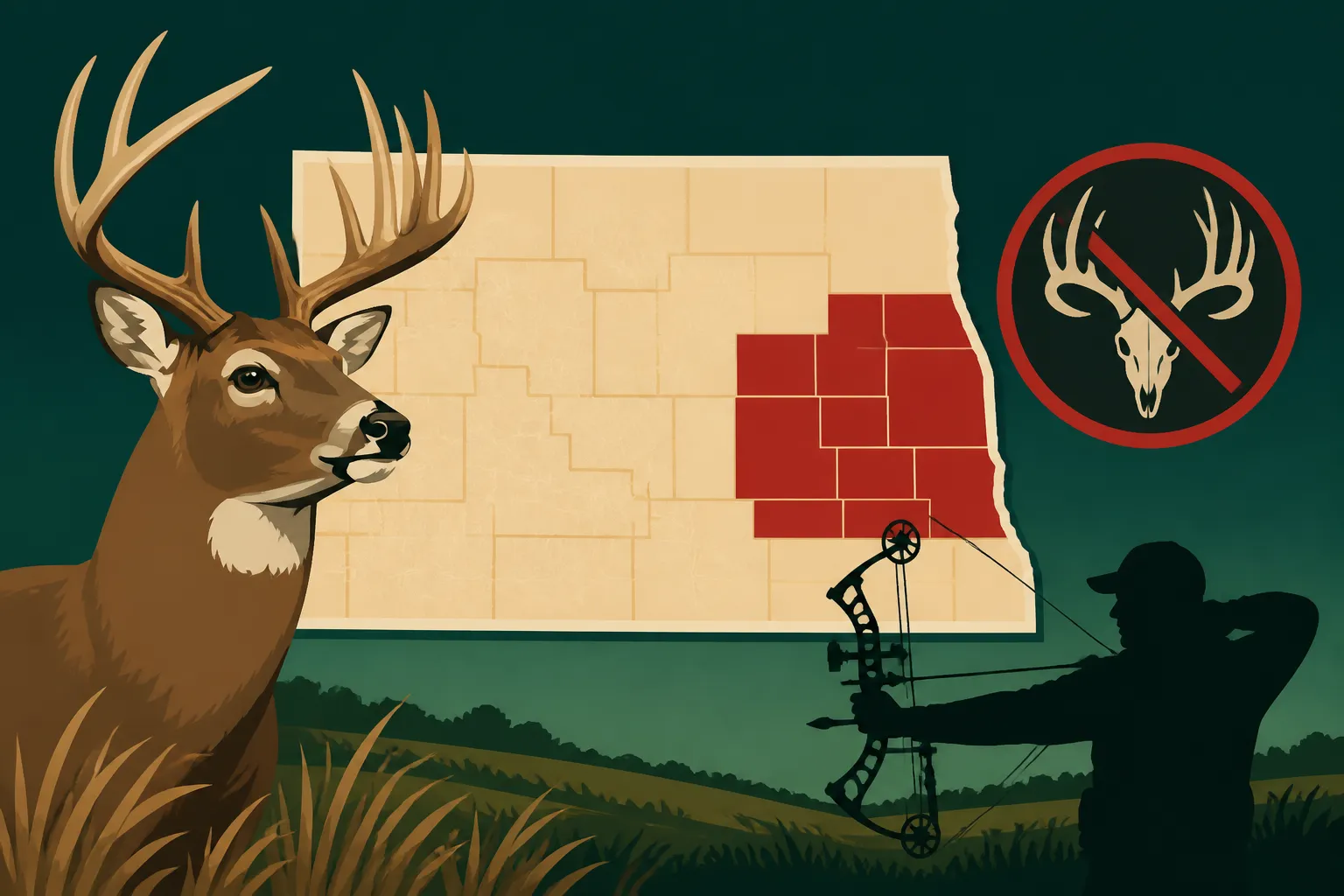
Navigating North Dakota's CWD landscape means knowing where the disease is most prevalent and which units are under special management. The "fourteen-unit CWD zone" designation refers to the areas identified by the North Dakota Game and Fish Department (NDG&F) as requiring specific attention and regulation due to confirmed CWD cases or their proximity to infected areas. These aren't just lines on a map; they represent a significant focus for disease surveillance and mitigation efforts.
Mapping the CWD Zones
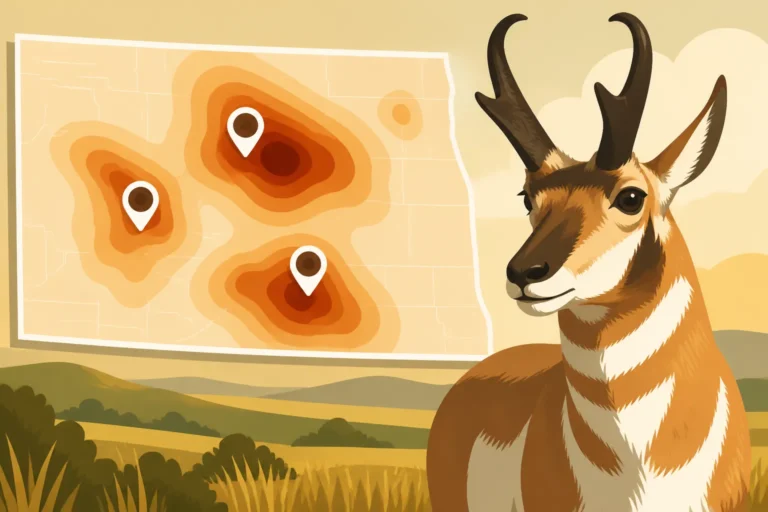
The fourteen CWD hunting units are primarily concentrated in the western and central parts of North Dakota, especially along and west of the Missouri River corridor, where the disease was initially detected and has shown consistent presence. These include units like 3F1, 3F2, 4A, 4B, 4C, 4D, 4E, and others depending on the most current NDG&F updates. Historically, units in the southwestern badlands have been areas of concern, but the disease has shown a tendency to spread into adjacent units over time. NDG&F regularly updates its maps and lists of affected units, so always check the latest regulations before heading out.
These units are designated as CWD zones because they either have confirmed positive animals within their boundaries, or they are strategically located to act as a buffer, preventing the spread from known infected areas. For example, units bordering areas with established CWD populations will often be included to ensure comprehensive surveillance. This strategic mapping ensures that resources for testing and monitoring are focused where they are most needed, based on the patterns of How CWD Spread From the Missouri River Corridor.
Understanding Unit-Specific CWD Prevalence
Not all CWD units are created equal. Within the designated fourteen units, the prevalence rate – the percentage of animals tested that come back positive – can vary significantly. Some units might have very low prevalence, indicating an early stage of the disease or successful containment, while others might show higher rates, reflecting a more established infection within the local deer population. NDG&F diligently tracks these unit-specific prevalence rates.
This data is crucial for informing management decisions. For instance, a unit with higher prevalence might be subject to more intense mandatory testing requirements or specific harvest strategies aimed at reducing herd density to slow transmission. Hunters can often find information on CWD prevalence trends for specific units on the NDG&F website or through tools like GoHunt, which can provide insights into herd health and past harvest data. Knowing this information can even influence your decision on where to hunt, prompting you to prioritize areas with lower CWD risk, if possible.
Impact on Deer Harvest and License Allocations
The presence of CWD in a hunting unit often directly impacts deer harvest strategies and license allocations. In an effort to control the disease, NDG&F might adjust the number of antlerless licenses available in a CWD-positive unit. The idea is that by allowing for a greater harvest of does, overall deer density can be reduced, which in turn can slow the rate of CWD transmission within the herd. This can be a tough pill to swallow for hunters hoping for a specific tag, but it's a necessary tool in the CWD management toolbox.
Conversely, in some units where the disease is particularly entrenched, there might be efforts to reduce the population of older, larger bucks, as they tend to have higher CWD prevalence due to their age and broader ranging habits. These changes are designed to balance hunting opportunities with the imperative of disease management. Understanding these nuances is critical when applying for tags, as it might explain Why Antlerless Licenses Are Unavailable in Some Units or why certain areas have different quotas compared to others. Always consult the current year's hunting proclamation for the most up-to-date information on license availability and specific unit regulations.
| CWD Hunting Unit | General Location | Mandatory Testing Status | Carcass Transport Restriction |
|---|---|---|---|
| 3F1 | Southwestern ND, Badlands | Mandatory | Yes, restrictions apply |
| 3F2 | Southwestern ND, Badlands | Mandatory | Yes, restrictions apply |
| 4A | West-Central ND, Missouri River | Mandatory | Yes, restrictions apply |
| 4B | West-Central ND, Missouri River | Mandatory | Yes, restrictions apply |
| 4C | Western ND, Badlands/Prairie | Mandatory | Yes, restrictions apply |
| 4D | Western ND, Badlands/Prairie | Mandatory | Yes, restrictions apply |
| 4E | Western ND, Badlands/Prairie | Mandatory | Yes, restrictions apply |
| 2D | Central ND, James River Basin | Surveillance | Yes, restrictions apply |
| 2E | Central ND, James River Basin | Surveillance | Yes, restrictions apply |
| 2F1 | Central ND, Missouri River | Mandatory | Yes, restrictions apply |
| 2F2 | Central ND, Missouri River | Mandatory | Yes, restrictions apply |
| 2G | Central ND, Turtle Mountains | Surveillance | Yes, restrictions apply |
| 2H | Central ND, Souris River Valley | Surveillance | Yes, restrictions apply |
| 3B1 | South-Central ND, Missouri River | Mandatory | Yes, restrictions apply |
Note: This table reflects a common structure for CWD units and regulations. Always verify the most current unit designations and specific mandatory testing requirements directly from the official North Dakota Game and Fish Department proclamation and website before hunting.
Mandatory CWD Testing and Sampling Stations
For many hunters, the most direct impact of CWD management comes in the form of mandatory testing. This isn't just about collecting data; it's a critical component of North Dakota's strategy to monitor and contain the disease. While it might add an extra step to your post-harvest routine, understanding the process and knowing where to go makes it much smoother. This is where your individual effort truly becomes a part of the bigger conservation picture.
Who is Required to Test and When
If you harvest a deer, elk, or moose in one of North Dakota’s designated CWD mandatory testing units, submitting a sample for testing is not optional; it’s a requirement. The NDG&F specifies which units fall under this mandatory rule each year, so it’s absolutely essential to check the current hunting proclamation for the specific units and species. Typically, these are the units that have had CWD detected or are adjacent to units with confirmed cases. For example, if you're hunting in Unit 3F1 or 4A, you can pretty much guarantee mandatory testing will apply.
The timing for sample submission is also crucial. Hunters are usually required to submit the animal's head, or specific tissue samples, within a certain number of days after harvest. This window ensures the tissue is viable for testing and allows the NDG&F to process results efficiently. Always have your license and tag information ready when you submit your sample, as it's vital for tracking. Failure to submit a sample when required can result in penalties, so take this seriously. Being informed about CWD Testing for North Dakota Hunters is your responsibility.
Finding and Using CWD Sampling Stations
North Dakota has made efforts to make CWD sampling as convenient as possible for hunters. The NDG&F establishes a network of sampling stations across the state, particularly in and around the CWD management units. These can include manned collection sites at NDG&F offices, mobile sampling teams during peak hunting weekends, or unmanned drop-off boxes located at various public access points or local businesses. Some licensed meat processors also serve as official collection points.
Before you head out to hunt, especially in a CWD unit, it's wise to locate the nearest sampling stations. The NDG&F website provides an interactive map or a list of locations, often with operating hours. You can often find a dedicated North Dakota CWD Sampling Station locator online. When you bring your animal's head (or specified sample), ensure your license and tag are securely attached. The staff or instructions at the drop-off site will guide you through the process, which usually involves completing a simple form to link your harvest to the sample. It’s designed to be straightforward, so don’t overthink it, just follow the instructions.
Understanding Your CWD Test Results
Once you've submitted your sample, the waiting game begins. The NDG&F typically processes samples at the North Dakota State University Veterinary Diagnostic Laboratory. The turnaround time for results can vary depending on the volume of samples received during peak hunting season, but it's usually within a few weeks. Most often, results are communicated online through the NDG&F website's CWD portal, where you can check your status using your license or harvest information. In some cases, you might receive a direct notification via email or mail, especially if your animal tests positive.
What happens if your animal tests positive? While it's certainly not the news any hunter wants to hear, it’s important to know the implications. If your animal tests positive, the NDG&F will contact you directly to discuss the results and any recommended actions, which typically include instructions for proper disposal of the carcass and a strong recommendation not to consume the meat. It's a somber moment, but it’s a vital piece of information that helps protect human health and informs future management strategies. Your cooperation in understanding and responding to these results is a critical part of the entire CWD management cycle.
Navigating Special Rules and Restrictions in CWD Zones
Hunting in North Dakota's CWD zones isn't just about mandatory testing; it also comes with a specific set of rules and restrictions designed to prevent the further spread of the disease. These regulations can feel a bit cumbersome at first, but they are absolutely essential for managing CWD. Understanding them beforehand will save you a lot of headache and ensure you're always compliant, whether you're traveling across the state or just across county lines.
Carcass Transport Restrictions
One of the most significant and often misunderstood rules in CWD units is the carcass transport restriction. To prevent the movement of prions from infected areas to uninfected ones, there are strict limits on what parts of a deer, elk, or moose can be transported out of a designated CWD unit. You cannot, under any circumstances, take a whole carcass, or certain high-risk parts like the brain, spinal cord, eyes, spleen, or lymph nodes, out of a CWD unit. This means you can't just throw your entire deer in the back of the truck and drive home if home is outside that CWD zone.
So, what can you transport? Generally, deboned meat (cut and wrapped), cleaned skull plates (antlers attached, with all brain matter and tissue removed), capes (without skull or spinal column material), and teeth are allowed. Your animal must be completely processed down to these allowed parts within the CWD unit before it leaves the zone. This often means finding a local processor, or being prepared to do extensive field butchering right where you harvested the animal. It’s a logistical challenge, for sure, but a vital one for disease control.
Baiting and Feeding Bans
Another common restriction in CWD management units, and increasingly across broader areas, is a ban on baiting and supplemental feeding of deer. You might wonder why something as seemingly innocent as a pile of corn could be an issue, but it's a major concern for disease spread. When deer congregate closely at a bait pile or feeder, they dramatically increase their chances of direct and indirect transmission of CWD prions. Saliva, urine, and feces left at these sites can easily contaminate the feed and surrounding soil, becoming hotspots for infection.
This is why, in many CWD zones, and even more broadly, like Why Baiting Is Banned on National Grasslands, you'll find strict prohibitions against these practices. It’s about limiting unnatural concentrations of deer that facilitate disease transmission. Always check the current proclamation for specific regulations regarding baiting and feeding in your chosen hunting unit, as these rules can vary and are often updated. The penalties for non-compliance can be stiff, so it's not something to gamble with.
Disposal of Carcass Waste
Proper disposal of carcass waste is just as important as carcass transport rules, especially for any parts that contain high concentrations of prions. This includes bones, nervous tissue, and any other parts that cannot be transported out of the CWD unit. You cannot simply leave these parts lying in the field or dispose of them in unapproved ways. The goal is to prevent prions from entering the environment where other animals can come into contact with them.
The NDG&F provides guidance on proper disposal, which typically involves taking carcass waste to an approved landfill that accepts such materials. Some CWD units might have designated disposal sites provided by the NDG&F, so it’s always best to check. If you’re processing your deer at home within the CWD unit, make sure you know your options for waste disposal before you even pull the trigger. It’s an extra step, but a critical one to ensure you’re not inadvertently contributing to the spread of CWD.
Hunter Responsibilities and Ethical Practices in CWD Areas
Beyond simply following the rules, hunting in North Dakota's CWD zones also calls for a heightened sense of hunter responsibility and adherence to ethical practices. It's about being a good steward of the land and the wildlife, contributing positively to the health of the herd, and ensuring the safety of your harvest. These aren't just suggestions; they are core tenets of responsible hunting in the face of a persistent disease threat.
Reporting Suspect Animals
One of the most powerful tools in CWD management is the vigilant eye of hunters in the field. You spend hours, sometimes days, observing deer behavior, and you are often the first to notice if an animal seems "off." If you observe a deer, elk, or moose exhibiting unusual behavior – severe emaciation, stumbling, drooling excessively, or showing no fear of humans – it could be a sign of CWD. It’s a gut-wrenching sight, but reporting these suspect animals to the North Dakota Game and Fish Department is incredibly important.
Do not, under any circumstances, harvest an animal that appears obviously sick or unhealthy. Not only is it potentially unethical, but such an animal is likely to test positive for CWD, making its meat unsafe for consumption and adding unnecessary risk. Instead, contact the NDG&F immediately with the location and a description of the animal. They can then dispatch wildlife officials to investigate and potentially collect samples for testing. Your quick action could provide valuable data and prevent the further spread of the disease.
Field Dressing and Processing Considerations
When field dressing an animal in a CWD unit, an extra layer of caution is warranted. While the risk of human infection from CWD is considered low, it's always wise to minimize contact with high-risk tissues, such as the brain and spinal cord, where prion concentrations are highest. Wearing disposable gloves is a simple but effective precaution. Use sharp knives to make clean cuts and avoid excessive sawing of bone, which can aerosolize particles.
If your animal is harvested in a CWD unit, consider taking it to a professional meat processor within that unit if possible. They are often well-versed in CWD protocols and can handle the carcass efficiently while adhering to transport restrictions. If you're doing your own processing, ensure you have a plan for Handling Venison From a CWD Hunting Unit and that all high-risk parts are segregated and disposed of according to NDG&F guidelines. Thoroughly clean and disinfect all tools and surfaces that came into contact with the carcass. This meticulous approach helps protect both you and the environment.
Contributing to Long-Term CWD Solutions
Our role as hunters extends beyond just following the rules; it’s about actively contributing to the long-term health of North Dakota’s wildlife. This means consistently adhering to all CWD regulations, even when they feel inconvenient. It means educating fellow hunters about the disease and the importance of compliance, fostering a community of responsible conservationists. Share your knowledge about proper carcass disposal, the importance of testing, and the latest regulations you might find on platforms like GoHunt.
Furthermore, consider supporting wildlife research and management efforts that focus on CWD. This might be through donations to conservation organizations, volunteering for NDG&F programs, or simply by being a vocal advocate for sound wildlife management policies. Every piece of data collected from mandatory testing, every proper carcass disposal, and every conversation about CWD awareness helps piece together the puzzle. Your dedication to these efforts is an investment in the future of hunting in North Dakota, ensuring that future generations can enjoy the same rich wildlife resources we do.
The Future of CWD in North Dakota and What Hunters Can Expect
The reality of Chronic Wasting Disease is that it's likely here to stay in North Dakota, at least in some areas. This isn't a defeatist attitude; it's a pragmatic understanding that management strategies will need to be ongoing and adaptable. For hunters, this means an evolving landscape of regulations, a continued call for vigilance, and an enduring commitment to ethical practices. What we do today directly impacts the health of our herds and the quality of our hunting tomorrow.
Ongoing Monitoring and Research
The North Dakota Game and Fish Department remains deeply committed to continuous monitoring and research into CWD. This involves not only the mandatory testing we discussed but also broader surveillance efforts, including testing roadkill deer, researching specific herd movements, and collaborating with university researchers. New scientific developments in CWD detection, such as more efficient testing methods or even potential live animal tests, are constantly being explored.
NDG&F also works closely with national wildlife organizations and other states to share data and best practices. The disease doesn't respect state lines, so a collaborative approach is essential. This ongoing commitment to understanding CWD is vital because the more we know about its spread, its impact, and potential mitigation strategies, the more effectively we can manage it. Hunters can keep an eye on NDG&F publications and research summaries to stay informed about the latest findings.
Potential for Future Rule Changes
One of the most important things for North Dakota hunters to remember about CWD regulations is that they are not static. They are dynamic, science-based, and subject to change based on new detections, shifts in prevalence rates, and evolving scientific understanding. What might be a voluntary testing zone one year could become a mandatory one the next, or vice-versa, depending on the disease’s progression.
New regulations could involve changes to hunting unit boundaries, adjustments to season lengths, altered tag allocations (for instance, more antlerless tags in specific units), or even new carcass transport rules. It's essential to check the current year's hunting proclamation and the NDG&F website well before you plan your hunt. Relying on last year's rules can lead to non-compliance and potential penalties. Staying informed through official channels, or via trusted hunting resources like GoHunt, is key to navigating these changes successfully.
Adapting Your Hunting Strategy
Given the ongoing presence of CWD, adapting your personal hunting strategy is a wise approach. This might involve more thorough scouting, not just for animal sign, but also for areas that show fewer signs of disease. Consider adjusting your travel plans to accommodate carcass transport restrictions, perhaps planning to process your animal near your hunting site rather than at home. Preparing for a North Dakota Deer Camp Traditions often includes considering these logistics now.
Maintaining vigilance and commitment to ethical hunting practices will become even more critical. Prioritize harvesting healthy-looking animals and always submit samples when required. By taking CWD seriously and actively participating in management efforts, we can help preserve the health of North Dakota’s deer, elk, and moose populations. Our dedication ensures that our children and grandchildren will have the same incredible opportunities to experience the thrill of the hunt in this beautiful state.
Disclaimer
The information provided in this guide is intended for educational purposes only and is based on publicly available information regarding North Dakota's Chronic Wasting Disease (CWD) regulations and management as of the time of writing. Hunting regulations, CWD unit designations, and testing requirements are subject to change at any time by the North Dakota Game and Fish Department (NDG&F). Hunters are solely responsible for verifying and complying with all current state and federal hunting laws and regulations before engaging in any hunting activity. Always consult the official NDG&F website and the most current hunting proclamation for definitive and up-to-date information.