Winter Survival and North Dakota Pheasant Numbers
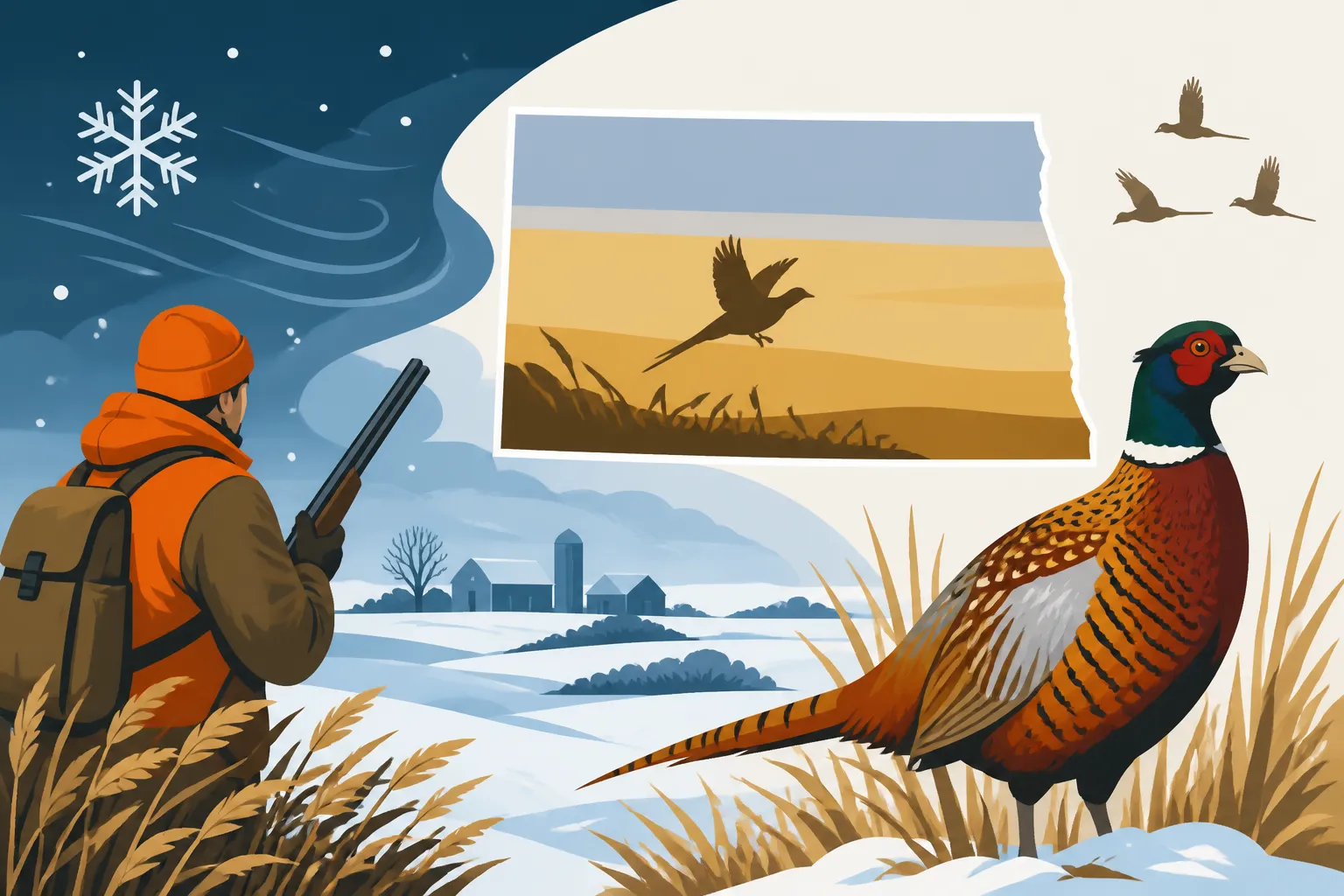
North Dakota winters are legendary, and for those of us who live for the fall pheasant season, a brutal winter always brings a knot of worry: what will this mean for the birds? It’s a valid concern, because the long, unforgiving cold and snow can absolutely decimate pheasant populations, making a huge difference in the hunting opportunities we'll find come October. This guide is all about peeling back the layers to understand how those harsh winter months truly impact pheasant survival and what it means for hunters gearing up for their next season on the prairie.
The Direct Impact of North Dakota Winters on Pheasant Survival
When the mercury plunges and the snow piles up across North Dakota, ring-necked pheasants face a formidable challenge. They're hardy birds, no doubt, but even the toughest pheasant has its limits. The primary threats they face are a deadly trifecta: starvation, exposure, and increased predation. A severe winter can mean fewer birds overall, and those that do survive are often concentrated in prime habitat, making for a different, often tougher, hunting experience. Wildlife agencies work tirelessly to monitor these impacts, providing valuable insights into the health of the North Dakota Pheasant Population Estimate as the season approaches.
Starvation and Nutritional Stress
Imagine trying to find your next meal when all your usual spots are buried under two feet of snow, and every step takes twice the effort. That's the reality for pheasants in a tough North Dakota winter. Deep snow cover can render critical food sources, like waste grain, weed seeds, and even small berries, completely inaccessible.
At the same time, pheasants are constantly burning calories just to stay warm. Their metabolism kicks into overdrive to maintain body temperature in sub-zero conditions, and moving through heavy snow is incredibly energy-intensive. If they can't access enough food to replace those burned calories, they start burning through their precious fat reserves. Once those reserves are gone, starvation sets in. Weakened birds become more susceptible to diseases, and they're less able to escape predators, creating a vicious cycle. From a hunter's perspective, this usually means that birds, if they survived, will be clinging to whatever accessible food sources remain, making those areas high-priority scouting spots, but with overall lower numbers.
Exposure and Thermal Regulation
While starvation is a slow killer, exposure can be swift and brutal. Pheasants are equipped with dense feathers that provide excellent insulation, but even this natural armor has its limits against the relentless cold and biting winds of a North Dakota winter. Prolonged periods of sub-zero temperatures, especially when combined with wind chill that can push effective temperatures into unimaginable lows, can lead to hypothermia and death.
The lack of adequate thermal cover is often the deciding factor. Dense stands of cattails, thick shelterbelts, brushy draws, or even undisturbed blocks of heavy CRP (Conservation Reserve Program) grass act as vital windbreaks and provide pockets of relative warmth. Without this dense cover to escape the wind and snow, birds are simply exposed to the full force of winter. Ice storms, in particular, are catastrophic. When ice encases feathers, it compromises their insulating properties and makes flight nearly impossible, turning a bird into an easy target for predators or simply freezing it in place. Pheasants sometimes employ "snow roosting," burrowing into powdery snowdrifts for insulation, but this technique is useless against dense, crusted snow.
Key Winter Factors That Decimate Pheasant Populations
Not all North Dakota winters are created equal, and specific factors can make one winter far more lethal for pheasants than another. It's not just about "cold and snow"; it's about the depth, the duration, the specific type of precipitation, and even the timing of late-season storms. These factors often compound, creating a perfect storm for pheasant mortality.
The Cruelty of Deep and Crusted Snow
Many hunters understand that deep snow is bad news, but it's often the type of snow and how it behaves that causes the most damage. Deep, powdery snow, while covering food, can sometimes be managed by pheasants for short periods. However, when snow depth exceeds 18-24 inches, it becomes almost impossible for pheasants to move or to access any ground-level food.
Even more insidious are snow crusts. These form when snow partially thaws during a brief warm spell or during the day, then refreezes into a hard, impenetrable layer, sometimes strong enough to support a person's weight. For a pheasant, a widespread snow crust is a death sentence. It seals off food sources below, traps birds that might have burrowed for shelter, cuts their legs as they try to move, and prevents them from flying to escape predators. Imagine a pheasant trying to scratch through a layer of concrete – that's what a thick snow crust feels like. In the aftermath of such conditions, hunters might find very few birds in areas that were previously excellent heavy cover, precisely because those spots became deadly traps.
Prolonged Cold Snaps and Ice Storms
A few days of extreme cold, while challenging, can often be weathered by pheasants if they have good cover and some accessible food. However, when cold snaps stretch for weeks on end, without any relief, the continuous energy drain becomes unsustainable. Birds simply run out of stored fat, and the sheer effort of staying warm in relentless cold depletes them faster than they can find sustenance.
Ice storms are arguably the single most devastating winter event for pheasants. Unlike snow, which can be powdery or fluffy, ice coats everything. It encases waste grain, seeds, and even small tree branches, making food completely unreachable. More critically, it laminates feathers, destroying their insulating air pockets and making them heavy and wet. A pheasant soaked and then frozen in place, or unable to fly to escape a coyote, has virtually no chance of survival. We've seen firsthand how these events can turn vibrant pheasant habitat into a quiet, frozen landscape, impacting North Dakota Pheasant Harvest Numbers by Year for seasons to come.
The Deceptive Spring Blizzard
Just when we start to feel the first hints of spring, and pheasants are beginning to recover from winter's toll, a late March or April blizzard can sweep across North Dakota. These "spring blizzards" are particularly cruel. Birds have likely expended most of their fat reserves surviving the main winter months, and they're often starting to pair up and think about nesting. Their bodies are focused on reproduction, not on storing energy for another cold snap.
A sudden, heavy dump of snow and a return to bitter cold can catch these already vulnerable birds completely off guard. Chicks haven't even hatched yet, so it’s adult birds that bear the brunt. This leads to significant mortality right before the crucial breeding season, which can have ripple effects for years to come. Such a late-season event can severely undermine what might otherwise have been a good outlook, even if Why the 2026 Crowing Count Jumped Nine Percent was initially positive after milder early winter conditions.
Habitat: The Unsung Hero (or Villain) in Winter Survival
In the grand scheme of pheasant survival, especially during the harsh North Dakota winters, habitat isn't just important—it's everything. Good habitat acts as a buffer against the worst of winter's fury, providing the essential thermal cover and accessible food that birds desperately need. Without these critical components, even a moderately harsh winter can be devastating. When I'm looking at potential areas for Pheasant Hunting North Dakota's Prairie, I'm always thinking about the quality of the winter habitat. This is where tools like GoHunt really shine, allowing you to scrutinize land features that offer the best chance of overwinter survival.
Thermal Cover: More Than Just Shelter
Think of prime thermal cover as a pheasant's bomb shelter against the elements. It’s not just any patch of weeds; it’s dense, resilient vegetation that can stand up to heavy snow and fierce winds. Examples include robust cattail sloughs, mature and thickly planted shelterbelts, unharvested standing grain (like corn or sunflowers), and brushy draws filled with thickets. These areas do more than just block the wind; they can trap snow, creating insulating pockets where pheasants can burrow for warmth, a strategy known as snow roosting. They also offer crucial concealment from predators who are also hungry and active in winter.
The quality and connectivity of this cover are paramount. Birds need to be able to move safely between feeding areas and their thermal shelter without being exposed to open fields where they're easy targets for coyotes or hawks. If a severe winter strips away marginal cover, only the most robust and secure spots will offer true refuge. For hunters, this means focusing your efforts on these dense, high-quality cover types, even if it means Walking a Pheasant Field at Midday when birds are often hunkered down.
Food Sources and Their Accessibility
Even the best thermal cover is useless if there's no food nearby. Waste grain, especially corn and sunflower seeds left over after harvest, is a critical winter food source for pheasants. However, its effectiveness hinges on its accessibility. If the cornfield is buried under two feet of snow, or if the stalks have been flattened by heavy snow and strong winds, the food might as well not be there.
The proximity of accessible food to dense thermal cover is vital. Pheasants are not going to risk flying or walking long distances across open, snow-covered fields in sub-zero temperatures to find a meal. The energy expended would often outweigh the calories gained, not to mention the increased risk of predation. Farmers who leave some rows of standing corn unharvested, or those who plant designated food plots, provide an invaluable service to wintering pheasants. In some ways, this mirrors the strategy involved in Hunting Standing Corn for Late-Season Geese, where hunters target these very fields knowing they provide crucial sustenance and shelter. Using platforms like GoHunt can help you identify areas where standing crops or other strong food sources are likely to remain, which is a major leg up in post-winter scouting.
The Role of PLOTS and Other Public Lands
North Dakota’s PLOTS (Private Land Open To Sportsmen) program and other public lands, like Waterfowl Production Areas (WPAs) and Wildlife Management Areas (WMAs), play a crucial role in providing winter habitat. Many of these areas are specifically managed with upland game birds in mind, often incorporating diverse plantings of dense grasses, food plots, and heavy brush to maximize winter survival.
These publicly accessible lands often serve as critical refugia for pheasants, especially in agricultural areas where private land cover might be more limited or less diverse. Knowing How PLOTS Access Works and identifying these critical wintering areas during the off-season can give you a significant advantage when planning your next hunt. These managed areas often maintain a higher quality of winter habitat compared to unmanaged private lands, meaning they might hold a disproportionately higher number of birds after a hard winter. When winter hits hard, these public land havens become even more important for the pheasant population.
Interpreting Post-Winter Reports and Adjusting Your Hunt Strategy
After a harsh North Dakota winter, all eyes turn to the various surveys and reports released by the state's Game and Fish Department. These are our best indicators of how the pheasant population fared and what we can expect for the upcoming hunting season. As hunters, learning to interpret these reports is key to setting realistic expectations and effectively adjusting our strategies.
Deciphering the Spring Crowing Counts
The spring crowing count survey is usually the first major piece of information we get after winter. Biologists conduct these surveys along established routes, counting the number of pheasant roosters crowing at dawn. A high crowing count generally indicates good overwinter survival of adult roosters. Conversely, a low count is a strong indicator of a tough winter and poor carryover of the adult male breeding population.
It's important to remember that crowing counts only reflect the adult rooster population that survived winter. They don't tell us anything about nesting success or chick survival, which are critical for the overall fall population. So, while a low crowing count should definitely temper your expectations for the early season, it's not the final word on the fall hunt. This initial data is crucial for assessing the overall health of the North Dakota Pheasant Population Estimate before the next generation enters the picture.
Brood Surveys and the Summer Hatch
While crowing counts give us a baseline, the late summer brood surveys are arguably the most important indicator for the upcoming pheasant season. These surveys, often conducted in July and August, involve driving designated routes and counting hens with broods, as well as the number of chicks in each brood. This data gives wildlife managers a direct look at nesting success and, more importantly, chick survival.
Even if winter was tough and crowing counts were low, a mild, favorable spring followed by a summer with abundant insects (a crucial food source for young chicks) can lead to an excellent hatch and high chick survival. This can sometimes compensate for lower adult populations, leading to a respectable hunting season despite initial winter worries. Conversely, a poor spring (too cold, too wet, or with late blizzards that decimate early nests) can tank chick survival, even if many roosters survived winter. Understanding these numbers helps you plan your approach, whether it's focusing on Hunting Sharptail Grouse at First Light or Hunting Hungarian Partridge Field Edges if pheasant numbers are down, or doubling down on pheasant if the hatch was strong.
Strategic Adjustments for the Hunting Season
Once you've absorbed the post-winter reports and understood the brood survey data, it's time to adjust your hunting strategy. If the winter was brutal and spring conditions were poor, leading to low overall numbers, you'll need to work harder and smarter.
Expect birds to be even more concentrated in the best, most resilient cover. This means targeting those dense cattail sloughs, robust shelterbelts, and unharvested standing grain fields with precision. You might need to Working a Shelterbelt for Roosters more methodically, making multiple passes, or focusing on finding those overlooked corners and fringes that offer supreme refuge. With fewer birds on the landscape, you'll likely need to cover more ground and exercise more patience.
If the winter was tough but the summer hatch was strong, consider hunting later in the season. These younger birds will have had more time to mature, develop stronger flight muscles, and learn crucial survival skills. They'll be bigger, tougher, and offer better hunting. Using scouting apps or detailed maps like those found on GoHunt can help you overlay public land data with habitat maps, helping you pinpoint those crucial strongholds of prime habitat where pheasants are most likely to have survived and concentrated after a challenging winter. When numbers are down, finding those untouched pockets of prime habitat becomes even more critical for a successful hunt.
| Winter Factor | Impact on Pheasant Survival | Hunting Season Implication |
|---|---|---|
| Deep Snow | Covers food, limits movement | Birds concentrated near exposed food sources, lower numbers |
| Crusted Snow | Traps birds, causes injury | Significant mortality, very challenging hunting |
| Prolonged Cold | Increases energy demands, exposure | Birds seek dense thermal cover, overall lower populations |
| Ice Storms | Coats food/feathers, extreme exposure | Highest mortality, highly reduced numbers |
| Spring Blizzards | Kills weakened birds before nesting | Drastically impacts breeding success, fewer young birds |
Disclaimer
This article is for general informational purposes only and does not constitute professional advice. Laws, prices and regulations vary by location and change over time. Consult a qualified professional for guidance on your specific situation.