North Dakota’s CWD Spread Since Detection
For any hunter in North Dakota, the specter of Chronic Wasting Disease (CWD) casts a long shadow over the season. It's a disheartening reality to think about a disease impacting the health of our deer, elk, and moose, and it brings a whole new layer of complexity to planning your hunts and understanding what's happening out in the field. This comprehensive guide aims to break down how CWD has spread across our beautiful state since its initial detection, exploring the factors at play, the current landscape of affected areas, and what all of us can do to help manage its impact.
Understanding Chronic Wasting Disease CWD in North Dakota
When we talk about CWD, it's natural to feel a knot of concern in your stomach. This isn't just another ailment; it's a serious neurological disease that affects cervids – deer, elk, and moose – and it's something every hunter needs to be acutely aware of. It's frustrating, frankly, because it adds an element of uncertainty to an activity we cherish, one that's built on tradition and a deep connection to nature. Understanding CWD isn't about fear-mongering; it's about being informed and responsible stewards of our wildlife resources.
What is CWD?
Chronic Wasting Disease is part of a family of diseases known as transmissible spongiform encephalopathies (TSEs), which include mad cow disease in cattle and scrapie in sheep. The real kicker is that CWD is caused by abnormal proteins called prions. These aren't bacteria or viruses, which makes them incredibly tough to eradicate. When a cervid contracts CWD, these prions slowly accumulate in the brain and other tissues, causing irreversible damage. Over time, the affected animal begins to show clinical signs like drastic weight loss – hence the "wasting" in the name – behavioral changes, excessive drooling, stumbling, and a general decline in health. It’s a slow, progressive, and ultimately fatal disease, and there's no known cure or vaccine. It's a tough reality to swallow when you see an animal struggling like that.
Why CWD Matters to Hunters
For us hunters, CWD isn't just a biological curiosity; it's a direct threat to our heritage and our way of life. First and foremost, it impacts herd health. As CWD spreads and prevalence rates increase, it can lead to declines in local deer populations and alter herd dynamics. Imagine chasing a trophy buck only to find out the herd is in decline due to disease; it’s truly disheartening. Secondly, there are very real concerns about human health. While there's no conclusive scientific evidence that CWD can be transmitted to humans, health organizations recommend against consuming meat from CWD-positive animals. This adds a critical layer of responsibility to every harvest, requiring hunters to be vigilant and follow testing protocols, especially when hunting in CWD zones. The thought of potentially having to discard venison after a hard-earned hunt is enough to make anyone sigh in frustration. This is why knowing about North Dakota's Fourteen-Unit CWD Zone is so important.
The Initial Detection and Early Spread
Like a quiet, unwelcome guest, CWD first made its appearance in North Dakota, and its slow, insidious spread has been a point of ongoing concern for wildlife managers and hunters alike. It wasn't a sudden explosion but a gradual creep that began in specific areas, prompting a swift response and a continuous effort to monitor its progression.
First Detections
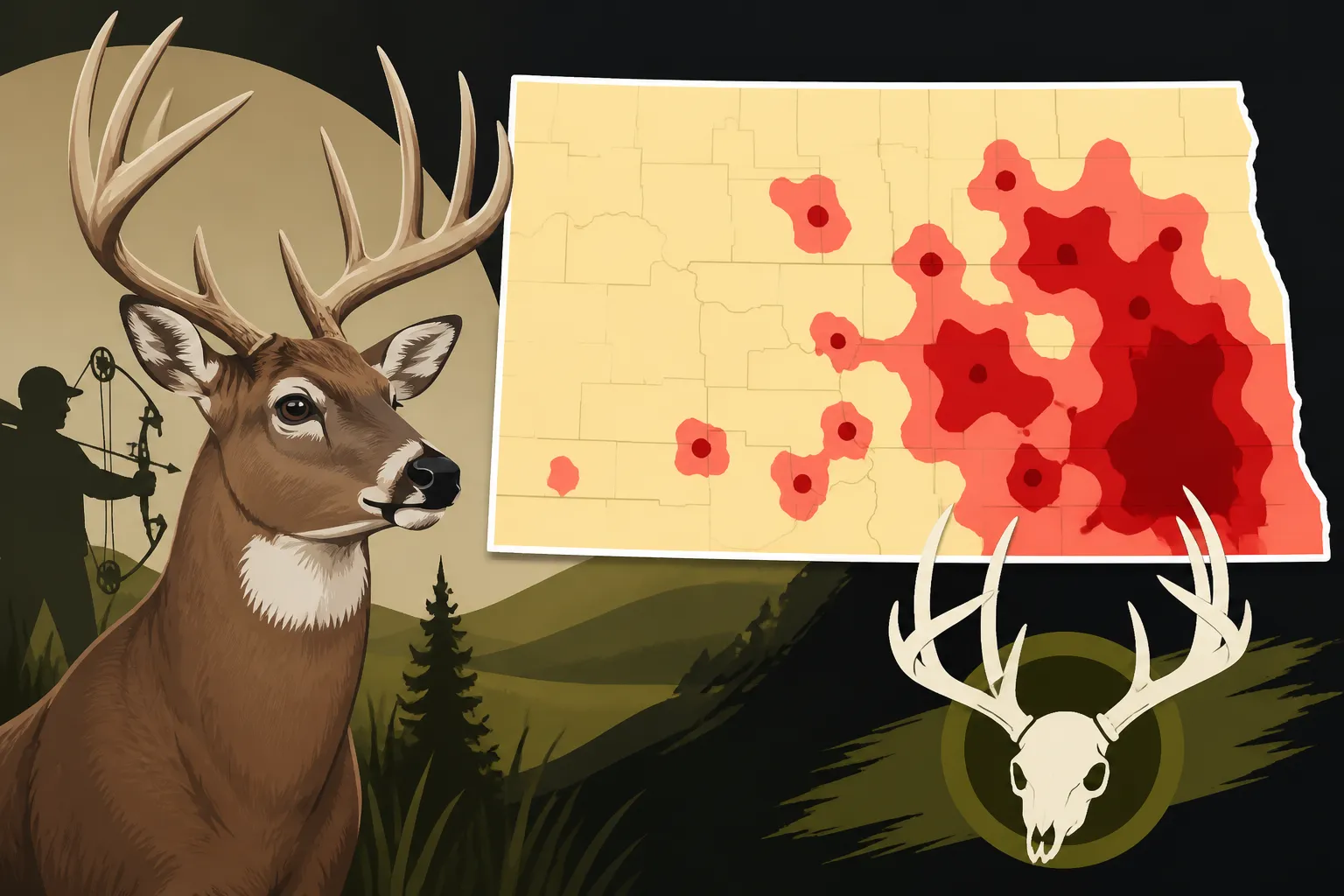
The first confirmed case of CWD in a wild cervid in North Dakota came in 2009. It was detected in a mule deer buck harvested in Hunting Unit 3F2, an area located in the southwestern part of the state. This wasn't entirely unexpected, as CWD had been identified in neighboring states for some time, making it feel like an inevitable arrival. Before 2009, North Dakota had already been testing harvested deer, elk, and moose as a proactive measure, but this positive result marked a significant turning point. It shifted the conversation from "if" to "how do we manage this now?" Subsequent detections confirmed its presence in other animals within the same general region, particularly along the Missouri River corridor and into the Badlands. This initial cluster served as a stark warning, signaling that CWD was no longer a distant problem but a local reality. Knowing How CWD Spread From the Missouri River Corridor is key to understanding its current distribution.
Tracing Early Movement
Following that initial detection, efforts immediately ramped up to trace the disease's early movement and understand its local footprint. Wildlife biologists focused intensified surveillance on the areas surrounding the first positive tests, collecting samples from more harvested animals. What they found suggested a slow but steady expansion. The disease seemed to follow natural deer movements, particularly along river drainages and through key habitat areas. Deer, especially bucks during the rut, can travel considerable distances, inadvertently acting as vectors. This natural movement pattern means that even if CWD starts in one specific location, it's very difficult to contain it there entirely. It's not like you can put up a fence around an entire river system. This early understanding helped shape the strategy for defining initial CWD hunting units and implementing specific regulations to try and slow the spread, such as mandatory testing in certain areas.
Factors Influencing CWD Spread in North Dakota
Understanding how CWD spreads is critical to mitigating its impact. It's not just a random occurrence; there are very clear biological and environmental factors at play, some of which are entirely out of our control, and others where human actions can make a real difference. It’s a complex puzzle, and every piece, from a deer's natural wanderings to how a hunter disposes of a carcass, contributes to the overall picture.
Deer Behavior and Movement
Deer aren't static creatures, and their natural behaviors are a primary driver of CWD spread. During the breeding season, known as the rut, bucks travel widely in search of does. This increased movement, often covering many miles, means an infected buck can potentially carry the prions to new areas, contaminating the environment through saliva, urine, and feces. It’s like a silent, invisible trail of disease. Imagine a buck that was exposed to prions in one coulee in the Badlands, then travels miles away during the rut to a new area, depositing those prions as he goes. Furthermore, winter concentrations, where deer gather in smaller areas to access limited food sources or shelter, can also facilitate transmission. When deer are in close proximity, sharing browse and congregating in the same bedding areas, the opportunity for direct and indirect contact with infectious prions increases significantly. This is particularly true in river bottom areas or dense shelterbelts where deer numbers can be quite high, as discussed in White-Tailed Deer Across North Dakota.
Human-Assisted Spread
While natural deer movement is a major factor, human activities also play a role, sometimes unintentionally, in the spread of CWD. The most significant concern here is the transportation of infected carcasses. If a hunter harvests a CWD-positive deer in one unit and transports the entire carcass, or high-risk parts like the brain and spinal cord, to another unit for processing, they risk contaminating the new area. This is why strict carcass transportation rules are in place in many CWD-positive units. Another contentious issue is baiting and feeding deer. While often done with good intentions, these practices concentrate deer in artificial locations, increasing direct nose-to-nose contact and the potential for prions to accumulate in high-use areas. It creates a localized hot spot for transmission. It’s tough because some hunters have relied on baiting for years, but the science increasingly points to its detrimental effect on CWD management, leading to regulations like Why Baiting Is Banned on National Grasslands.
Habitat and Landscape
North Dakota's diverse landscape also influences how CWD spreads. In the rugged Badlands, with its mix of open grasslands, deep coulees, and timbered draws, deer movement patterns can be complex. While natural barriers might slow some spread, the sheer size and connectivity of some habitats allow for long-distance dispersal. In the prairie pothole region, characterized by extensive agricultural fields interspersed with wetlands and shelterbelts, deer often concentrate in remaining pockets of cover. These smaller, more fragmented habitats can lead to higher deer densities in specific locations, increasing interaction and potential for transmission. River corridors, like the Missouri River, act as natural highways for deer movement, often concentrating animals and serving as vectors for CWD spread across broader regions. The very nature of North Dakota's beautiful and varied terrain, which we love for hunting, also presents unique challenges for CWD management.
Current Status and Geographic Distribution of CWD Units
Understanding the current lay of the land for CWD in North Dakota is essential for any hunter. It’s not just a theoretical problem; it has real, tangible implications for where and how you can hunt. The state has invested heavily in surveillance to map the disease, and these efforts directly influence regulations and hunting strategies. This section will help clarify what "CWD hunting unit" really means and how we're tracking the disease's presence.
Identifying CWD Hunting Units
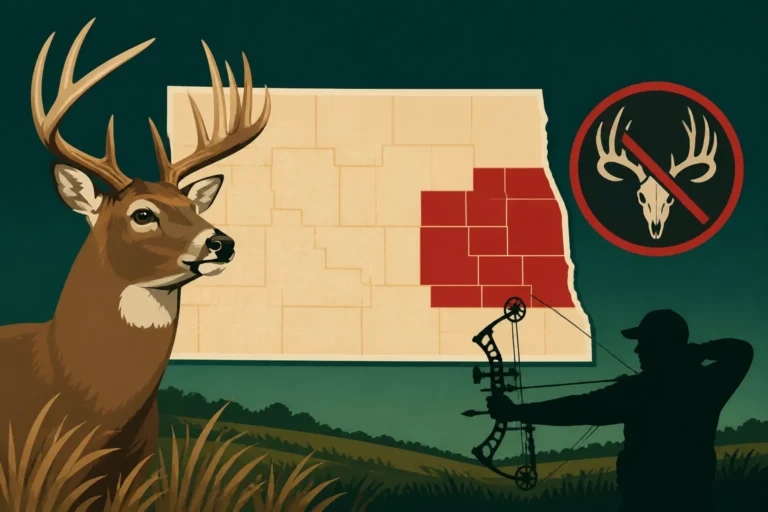
In North Dakota, specific hunting units are designated as CWD-positive or "CWD surveillance units" based on confirmed detections within their boundaries or adjacent areas. These units aren't chosen lightly; they're the result of years of intense sampling and analysis. Once a unit has positive CWD detections, it typically falls under special regulations. This can include mandatory testing of harvested deer, carcass transport restrictions, and specific guidelines for baiting or feeding. The goal is to contain the spread and gather as much data as possible. For instance, if you're hunting in a unit like 3F2, 4A, or other units in the southwestern part of the state, you're likely in a CWD-positive zone. It's frustrating to have extra hoops to jump through, but these designations are critical for managing the disease and protecting the overall deer herd. Staying informed about How Many North Dakota Units Have CWD is an ongoing responsibility for ethical hunters.
To give you a clearer picture, here's a general overview of CWD unit types and their implications:
| Unit Type | Description | Hunter Implication |
|---|---|---|
| CWD Positive Units | Units with confirmed CWD detections in wild cervids. | Mandatory testing, carcass restrictions, potential baiting bans. |
| CWD Surveillance Units | Units adjacent to CWD positive units, or with high-risk factors, where intensified testing occurs. | Highly encouraged testing, voluntary participation is key. |
| CWD Management Zones | Broader areas encompassing multiple units where specific management actions are focused. | Awareness of regulations, participation in state efforts. |
| Non-Detected Units | Units where CWD has not yet been detected, but surveillance is ongoing. | Standard hunting regulations apply, but vigilance is still advised. |
Prevalence Rates and Trends
Beyond simply knowing where CWD is, wildlife managers also focus on how much CWD is present, which is called the prevalence rate. This is the percentage of tested animals in a given unit that come back positive for the disease. Monitoring North Dakota CWD Prevalence Rate Trends over time is crucial for understanding if the disease is increasing, decreasing, or stable within a particular area. For example, a unit might have a low prevalence rate initially, but if it steadily increases over several years, that signals a growing problem. These trends are often tracked by unit, providing localized data that helps guide management decisions, such as increasing antlerless harvest opportunities in certain areas to manage deer densities. The good news is that by participating in programs like CWD Testing for North Dakota Hunters and submitting samples, hunters directly contribute to this vital data collection. It’s a collective effort, and every sample helps paint a more accurate picture of the disease's footprint in our state. Even if it feels like a chore, it’s truly important work.
Management Strategies and Hunter's Role
The state isn't just sitting back and watching CWD spread; active management strategies are in place, and hunters are absolutely central to their success. It can feel overwhelming with all the regulations, but understanding the "why" behind them makes it easier to comply and helps us all be better conservationists.
North Dakota's Management Approach
North Dakota's Game and Fish Department (NDGFD) takes a multi-pronged approach to CWD management, focusing on surveillance, regulation, and public education. The cornerstone of this strategy is continued testing of harvested deer, elk, and moose, particularly in identified CWD units. This data collection is essential for tracking the disease and understanding its spread. They also implement carcass transportation restrictions; for example, if you harvest a deer in a CWD-positive unit, you might only be allowed to transport specific parts, like deboned meat, antlers, or hides, out of that unit. This minimizes the risk of inadvertently moving infected prions to CWD-free areas. Additionally, harvest strategies might be adjusted, sometimes increasing antlerless quotas in CWD-affected units to help manage overall deer densities, which can, in turn, reduce transmission rates. It’s a delicate balance, and these decisions are made with the long-term health of our herds in mind. You can learn more about these efforts when applying for North Dakota's Lottery-Based Deer Gun Season or other tags.
Hunter Responsibilities and Best Practices
As hunters, we have a critical role to play in the fight against CWD. It's not just the state's problem; it's our collective responsibility. The first and most important step is to know the rules for the unit you're hunting in. If you're in a designated CWD unit, understanding the requirements for Mandatory Testing Inside a CWD Hunting Unit is non-negotiable. Submitting your samples at designated sampling stations or collection sites, such as those you can find when checking Finding a North Dakota CWD Sampling Station, provides crucial data. Beyond testing, proper carcass disposal is paramount. If you harvest an animal in a CWD-positive unit, ensure that any high-risk parts (brain, spinal cord, lymph nodes) are left at the kill site or disposed of in an approved landfill, not simply tossed in a ditch. This prevents further environmental contamination. And finally, considering the recommendations for Handling Venison From a CWD Hunting Unit is a personal decision, but an informed one, for every hunter and their family. Tools like GoHunt can be incredibly helpful here, as their mapping features often overlay CWD unit boundaries and even show testing station locations, helping you plan your hunt ethically and compliantly. It's all about being a conscientious hunter, looking out for the future of the sport.
Looking Ahead: The Future of CWD in North Dakota
The presence of CWD in North Dakota isn't going away overnight, and its long-term implications are something every hunter needs to consider. It's not just about this season's tag; it's about the health of the herds for generations to come. While it's easy to feel a sense of gloom, ongoing efforts and increased understanding offer a path forward.
Impact on Deer Populations
The long-term impact of CWD on North Dakota's deer populations is a primary concern. While CWD is always fatal to individual animals, its effect on overall herd numbers can vary. In areas with low prevalence rates, the impact might be minimal, often overshadowed by other factors like harsh winters or habitat loss. However, in regions where CWD prevalence increases significantly, we could potentially see declines in specific populations. This is because infected animals become more susceptible to other diseases, predation, and natural mortality, eventually leading to fewer deer in the landscape. This could, in turn, affect license allocations and hunting opportunities down the road. It’s a constant balancing act for wildlife managers to maintain healthy populations in the face of this persistent disease. This is why discussions around North Dakota Deer Population Estimate are so vital.
Ongoing Research and Monitoring
The fight against CWD is an ongoing scientific endeavor. The NDGFD, in collaboration with universities and federal agencies, continues to invest in research to better understand CWD prions, how they interact with the environment, and new methods for detection and management. This includes exploring advanced diagnostic tools, studying deer movement patterns in CWD-affected areas, and evaluating the effectiveness of various management strategies. Continuous monitoring, driven largely by hunter-submitted samples, remains the backbone of this effort. Every year, new data helps refine our understanding of the disease's progression and informs adaptive management decisions. The hope is that through dedicated research and the unwavering cooperation of hunters, we can find more effective ways to manage CWD and ensure robust, healthy deer, elk, and moose populations for all North Dakota hunters in the years to come. When you use tools like GoHunt to study land maps and plan your approach, you're tapping into a wealth of information that supports these monitoring efforts by keeping you aware of the latest CWD boundaries and regulations, making you part of the solution.
Disclaimer
This article is for general informational purposes only and does not constitute professional advice. Laws, prices and regulations vary by location and change over time. Consult a qualified professional for guidance on your specific situation.