North Dakota Pronghorn Herd Size
For many hunters, the elusive pronghorn of North Dakota represents a truly unique big game challenge, distinct from the whitetails and mule deer that inhabit much of the state. However, understanding the current health and size of North Dakota's pronghorn herd can feel like trying to catch smoke, with figures fluctuating and information sometimes hard to pin down. This guide aims to demystify the North Dakota pronghorn population, offering insights into their numbers, the factors influencing their survival, and what these trends mean for hunters hoping to pursue this incredible prairie speedster.
Gauging the North Dakota Pronghorn Population
Trying to put an exact number on North Dakota's pronghorn herd can be a bit like counting the stars – it’s a massive undertaking, and the numbers are always shifting. Unlike deer, which tend to be more localized, pronghorn are nomads of the open prairie, often covering vast distances. The North Dakota Game and Fish Department undertakes annual aerial surveys to estimate the population, focusing on traditional pronghorn ranges in the western part of the state. These surveys provide the most reliable snapshot we have, allowing wildlife managers to track trends and make informed decisions about hunting quotas.
Historically, North Dakota's pronghorn population has seen its share of ups and downs, much like a rollercoaster ride through the Badlands. Severe winter weather events can dramatically impact survival, especially among fawns and older animals, leading to sharp declines. Conversely, mild winters and favorable spring conditions can help the population rebound. Understanding these historical fluctuations is key to appreciating the current status of the herd and what factors might influence its trajectory in the coming years. You can delve deeper into these historical patterns by reading about North Dakota Pronghorn Population Trends.
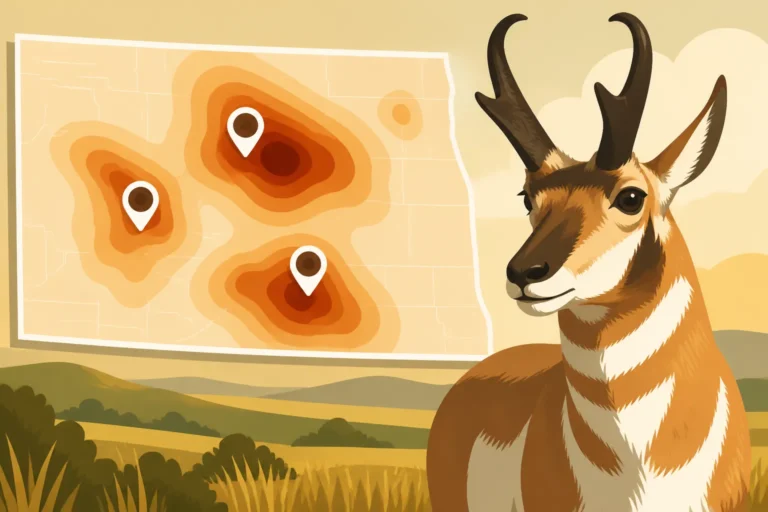
When we talk about herd size, it’s not just about the raw number of animals, but also the health of the population in different management units. Some areas of the state consistently hold higher densities of pronghorn, while others may see more sporadic populations. These localized differences are critical for hunters to understand, as a statewide average might not accurately reflect the opportunities available in a specific hunting unit. Game and Fish utilizes these unit-specific data to determine license allocations, ensuring that hunting pressure remains sustainable and contributes to the overall health of the herd.
Aerial Survey Methods and Limitations
The primary method for estimating pronghorn numbers in North Dakota is through aerial surveys, typically conducted in late summer or early fall. Biologists fly fixed-wing aircraft over designated survey routes, counting pronghorn groups and individual animals. This systematic approach provides a consistent methodology for comparison year after year, allowing managers to discern patterns and trends. While highly effective for covering vast, open terrain, these surveys do have limitations.
For instance, weather conditions, such as strong winds or heavy cloud cover, can impact visibility and survey accuracy on any given day. If animals are bedded down in deep draws or dense cover, they might be missed. Additionally, the sheer scale of the western North Dakota landscape means that not every single acre can be surveyed with the same intensity, leading to estimations rather than exact counts. These factors are all accounted for in the statistical models used to generate the final population estimates, but it’s important to remember that these are indeed estimates, not absolute figures etched in stone.
Furthermore, these surveys are often conducted before the hunting season, providing a baseline. What happens during the hunting season, combined with post-season mortality factors like severe weather, means the population on the ground can shift rapidly. This is why long-term trend analysis is so crucial; a single year's data point, whether up or down, doesn't tell the whole story. Hunters often look to these survey results when planning their applications, trying to predict which units might offer better odds or more animals.
Understanding Population Density by Region
North Dakota's pronghorn are primarily concentrated in the western half of the state, particularly within the Badlands and surrounding prairie regions. This is where the habitat best suits their needs – open grasslands, rolling hills, and sagebrush flats that provide both forage and escape cover. Areas like McKenzie, Billings, Golden Valley, Slope, and Bowman counties tend to consistently hold the highest densities of pronghorn. These are the traditional strongholds where hunters have the best chance of encountering these animals.
However, even within these prime regions, density can vary significantly. A unit with ample public land access, such as portions of the Little Missouri National Grassland, might attract more hunting pressure and, therefore, require careful management to sustain its population. Conversely, units with a patchwork of private and public lands might see pronghorn numbers fluctuate based on local land use practices and winter conditions. Understanding where the core populations reside is essential for anyone considering a pronghorn hunt. Pronghorn Hunting Western North Dakota offers more details on where to focus your efforts.
Knowing the general density by region can help you strategize your hunt, whether you're trying to draw a tag or simply exploring where you might see these animals. Many hunters utilize advanced mapping tools, like those found on platforms such as GoHunt, to analyze habitat and identify potential pronghorn concentrations within specific units. These tools can highlight public land boundaries, terrain features, and even historic game sightings, giving you a valuable edge in your scouting efforts.
Key Factors Shaping Pronghorn Numbers in North Dakota
The health and size of the North Dakota pronghorn herd are intricately linked to a variety of environmental and human-related factors. These factors can create booms and busts in the population, making pronghorn management a dynamic and challenging endeavor. Understanding these influences is crucial for appreciating why herd numbers might fluctuate from one year to the next and what it takes to maintain a viable population.
Perhaps the most dominant factor is weather, particularly severe winters. Deep, prolonged snow cover can make it incredibly difficult for pronghorn to access their primary food sources, leading to malnutrition and increased vulnerability to disease and predation. I've heard countless stories from old-timers about winters that just decimated the herd in certain areas. It's truly a tough country, and pronghorn are adapted, but there's a limit. Why a Hard Winter Hurts Pronghorn Numbers explains this impact in detail.
Habitat loss and fragmentation also play a significant role. As agricultural lands expand or energy development increases, prime pronghorn habitat can be altered or reduced. While pronghorn are adaptable to some degree, they need vast expanses of open prairie to thrive. Fences, roads, and other barriers can impede their movements, especially during migrations or when seeking new forage, directly impacting their ability to survive and reproduce.
The Impact of Winter Weather Events
North Dakota winters are notoriously harsh, and these extreme conditions are often the primary limiting factor for pronghorn populations. Deep snow, especially when crusted or iced over, presents an almost insurmountable barrier to feeding. Pronghorn have relatively small hooves and a unique diet, making it difficult for them to paw through heavy snow to reach forage. During prolonged periods of severe cold and snow, energy reserves are quickly depleted, leading to high mortality rates.
Young fawns and older, weaker animals are particularly susceptible to these winter die-offs. A brutal winter can wipe out a significant portion of the annual fawn crop and reduce the breeding population, setting back herd recovery for several years. I recall one particularly harsh winter a few years back where the numbers in certain western units dropped significantly, and it took a few mild winters afterward to see a noticeable rebound. It's a stark reminder of nature's unforgiving hand.
Conversely, a series of mild winters can allow the herd to grow robustly. With easier access to forage and less energy expended simply trying to survive, more animals enter the breeding season in good condition, and fawn survival rates improve. This cycle of boom and bust is a natural part of pronghorn ecology in the northern plains, and wildlife managers closely monitor winter severity when predicting population trends for the upcoming year.
Habitat Health and Connectivity
Pronghorn are creatures of the open prairie, relying on vast, unbroken landscapes for their survival. Healthy habitat means a diverse mix of grasses, forbs, and sagebrush, providing both nutritious forage and cover. The health of these grasslands is directly influenced by factors like precipitation, grazing management, and the presence of invasive species. When habitat quality declines, so too does the pronghorn's ability to thrive.
Beyond quality, connectivity is paramount. Pronghorn are known for their incredible speed and their tendency to migrate or move extensively to find food and evade predators. Man-made barriers, particularly fences, can pose serious challenges. Traditional barbed-wire fences, while necessary for livestock management, can prevent pronghorn from easily moving across the landscape, forcing them to expend valuable energy finding crossings or trapping them in unfavorable areas. Modern fence designs that allow pronghorn to crawl under or jump over more easily are becoming increasingly important in conservation efforts.
Conservation initiatives focused on maintaining large, intact blocks of prairie habitat, often in collaboration with private landowners and federal agencies managing lands like the Little Missouri National Grassland, are vital for the long-term health of the herd. These efforts ensure that pronghorn have the space and resources they need to navigate the challenging North Dakota environment. Tools like GoHunt's mapping features can help hunters identify contiguous blocks of public land or areas with favorable habitat characteristics, aiding in scouting and hunt planning.
Predation and Disease
While winter weather and habitat are major players, predation and disease also factor into pronghorn population dynamics. Predators like coyotes, bobcats, and golden eagles can take a toll, especially on fawns during the spring and early summer when they are most vulnerable. While natural predation is a healthy part of the ecosystem, an imbalance can sometimes exacerbate population declines, particularly after a severe winter has already weakened the herd.
Diseases, though less frequently observed as large-scale mortality events in pronghorn compared to some other big game species, can still impact local populations. Regular monitoring by wildlife agencies helps to detect any unusual disease outbreaks that could threaten herd health. Fortunately, pronghorn in North Dakota have not faced the same widespread disease challenges as deer in some areas, though vigilance remains important.
Hunting, when managed sustainably, is not typically a limiting factor for pronghorn populations. Rather, it's a tool used by wildlife managers to maintain healthy herd sizes that are in balance with the available habitat. The lottery system for pronghorn tags ensures that only a limited number of animals are harvested each year, preventing overhunting and allowing the population to remain robust. This careful balance of natural and human factors ultimately shapes the herd's future.
Prime Habitats and Movement Patterns of North Dakota Pronghorn
If you're dreaming of a North Dakota pronghorn hunt, understanding where these magnificent animals live and how they move is half the battle. They aren't just everywhere; they have specific preferences that dictate their presence and behavior across the vast prairie. Focusing your scouting and hunting efforts on these prime areas, and learning to interpret their movements, significantly increases your chances of success.
Pronghorn absolutely thrive in wide-open, arid or semi-arid grasslands with low-growing vegetation and sparse shrub cover. Think rolling hills, sagebrush flats, and areas with shortgrass prairie. They prefer areas where they can utilize their incredible eyesight to spot danger from a distance, and their blistering speed to escape it. You won't typically find pronghorn hiding in dense timber or thick river bottomlands like deer; they need that expansive visibility. These habitats are most prevalent in the western counties, especially those bordering the Badlands.
Their movement patterns are often influenced by food availability, water sources, and seasonal changes. They might be found near agricultural fields after harvest, grazing on residual grains, or closer to natural springs and dugouts during dry periods. While they aren't true long-distance migrants in the same way some elk or deer herds are, they will certainly cover many miles in search of better forage or to escape pressure. Scouting these areas thoroughly and understanding daily patterns are critical for success.
Identifying Key Pronghorn Habitat Features
When you're out scouting for pronghorn, or even just looking at a map, you want to identify specific features that practically scream "pronghorn country." The first thing to look for is large, open expanses of grassland, particularly areas with a mix of native grasses and forbs. They love areas where sagebrush or other low shrubs provide a bit of cover or variety in their diet. Topographical maps or aerial imagery can reveal these characteristics quite clearly.
Look for subtle rolling terrain rather than flat, featureless plains. The gentle undulations provide natural glassing points from higher elevations, allowing you to scan vast areas. Conversely, pronghorn will often bed in slight depressions or along the leeward side of small rises, seeking protection from the wind. Knowing how to read these subtle landscape clues is paramount. Spotting Pronghorn on North Dakota's Open Prairie is a great resource for learning how to scan these landscapes effectively.
Water sources, though not always as critical for pronghorn as for some other species due to their ability to derive moisture from plants, can become focal points during dry spells. Look for stock ponds, dugouts, or natural springs. Finally, consider historical data; areas that have consistently held pronghorn in the past are often good bets for the future, assuming habitat conditions haven't drastically changed. Leveraging tools like those provided by GoHunt can give you access to historical data, habitat overlays, and even hunter reports to help pinpoint these key features.
Understanding Daily and Seasonal Movements
Pronghorn are most active during the cooler parts of the day, particularly early mornings and late evenings, when they are typically out feeding. During the midday heat, especially in late summer, they will often bed down in a slight depression or against a rise, seeking shade or simply resting. These midday bedding areas are crucial to pinpoint when planning a stalk, as it's often your best chance to get within range.
Their seasonal movements are largely dictated by forage availability and breeding cycles. In the spring and summer, they spread out across the landscape, often found in smaller groups or as solitary bucks. As fall approaches, particularly leading up to the rut, bucks become more territorial, and larger groups of does and fawns might form. This is when Stalking Pronghorn on Open Grassland becomes an art form, as you try to navigate the open country without spooking an entire herd.
During the late fall and early winter, if conditions remain mild, they might still be dispersed. However, with the onset of severe winter weather, they tend to congregate in larger herds in areas where forage is still accessible or where snow depths are shallower. Understanding these seasonal shifts allows hunters to adapt their tactics and focus their efforts where pronghorn are most likely to be found, increasing the odds of a successful hunt.
Conservation Efforts and Future Outlook for North Dakota's Pronghorn
Maintaining a healthy and sustainable pronghorn population in North Dakota is a continuous effort, requiring a blend of scientific management, habitat conservation, and responsible hunting practices. The future outlook for these iconic prairie animals hinges on our ability to adapt to changing environmental conditions and continue supporting the initiatives that safeguard their existence.
Wildlife agencies, primarily the North Dakota Game and Fish Department, play a pivotal role through population monitoring, habitat enhancement projects, and carefully regulated hunting seasons. Their data-driven approach ensures that management decisions are based on the best available science, aiming to strike a balance between providing hunting opportunities and ensuring the long-term viability of the herd. The limited number of North Dakota Pronghorn Lottery Application Process tags issued each year is a direct result of these conservation strategies.
Looking ahead, challenges remain, especially concerning habitat fragmentation and the unpredictable nature of prairie winters. However, ongoing partnerships with landowners, federal agencies managing public lands like the Little Missouri National Grassland, and conservation organizations are crucial. These collaborations help protect and restore critical pronghorn habitat, ensuring that future generations can continue to marvel at these incredible creatures of the plains.
Management Strategies for Population Health
The North Dakota Game and Fish Department employs several key management strategies to ensure the health and sustainability of the state's pronghorn herd. Foremost among these is the annual aerial survey, which provides the critical data needed to assess population trends and health. Based on these survey results, biologists determine appropriate hunting quotas, allocating a specific number of tags to various hunting units. This allows for localized management, preventing overharvest in areas where populations might be struggling while allowing for more generous opportunities in robust units.
Another vital strategy involves habitat improvement and protection. This can range from working with landowners to implement pronghorn-friendly fencing designs that allow for easier movement, to participating in large-scale grassland restoration projects. Access to quality forage and water is paramount, so efforts often focus on maintaining diverse native plant communities and ensuring reliable water sources across the landscape. You can often find pronghorn on Public Hunting Land in North Dakota where these conservation efforts are focused.
Finally, managing human impact through education and regulation is key. This includes enforcing hunting regulations, promoting ethical hunting practices, and fostering an understanding of pronghorn biology among the public. These multifaceted strategies work in concert to protect the herd from excessive pressure and ensure they have the resources they need to thrive.
Challenges to Pronghorn Recovery and Growth
Despite dedicated conservation efforts, several significant challenges continue to impact pronghorn recovery and growth in North Dakota. As discussed, extreme winter weather remains perhaps the most formidable hurdle. A single harsh winter can undo years of population growth, setting back recovery efforts considerably. This constant threat of weather-related mortality means that populations are always somewhat precarious and susceptible to sudden declines.
Habitat loss and fragmentation are ongoing concerns, particularly with land-use changes across the prairie. While public lands provide some secure habitat, a significant portion of pronghorn range is on private land. Balancing agricultural needs, energy development, and pronghorn habitat can be a delicate act. The construction of new roads, fences, or other infrastructure can disrupt traditional movement corridors, making it harder for pronghorn to access vital resources or escape predators.
Furthermore, competition with livestock for forage can sometimes be an issue, although pronghorn have a somewhat different diet than cattle, often preferring forbs and shrubs. However, during periods of drought or in areas with high grazing pressure, this competition can become more pronounced. These challenges require continuous monitoring, adaptive management, and strong partnerships to mitigate their effects and ensure a resilient pronghorn population for the future.
The Hunter's Role in Conservation
For those of us who cherish the opportunity to hunt pronghorn, our role in conservation is paramount. Ethical hunting practices are not just about following the rules; they are about respecting the animal and contributing to its sustainable future. This includes understanding and adhering to bag limits, season dates, and reporting requirements, such as those detailed in North Dakota Deer Reporting Requirements (though for deer, the principle applies to all big game). Every piece of data collected from harvested animals, including locations and biological samples, helps wildlife managers make better decisions.
Beyond the hunt itself, supporting conservation organizations and initiatives that benefit pronghorn habitat is incredibly important. This could mean financially contributing to groups that work on grassland restoration, or simply being a good steward of the land when you're out scouting or hunting, packing out what you pack in, and respecting private land boundaries. Understanding how the North Dakota's Once-in-a-Lifetime Big Game Licenses system works for species like pronghorn also helps appreciate the value and scarcity of these tags.
Ultimately, the future of North Dakota's pronghorn herd lies in a collective commitment to their well-being. By staying informed, advocating for sound conservation policies, and practicing responsible hunting, we can all contribute to ensuring that these magnificent "speed goats" continue to grace the vast prairies of North Dakota for generations to come.
Disclaimer
This article is for general informational purposes only and does not constitute professional advice. Laws, prices and regulations vary by location and change over time. Consult a qualified professional for guidance on your specific situation.