North Dakota’s Prairie Pothole Region Explained
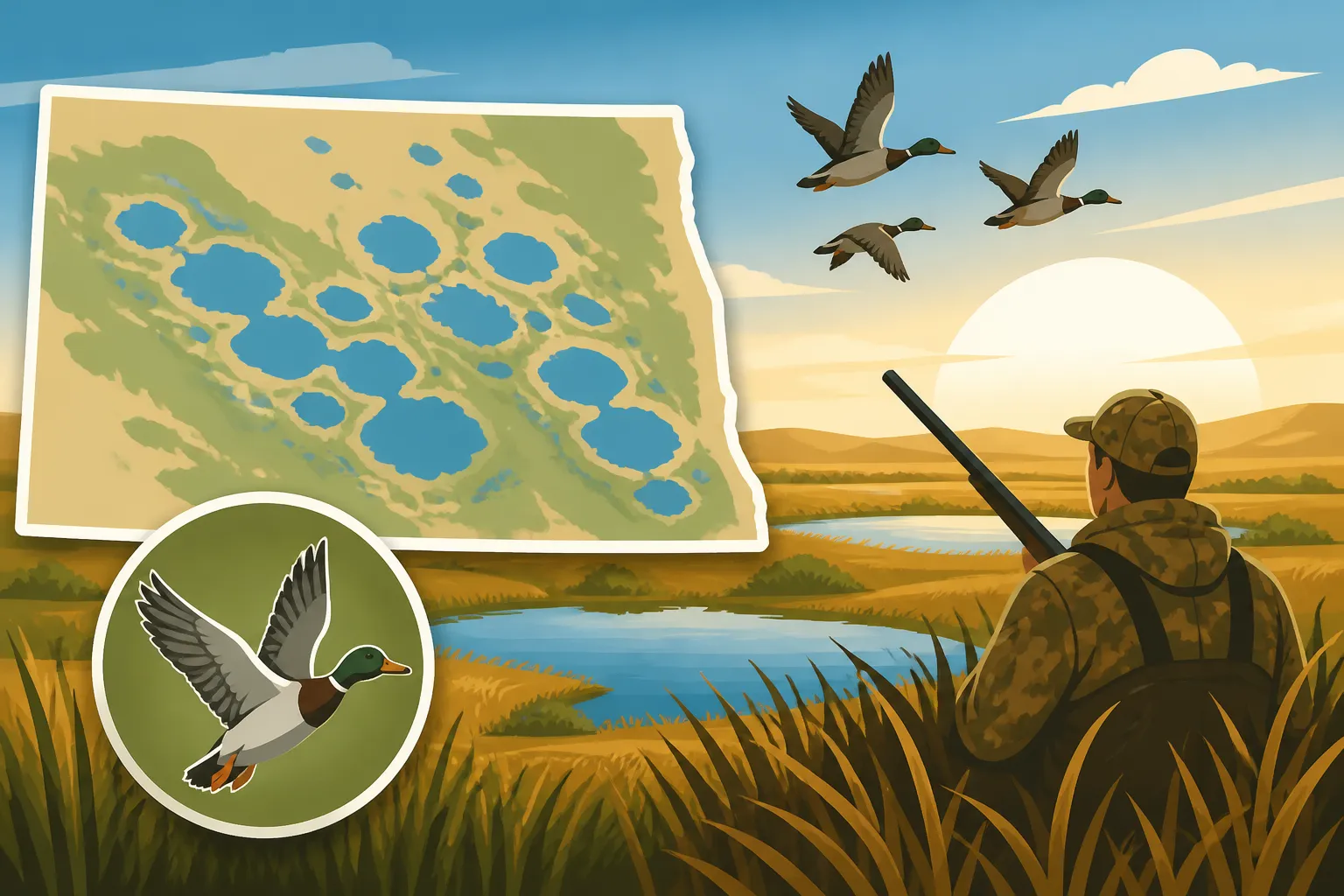
For many, the vast expanse of North Dakota’s prairies can appear deceptively uniform, a seemingly endless ocean of grass and agricultural fields. But beneath that surface lies a complex, vital ecosystem—the Prairie Pothole Region—which is often misunderstood by those who haven't experienced it firsthand. This guide will peel back the layers of this incredible landscape, explaining its formation, its critical role in supporting wildlife, and what it means for hunters and conservationists alike.
The Unique Geology and Hydrology of North Dakota's Prairie Potholes
When you first drive through parts of North Dakota, especially outside of the Badlands, you might wonder what makes the "Prairie Pothole Region" so special. It doesn't scream "mountains" or "grand canyons," but its uniqueness is in its subtlety and its profound ecological impact, primarily due to how it was formed and how water interacts with its landscape. This region isn't just flat ground; it's a tapestry woven by ancient glaciers, leaving behind a legacy of countless depressions that fill with water.
A Glacial Legacy of Depressions and Wetlands
The story of the Prairie Pothole Region (PPR) begins with glaciers—massive sheets of ice that once covered much of North America. As these glaciers advanced and retreated over thousands of years, they sculpted the land in remarkable ways. They scoured out huge amounts of soil, depositing a chaotic mix of clay, sand, gravel, and boulders, known as glacial till, across the landscape. When the glaciers finally melted, they left behind a terrain that was uneven, pitted with millions of depressions of varying sizes and depths. These are our "potholes."
Imagine a giant, messy ice cream scoop dragging across the land, leaving behind little divots and mounds everywhere. That's essentially what happened. These depressions aren't uniform; some are tiny, only holding water for a few weeks in the spring, while others are larger, deeper basins that might hold water year-round. This varied topography is crucial because it creates an incredible diversity of wetlands right next to each other, supporting different plants and animals, and creating the backbone of North Dakota’s incredible waterfowl habitat. Understanding this glacial history helps us appreciate why this seemingly simple landscape is actually a complex, interconnected system.
Understanding the Different Types of Prairie Potholes
Not all potholes are created equal, and knowing the differences is key to understanding their ecological function and, frankly, where to find specific game. We often categorize these wetlands based on how long they hold water, which dictates the type of vegetation that grows and the wildlife they attract. For a hunter or an avid outdoors person, this distinction is invaluable.
- Temporary Potholes: These shallow depressions only hold water for a short period in spring, often just a few weeks after snowmelt or heavy rains. While fleeting, they are incredibly important for early-season invertebrate production, providing a crucial protein source for breeding hens before they move to more permanent water. You might not see ducks nesting right next to them, but they’re using these areas to fuel up.
- Seasonal Potholes: These wetlands hold water for longer, typically through late spring and early summer. They are often ringed with emergent vegetation like sedges and cattails, providing excellent nesting cover and brood-rearing habitat. Many duck species, from mallards to pintails, rely heavily on seasonal potholes for raising their young. This is where you'll find a lot of the action during the breeding season.
- Semi-permanent Potholes: Deeper than seasonal wetlands, these potholes often retain water throughout the summer, sometimes even into fall. They offer more stable water levels and a greater variety of aquatic vegetation. These are magnets for ducks and geese throughout much of the year, providing resting and feeding areas during migration and beyond.
- Permanent Potholes: These are the deepest, most stable wetlands, holding water year-round even during drought years. They often resemble small lakes and serve as critical refuges for waterfowl during dry periods and provide stable habitat for fish and other aquatic life. While fewer in number than the shallower types, their year-round presence makes them anchors in the landscape.
Knowing what kind of pothole you're looking at can inform your hunting strategy. A large, permanent pothole surrounded by good cover might be perfect for Decoy Spreads for Prairie Pothole Mallards, while a seasonal one with flooded grass could be ideal for jump-shooting. You can even identify these features using detailed mapping tools like those offered by GoHunt, which often have satellite imagery layers that help distinguish wetland types, making your scouting efforts much more efficient.
Here's a quick reference table for identifying pothole types and their general characteristics:
| Pothole Type | Water Retention | Typical Vegetation | Primary Wildlife Use | Hunting Implications |
|---|---|---|---|---|
| Temporary | Few weeks (spring) | Grasses, some early emerging plants | Early invertebrate production, initial foraging | Limited direct hunting, but important for breeding cycle |
| Seasonal | Late spring/early summer | Sedges, cattails, smartweed | Nesting cover, brood rearing, duckling food sources | Excellent for jump-shooting or small decoy spreads early season |
| Semi-permanent | Most of year, may dry in drought | Diverse aquatic plants, dense emergent cover | Resting, feeding, brood rearing, migration staging | Prime for larger decoy spreads, layout blinds, blinds on edges |
| Permanent | Year-round | Deep water plants, extensive emergent vegetation | Drought refuge, critical migration stopover, diverse | Can hold large numbers of birds; often requires boat access or careful blind placement |
A Critical Nursery for North American Waterfowl
The Prairie Pothole Region isn't just important; it's critical—often called North America's "duck factory" for good reason. The unique mix of shallow, productive wetlands interspersed with upland nesting cover makes it an unparalleled breeding ground for a vast array of waterfowl species. Without the PPR, our continent's duck and goose populations would look drastically different, and not for the better.
North America's "Duck Factory" and Breeding Success
The sheer productivity of the PPR for waterfowl is staggering. This region, despite making up only about 10% of North America's total waterfowl breeding habitat, produces an estimated 50-70% of the continent's annual duck production. Think about that for a moment: over half of the ducks that fly south each fall got their start right here, in places like North Dakota, South Dakota, and parts of Canada. This isn't just about large numbers; it's about incredible breeding success.
What makes it such a powerhouse? It’s the perfect combination of factors:
- Abundance of Potholes: The millions of small, shallow wetlands, particularly the temporary and seasonal ones, provide an immense surface area for invertebrate production. These tiny protein-rich morsels are vital for breeding hens, providing the energy they need to lay eggs and for ducklings to grow rapidly.
- Diverse Wetland Types: As we discussed, the variety of potholes means different stages of the breeding cycle are supported in close proximity. Hens can feed in temporary wetlands, nest in upland cover near seasonal wetlands, and then move their broods to more permanent water as the season progresses.
- Upland Nesting Cover: The grasslands surrounding the potholes are just as important as the water itself. Dense nesting cover (DNC) provides protection from predators for nesting hens. When this cover is abundant, nest success rates soar. Programs like CRP (Conservation Reserve Program) and the efforts of organizations like Ducks Unlimited are crucial in maintaining and restoring this vital upland habitat.
This ecological symphony ensures that even relatively small land parcels can be teeming with life, driving the health of waterfowl populations across the entire flyway. When you're out hunting and see a huge flock of mallards, there's a very good chance they hatched in a pothole just like the ones you find in North Dakota.
Supporting a Myriad of Duck and Goose Species
The PPR is a true melting pot of waterfowl species. While mallards and Canada geese might be the most common sights, the region hosts a remarkable diversity of ducks and geese, each with its own preferred habitat and feeding strategies. This diversity makes hunting here incredibly exciting and varied. You’re not just chasing one kind of bird; you’re immersed in a dynamic ecosystem.
You'll find a strong presence of dabbling ducks, which feed in shallow water by tipping up or "dabbling." Mallards, pintails, gadwall, wigeon, and various teal species (blue-winged, green-winged, and cinnamon) are all abundant. These birds thrive in the shallower, vegetated potholes, feeding on seeds, aquatic insects, and plant matter. The fast-flying teal are often a favorite target early in the season, while the larger mallards dominate later on.
Diving ducks, like canvasbacks, redheads, scaup, and ruddy ducks, also utilize the deeper, more permanent wetlands, feeding on submerged vegetation and invertebrates. While not as numerous as dabblers in some areas, they add to the rich tapestry of species. The presence of these divers often signals deeper water and different hunting tactics, perhaps requiring you to target Hunting Divers on Lake Sakakawea's Open Water or other larger bodies.
Canada geese are ubiquitous across the PPR, nesting around larger wetlands and feeding in surrounding agricultural fields. Their numbers have exploded in recent decades, providing ample hunting opportunities. Beyond them, the region is a major staging area for immense numbers of snow geese and Ross's geese during migration, especially in the fall. These incredible spectacles of thousands of white birds against the prairie sky are unforgettable. Knowing the specific habits of these birds, like their preferred feeding grounds, is key to successful hunting, whether you're trying Layout Blind Hunting Devils Lake Fields or pass-shooting.
Beyond Waterfowl: Other Wildlife of the Pothole Region
While the "duck factory" moniker is well-deserved, it would be a mistake to think the Prairie Pothole Region is only about waterfowl. This vibrant landscape supports a rich array of other game species, from upland birds to big game, making it a truly diverse hunting destination. It's a testament to the interconnectedness of habitats, where the same features that benefit ducks also create excellent conditions for other animals.
Upland Birds Thriving in Prairie Cover
The dense grasses and brush that make up the upland habitat around the potholes aren't just for duck nesting; they are prime real estate for North Dakota's popular upland birds. This is where you find the quintessential prairie experiences beyond the wetland edges.
Ring-necked pheasants are, without a doubt, the king of upland birds in many parts of the PPR, especially where agriculture provides food sources and good winter cover. They absolutely thrive in the mosaic of cattail sloughs, shelterbelts, CRP grasslands, and stubble fields. Hunting pheasants here often means working those thick, unforgiving cattail edges of a slough or pushing through a stand of tall prairie grass. The challenge and reward of flushing a cackling rooster make it an iconic hunt. Many hunters come to North Dakota specifically for the chance to experience Pheasant Hunting North Dakota's Prairie, often walking miles through diverse habitat.
Sharptail grouse are another beloved species of the open prairie. These native birds prefer expansive areas of mixed-grass prairie, often found further away from intensive agriculture than pheasants. They are fast, wily, and offer a true wild bird hunting experience. You’ll often find them in coveys flushing from creek bottoms or slight rises in the terrain. Hungarian partridge, smaller and even faster, are often found in similar habitats, especially near farm fields, favoring edges and short cover. Their explosive flush and tight coveys make for a challenging, but incredibly fun, hunt. For those interested in these birds, understanding their preferred habitat is key to Sharptail Grouse Hunting Mixed Grass Prairie or Hungarian Partridge Hunting North Dakota Farmland.
Deer and Other Mammals Utilizing Wetland Edges
Even large game finds sanctuary and sustenance within the Prairie Pothole Region. The edges of wetlands, with their dense cover and access to water, provide crucial habitat for white-tailed deer, while the overall landscape supports a variety of furbearers and other mammals.
White-tailed deer are highly adaptable and thrive in the diverse cover found in the PPR. They utilize the thick cattail and willow stands around potholes for bedding, particularly in winter when snow provides insulation and shelter from the biting prairie winds. The interspersed woodlands, shelterbelts, and river bottoms provide travel corridors and additional cover. During the fall, deer are often seen moving between these bedding areas and agricultural fields for feeding, presenting excellent hunting opportunities. Spotting these movements can be aided by scouting tools, such as the detailed topographic and land ownership maps found on platforms like GoHunt, helping you pinpoint potential travel routes or bedding locations within Hunting a Shelterbelt Edge for Deer or Hunting a Standing Corn Field for Deer.
Beyond deer, the PPR is home to a host of furbearers and other small mammals. Coyotes are abundant, constantly patrolling the landscape for rodents and other prey, and offering year-round hunting or trapping opportunities. Fox (red and swift), badgers, raccoons, and skunks also inhabit the region, utilizing the varied cover for denning and foraging. Even less common species like bobcats and occasionally river otters can be found along the more significant waterways and permanent wetlands. The region’s healthy populations of small game like rabbits and squirrels also provide additional hunting recreation and serve as a vital food source for predators.
Hunting Challenges and Opportunities in the Prairie Pothole Region
Hunting the Prairie Pothole Region offers unique rewards, but it also comes with its own set of challenges that every hunter needs to understand. From navigating public land access to battling the notoriously unpredictable North Dakota weather, being prepared and adaptable is key to a successful and enjoyable experience in this dynamic landscape.
Navigating Public Land Access and Private Property
One of the primary considerations for hunting in the PPR, especially for non-residents, is understanding land access. North Dakota has a solid network of public lands, but private land makes up the vast majority, and rules surrounding access can be strict.
Public Land Opportunities: The U.S. Fish and Wildlife Service manages numerous Waterfowl Production Areas (WPAs) scattered throughout the PPR. These areas are specifically acquired and managed for waterfowl breeding and nesting habitat and are generally open to public hunting. They are often fantastic places to target ducks, geese, and even pheasants and deer, depending on the specific WPA and its habitat mix. It’s important to remember that these lands are purchased with funds from duck stamp sales, so supporting the duck stamp directly contributes to more hunting opportunities. For more information, check out resources on Waterfowl Production Areas Explained.
North Dakota also has its innovative PLOTS (Private Land Open To Sportsmen) program, which leases hunting rights from private landowners, opening up thousands of acres to public access. These areas are marked with distinctive yellow triangular signs and are a game-changer for public land hunters. However, it's crucial to consult the annual PLOTS guide or use the ND Game and Fish app, as PLOTS parcels can change from year to year. For nonresidents, there's a specific window regarding PLOTS access, so always check the latest regulations. Planning your hunt around these resources, and perhaps even Scouting PLOTS Land Before Season, can greatly increase your chances of success.
Private Land Challenges: While public lands offer excellent opportunities, many prime areas are on private property. Securing permission to hunt private land is often essential for consistent success, especially for big game or prime waterfowl fields. North Dakota has specific rules about "posted" land, which typically requires visible signs at regular intervals to restrict access. Always assume land is private and seek explicit permission if it's not clearly marked as public. Knocking on doors, being respectful, and offering to help a landowner can go a long way. Building relationships with local landowners is often the golden ticket to some of the best hunting experiences.
Weather Whims and Tactical Adaptations
North Dakota weather is legendary for its unpredictability and extremes, and the PPR is no exception. Hunters here must be prepared for anything, often within the same day. This isn't a place for fair-weather outdoor enthusiasts; it demands resilience and adaptability.
- Wind: The prairie wind is a constant companion. It can pick up rapidly, making decoying waterfowl challenging (unless you use heavy keel decoys) and making long walks feel much longer. For upland birds, strong winds can make birds hold tighter, but also make them wilder. Hunters often use the wind to their advantage, planning drives or stalks into the wind to minimize scent or maximize the element of surprise.
- Temperature Swings: From scorching late-summer days to bitter December blizzards, the temperature can fluctuate wildly. Early season waterfowl hunts can be surprisingly warm, requiring lightweight, breathable gear, while a late-season goose hunt demands heavy, layered clothing, hand warmers, and insulated boots. Frostbite is a real concern if you’re not properly dressed for a cold front.
- Rain and Snow: Precipitation can turn dirt roads into impassable mud pits, making access to hunting spots a logistical nightmare. Snowfall, while beautiful, can significantly impact hunting strategies. Fresh snow can make tracking deer easier or force pheasants into denser thermal cover, but heavy, wet snow can make walking exhausting. Always pack rain gear, even on a sunny forecast, and check road conditions, especially if you're venturing off paved highways.
- Drought and Flooding: The "wet-dry cycle" of the PPR is a critical driver of waterfowl numbers. Droughts can severely reduce breeding success as potholes dry up, concentrating birds on fewer permanent waters. Conversely, years with abundant moisture can spread birds out across the landscape, making them harder to find. Hunters relying on detailed satellite imagery, like that provided by GoHunt, can often see the historical water levels and current conditions of potholes, helping them plan their hunts based on these cycles.
Adapting to these weather conditions means being flexible with your hunting plans. You might have to switch from a field hunt to a water hunt if a blizzard rolls in, or change your pheasant strategy if the wind is howling. This dynamic environment makes every hunt unique and rewards those who are well-prepared and willing to adjust on the fly.
Conservation Efforts and the Future of the Prairie Pothole Region
The incredible productivity and diversity of the Prairie Pothole Region haven't gone unnoticed, and neither have the threats it faces. Generations of conservationists have dedicated themselves to protecting this vital landscape, but the work is ongoing. Understanding these efforts and the challenges ahead is crucial for anyone who cares about the future of North Dakota hunting and the health of North America's waterfowl.
Key Players in Protecting Prairie Pothole Habitat
A host of dedicated organizations, government agencies, and private individuals are working tirelessly to conserve the PPR. Their combined efforts are what keep the "duck factory" running and ensure future generations can experience the incredible hunting and wildlife viewing opportunities it provides.
- U.S. Fish and Wildlife Service (USFWS): As mentioned earlier, the USFWS plays a massive role through its Waterfowl Production Areas (WPAs). These areas are purchased or leased to protect critical wetland and upland habitat. The federal Duck Stamp program directly funds these acquisitions, making every waterfowl hunter a direct contributor to habitat conservation. The USFWS also oversees National Wildlife Refuges in the PPR, providing additional protected areas for wildlife.
- Ducks Unlimited (DU): This is arguably the largest waterfowl conservation organization in the world, and their roots run deep in the PPR. DU focuses on conserving, restoring, and managing wetlands and associated habitats for North America's waterfowl. They work with landowners, agencies, and partners to implement habitat projects, restore drained wetlands, and secure conservation easements. Their impact on the PPR cannot be overstated, and their work directly benefits hunters by ensuring robust waterfowl populations.
- North Dakota Game and Fish Department (NDGFD): The state's primary wildlife agency manages numerous Wildlife Management Areas (WMAs) throughout the PPR, providing public hunting and wildlife viewing opportunities. They also run the successful PLOTS (Private Land Open To Sportsmen) program, which leases private land for public hunting access. NDGFD also conducts critical research, monitors game populations, and sets hunting regulations to ensure sustainable management.
- Other Partners: Many other organizations contribute, including the Nature Conservancy, which protects critical lands, and local conservation groups. Individual landowners also play a crucial role, often implementing conservation practices on their private property, sometimes through programs that offer financial incentives for habitat restoration.
These efforts are not just about ducks; they create a ripple effect, benefiting pheasants, deer, and countless non-game species. They represent a collective commitment to stewarding this unique and invaluable ecosystem.
Ongoing Threats and the Importance of Advocacy
Despite robust conservation efforts, the Prairie Pothole Region faces significant and ongoing threats that demand our attention and advocacy. The future of this critical landscape hinges on addressing these challenges effectively.
- Wetland Drainage: Historically, and even today, wetland drainage for agricultural expansion remains a major threat. Converting wetlands into cropland can increase farmable acres but destroys critical habitat, impacts water quality, and reduces the landscape's ability to store water and mitigate floods. While regulations exist, illegal drainage and the cumulative impact of legal drainage continue to be a concern. Every pothole lost is a piece of the "duck factory" gone forever.
- Habitat Fragmentation: Even when wetlands aren't outright drained, intensive agricultural practices or development can fragment the surrounding upland cover. This breaks up important nesting habitat, making nests more vulnerable to predators and reducing overall breeding success. Ducks need both water and good grass next to it; losing one degrades the value of the other.
- Drought and Climate Change: While the PPR is accustomed to natural wet-dry cycles, prolonged or intensified droughts, potentially exacerbated by climate change, pose a serious threat. Fewer wetlands mean reduced breeding success, concentrated birds become more vulnerable, and the entire ecosystem can suffer. Understanding long-term climate patterns and adapting conservation strategies is becoming increasingly important.
- Policy and Funding: The efficacy of conservation programs often depends on federal and state policies and consistent funding. Changes in agricultural policy, reductions in conservation program budgets, or weakening of environmental protections can have immediate and devastating impacts on the PPR. This is why hunter and conservationist advocacy, supporting organizations like Ducks Unlimited, and staying informed on legislative issues are so critical.
The Prairie Pothole Region is a marvel, a testament to the power of nature and the dedicated efforts of people who recognize its value. Its future depends on continued vigilance, innovation, and the commitment of hunters and conservationists to protect this irreplaceable heartland of North American waterfowl and other wildlife. For those looking to learn more about the birds that traverse this area, delving into North Dakota Duck and Goose Numbers can provide deeper insights into population trends.
Disclaimer
Please note: Hunting regulations, license requirements, and public land access rules are subject to change. Always consult the latest North Dakota Game and Fish Department (NDGFD) regulations and landowner permissions before engaging in any hunting activities. This guide is for informational purposes only and does not supersede official regulations.