EHD Die-Offs in North Dakota Deer
It's a gut-wrenching feeling to be out in the field, eagerly anticipating your hunt, only to stumble upon a deer that's clearly suffered, or worse, find multiple carcasses. For North Dakota hunters, the reality of Epizootic Hemorrhagic Disease, or EHD, can cast a heavy shadow over what should be a time of excitement. This guide will walk you through what EHD is, how to identify it, and what you, as a responsible hunter, can do when you encounter it, helping you navigate the complexities this disease introduces to our beloved deer herds.
What Exactly is EHD and Why Should North Dakota Hunters Care?
When we talk about EHD, it's easy for rumors and misinformation to spread like wildfire, creating unnecessary panic or, on the flip side, leading to underestimation of a serious issue. Understanding the science behind EHD is the first step to knowing how to react and prepare for its potential impact on our North Dakota deer.
The Basics of Epizootic Hemorrhagic Disease EHD
Epizootic Hemorrhagic Disease, or EHD, is a viral disease that primarily affects white-tailed deer. It's not new; it's been around for a long time, surfacing in different regions, often cyclically. The virus itself is transmitted by tiny biting midges, often called "no-see-ums" or gnats, not directly from deer to deer. These midges thrive in warm, wet conditions, particularly around muddy areas, stagnant water, and slow-moving creeks. This means outbreaks are most common in late summer and early fall, when midge populations are at their peak and deer are congregating around shrinking water sources due to dry conditions.
Think about it: a hot, dry summer, followed by a sudden rain, can create perfect breeding grounds for these little vectors. The disease is caused by an orbivirus, and while it's deadly to deer, it's important to stress that EHD is not a threat to humans, even if you were to handle or consume meat from an infected animal (though you'd likely never want to, due to the animal's condition). It's also distinct from other deer diseases like Chronic Wasting Disease (CWD), which is caused by prions and has entirely different transmission and health implications. Knowing these fundamental differences helps us keep things in perspective.
How EHD Impacts North Dakota's Deer Herds
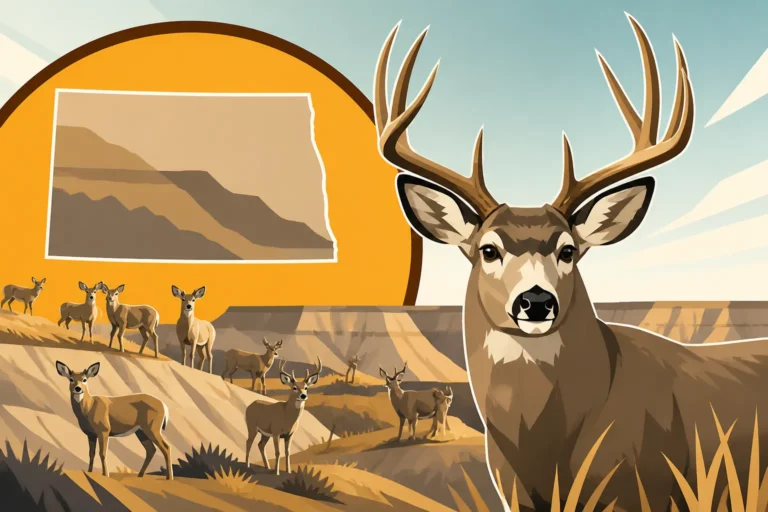
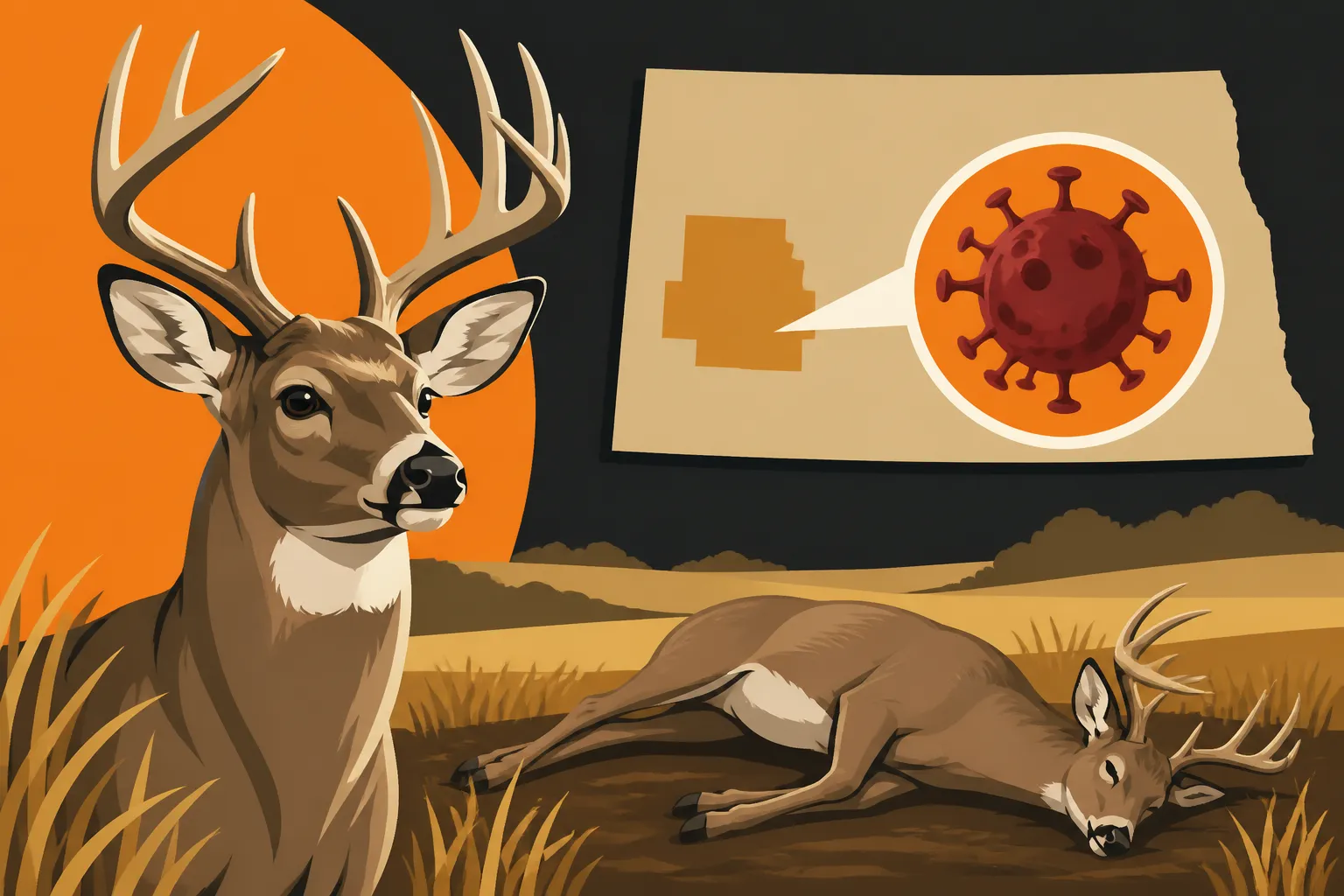
The impact of EHD on North Dakota's deer herds can range from barely noticeable to devastating, depending on various factors like weather patterns, deer density, and the specific strain of the virus present. When an outbreak occurs, it can cause significant localized die-offs, especially in certain areas or during particularly severe outbreaks. Deer that contract EHD often develop a high fever, become lethargic, lose their appetite, and may show signs of swelling in the head, neck, tongue, and eyelids. Their hooves can also be affected, making it difficult for them to walk. This severe dehydration often drives them to seek water, which is why they are frequently found dead near ponds, streams, or dugouts.
For hunters, these die-offs aren't just a sad sight; they can directly affect hunting opportunities. A severe outbreak in a specific unit can drastically reduce the local North Dakota Deer Population Estimate, leading to fewer deer seen during the season. This might also impact herd demographics, potentially reducing the number of mature bucks in the following years as a significant portion of the herd, regardless of age or sex, can succumb. Wildlife agencies closely monitor these events, and these die-offs factor into their decisions regarding license allocations and management strategies for species like the White-Tailed Deer Across North Dakota. It's a stark reminder of how fragile our wildlife populations can be in the face of natural disease cycles.
Recognizing the Signs of EHD in the Field
Being able to identify the signs of EHD is not just about curiosity; it's a crucial part of being a responsible hunter and conservationist. Your observations in the field can provide valuable data to wildlife agencies, helping them track and manage potential outbreaks.
Visual Symptoms in Deer
When you're out scouting or hunting, keep an eye out for deer exhibiting unusual behavior or physical signs that might point to EHD. One of the most common and visible symptoms is a deer appearing disoriented, extremely weak, or unusually tame. They might seem unaware of your presence or struggle to move away. As the disease progresses, you might notice obvious swelling of the head, neck, and tongue. Their eyelids might be swollen shut, giving them a ghostly appearance. Some deer will have a blue-tinged tongue, a result of restricted blood flow.
Internally, if you were to come across a recently deceased animal and examine it, you'd likely see hemorrhaging (bleeding) in various organs and tissues, which is where the "hemorrhagic" part of the name comes from. This is why you'll often find blood-tinged foam around the mouth or nose of affected animals. Their hooves might also show signs of cracking or sloughing off, particularly if the deer survived the initial infection but was severely impacted. If you see any of these signs, especially multiple animals exhibiting them in one area, it's time to take note and report.
Where and When You're Most Likely to Encounter EHD
As mentioned, EHD outbreaks are heavily tied to the midge life cycle and environmental conditions. This means you're most likely to encounter sick or dead deer during late summer and early fall, typically from August through October, before the first hard freeze eliminates the midge population. The disease tends to flare up after periods of drought, when receding water levels create muddy, midge-friendly habitats, and deer are concentrated around fewer water sources.
Geographically, EHD isn't confined to one corner of North Dakota. However, areas with higher Deer Density by North Dakota Region and abundant water sources that can become stagnant or muddy during dry spells are often more susceptible. River bottoms, areas around prairie potholes, and smaller tributaries where deer congregate for water can become hotspots. For instance, a slough that's normally full might shrink to a muddy puddle in August, becoming a perfect breeding ground for infected midges. Keeping an eye on weather patterns and understanding the local habitat will give you a better idea of when and where to be most vigilant.
Reporting Suspected EHD and What Happens Next
Finding a sick or dead deer, especially if you suspect EHD, can be distressing. However, your actions can make a real difference in how wildlife managers understand and respond to the disease.
The Importance of Hunter Reporting
Your eyes and ears in the field are invaluable to the North Dakota Game and Fish Department. They can't be everywhere, and reports from observant hunters provide critical, real-time data about the location and scale of potential EHD outbreaks. If you encounter a deer exhibiting EHD symptoms or find a carcass that appears to be a victim of the disease, documenting it is key. Try to note the exact location (GPS coordinates if possible), the date and time, and any specific symptoms or observations. Take clear photos if you can, but always prioritize your safety and avoid direct contact with sick or dead animals.
Once you have this information, you should contact the North Dakota Game and Fish Department. They have specific protocols for collecting this data. Your report helps them map out affected areas, assess the severity of an outbreak, and determine if further investigation, such as tissue sampling, is warranted. This collective data contributes to their overall understanding of North Dakota Deer Herd Size fluctuations and helps inform future hunting season recommendations and management strategies. It's an essential part of responsible wildlife stewardship, and every hunter has a role to play.
Agency Response and Data Collection
When reports of potential EHD come in, the North Dakota Game and Fish Department takes them seriously. Their response is multi-faceted, focusing on surveillance, data collection, and public communication. Typically, they will investigate reports, especially if multiple incidents are noted in a concentrated area. This might involve sending biologists or game wardens to the reported location to examine carcasses, collect tissue samples, and confirm the cause of death. These samples are then sent to a diagnostic lab for testing to confirm the presence of the EHD virus.
The information gathered from these reports and tests is crucial for understanding the geographic spread and intensity of EHD across the state. They use this data to monitor trends, predict potential future impacts on deer populations, and adjust management plans as needed. For example, if a severe outbreak significantly impacts deer numbers in a particular unit, it might influence the number of deer licenses issued for that unit in subsequent years, or guide special late-season antlerless opportunities in unaffected areas to help balance herd numbers. While resources like GoHunt can provide incredible insights into drawing odds and unit information, the raw, ground-level data from hunter reports is what truly drives the scientific understanding of these localized events. This ongoing effort ensures that our deer herds remain healthy and viable for future generations of hunters. This is also important in differentiating between diseases like EHD and issues in North Dakota's Fourteen-Unit CWD Zone, which requires different responses.
Hunting Considerations in EHD-Affected Areas
Coming across EHD-affected deer can certainly put a damper on your hunting plans, but it also brings up important ethical and practical considerations for how you approach the season. It’s about being mindful and making informed decisions.
Ethical Considerations and Carcass Handling
Finding a deer struggling with EHD symptoms can be a difficult sight. As hunters, we have a responsibility to act ethically. If you encounter a deer clearly suffering from EHD, it's generally recommended to leave it undisturbed. While your instinct might be to put it out of its misery, North Dakota state regulations typically prohibit taking or euthanizing sick animals without proper authorization from the Game and Fish Department, even if it seems like the humane thing to do. Always check current regulations or contact the Department for guidance in such situations.
When it comes to handling carcasses, caution is paramount. While EHD isn't transmissible to humans, any dead animal can harbor bacteria or other pathogens. It's wise to avoid direct skin contact with any dead deer. If you do need to move a carcass, wear gloves. If you happen to harvest a deer that appears healthy but you later find signs of EHD during processing (like internal hemorrhaging, though this is rare in outwardly healthy deer), it's best to discard the meat. Even if safe, the meat from a severely ill animal will likely be of poor quality. Ethical hunters always prioritize the well-being of the herd and the safety of their harvest. This is especially relevant when considering how disease affects North Dakota Buck Age Structure and overall herd health.
Impact on Hunt Planning and Success Rates
EHD can definitely throw a wrench into your carefully laid hunt plans. A significant die-off in a particular area can drastically reduce local deer numbers, making it tougher to fill your tag. If you've been monitoring reports and know an area you plan to hunt has been hit hard by EHD, you might need to adjust your strategy. This could mean scouting new areas, shifting your focus to adjacent units, or even changing the species you're pursuing if you have other tags. Hunter-specific apps and resources, like those offered by GoHunt, can often integrate state wildlife data or provide forums where local hunters share observations, which can be invaluable for real-time adjustments.
It’s also important to manage your expectations. A unit that was fantastic last year might have seen a significant dip in North Dakota Deer Harvest Records due to EHD, affecting this season's prospects. Checking recent Game and Fish reports, and even talking to landowners or locals in the area, can give you a better sense of what to expect. In severe cases, the Game and Fish Department might even adjust season lengths or bag limits in specific areas in response to EHD impacts, so always stay updated on current regulations. For example, understanding how North Dakota Fawn Survival Rates might be impacted can lead to fewer deer recruited into the population a few years down the line, affecting future hunting seasons.
Here's a quick reference table for identifying EHD symptoms:
| Symptom Category | Specific Signs to Look For | Potential Severity |
|---|---|---|
| Behavioral | Lethargy, disorientation, unusual tameness, lack of fear of humans. | High |
| Physical | Swelling of head, neck, eyelids, and tongue (often blue-tinged). | High |
| Respiratory | Excessive drooling, difficulty breathing, blood-tinged foam around mouth/nose. | High |
| Gastrointestinal | Loss of appetite, severe dehydration, ulcers on mouth/rumen (internal). | High |
| Locomotion | Lameness, struggling to walk, cracked or sloughing hooves (in survivors). | Moderate to High |
| Location | Found dead near water sources (ponds, streams, dugouts). | High |
Understanding these impacts and being proactive in your planning will help you adapt and still have a successful and ethical hunting experience, even in the face of EHD. Remember to always consult the latest Game and Fish reports, as they often contain critical updates that inform decisions on how to approach your hunt, as you would when Reading a North Dakota Harvest Report. For instance, if an area had a bad EHD outbreak, it might lead to similar effects as Hunting After a Hard Prairie Winter where deer are already stressed. Be sure to check how this impacts areas with high Hunting Pressure on North Dakota Public Land.
Disclaimer
This article is for general informational purposes only and does not constitute professional advice. Laws, prices and regulations vary by location and change over time. Consult a qualified professional for guidance on your specific situation.