Game You Cannot Hunt in North Dakota
It's incredibly frustrating to plan a North Dakota hunting adventure, only to discover that some of the animals you might encounter aren't actually legal to pursue. Whether it's due to conservation efforts, federal protections, or simply not being classified as a game species, understanding what you cannot hunt is just as crucial as knowing what you can. This guide will walk you through the various categories of animals that are off-limits in North Dakota, helping you avoid accidental violations and ensuring your time in the field is both legal and ethical.
Federally and State Protected Species in North Dakota
North Dakota's diverse landscape is home to a wide array of wildlife, but not all of it is fair game for hunters. Many species are federally or state protected, meaning any take, harassment, or harm is strictly prohibited. This isn't just about conservation; it's about maintaining the ecological balance and respecting creatures that are struggling to survive or play vital roles in their ecosystems. Ignorance of these laws is no excuse, and the penalties can be severe, so it's critical to be informed.
Endangered and Threatened Wildlife
When we talk about protected species, endangered and threatened animals are often the first that come to mind. These are species whose populations have dwindled to critically low levels, often due to habitat loss, climate change, or historical overhunting. Federal laws like the Endangered Species Act, alongside state regulations, provide a protective umbrella, making it illegal to hunt, trap, harass, or otherwise harm these animals. For instance, while you might see a bald eagle soaring over Lake Sakakawea or observe a piping plover nesting along a shoreline, these magnificent birds are absolutely off-limits. Their recovery is a testament to conservation efforts, and every individual is precious.
It’s not always obvious which species fall into these categories, especially for those who are new to hunting in the state or are visiting from elsewhere. For example, while the larger, more charismatic species like elk and moose are huntable through a lottery, their populations are carefully managed, and accidental encounters with protected species in similar habitats are a real concern. Hunters need to be especially vigilant in areas like the Little Missouri Badlands where rare species may reside. Always carry an identification guide or use a reliable app like GoHunt to quickly reference what you're seeing. It’s better to be overly cautious than to make a mistake that could cost an animal its life and you a hefty fine. North Dakota Bald Eagle Recovery Near the Rivers is a great example of successful conservation, showing why these protections are so important.
Non-Game Migratory Birds
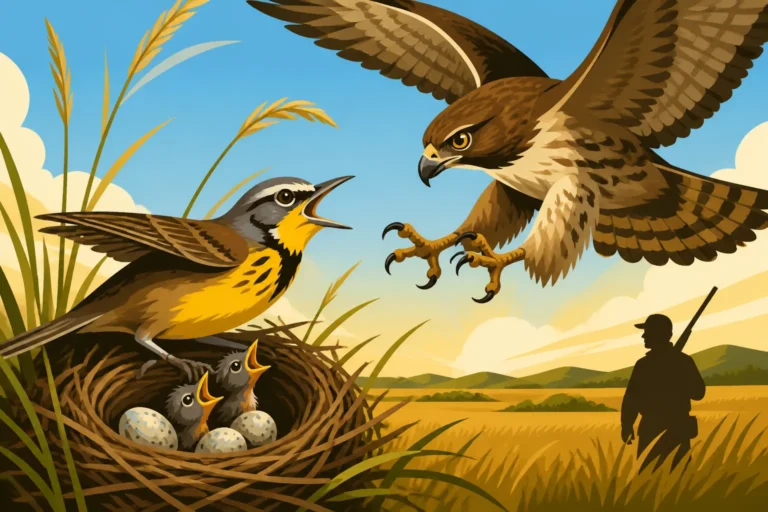
Beyond the headline-grabbing endangered species, there's a whole world of migratory birds that pass through or reside in North Dakota but are not designated as game birds. This includes virtually all songbirds, raptors (like hawks, owls, and falcons, other than the limited falconry take of specific species), and many shorebirds that aren't on the official waterfowl or snipe/woodcock lists. These birds are generally protected under the Migratory Bird Treaty Act, a federal law that makes it illegal to hunt, capture, kill, or sell migratory birds or their parts (including nests and eggs) without a permit.
Imagine you're out duck hunting near a prairie pothole slough edge, and a beautiful blue heron takes flight. While impressive, that heron is not a target. The same goes for the vast majority of smaller birds flitting through the cattails or resting in nearby trees. Even if you're certain of your target, always take a moment to confirm it's a legal game species. It's too easy to make an error in the heat of the moment, especially if you're unfamiliar with the full range of avian life in North Dakota. This means understanding the specific silhouettes, flight patterns, and plumage of legal ducks and geese versus protected species like pelicans, gulls, or various wading birds. North Dakota Piping Plover Nesting Beaches is another critical area where hunters must be mindful of protected migratory birds.
Non-Game Animals: Understanding What Isn't Classified for Harvest
Beyond federally and state-listed protected species, there's a large group of animals that simply aren't classified as "game" by the state of North Dakota. This means they are not managed for sport hunting or trapping seasons, and therefore, cannot be legally harvested. This distinction is crucial because an animal doesn't have to be endangered to be off-limits; it just needs to not be on the official list of huntable game.
Common Mammals Not on the Game List
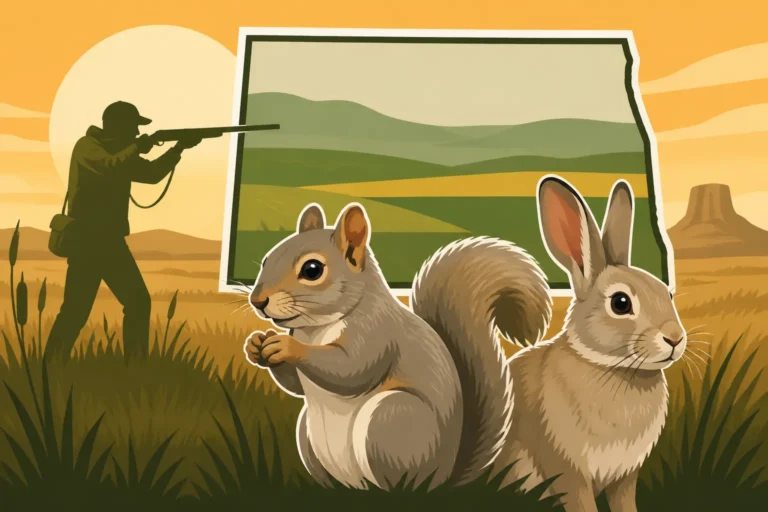
Many common mammals that you might encounter while hunting deer or pheasants are not considered game animals. This includes various rodents, small predators, and even some furbearers outside of regulated seasons. Think about squirrels and rabbits, for example. While they are often hunted in other states, in North Dakota, they typically aren't a primary target for licensed hunters in the same way deer or pheasants are, and their seasons, if they exist, are highly restrictive or entirely absent as traditional game species. It's a common misconception that if an animal isn't protected, it must be huntable. That's not always the case.
Other examples include badgers, skunks, and civet cats. While they are definitely out there, especially in farm country or the Badlands, they do not have open hunting seasons. You might encounter them accidentally while trying to call a coyote, but they aren't legal targets. It's important to remember that wildlife management categorizes species for various reasons, including population health, ecological role, and human-wildlife conflict. Many of these animals are beneficial to the ecosystem, despite sometimes being seen as nuisances. If you're using a planning tool like GoHunt, ensure you're filtering for officially designated "game species" to avoid any confusion.
Reptiles, Amphibians, and Fish Species (Outside of Fishing Regulations)
While hunting focuses on mammals and birds, it's worth noting that reptiles and amphibians are also generally not huntable in North Dakota, outside of very specific and highly regulated circumstances (such as frog or turtle harvests which fall under specific angling or commercial regulations, not general hunting licenses). You might stumble upon a bull snake sunning itself on a rock in the Badlands or hear frogs croaking in a prairie pothole, but these are part of the protected natural environment.
Similarly, fish are regulated under separate fishing licenses and seasons, not hunting licenses. So, while you're certainly allowed to fish the mighty Missouri River or the productive waters of Devils Lake, you can't "hunt" fish with a firearm or bow in the typical sense. There are some exceptions, like bowfishing for rough fish species, but these activities are specifically permitted under fishing rules and often require separate endorsements. Always ensure you have the correct license and are following the regulations for the specific activity you are engaging in. If you're interested in Bowfishing North Dakota Rivers in the Off-Season, make sure to check the specific regulations for that unique pursuit.
Animals with Restricted or Closed Hunting Seasons
Even for species that are classified as game animals, there are specific times and circumstances when they cannot be hunted. This often revolves around season dates, specific units, weapon restrictions, or special permits. Thinking that "if it has a season, it's always open" is a surefire way to run into trouble.
Predators and Furbearers: Timing is Everything
Many predator and furbearer species, such as coyotes and foxes, do have hunting seasons in North Dakota. However, these seasons are not always open year-round, or they might have specific regulations depending on the animal and the method of take. For instance, while coyotes generally have a very liberal season, even they have specific rules that apply. This means you can't just go out and hunt them whenever you feel like it; you need to be aware of the exact dates and any associated restrictions.
Take bobcats, for example. While they are present in certain parts of North Dakota, particularly the western Badlands, their harvest is usually managed through a specific trapping season with strict quotas and tagging requirements, not a general hunting season. Trying to hunt a bobcat with a firearm would likely be illegal. This is where researching specific species regulations is paramount. Tools like GoHunt can help clarify these nuances, detailing open seasons and legal methods of take for each species. North Dakota Fox and Coyote Trapping Season and North Dakota Coyote Hunting Season Rules are excellent resources to understand these specific regulations.
Special Status and Limited Opportunity Species
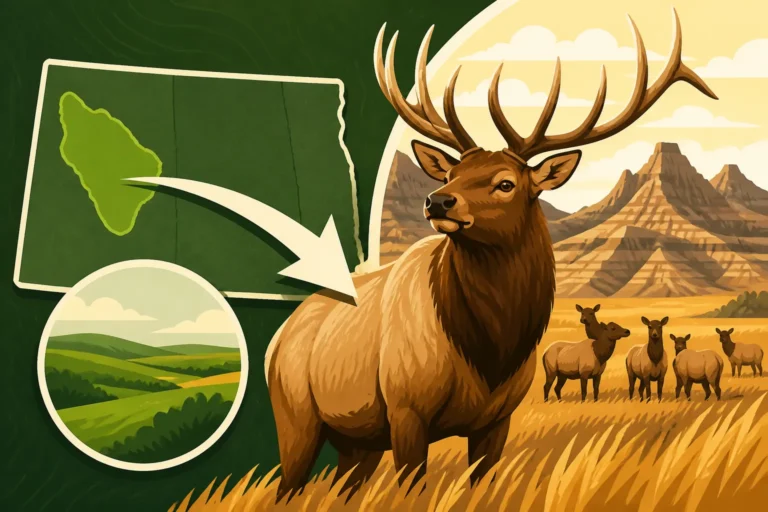
North Dakota manages some of its most prized big game animals through lottery systems and once-in-a-lifetime tags, meaning most hunters cannot pursue them in any given year. Elk, moose, and bighorn sheep fall into this category. While these are highly sought-after game animals, you cannot hunt them unless you have successfully drawn one of these incredibly rare and coveted tags. For many, drawing one of these tags is a lifelong dream, and rightfully so, as these hunts offer truly unique experiences in North Dakota's wild landscapes.
This means if you're out chasing whitetails in the river bottom and a bull elk walks by, you absolutely cannot shoot it unless you possess an active, valid elk tag for that specific unit and season. Attempting to harvest one of these animals without the proper tag is a serious offense. This system ensures that these majestic, limited-population animals are managed sustainably for future generations. Understanding What a Once-in-a-Lifetime Bighorn Tag Means or What a Once-in-a-Lifetime Elk Tag Means is crucial for anyone dreaming of these hunts.
Common Misconceptions: What Might Seem Huntable But Isn't
Sometimes, what we think we know about hunting from other states or general lore doesn't apply to North Dakota's unique regulations and wildlife management practices. These misconceptions can lead to unintended violations if not addressed.
The "If It's Not Posted, I Can Hunt It" Trap
One of the biggest misconceptions, especially for out-of-state hunters, is the idea that if private land isn't posted with "No Hunting" signs, it's fair game. In North Dakota, that's simply not true. All private land in North Dakota is considered closed to hunting unless you have explicit permission from the landowner. This is a critical distinction from many other states where unposted land might be open to public access.
This rule is in place to protect landowner rights and prevent trespass. So, if you're eyeing a field full of pheasants or a promising shelterbelt on what appears to be private property, you absolutely must Knocking on Doors in North Dakota Farm Country and get permission first. Even if you see game on that land, it's completely off-limits without that green light. Relying on apps like GoHunt to identify property boundaries and ownership can be a huge help here, but the personal interaction for permission is still key. Ignoring this rule is trespassing, which carries legal consequences and damages the reputation of all hunters.
"If There's a Lot of Them, They Must Be Huntable"
The abundance of a species does not automatically grant it "huntable" status. North Dakota is famous for its incredible waterfowl populations, for instance, but not every bird in the sky is a legal target. As discussed earlier, many migratory birds, even those present in large numbers, are protected. The same goes for many ground-dwelling critters. You might see a multitude of Richardson's ground squirrels (often called flickertails) scampering across the prairie, but they are not a managed game species.
Here's a quick overview of some common animals in North Dakota and their huntable status:
| Animal Category | Examples | Huntable Status in North Dakota | Primary Reason |
|---|---|---|---|
| Big Game | White-tailed Deer, Mule Deer, Pronghorn | Yes (with specific licenses/seasons) | Managed game species |
| Big Game (Lottery Only) | Elk, Moose, Bighorn Sheep | Yes (extremely limited lottery tags only) | Very limited populations, special management |
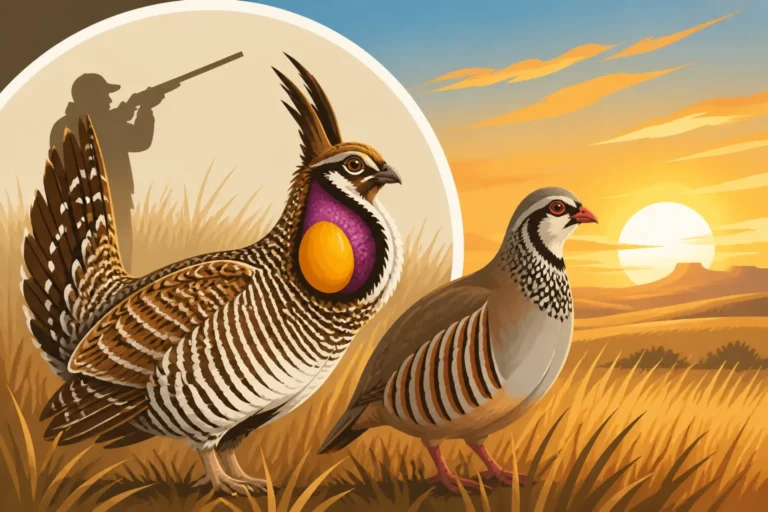
| Upland Birds | Pheasant, Sharptail Grouse, Hungarian Partridge, Wild Turkey | Yes (with licenses/seasons) | Managed game species |
| Waterfowl | Ducks (Mallards, Pintails, Teal), Geese (Canada, Snow) | Yes (with licenses/stamps/seasons) | Managed migratory game birds |
| Predators/Furbearers | Coyote, Fox, Raccoon, Mink, Beaver | Yes (with specific seasons/regulations/trapping) | Managed for fur/population control |
| Protected Migratory Birds | Eagles, Hawks, Owls, Songbirds, Herons, Pelicans | No | Federal/State protected species (Migratory Bird Treaty Act) |
| Endangered/Threatened | Piping Plover, Pallid Sturgeon, Whooping Crane | No | Federal/State endangered species laws |
| Common Non-Game Mammals | Skunk, Badger, Ground Squirrels (most species), Mouse, Vole | No | Not classified as game/furbearer for hunting/trapping |
| Reptiles/Amphibians | Snakes, Frogs, Salamanders (except specific fishing regs for frogs/turtles) | No | Not classified as game, often protected |
This table illustrates how crucial it is to consult the official North Dakota Game and Fish Department regulations for specific dates, units, and legal methods of take for every species you intend to pursue. Never assume. A simple check can save you a world of trouble and ensure you're participating in legal and ethical hunting practices. When in doubt, a quick check on the GoHunt platform or the official NDGF website can provide up-to-the-minute information on legal game. North Dakota Deer Population Estimate and North Dakota Pheasant Population Estimate show how closely populations are monitored to ensure sustainable harvest opportunities for game animals, which is a stark contrast to species that aren't managed for hunting at all.
This article is for general informational purposes only and does not constitute professional advice. Laws, prices and regulations vary by location and change over time. Consult a qualified professional for guidance on your specific situation.