What a Once-in-a-Lifetime Elk Tag Means
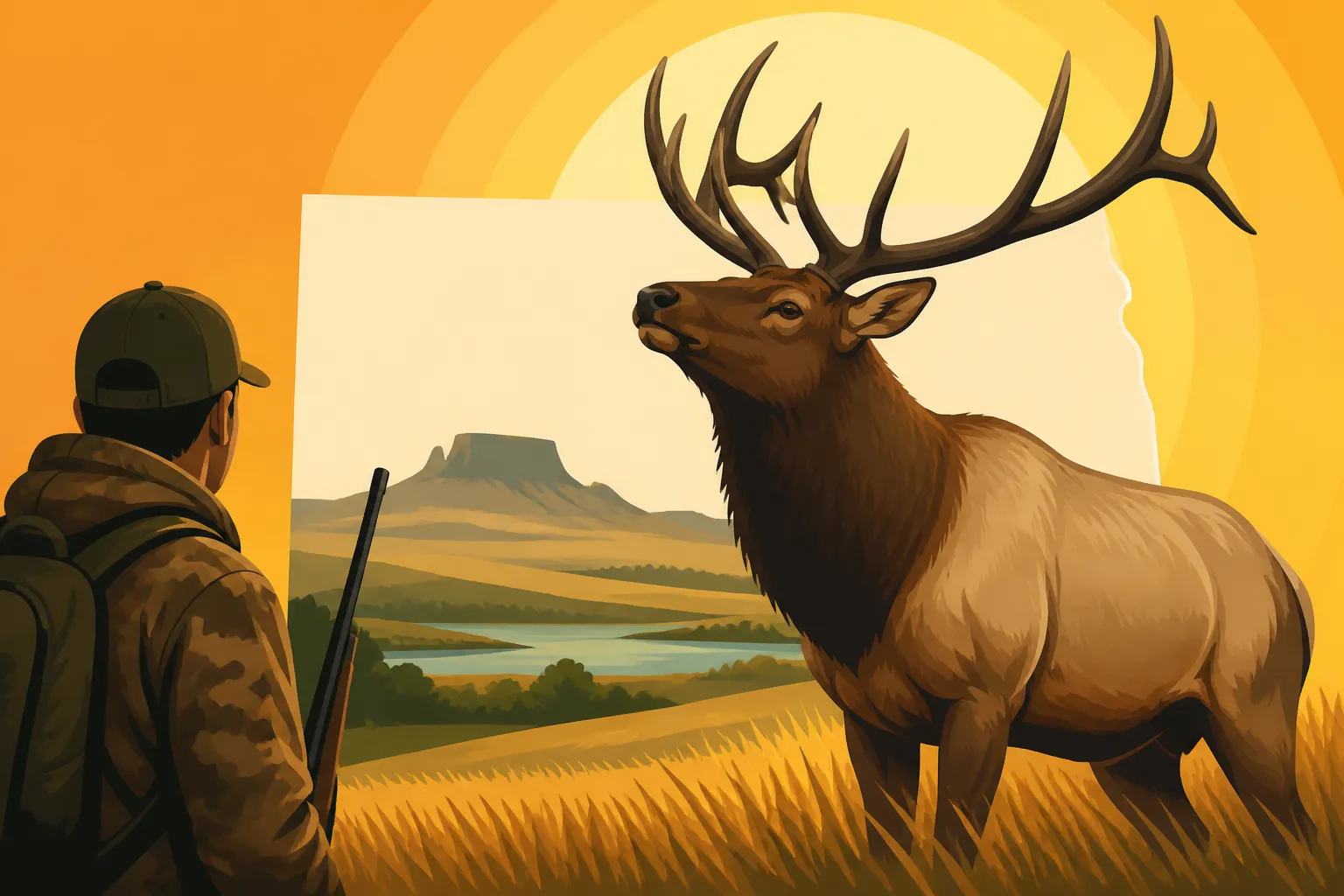
Drawing a coveted elk tag in North Dakota isn't just about getting a license; it represents a truly unique, often once-in-a-lifetime opportunity that comes with specific regulations and immense personal significance. For many hunters, the "once-in-a-lifetime" designation can feel overwhelming and confusing, stirring questions about future eligibility and how to make the absolute most of such a rare draw. This guide will walk you through precisely what a North Dakota once-in-a-lifetime elk tag entails, from application to harvest, ensuring you're fully prepared for this extraordinary experience.
What "Once-in-a-Lifetime" Truly Implies for North Dakota Elk Tags
When you hear "once-in-a-lifetime" in the context of a North Dakota elk tag, it’s not just flowery language; it's a hard and fast rule set by the North Dakota Game and Fish Department (NDGFD). This designation means exactly what it says: once you draw and successfully purchase one of these specific big game tags, you are generally ineligible to ever draw another tag for that same species in North Dakota again. This rule applies to trophy species like elk, moose, and bighorn sheep. It’s designed to ensure that more hunters get a chance at these incredibly rare and sought-after opportunities, rather than a select few drawing them repeatedly over the years.
Understanding the Rarity and Exclusivity
The very nature of "once-in-a-lifetime" underscores the extreme rarity of North Dakota's elk population. Unlike deer, which are widespread across the state, elk herds are much smaller, localized primarily in the rugged Little Missouri Badlands, with smaller, scattered populations in other areas. The state issues a very limited number of tags each year – often just over a thousand for elk statewide – making the draw odds incredibly low. This scarcity elevates the value of each tag, transforming it from a simple hunting license into a prized permit to pursue an animal few North Dakota hunters ever get the chance to. It means you’re not just going hunting; you're embarking on a truly exceptional adventure, one that many folks dream about for decades while consistently applying.
The feeling of anticipation, of poring over maps and dreaming of that moment, can last for years or even a lifetime while you wait to draw. Once that notification hits your inbox, the realization that this is the chance can be both exhilarating and daunting. This isn't a hunt you can just "do again next year" if things don't go perfectly. That pressure, while real, also fuels an incredible drive to prepare meticulously and savor every single moment of the experience. It makes every glassing session, every stalk, and every decision feel more profound.
The Financial and Opportunity Cost
Beyond the emotional weight, there's a significant financial and opportunity cost associated with a once-in-a-lifetime elk tag. While the application fee itself is relatively modest, the cost of the actual tag, especially for non-residents if they were eligible (which for elk, moose, and bighorn in North Dakota, they are not), is substantial. More importantly, the investment you're likely to make in preparation is considerable. This could include purchasing specialized gear suitable for the demanding Badlands terrain, like high-quality optics, a reliable rifle, or even a new pair of durable boots for all the hiking you'll be doing.
Then there's the time commitment. Drawing this tag often means dedicating significant time to scouting, either in person or through extensive map and satellite imagery analysis. You might spend countless hours studying aerial photos and topographic maps on platforms like GoHunt, identifying potential elk haunts, travel corridors, and bedding areas. Factor in travel expenses, lodging, food, and potentially lost wages if you take extended time off work. This isn't a casual weekend hunt; it's an expedition that demands resources. The "opportunity cost" refers to the fact that while you're focused on this epic elk hunt, you might be passing up other hunting opportunities or personal commitments. It’s a full commitment, and recognizing this early helps in budgeting and planning properly.
Navigating the North Dakota Elk Lottery and Tag Allocation
Securing a North Dakota elk tag is a competitive process that hinges on the state's lottery system. Understanding how this system works, especially given the "once-in-a-lifetime" rule, is crucial for anyone dreaming of this hunt. North Dakota's system, like many states with limited tags, employs a preference point system designed to reward persistent applicants.
Eligibility and Application Realities
First and foremost, it’s vital to understand that North Dakota elk, moose, and bighorn sheep tags are strictly for residents only. Nonresidents are not eligible to apply for these once-in-a-lifetime big game licenses. This keeps the competition among North Dakota residents, although it remains incredibly stiff. To be eligible, you must meet the state's residency requirements, typically including continuous domicile in North Dakota for at least six months prior to applying for a license. Hunter education requirements must also be met, depending on your age and birth year.
The application window for these tags typically opens in early spring and closes in June. Missing this deadline means waiting another year, adding to the already long journey. The North Dakota Game and Fish Department (NDGFD) generally releases information regarding the upcoming season's tag allocations and unit breakdowns well in advance. It's crucial to review these details carefully, as unit boundaries and tag numbers can sometimes shift. For a deep dive into the application process, check out the guide on North Dakota Elk Lottery Application Process – it's full of helpful specifics to make sure your application is solid.
Preference Points and Lottery Odds
North Dakota uses a preference point system for its once-in-a-lifetime big game species. For every year you apply for an elk tag and are unsuccessful, you accrue a preference point. When the draw occurs, those with the most preference points are given priority. This means that hunters who have applied for many years without success will have a significantly higher chance of drawing a tag compared to those with fewer points. However, it's important to remember that it's still a lottery; even with maximum points, there's no guarantee of drawing. This system is designed to reward loyalty and persistence, acknowledging the dedication of hunters who commit to the long game.
Consider this table showcasing hypothetical preference point statistics for North Dakota elk:
| Preference Points | % of Applicants at this Level | Average Years to Draw (Estimate) | Draw Odds (Current Year) |
|---|---|---|---|
| 0 | 30% | 20-30+ | < 0.5% |
| 1-5 | 40% | 15-25 | 1-3% |
| 6-10 | 20% | 10-15 | 4-8% |
| 11-15 | 7% | 5-10 | 9-15% |
| 16+ | 3% | 1-5 | 20%+ |
Note: These numbers are illustrative and do not represent actual NDGFD data, which can fluctuate annually based on applicant numbers and tag allocations. Always check the official NDGFD website for current statistics.
This preference point system highlights why drawing an elk tag can take a decade or more for many applicants. It truly is a test of patience. Hunters often analyze previous year's draw odds, using resources like GoHunt's state-specific tools, to inform their unit choices and understand their chances.
Nonresident Limitations
As mentioned, it's crucial to reiterate that nonresident hunters are not eligible for North Dakota's once-in-a-lifetime elk, moose, or bighorn sheep tags. This can be a source of frustration for out-of-state hunters who dream of a North Dakota big game experience. While other states offer nonresident big game tags, North Dakota has maintained a resident-only stance for these specific species, emphasizing allocation to its own citizens due to the extremely limited nature of the herds. If you're a nonresident looking for hunting opportunities in North Dakota, focus your attention on species like deer (through a limited lottery), pheasant, waterfowl, or small game, where nonresident licenses are available. However, for elk, moose, or bighorn, you'll need to explore opportunities in other states if you don't call North Dakota home.
Strategic Planning After Drawing Your Coveted Elk Tag
Once that golden notification arrives, the real work—and the real excitement—begins. Drawing a North Dakota once-in-a-lifetime elk tag isn't the finish line; it's the starting gun for months of intense, strategic preparation. This isn't a hunt you can wing; it demands meticulous planning to make the most of this unique opportunity.
Pre-Season Scouting and Preparation
Effective scouting is paramount, especially when hunting the rugged Badlands terrain. If you're physically able, in-person scouting trips are invaluable. Spend time in your assigned unit, learning the land, identifying water sources, glassing potential feeding and bedding areas, and understanding the nuances of the landscape. Pay close attention to areas discussed in guides like Hunting North Dakota's Little Missouri National Grassland or Hunting North Dakota's Badlands Mule Deer Country, as elk often use similar habitats. Look for fresh sign: tracks, rubs, wallows, and droppings. Understand the topography – where the deep coulees are, the high ridges, and how thermals might behave in different conditions.
If in-person scouting isn't feasible, leverage technology. Satellite imagery, topographic maps, and hunting apps like GoHunt's mapping features can provide a wealth of information. You can "e-scout" by marking potential hotspots, identifying access points, and planning routes. Pay attention to water sources, particularly during dry years, as elk will be tied to them. Also, understand vegetation patterns: where are the timber pockets for bedding, and where are the open grasslands or agricultural fields they might feed in? This virtual legwork can save precious time and effort once the season opens.
Essential Gear for Badlands Elk
The Little Missouri Badlands can be incredibly unforgiving, and having the right gear is non-negotiable for an elk hunt. This isn't your typical whitetail hunt from a treestand. You'll be covering serious ground, often in challenging terrain. Your gear list should include:
- Optics: High-quality binoculars (10×42 or 12×50) and a spotting scope are critical for glassing vast expanses. Don't skimp here; good glass can make or break an elk hunt.
- Backpack: A comfortable, durable pack capable of carrying water, food, extra layers, and potentially packing out meat. Consider a frame pack if you're serious about self-recovery.
- Footwear: Sturdy, broken-in hiking boots that offer excellent ankle support are essential. You'll be putting on miles over uneven ground.
- Clothing: Layering is key for North Dakota's unpredictable weather. Think moisture-wicking base layers, insulating mid-layers, and a waterproof/windproof outer shell. Camouflage patterns suitable for open prairie and broken badlands terrain are advisable.
- Navigation: GPS device and/or a reliable hunting app with downloaded offline maps. Cell service can be spotty in the Badlands.
- Weapon: A rifle chambered for elk with sufficient knockdown power (e.g., .300 Win Mag, .30-06, 7mm Rem Mag) is standard. Ensure you're proficient with your chosen weapon and practice shooting at various distances and positions.
- Game Processing: Field dressing kit, game bags, knife sharpener, and perhaps a small saw.
- First Aid: A comprehensive kit for minor injuries is crucial when you're miles from the nearest road.
For a comprehensive checklist, refer to resources like Packing for an Eight-Day North Dakota Elk Hunt. Remember, being prepared for the physical demands, as detailed in Physical Prep for Badlands Elk Terrain, is just as important as your gear list.
Considering a Guide or Outfitter
The question of whether to hire a guide is a common one for a once-in-a-lifetime tag. While North Dakota has strict rules about nonresidents and guided big game hunts (specifically, you generally can't book a guided hunt for a once-in-a-lifetime species without already possessing the tag), if you've drawn your tag, hiring a guide can be a game-changer. An experienced local guide will know the terrain, elk habits, and crucial access points. They can significantly increase your chances of success, especially if you're unfamiliar with the Badlands or have limited time to scout.
However, a guide comes at a significant cost, which you'll need to factor into your budget. If you choose to go this route, begin vetting potential outfitters immediately after drawing your tag. Ask for references, inquire about their success rates (and what "success" means to them), and understand what's included in their services. Ensure they are licensed and reputable. For more details, explore What a Once-in-a-Lifetime Elk Tag Means for Booking implies regarding guide services once you have your tag in hand. Many hunters choose to go DIY, relying on their own scouting, fitness, and persistence, which can make the accomplishment even more rewarding.
Maximizing Your North Dakota Once-in-a-Lifetime Elk Hunt
Having a once-in-a-lifetime tag in your pocket is just the beginning. The real challenge, and the ultimate reward, comes in executing a successful hunt and making memories that will last, well, a lifetime.
Hunting Tactics for North Dakota Elk
Hunting elk in the North Dakota Badlands is a unique experience. Unlike dense timber hunts common in other states, the Badlands offer expansive, open terrain broken by steep coulees, buttes, and draws. This makes glassing an incredibly effective tactic. Spend hours, sometimes entire days, systematically glassing vast areas from high vantage points, as described in Glassing Badlands Coulees for Elk. Patience is key; elk can appear as specks miles away, or materialize suddenly from a draw. Good optics are your best friend here.
Once you spot elk, the challenge shifts to the stalk. The open nature of the Badlands means cover can be sparse, making careful use of topography essential. Wind direction and thermals are critical considerations; the wind can swirl unpredictably in the broken terrain. Moving quietly and slowly, using every fold in the land for concealment, is paramount for a successful Spot-and-Stalk Elk in the Little Missouri Badlands attempt. Calling can also be effective, especially during the rut, but understanding when and how to use various calls (bugles, cow calls, chirps) takes practice and experience. Sometimes, silence and stealth are your best assets. Remember, North Dakota offers both antlered and antlerless elk tags, with specific periods for Hunting the Early Antlerless Elk Period if you draw one of those options.
Post-Harvest Responsibilities and Trophy Care
Successfully harvesting an elk is an immense accomplishment, but the work is far from over. The real effort of field care and packing out begins. Elk are large animals, and recovering one from the depths of a Badlands coulee can be an all-day, back-breaking endeavor. Be prepared with game bags, a sharp knife, and a plan for how you'll quarter and pack the meat out, potentially over multiple trips, if you're hunting solo or with a small group.
Proper field dressing and cooling of the meat are critical, especially in warmer early season conditions, to ensure the quality of your hard-won venison. Have a cooler plan ready for transport. If you plan to pursue taxidermy for a trophy, take careful measurements and photographs, and understand how to properly cape the animal. Locate local meat processors and taxidermists in advance of your hunt, so you have a clear plan once your elk is on the ground. The game and fish department may also require specific reporting or CWD testing depending on your unit, so be aware of those regulations. The experience of butchering and knowing you've provided for your family from a truly wild animal is an incredible part of the journey.
Cherishing the Experience
Beyond the technicalities of the hunt, a North Dakota once-in-a-lifetime elk tag offers an unparalleled opportunity to connect with nature and create lasting memories. It’s about the sunrises over the Badlands, the distant bugle echoing across a canyon, the camaraderie with hunting partners, and the sheer challenge of pursuing such magnificent animals in a wild, stunning landscape. The North Dakota Elk Herd Population Estimate might be small, but the quality of the hunting experience is immense.
Take time to soak it all in, regardless of the outcome. Even if you don't fill your tag, the lessons learned, the places explored, and the sheer effort expended will shape you as a hunter. This is more than just bagging an animal; it's about the entire journey. Many hunters who draw these tags reflect on the years of applying, the anticipation, and the incredible privilege of simply being out there. Celebrate the effort, the planning, and the sheer grit it takes, because those are the moments that truly define a once-in-a-lifetime experience. The North Dakota Elk Hunt Success Rates can vary, but the richness of the experience remains constant.
Disclaimer
Please remember that hunting regulations, license costs, and season dates can change. Always consult the official North Dakota Game and Fish Department (NDGFD) website or their most current regulations booklet for the most accurate and up-to-date information before planning any hunting trip. This guide is for informational purposes only and should not be considered a substitute for official sources.