North Dakota Hungarian Partridge Covey Size
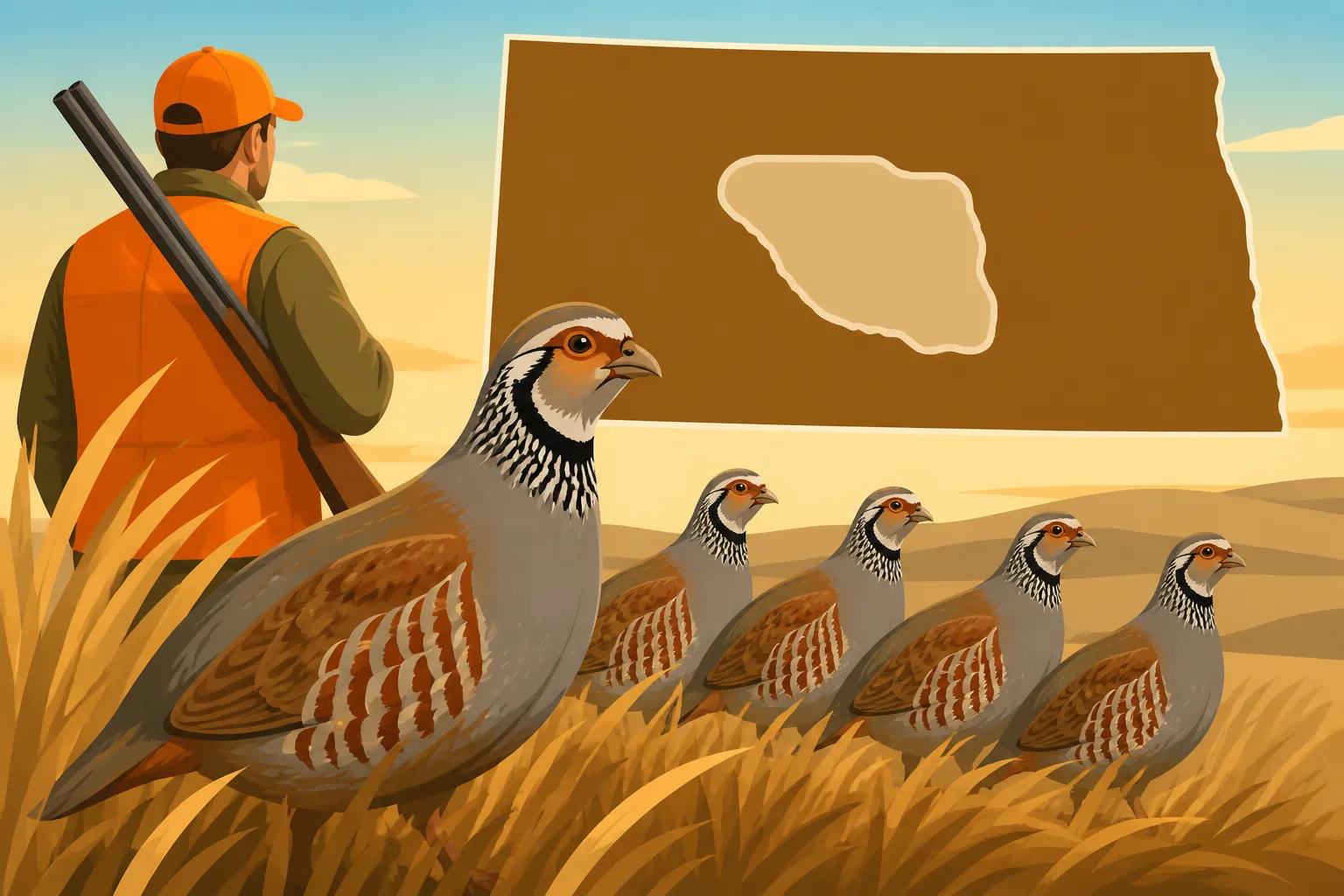
There’s a unique thrill to hunting Hungarian partridge, or "Huns" as we lovingly call them, on the North Dakota prairie. You’re walking a field edge, the wind nipping at your ears, and suddenly, a burst of wings and chirps erupts from the stubble right in front of your feet. But sometimes, that burst is a small flurry of maybe five or six birds, and other times, it’s a veritable explosion of twenty or more, leaving you wondering, "What’s the deal? Why do I find such different covey sizes?" It's a question many upland hunters ponder, and understanding the factors that dictate the size of a North Dakota Hun covey can significantly impact your hunting success and overall appreciation for these feisty little birds. This guide will dive deep into the world of Hun coveys, exploring what influences their numbers and what you can expect to encounter in the field.
Understanding Hungarian Partridge Covey Dynamics
Hungarian partridge are truly fascinating birds, displaying a strong social structure outside of their breeding season. Knowing how these coveys form and what makes them tick is crucial for any hunter hoping to connect with them on the vast North Dakota landscape.
What is a Covey and Why Does Size Matter?
At its simplest, a covey is a group of game birds, typically related, that stick together for survival. For Hungarian partridge, a covey is essentially a family unit, usually consisting of a pair of adult birds and their offspring from the most recent breeding season, sometimes augmented by a few "aunts" or "uncles" from unsuccessful nesting attempts. These birds remain together throughout the fall and winter, offering mutual protection from predators, finding food more efficiently, and conserving warmth during the bitter cold. They are not solitary creatures for most of the year, which is why encountering a single Hun is a rare event once the chicks are grown.
The size of a covey matters immensely to a hunter for several practical reasons. A larger covey means more birds for potential shooting opportunities. When a big covey flushes, the sheer number of birds can be exhilarating, but also a bit disorienting. You might get a good shot or two, but the rest of the birds scatter in every direction, providing ample chance to work singles later. Conversely, flushing a small covey of three or four birds means fewer targets and often a quicker end to the action if you miss your shot or only manage to bag one. From a conservation perspective, the average covey size can also be an indicator of overall population health and breeding success in a given area. When surveys show consistently large coveys, it generally points to a robust population with good habitat and favorable weather conditions.
Typical Covey Sizes You'll Encounter in North Dakota
In North Dakota, the typical Hungarian partridge covey size can range quite a bit, but most hunters will generally encounter groups anywhere from 8 to 20 birds. In a truly banner year with exceptional nesting success and mild winter survival, you might hit an absolute jackpot and flush a covey of 25 or even 30 birds, a truly memorable experience that will get any hunter's heart pounding. These larger coveys are often the result of multiple broods joining together or a particularly successful single brood that saw high chick survival.
However, don't be surprised if you also run into smaller coveys, especially earlier in the season or in areas with less ideal habitat. You might encounter groups of 5 to 7 birds, which often represent a single brood that experienced some losses, or perhaps birds that have been scattered by predators or previous hunting pressure and are slowly regrouping. As the season progresses into late fall and early winter, coveys tend to consolidate. The need for warmth and safety in numbers intensifies, and smaller groups often merge into larger ones. This means that while early season hunts might yield several small flushes, late-season outings could bring fewer flushes but with potentially much larger groups of birds, making for some truly spectacular, if challenging, shooting. North Dakota Hungarian Partridge Season Dates is a good resource to check seasonal timing.
Key Factors Influencing North Dakota's Hun Covey Size
Several environmental and biological elements play a critical role in shaping the number of Hungarian partridge you’ll find in a covey. North Dakota’s unique prairie ecosystem, combined with its agricultural landscape and sometimes harsh weather, creates a complex dynamic for these birds.
Habitat and Food Availability
Hungarian partridge are champions of the agricultural landscape. They thrive in areas that offer a mosaic of cultivated fields, undisturbed grassy cover, and shelter. Think about those classic North Dakota farmsteads with vast wheat or barley fields, adjacent to a section of CRP grass or a brushy fenceline. This mixed habitat is their bread and butter. The stubble fields provide crucial food sources like waste grain and weed seeds, while the grassy strips and brushy edges offer nesting cover, escape routes from predators, and protection from the elements. A property rich in these diverse features is far more likely to support a higher density of birds and, consequently, larger coveys.
When food sources are abundant and consistent throughout the year, especially during critical nesting and chick-rearing periods, the hens are healthier, leading to better clutch sizes and stronger chicks. Consider an area where a farmer plants winter wheat, providing early season green forage, followed by a spring planting of barley, and then perhaps an adjacent field of sunflowers left standing over winter. Such a diverse food landscape means that young partridge have ample nutrition to grow quickly and survive, ultimately contributing to larger covey sizes in the fall. Conversely, areas with monoculture farming, extensive tillage, or a lack of winter cover can limit food and shelter, leading to fragmented populations and smaller coveys that struggle to persist. You might even find them utilizing less ideal areas like overgrown ditches or rocky outcrops if prime habitat is scarce. North Dakota Hungarian Partridge Origins offers a deeper look at how these birds established themselves in such landscapes.
Weather Patterns and Winter Survival
Weather is an undeniable kingmaker for upland bird populations in North Dakota, and Hungarian partridge are no exception. The spring and summer weather dictates nesting success and chick survival, while the winter conditions are paramount for adult bird survival, both of which directly impact the covey sizes you’ll encounter. A cold, wet spring can be devastating for Hun chicks. They are particularly vulnerable to hypothermia in their first few weeks, and prolonged periods of rain can lead to significant mortality rates, even in otherwise healthy broods. This immediately translates to smaller coveys come fall.
Then there’s the notorious North Dakota winter. Deep, crusted snow can make foraging nearly impossible, burying vital food sources. Extreme cold, especially without adequate thermal cover like dense brush or standing crops, can cause birds to burn through their energy reserves too quickly. In these challenging conditions, coveys often huddle together even more tightly to share body heat, and their survival is directly linked to their ability to find food and shelter. A brutal winter can significantly reduce the overwintering adult population, meaning fewer breeding pairs in the spring, which then cycles back into smaller coveys the following fall. Conversely, mild winters with less snow and prolonged access to food sources lead to higher overwinter survival, setting the stage for potentially booming populations and impressive covey sizes in the subsequent hunting season. Hunters using tools like GoHunt often pay close attention to historical weather data to predict likely hotspots. This is where understanding the resilience of species, like in Winter Survival and North Dakota Pheasant Numbers, can also give insights into Hun populations.
Predation and Hunting Pressure
Just like any prey species on the prairie, Hungarian partridge face constant threats from predators. Avian predators like Northern Harriers and various hawks, along with ground predators such as coyotes, foxes, and even domestic cats, all take their toll. High predator populations in a specific area can lead to increased mortality, which will naturally result in smaller coveys or cause existing coveys to fragment more often as they seek to evade danger. While partridge are adept at flushing and evading, sustained predation pressure can wear down their numbers. Coyote Calling North Dakota Farm Country discusses one of the primary predators these birds face.
Hunting pressure also plays a role, albeit a more direct and localized one. Early in the season, when coveys are relatively undisturbed, they might hold tight. However, repeated flushes and shots can cause coveys to break up into smaller groups or become much wilder, flushing at a greater distance. While regulated hunting generally doesn't impact the overall population sustainability of Huns, it can certainly influence the size of the coveys you encounter in specific, heavily hunted areas. Birds learn quickly, and a covey that has been flushed a few times will often be harder to approach. Responsible hunters know to allow birds to regroup and not over-pressurize a single covey, ensuring future opportunities and healthier populations.
Regional Differences and Hunter Implications
North Dakota is a vast state, and the subtle variations in its landscape and agricultural practices mean that Hungarian partridge covey sizes aren't uniform across every square mile. Understanding these regional nuances can be a game-changer for your hunting strategy.
Where to Find Larger Coveys in North Dakota
While Hungarian partridge are distributed across much of North Dakota, some regions tend to hold consistently larger coveys due to a combination of ideal habitat, food sources, and environmental factors. Generally, the central and eastern portions of the state, particularly those with a strong mix of small grains (wheat, barley, oats), sunflower fields, and good tracts of CRP or hayland, tend to be prime Hun country. These areas often feature extensive "edge" habitat – where a field meets a fenceline, a shelterbelt, or a grassy ditch – which is exactly what Huns seek out for both feeding and cover. The soil types and farming practices here often leave more waste grain, and the topography, while relatively flat, still provides enough subtle undulations and cover to protect birds.
Specifically, counties that consistently rank high in small grain production and have diverse landscapes can often boast impressive covey sizes. It's not uncommon to find larger coveys in regions that have also traditionally been strong for pheasants, as there's a significant overlap in their preferred habitat types. Look for areas with diverse crop rotations, less intense tillage practices that leave more waste grain, and a good network of undisturbed grassy waterways or shelterbelts. These are the places where multiple successful broods can merge, or where conditions allow for exceptional chick survival, leading to those thrilling, explosive flushes of large coveys. Checking local land reports and even satellite imagery through tools like GoHunt's mapping features can often reveal these habitat characteristics.
How Covey Size Impacts Your Hunting Strategy
The size of the Hun covey you expect to encounter should definitely influence your hunting strategy. If you're in an area known for consistently larger coveys, you might adjust your approach. A big flush can be overwhelming, with birds erupting in every direction. In such a scenario, the key is often to pick a single bird, focus on it, and get your shot off cleanly. The advantage of a large covey is that once it flushes, there are often many singles or pairs that will land relatively close by, often within 100-200 yards. This is where a good pointing dog shines. After the initial flurry, your dog can go to work, methodically scenting out the scattered birds, allowing you to pick them up one by one. Running a Pointer Through CRP Grass is an excellent strategy when singles are scattered.
Conversely, if you're in an area where smaller coveys are more typical, your strategy might shift to covering more ground. Each flush becomes more critical, and you might have fewer opportunities for singles if the covey was only five birds to begin with. You might employ a more aggressive walking pattern, trying to push birds into areas where they might hold tighter, such as dense cattails along a slough or heavy brush in a shelterbelt. For these smaller covey situations, every shot counts, and you might have to work harder to fill your limit. Regardless of covey size, always remember to maintain situational awareness. Huns are notorious for running before flushing, so being ready for a flush well ahead of where you expect it is always a good idea. Understanding the terrain and how birds will likely scatter is also paramount. Hunting Hungarian Partridge Field Edges will provide further insights into specific hunting tactics.
Here's a quick overview of how different factors can impact Hungarian partridge covey size:
| Factor | Impact on Covey Size | Notes |
|---|---|---|
| Abundant Food | Larger | More waste grain, weed seeds; leads to healthier birds, more chicks |
| Diverse Habitat | Larger | Mix of crops, cover, shelterbelts; provides safety and resources |
| Mild Spring | Larger | Less chick mortality from cold/wet; strong broods grow large |
| Mild Winter | Larger | Higher adult survival rates; more breeders for next season |
| Low Predation | Larger | Fewer birds lost to coyotes, raptors; coveys stay intact |
| Low Hunting Pressure | Larger/More Consistent | Less scattering; birds remain in primary family units |
| Poor Food | Smaller | Scarcity leads to weaker birds, fewer chicks, fragmentation |
| Monoculture Fields | Smaller | Lack of diversity, cover; forces birds to find resources elsewhere |
| Cold, Wet Spring | Smaller | High chick mortality; reduces number of birds in fall coveys |
| Harsh Winter | Smaller | Starvation, exposure; significant adult mortality |
| High Predation | Smaller/Fragmented | Constant threat scatters and reduces numbers |
| High Hunting Pressure | Smaller/Wilder/Fragmented | Birds break up and become more wary; move to less accessible areas |
Ultimately, knowing what drives Hungarian partridge covey size in North Dakota gives you a significant advantage. It allows you to anticipate where you might find larger groups, adapt your hunting strategy on the fly, and gain a deeper appreciation for the resilience of these wonderful game birds. Whether you’re seeing big flushes or small, every Hun covey on the prairie is a testament to survival in one of North America's most challenging landscapes.
Disclaimer
This article is for general informational purposes only and does not constitute professional advice. Laws, prices and regulations vary by location and change over time. Consult a qualified professional for guidance on your specific situation.