North Dakota Hungarian Partridge Season Dates
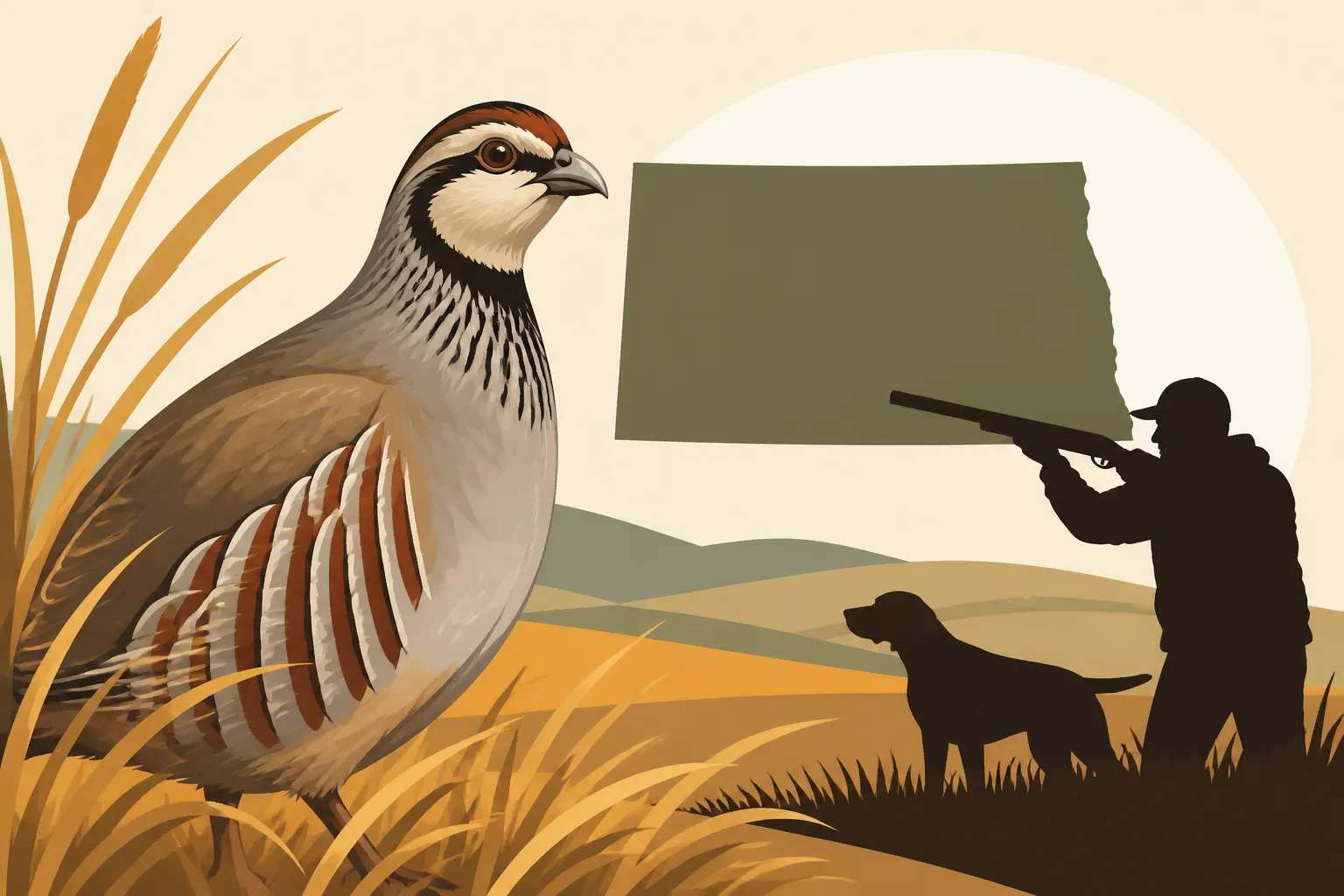
It can be incredibly frustrating to plan a hunting trip only to realize you’re unsure about the exact season dates for your target species, especially when regulations seem to shift or are tucked away in a dense rulebook. For those eager to chase the elusive Hungarian partridge across North Dakota’s prairies, knowing precisely when the season opens and closes is paramount. This guide is here to untangle the specifics of North Dakota's Hungarian partridge season, making sure you're well-informed and ready for a successful hunt.
Understanding North Dakota's Hungarian Partridge Season Dates
The North Dakota Game and Fish Department (NDGFD) sets the season dates for Hungarian partridge each year, and while there can be minor tweaks, these dates tend to follow a fairly consistent pattern. It's not like deer season where specific unit dates might vary; Hungarian partridge seasons are generally statewide.
When the Season Typically Opens and Closes
For many years, the Hungarian partridge season in North Dakota has consistently opened in early September, usually around the second Saturday of the month. This timing aligns with the opening of other upland bird seasons, like sharptail grouse and pheasants, making it convenient for hunters who want to pursue multiple species. The season then stretches well into the new year, often closing in early January. This extended season provides ample opportunity for hunters to get out, from the warm, dry days of early fall to the crisp, often snowy conditions of late December and early January. For instance, in recent seasons, the opening day has frequently been the first Saturday after Labor Day, with the closing day landing around January 5th. This allows for a very long period to hunt these fantastic birds.
Why Season Dates Matter for Hungarian Partridge Hunters
Knowing the precise season dates is more than just about legality; it's about optimizing your hunting strategy. Early season birds, often still in larger family coveys, might be found in different cover types than late-season birds, which have scattered and sought out more protected areas against the harsh prairie winter. If you're planning a trip, knowing the full length of the season allows you to decide if you want to experience the vibrant colors of an October hunt or the quiet solitude of a December chase through snow-dusted fields. It also impacts your travel plans, especially if you're a nonresident hunter trying to maximize your time in the field or coordinate with other hunting opportunities like North Dakota's November Gun Deer Season. Missing the opening weekend can mean missing out on some excellent opportunities, especially before birds become more wary due to hunting pressure.
Historical Trends and Future Outlook
Historically, North Dakota has maintained a generous season length for Hungarian partridge, often spanning over four months. This reflects a generally stable population and a management strategy that aims to provide abundant recreational opportunities. While specific dates might shift by a day or two year-to-year based on calendar alignment, the overall window has remained largely consistent. Looking ahead, it's reasonable to expect similar long seasons for Hungarian partridge. Population trends are monitored closely by the NDGFD through brood counts and hunter surveys, which inform future season lengths and bag limits. Barring any unforeseen significant population declines due to severe winters or widespread disease, hunters can anticipate continued access to a lengthy and rewarding Hungarian partridge season in the coming years.
Navigating Regulations and Licensing for Hungarian Partridge
Beyond just knowing when you can hunt, understanding how you can hunt—which means understanding the necessary licenses, permits, and rules—is crucial for a legal and ethical experience. North Dakota has straightforward regulations for small game, but it's important to tick all the boxes.
Essential Licenses and Permits
To legally hunt Hungarian partridge in North Dakota, resident hunters generally need a basic hunting license, often referred to as a "General Game and Habitat License," along with a small game license. Nonresidents will typically purchase a nonresident small game license. Both residents and nonresidents pursuing migratory birds (which includes Hungarian partridge, as they are considered an upland migratory game bird) are also required to have a Harvest Information Program (HIP) certification. This HIP certification is free but mandatory and helps wildlife agencies gather important harvest data. You can purchase your licenses conveniently through the official NDGFD website or authorized vendors. Tools like GoHunt can also be incredibly helpful for keeping track of license requirements and application periods, ensuring you don't miss any crucial steps before heading afield. If you're curious about the specific costs, you can find details on the North Dakota General Game and Habitat License Cost or the North Dakota Nonresident Small Game License Cost through the provided links.
Daily Bag and Possession Limits
The North Dakota Game and Fish Department establishes clear bag and possession limits to ensure sustainable hunting and healthy populations. For Hungarian partridge, the typical daily bag limit allows you to harvest a certain number of birds per day, while the possession limit specifies the maximum number of birds you can have on hand at any given time, whether in your freezer, at camp, or in transit. For Hungarian partridge, the daily bag limit is generally 8 birds, with a possession limit of 16 birds. This means on a multi-day hunt, you can accumulate up to 16 birds, but you can only shoot 8 in any single day. Always double-check the current year's proclamation, as these numbers can occasionally change. Adhering to these limits is vital for conserving the species and ensuring future hunting opportunities.
Age and Hunter Education Requirements
North Dakota is committed to safe and responsible hunting, which includes specific requirements for hunter education. Generally, anyone born after December 31, 1961, must complete a state-approved hunter education course to hunt in North Dakota. This applies to both residents and nonresidents. There are provisions for mentored youth hunters, allowing them to hunt under the direct supervision of a licensed adult without prior hunter education, but strict proximity rules apply. This is a fantastic way to introduce new hunters to the sport in a safe environment. You can learn more about Who Needs North Dakota Hunter Education and the specifics of the North Dakota Apprentice Hunter License Rules to ensure everyone in your hunting party is compliant.
Best Practices for Hunting Hungarian Partridge During Open Season
Once you have your licenses sorted and the season dates locked in, the real fun begins: planning your hunt. Hungarian partridge, or "Huns" as they're affectionately known, are challenging birds that reward diligent scouting and smart hunting tactics.
Scouting Before and During the Season
Effective scouting is paramount for consistently finding Hungarian partridge. Unlike pheasants, which often prefer dense, tall cover, Huns are more open-country birds, frequently found in stubble fields, grass waterways, and the edges of grain fields. Before the season opens, drive county roads, observing field edges, fence lines, and shelterbelts for any signs of coveys. Look for dusting sites, tracks, or even the birds themselves. Once the season is underway, pay attention to freshly harvested fields, especially those of wheat or barley, as these can be prime feeding areas. The ND Hunt App, often integrated with tools like GoHunt, can be an invaluable resource for Scouting PLOTS Land With the ND Hunt App, allowing you to identify potential public access areas that might hold birds. They're often found in similar habitats as sharptail grouse, so a lot of your scouting for one can benefit the other.
Optimal Time of Day and Weather Conditions
Hungarian partridge are most active during the cooler parts of the day – early mornings and late afternoons. During these times, they are typically out feeding, making them more visible and accessible. Midday, especially during warmer early-season days, they tend to loaf in thicker cover or shaded areas to escape the heat. As for weather, crisp, calm days are often ideal. Huns can be more skittish and prone to running in windy conditions, making them harder to pin down for a good shot. However, light snow cover in the late season can actually work to your advantage, as it often concentrates birds around available food sources and makes their tracks more visible. Avoid hunting immediately after a heavy rain, as birds will be wet and often hunkered down, and your dog might struggle with scenting.
Key Habitats to Target
Hungarian partridge are truly birds of the open prairie. They favor a mosaic of agricultural fields, grass margins, and sparse cover. You'll often find them along field edges, especially where cereal grains like wheat, barley, or even corn meet grassy ditches, fencerows, or CRP (Conservation Reserve Program) land. They love areas with good grit for digestion and relatively short cover that allows them to see predators but still offers concealment. Don't overlook old farmsteads or abandoned machinery, as these can offer surprising cover. Learning to read these landscapes is key. If you're looking for more specific guidance on prime locations, checking out a piece like Hunting Hungarian Partridge Field Edges can provide deeper insights into their preferred haunts. You might even find them overlapping with Sharptail Grouse Hunting Mixed Grass Prairie areas, giving you a chance for a mixed-bag hunt.
Resources for Staying Up-to-Date on Regulations
In the world of hunting, regulations can and do change, sometimes unexpectedly. Staying informed is your responsibility as a hunter, and thankfully, there are excellent resources available to help.
Official North Dakota Game and Fish Department Resources
The absolute best and most reliable source for current North Dakota hunting regulations is always the North Dakota Game and Fish Department (NDGFD). They publish an annual hunting guide, which details all season dates, bag limits, licensing requirements, and any special regulations. This guide is usually available online as a downloadable PDF and in print at license vendors across the state well before seasons open. Their official website is also regularly updated with news releases and proclamations that reflect the latest information. Don't rely solely on outdated forums or word-of-mouth; always cross-reference with the NDGFD's official channels. This is particularly important for understanding specific nuances, like details on North Dakota Pheasant and Upland Season Rules, which often group Hungarian partridge with other upland species.
Online Tools and Apps for Hunters
Beyond the official NDGFD website, a host of modern online tools and mobile applications can significantly enhance your hunting preparation and in-field experience. Apps like the official ND Hunt App provide interactive maps, access to PLOTS (Private Land Open To Sportsmen) areas, and often direct links to regulation summaries. Many hunters also utilize mapping software from providers like GoHunt, which overlays property boundaries, public land designations, and even habitat types directly onto satellite imagery, helping you scout remotely and navigate in the field. These digital tools are dynamic and often reflect updates quicker than printed materials, making them a crucial part of a well-prepared hunter's kit. Just make sure to download maps for offline use if you anticipate being out of cell service, a common occurrence in many prime Hungarian partridge areas.
Here's a quick summary of North Dakota's Hungarian Partridge season and requirements:
| Aspect | Typical Details (Always Verify Current Year) |
|---|---|
| Season Dates | Early September (e.g., 2nd Saturday) to Early January (e.g., Jan 5) |
| Daily Bag Limit | 8 birds |
| Possession Limit | 16 birds |
| Required Licenses | General Game & Habitat, Small Game, HIP Certification |
| Hunter Education | Required for those born after Dec 31, 1961 (exceptions for mentored youth) |
| Primary Habitat | Field edges, stubble fields, grass waterways, fencerows |
| Best Time to Hunt | Early morning, late afternoon |
Disclaimer
Please remember that hunting regulations, season dates, and bag limits are subject to change. Always consult the most current North Dakota Game and Fish Department hunting proclamation before planning and undertaking any hunting activity. This guide provides general information and should not be considered a substitute for official legal documentation.